Can a Betta Fish Come Back to Life
Betta fish can sometimes appear dead but actually be in a temporary state called “shuttle shock” or severe stress. Quick, gentle intervention often revives them, but true death is irreversible.
Key Takeaways
- Not all limp bettas are dead: Many are merely shocked and can recover with proper care.
- Immediate action matters: The first few minutes are critical for a possible revival.
- Water quality is vital: Poor parameters are a common cause of sudden collapse.
- Temperature control helps: A sudden drop or rise can induce shock.
- Know the limits: If there is no heartbeat or gill movement after 15‑20 minutes, revival is unlikely.
- Prevention beats cure: Proper tank setup reduces the chance of a betta “coming back to life” scenario.
- Seek expert help: When in doubt, contact a vet or experienced aquarist.
📑 Table of Contents
Introduction: The Moment That Stops Your Heart
Imagine you’re watching your bright‑colored betta do a graceful flare, and suddenly it drops to the bottom, motionless, its fins limp. Your first thought is, “Can a betta fish come back to life?” It’s a terrifying instant that many hobbyists have faced. The truth is, a betta can sometimes “play dead” because of shock, temperature shock, or poor water conditions. In those rare cases, a quick rescue can bring the fish back to life. But when the damage is real, no amount of love will revive it.
In this guide we’ll break down the science behind a betta’s apparent death, the steps you can take to revive a stunned fish, and how to set up a tank that prevents the nightmare from happening again. We’ll also answer the most common questions, so you’ll know exactly what to do the next time you wonder, “Can a betta fish come back to life?”
Understanding Betta Physiology: Why They Appear Dead
Shuttle Shock and Stress Responses
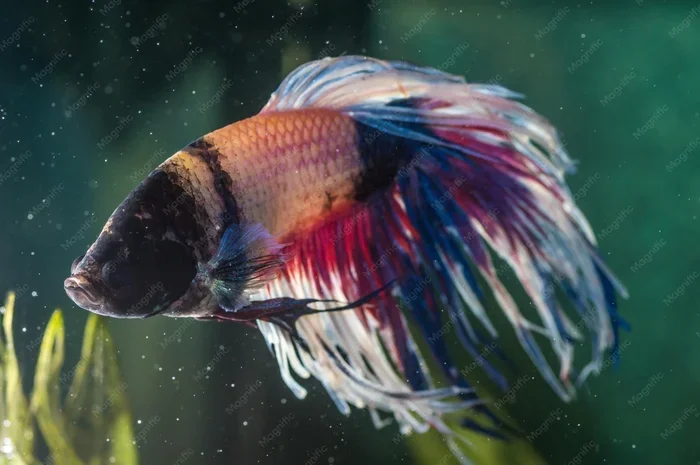
Betta fish are labyrinth fish, meaning they can breathe air from the surface. This unique anatomy allows them to survive low‑oxygen water, but it also makes them vulnerable to rapid changes in environment. When a betta is moved too quickly, experiences a sudden temperature shift, or is startled, it can go into “shuttle shock.” During shock, the fish may lie motionless, its gills barely moving, giving the illusion of death.
Visual guide about Can a Betta Fish Come Back to Life
Image source: ntlabs.co.uk
Signs of True Death vs. Temporary Collapse
To answer the question “can a betta fish come back to life,” you first need to differentiate between true death and a temporary state. Look for these indicators:
- Gill movement: Even a faint flutter means the fish is still alive.
- Heart beat: A tiny throb near the ventral area can be felt with a gentle touch.
- Response to stimuli: Lightly tap the tank or blow gently at the surface; a twitch indicates life.
If none of these signs appear after 10‑15 minutes, the chances of revival drop dramatically.
Immediate Steps to Revive a “Dead” Betta
1. Stay Calm and Assess
First, take a breath. Panic will only waste precious minutes. Quickly check water temperature, oxygen levels, and any visible injuries.
Visual guide about Can a Betta Fish Come Back to Life
Image source: hepper.com
2. Adjust Water Temperature
Betas thrive at 76‑82°F (24‑28°C). A sudden drop can cause shock. If the water is too cold, gently warm it by adding a small amount of heated water (use a thermometer). Avoid rapid temperature changes; aim for a 2‑3°F increase per minute.
3. Increase Oxygen Flow
Even though bettas can gulp air, a stressed fish benefits from extra oxygen. Turn on a gentle air stone or raise the surface agitation for a few minutes. Do not create a strong current that could stress the fish further.
4. Perform the “Water Dip” Rescue
Fill a clean container with water that matches the tank’s temperature and parameters. Using a soft net, gently scoop the limp betta and place it in the rescue container. Keep the fish calm, and watch for any gill movement. After a few minutes, if the fish shows signs of life, return it to the main tank.
5. Use a Gentle Stimulus
Lightly tap the side of the rescue container or blow a soft stream of water over the fish’s head. This can trigger the startle reflex, causing the betta to resume breathing.
When to Stop Trying
If after 20 minutes there is no gill movement, heartbeat, or response, it is likely that the fish has passed away. Continuing to handle a dead fish can cause unnecessary stress to any tank mates.
Preventing the “Dead Betta” Scenario
Proper Tank Setup
A well‑maintained environment is the best defense. Follow a reliable guide such as How To Set Up A Tank For A Betta Fish to ensure correct filtration, heating, and décor.
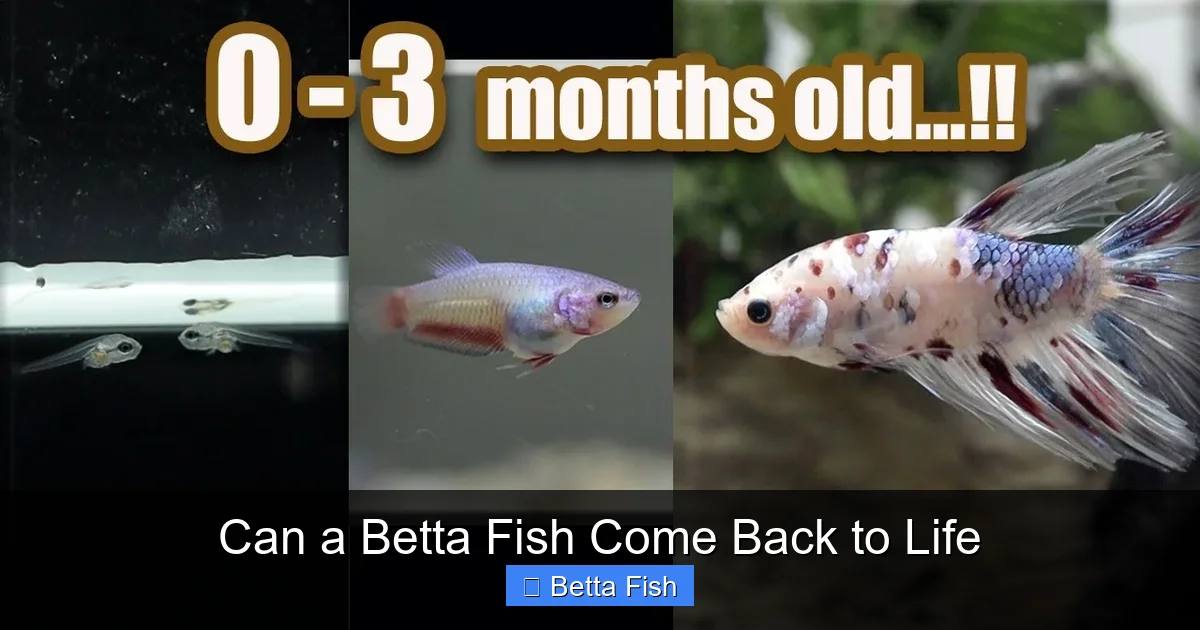
Visual guide about Can a Betta Fish Come Back to Life
Image source: i.ytimg.com
Regular Water Testing
Test for ammonia, nitrite, nitrate, and pH weekly. Keep ammonia and nitrite at 0 ppm, nitrate below 20 ppm, and pH between 6.5‑7.5. Sudden spikes can cause shock and make a betta appear dead.
Temperature Consistency
Invest in a reliable aquarium heater and a thermometer. Avoid placing the tank near drafts, windows, or heating vents that can cause temperature swings.
Gentle Handling Practices
When moving a betta, use a soft net and minimize exposure to air. Acclimate the fish slowly if you’re transferring it to a new tank. The slower the transition, the less likely the fish will go into shock.
Nutrition and Health Monitoring
Feed high‑quality betta pellets once or twice daily. Overfeeding can foul the water, leading to toxic spikes. Also, watch for signs of disease—fin rot, white spots, or abnormal swimming—and treat promptly.
When Revival Isn’t Possible: What to Do Next
Respectful Disposal
If the fish truly cannot be revived, consider burying it in a garden or placing it in a biodegradable bag and disposing of it in the trash. Avoid flushing it down the toilet; see Can You Flush A Betta Fish Down The Toilet for reasons why.
Learning from the Experience
Take notes on what happened: water parameters, temperature, recent changes, and any stressors. Use this information to adjust your tank setup and prevent future incidents.
Consider a New Companion
If you’re ready for another betta, research reputable breeders or local pet stores. A helpful guide is Where Can I Buy A Betta Fish Near Me. Remember to cycle a new tank fully before introducing a new fish.
Conclusion: Hope, Reality, and Responsible Care
So, can a betta fish come back to life? The short answer is yes—if the fish is merely shocked or stressed, timely and gentle intervention can bring it back. However, true death is final, and no amount of love can reverse it. The best strategy is prevention: maintain clean water, stable temperature, and a stress‑free environment. By understanding the signs and acting quickly, you give your betta the best chance to thrive, not just survive.
Frequently Asked Questions
Can a betta fish revive after being out of water?
Yes, if the exposure is brief (under a minute) and the water temperature is appropriate, a betta can often recover by being placed back in its tank and given gentle oxygen flow.
What is shuttle shock in bettas?
Shuttle shock is a stress response caused by sudden changes in temperature, water movement, or handling. The fish may become limp and appear dead, but with proper care it can recover.
How long can a betta survive without gill movement?
Typically, if gill movement stops for more than 10‑15 minutes, the chances of revival drop dramatically. Immediate action is critical.
Is it safe to give a betta fish goldfish food?
While a betta can eat goldfish flakes in a pinch, it lacks the necessary nutrients for long‑term health. See Can A Betta Fish Eat Goldfish Food for details.
Can a betta live with other fish?
Yes, some peaceful community fish can coexist with a betta if the tank is large enough and provides plenty of hiding spots. Read What Fish Can Live With A Male Betta for compatible species.
What should I do if my betta keeps going limp?
Check water quality, temperature, and look for signs of disease. Consistently limp behavior may indicate an underlying health issue that requires a vet or experienced aquarist’s advice.