Are There Wild Betta Fish

Yes, there are wild betta fish! They live in warm, shallow waters across Southeast Asia, including rice paddies, streams, and marshes. Wild betta fish have adapted to survive in challenging environments, showing incredible resilience and unique behaviors that differ from their aquarium-raised cousins.
Key Takeaways
- Wild betta fish exist in countries like Thailand, Malaysia, and Indonesia, living in warm freshwater habitats.
- Wild betta fish habitats include rice paddies, slow-moving streams, and shallow marshes with warm water temperatures.
- Wild bettas survive by breathing air from the surface, using their labyrinth organ to thrive in low-oxygen water.
- Wild betta fish look different from pet bettas, with duller colors and leaner bodies built for survival.
- Wild betta fish are threatened by habitat loss, pollution, and the pet trade, with some species listed as vulnerable.
- You should not release pet bettas into the wild, as they cannot survive and can harm local ecosystems.
📑 Table of Contents
- Are There Wild Betta Fish?
- Where Do Wild Betta Fish Live?
- How Do Wild Betta Fish Survive?
- Are Wild Betta Fish Different From Pet Betta Fish?
- Are Wild Betta Fish Endangered?
- Can You Keep a Wild Betta Fish as a Pet?
- Quick Tips for Betta Owners
- Common Mistakes People Make About Wild Betta Fish
- Expert Insights on Wild Betta Fish
- Conclusion
Are There Wild Betta Fish?
If you have ever watched your betta fish swimming gracefully in its tank, you might have wondered about its origins. Are there wild betta fish? The answer is a clear yes. Betta fish, also known as Siamese fighting fish, are not just aquarium pets. They are real animals that live and thrive in the wild across parts of Southeast Asia. These beautiful creatures have a fascinating story that connects them to warm rice paddies, slow streams, and shallow marshes.
Understanding the life of wild betta fish helps you appreciate your pet even more. It also teaches us why proper care matters so much. In this guide, we will explore where wild bettas live, how they survive, how they differ from tank-raised bettas, and what threats they face today. Let us dive in and learn all about these amazing fish.
The Wild Origins of Betta Fish
Betta fish originated in the warm, tropical regions of Southeast Asia. The most well-known wild betta species is Betta splendens, which is the type most people keep as pets. But there are actually over 70 species in the Betta genus, and many of them still live in the wild. Countries like Thailand, Malaysia, Indonesia, Vietnam, and Cambodia are home to various wild betta populations.
These fish were first discovered and documented in the 1800s. Local farmers in Thailand noticed them fighting in rice paddies and began collecting them for entertainment. Eventually, the fish made their way to the West, where they became one of the most popular aquarium fish in the world. But their roots are firmly in wild betta fish habitats that are very different from a decorated home tank.
Where Do Wild Betta Fish Live?
Wild betta fish are found in a variety of warm freshwater environments. They are not picky about living in perfect conditions. Instead, they have adapted to survive in places that many other fish would find difficult. Let us look at the most common wild betta fish habitats.
Rice Paddies
One of the most common places to find betta fish in nature is in rice paddies. These shallow, warm fields of flooded farmland provide an ideal home. The water is still or slow-moving, warm from the tropical sun, and rich with insects and small organisms that bettas feed on. Rice paddies also offer plenty of hiding spots among the rice stalks and plant roots.
Slow-Moving Streams and Canals
Wild bettas also inhabit slow-moving streams, ditches, and canals. These waterways are often shallow and warm, with plenty of vegetation along the banks. The current is gentle enough for bettas to swim comfortably without fighting against strong flows. These streams connect different habitats, allowing bettas to move between areas.
Marshes and Swamps
Marshes and swampy areas are another key wild betta fish habitat. These regions are filled with warm, stagnant water, fallen leaves, and dense plant growth. The water in these areas often has low oxygen levels, which is where the betta’s unique breathing ability becomes essential. You can find betta fish in the wild nestled among roots, leaf litter, and submerged vegetation in these environments.
Ponds and Flooded Areas
During the rainy season, many areas in Southeast Asia flood, creating temporary ponds and pools. Wild bettas are excellent at taking advantage of these temporary habitats. They can survive in very small bodies of water, which helps them spread across wide areas during wet seasons and retreat to larger water sources when things dry up.
How Do Wild Betta Fish Survive?
One of the most remarkable things about wild betta fish is their ability to survive in tough conditions. They have developed special traits that set them apart from most other freshwater fish. Understanding these survival mechanisms gives you a deeper appreciation for what your pet betta is capable of.
The Labyrinth Organ
The secret weapon of the betta fish is its labyrinth organ. This is a special lung-like structure that allows bettas to breathe air directly from the surface. Most fish rely entirely on dissolved oxygen in the water, but bettas can supplement their oxygen intake by gulping air. This is why you often see your betta swimming to the top of its tank. In the wild, this ability lets them survive in betta fish water conditions that would be deadly for other species. Stagnant, warm water with low oxygen levels is no problem for a betta.
Adaptable Water Conditions
Wild bettas can tolerate a range of betta fish temperature levels, typically between 75°F and 86°F (24°C to 30°C). They prefer warm water but can adjust to slight fluctuations. They also handle varying pH levels, though they do best in slightly acidic to neutral water. This adaptability is crucial in their natural betta fish environment, where conditions change with the seasons and weather patterns.
Finding Food in the Wild
Wild betta fish diet consists mainly of insects, larvae, small crustaceans, and zooplankton. They are opportunistic feeders, meaning they eat whatever is available. In the wild, they hunt along the water’s surface and near the bottom. Their aggressive hunting instinct is part of what makes them such effective predators in their betta fish ecosystem. You might notice your pet betta getting excited at feeding time. That instinct comes directly from their wild ancestors.
Avoiding Predators
Life in the wild is dangerous. Betta fish predators include larger fish, birds, snakes, and even some amphibians. To survive, wild bettas rely on their ability to hide among plants and debris. Their colors, while beautiful, can also serve as camouflage in the dappled light of shallow waters. When threatened, a wild betta will freeze, hide, or make itself look larger to scare off attackers. This betta fish behavior is a survival mechanism honed over thousands of years.
Are Wild Betta Fish Different From Pet Betta Fish?
Yes, there are some significant differences between wild betta fish and the bettas you find in pet stores. Selective breeding over many generations has created fish that look and behave quite differently from their wild cousins. Let us compare the two.
Appearance
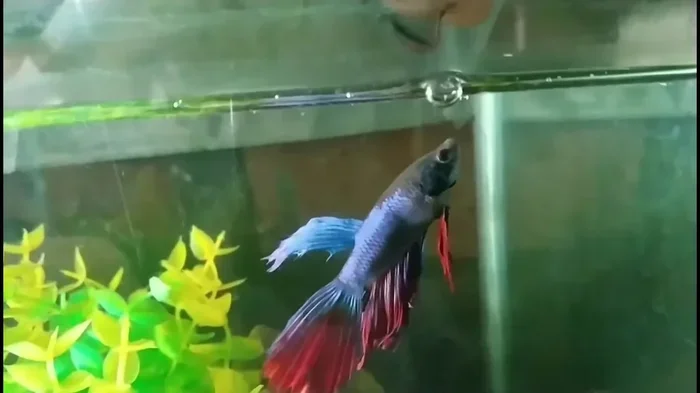
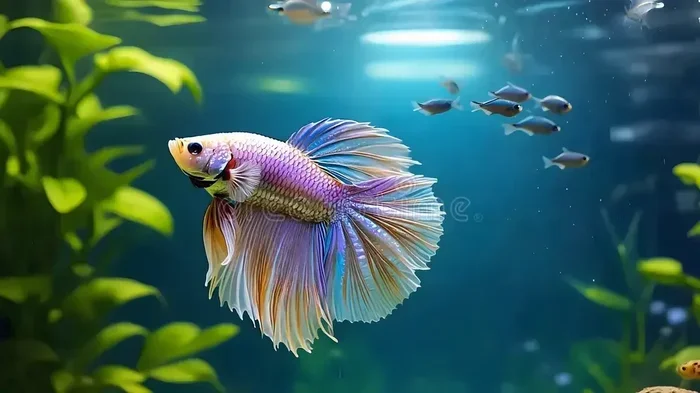
Pet bettas come in a dazzling array of colors and fin types. You can find them in brilliant blues, reds, purples, and even multicolored patterns. Breeds like the halfmoon, crowntail, and plakat are all results of selective breeding. Wild betta fish colors, on the other hand, are much more subdued. They are typically dull brown, gray, or greenish, which helps them blend into their surroundings. Wild bettas also have smaller, more streamlined fins that make swimming in currents easier.
Body Shape and Size
A wild betta tends to be leaner and more muscular than a pet betta. The long, flowing fins of a show betta can be a real burden in the wild. They make swimming difficult and can get caught on plants and debris. Wild bettas have compact bodies built for agility and quick movement. A typical betta fish lifespan in the wild is shorter than in captivity, often around 2 to 3 years, compared to 3 to 5 years for well-cared-for pet bettas.
Temperament
Both wild and pet bettas are territorial and aggressive, especially the males. But wild bettas have a sharper survival instinct. They must be ready to defend territory, find food, and avoid danger at all times. Pet bettas, raised in safe tanks, may still show aggression but are generally more relaxed. Even so, you should never underestimate a betta’s betta fish aggression. Every betta, wild or domestic, carries that fighting spirit.
Comparison Table: Wild Betta vs. Pet Betta
| Feature | Wild Betta Fish | Pet Betta Fish |
|---|---|---|
| Colors | Dull brown, gray, green | Bright blue, red, purple, multicolor |
| Fins | Small, streamlined | Long, flowing, elaborate |
| Body | Lean and muscular | Slightly rounder |
| Size | 2 to 2.5 inches | 2 to 3 inches |
| Temperament | Highly territorial, survival-focused | Territorial but more relaxed |
| Lifespan | 2 to 3 years | 3 to 5 years |
| Environment | Rice paddies, streams, marshes | Heated, filtered aquariums |
Are Wild Betta Fish Endangered?
This is a question that many betta lovers worry about. The short answer is that some wild betta species are indeed facing serious threats. While the common Betta splendens is widely bred in captivity, its wild counterparts face growing challenges in their natural wild betta fish habitats.
Habitat Loss
The biggest threat to betta fish in nature is the loss of their homes. As cities and farms expand in Southeast Asia, wetlands, rice paddies, and marshes are being drained or filled in. Construction projects, farming, and urban development destroy the delicate ecosystems where wild bettas live. When their habitat disappears, their populations shrink rapidly.
Pollution
Agricultural runoff, industrial waste, and chemical pollutants contaminate the water where betta fish survive. Pesticides and fertilizers used in rice farming can wash into the waterways, making the water toxic. Wild bettas are tough, but even they cannot survive in heavily polluted conditions over long periods.
The Pet Trade
Ironically, the popularity of betta fish as pets can also harm wild populations. Some wild-caught bettas are sold in the international pet trade. While most pet bettas are now bred in captivity, the collection of wild bettas for sale can reduce local populations. This practice also introduces diseases that can spread to wild communities.
Conservation Status
Some wild betta species are listed as vulnerable or endangered by conservation organizations. Efforts are underway in several countries to protect wild betta fish and their habitats. Breeding programs and habitat restoration projects are helping, but there is still much work to do. You can support these efforts by buying bettas from responsible breeders and learning about are wild betta fish endangered before purchasing any wild-caught specimens.
Can You Keep a Wild Betta Fish as a Pet?
While it is technically possible to keep a wild betta in a home aquarium, it is not recommended. Wild bettas are not used to the stable conditions of a tank and can struggle to adjust. They may also carry parasites or diseases from their natural betta fish environment that can spread to other fish in your aquarium.
If you want to add a betta to your home, always choose a captive-bred fish from a reputable breeder. These fish are healthier, better adapted to tank life, and their purchase does not harm wild populations. For more information on compatible tank mates, check out are there other fish that can go with a betta to learn about safe companions for your pet betta.
Setting Up a Tank That Mimics the Wild
If you want to give your pet betta an environment that feels closer to its wild betta fish habitat, consider these tips:
- Keep the water warm, between 76°F and 82°F, using a heater.
- Add live or silk plants to provide hiding spots.
- Use a gentle filter to keep water clean without creating strong currents.
- Include caves or driftwood for territorial retreats.
- Feed a varied diet of high-quality pellets and frozen or live foods like bloodworms and brine shrimp.
These steps help your betta feel secure and mimic the conditions it would experience in the where are betta fish in the wild. A happy betta is a healthy betta, and proper setup makes all the difference.
Why You Should Never Release Betta Fish Into the Wild
Some people think they are doing the right thing by releasing a pet betta into a nearby pond or stream. This is a terrible idea. Domestic bettas cannot survive in the wild. They lack the camouflage, hunting skills, and predator avoidance of their wild relatives. They can also introduce diseases and disrupt local betta fish ecosystems. If you can no longer care for your betta, reach out to local fish clubs, rescue organizations, or a trusted friend. Never release them into nature. For more on this topic, read about can you release betta fish into wild and why it is harmful.
Quick Tips for Betta Owners
Here are some practical tips to keep your pet betta healthy and happy, inspired by what we know about their wild cousins:
- Keep the water warm. Wild bettas live in tropical temperatures. Use a reliable heater.
- Provide a spacious tank. At least 5 gallons is ideal. A bigger tank means a happier betta.
- Do not overfeed. Overfeeding leads to health problems. Feed small amounts once or twice a day.
- Maintain water quality. Do regular water changes. Clean water is essential for betta fish care.
- Add enrichment. Plants, caves, and gentle current keep your betta mentally stimulated.
- Watch for illness. Common issues include fin rot, ich, and bloating. Early detection saves lives.
Common Mistakes People Make About Wild Betta Fish
Let us clear up some misconceptions that are common even among well-meaning betta owners.
Thinking Betta Fish Bowls Are Enough
A small bowl might seem fine, but it does not provide enough space, oxygen, or temperature stability. Wild bettas have access to vast areas of water. Give your pet a proper tank to thrive.
Assuming Betta Fish Are Simple Pets
Betta fish have complex needs and distinct betta fish personality traits. They deserve the same attention and care as any other pet. Do not underestimate their intelligence and awareness.
Believing All Betta Fish Are the Same
There are many betta species, each with unique traits. From the wild Betta splendens to rarer species like Betta imbellis and Betta mahachaiensis, diversity among bettas is real. Learning about these differences makes you a better owner and advocate.
Expert Insights on Wild Betta Fish
Aquarium experts and biologists stress the importance of understanding where betta fish come from. Dr. Tanaka, a tropical fish researcher, notes: “The more we learn about wild betta populations, the better we can protect them and improve captive care. Every betta owner benefits from knowing the natural history of their fish.”
Conservationists also highlight that protecting wild betta fish is not just about saving one species. It is about preserving entire ecosystems. Wetlands and rice paddies support countless organisms. When we protect betta habitats, we protect biodiversity as a whole.
Conclusion
Are there wild betta fish? Absolutely. These resilient and fascinating creatures live in the warm waters of Southeast Asia, thriving in rice paddies, streams, and marshes. Wild betta fish have remarkable survival abilities, from their labyrinth organ that lets them breathe air to their fierce territorial instincts. They differ significantly from their tank-raised counterparts in appearance, behavior, and lifestyle.
Understanding the world of betta fish in nature makes you a more informed and compassionate owner. It also reminds us of our responsibility to protect these animals and their habitats. Wild betta populations face real threats from habitat loss, pollution, and the pet trade. By choosing captive-bred fish, maintaining proper tank conditions, and sharing what you know, you play a part in conservation.
The next time you watch your betta flare its fins or explore its tank, remember where it comes from. Your pet carries the legacy of generations of wild ancestors. Give it the best life possible, and always respect the wild origins that make betta fish so extraordinary.
Frequently Asked Questions
Are there wild betta fish in the United States?
No, wild betta fish are not native to the United States. They are originally from Southeast Asia. Any betta fish found in the U.S. are either pets or escaped captive fish that cannot survive long-term in the wild due to the climate.
Can wild betta fish live in cold water?
No, wild betta fish cannot thrive in cold water. They are tropical fish that need warm temperatures between 75°F and 86°F. Cold water weakens their immune system and can be fatal. This is why a heater is essential for pet bettas.
What do wild betta fish eat in their natural habitat?
Wild betta fish eat insects, insect larvae, small crustaceans, zooplankton, and tiny worms found near the water surface. They are carnivorous hunters that rely on a protein-rich diet to stay healthy and active in the wild.
How can you tell if a betta fish is wild-caught or captive-bred?
Wild-caught bettas usually have duller colors, smaller fins, and a leaner body shape. They may also be more skittish and less used to human presence. Captive-bred bettas are brighter, have larger fins, and are generally more docile. Buying from reputable breeders ensures you get a healthy, tank-raised fish.
Are there different species of wild betta fish?
Yes, there are over 70 recognized species in the Betta genus. While Betta splendens is the most common, other species like Betta imbellis and Betta mahachaiensis also exist in the wild. Each species has unique colors, fin shapes, and regional habitats across Southeast Asia.
What should you do if you find a betta fish in the wild?
If you find a betta fish in a body of water where it does not belong, it is likely an escaped or released pet. Do not leave it there, as it will probably not survive. Contact a local fish rescue, aquarium store, or wildlife authority for guidance on helping the fish safely.