Are Plastic Tanks Good for Betta Fish
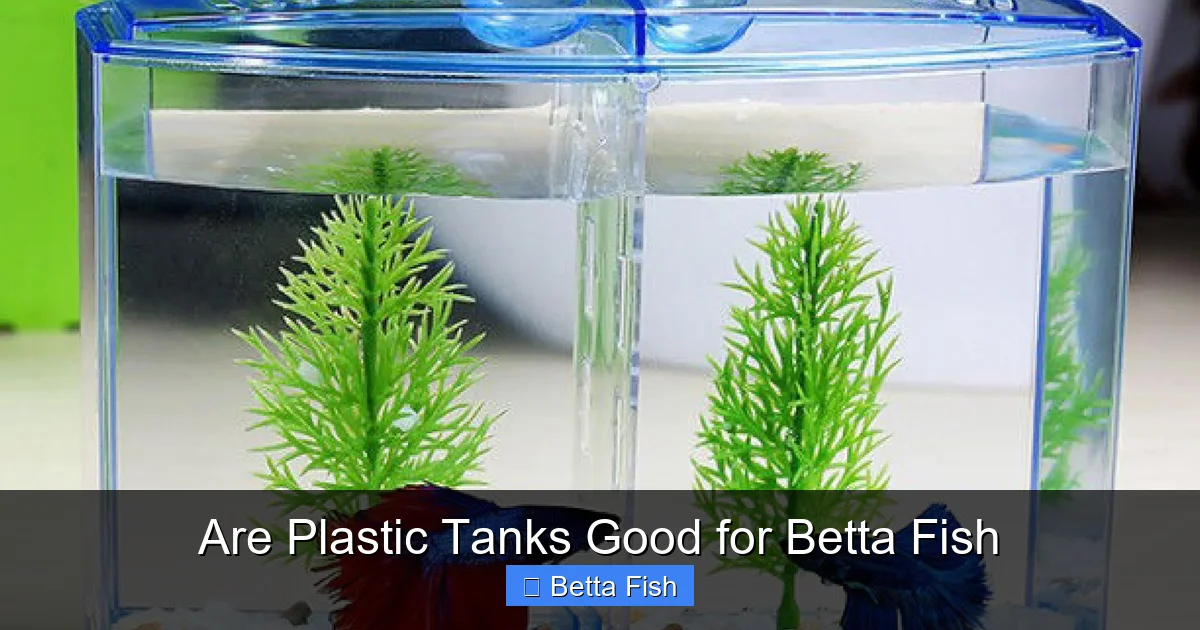
Plastic tanks can be a viable option for betta fish when you choose the right size, material quality, and set‑up. They’re lightweight, affordable, and safe if you avoid low‑grade plastics and ensure proper filtration and heating. Follow our guide to make an informed decision and create a thriving home for your betta.
Key Takeaways
- Durability matters: High‑quality, UV‑stabilized plastics resist cracks and scratches, protecting your betta.
- Size is crucial: Even with plastic, aim for at least a 5‑gallon tank to promote health and reduce stress.
- Safety first: Avoid tanks made from cheap acrylic or PVC that may leach chemicals.
- Heat retention: Plastic tanks lose heat faster than glass, so a reliable heater is essential.
- Cost‑effective: Plastic tanks are lighter and cheaper, making them great for beginners or renters.
- Maintenance simplicity: Smooth interior surfaces make cleaning easier, but watch for scratches where algae can hide.
- Compatibility with décor: Live plants and ornaments work well, but choose non‑sharp, aquarium‑safe items.
📑 Table of Contents
- Introduction: Why the Material of the Tank Matters
- 1. Understanding Plastic: Types and Their Impact
- 2. Size Matters: The Minimum Recommended Volume
- 3. Setting Up a Plastic Tank for Success
- 4. Pros and Cons of Plastic Tanks Compared to Glass
- 5. Maintenance Tips to Keep Your Plastic Tank Healthy
- 6. When to Choose Glass Over Plastic
- Conclusion: Making the Best Choice for Your Betta
Introduction: Why the Material of the Tank Matters
When you first bring a betta home, the excitement often focuses on colors, fins, and feeding schedules. Yet the container you choose is the foundation of every other decision. A tank isn’t just a bowl of water; it’s a living environment that influences temperature stability, water quality, and your fish’s overall wellbeing.
Plastic tanks have surged in popularity because they’re lightweight, budget‑friendly, and easy to move. But many hobbyists wonder, are plastic tanks good for betta fish? The answer isn’t a simple yes or no. It depends on the type of plastic, the tank’s size, how you set it up, and how you maintain it. In this article we’ll break down every factor, compare plastic to glass, and give you practical steps to create a safe, beautiful home for your betta.
1. Understanding Plastic: Types and Their Impact
1.1 Common plastics used in aquariums
Most consumer‑grade plastic tanks are made from one of three materials:
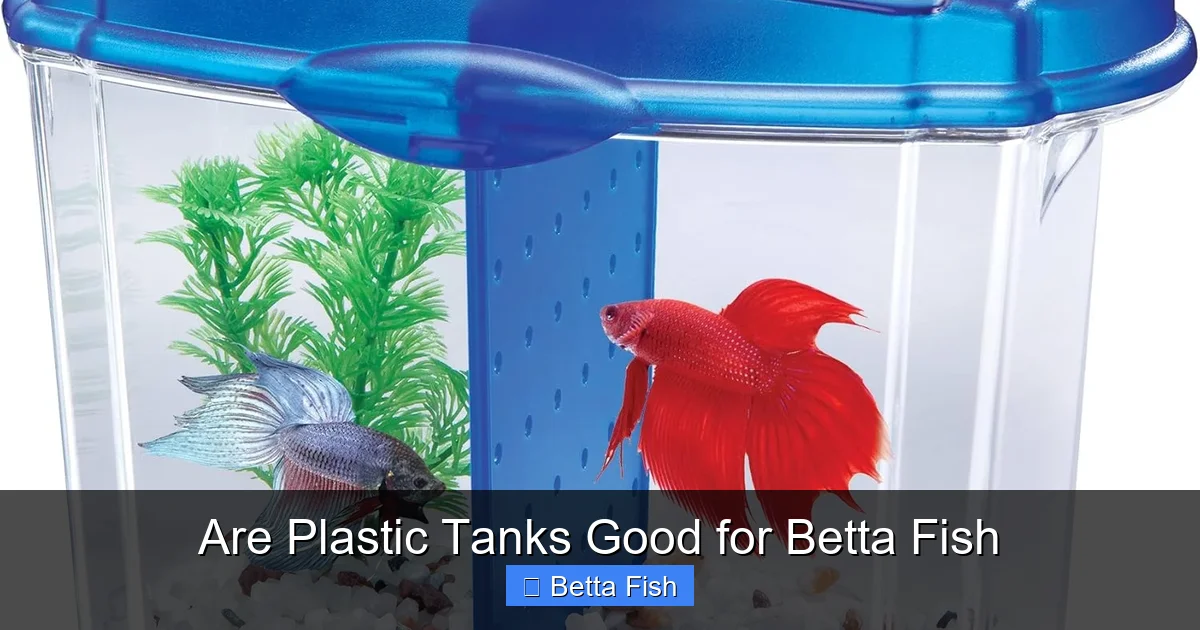
Visual guide about Are Plastic Tanks Good for Betta Fish
Image source: images-na.ssl-images-amazon.com
- Polyethylene (PE): Flexible, impact‑resistant, and often used for small “betta bowls.” It’s cheap but can warp under heat.
- Polypropylene (PP): More rigid than PE, offers good chemical resistance, and is less likely to leach harmful substances.
- Polycarbonate (PC) and acrylic blends: Clear, strong, and lightweight, these are the premium options that mimic glass clarity.
When shopping, look for tanks labeled “UV‑stabilized” or “food‑grade” plastic. These designations mean the manufacturer has taken steps to prevent yellowing and chemical leaching.
1.2 Risks of low‑grade plastics
Cheap containers often contain additives that can dissolve into the water, especially when heated. Symptoms of exposure include cloudy water, faded coloration, and even fin rot in severe cases. If a tank feels excessively soft, emits a plastic odor, or shows signs of cracking after a few weeks, it’s a red flag.
2. Size Matters: The Minimum Recommended Volume
2.1 Why a 5‑gallon (≈19 L) plastic tank is the sweet spot
Betta fish are often sold in tiny bowls, but research shows they thrive best in larger volumes. A 5‑gallon tank provides enough water to dilute waste, maintain stable temperature, and allow natural swimming. Even though plastic tanks can be found as small as 1 gallon, these are rarely suitable for long‑term health.
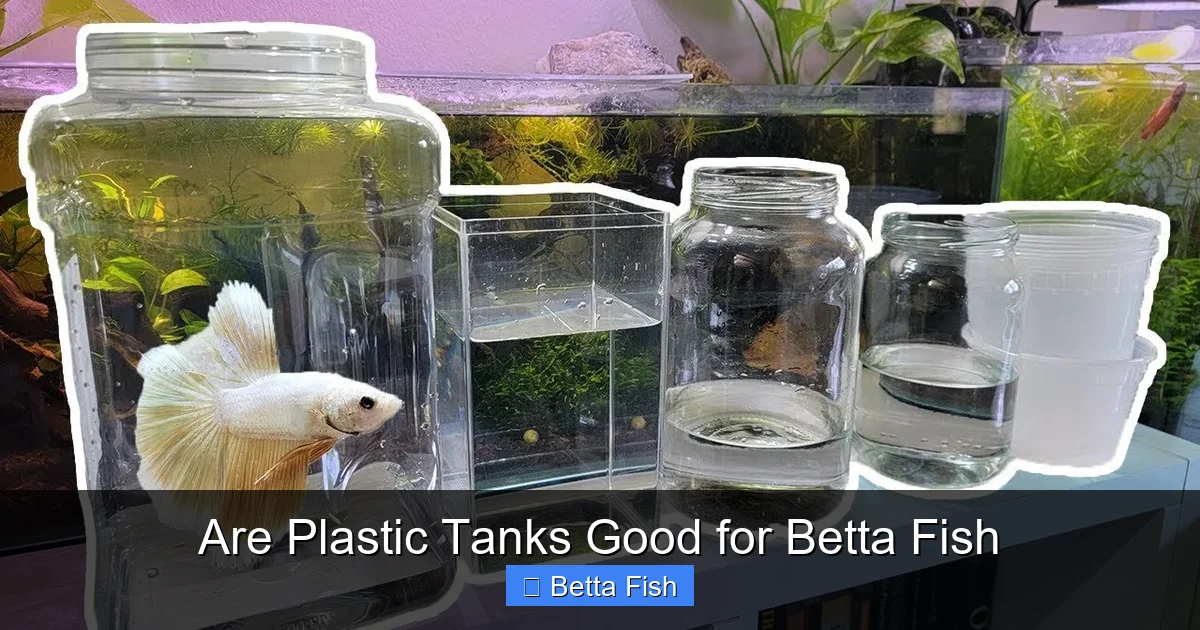
Visual guide about Are Plastic Tanks Good for Betta Fish
Image source: i.ytimg.com
For a deeper dive into size guidelines, see our article on what is a good size tank for a betta fish.
2.2 How to calculate space for decorations and plants
Leave at least 1 inch of free water surface per inch of fish length. For a typical 2‑inch male betta, a 5‑gallon tank gives plenty of breathing room. Subtract the volume taken up by rocks, driftwood, and live plants—usually about 10‑15% of the total water volume.
3. Setting Up a Plastic Tank for Success
3.1 Preparing the interior
Before adding water, rinse the tank with warm water only—no soap. Soap residues can be toxic. If the interior has scratches, sand them lightly with fine‑grade aquarium polish to avoid algae buildup.
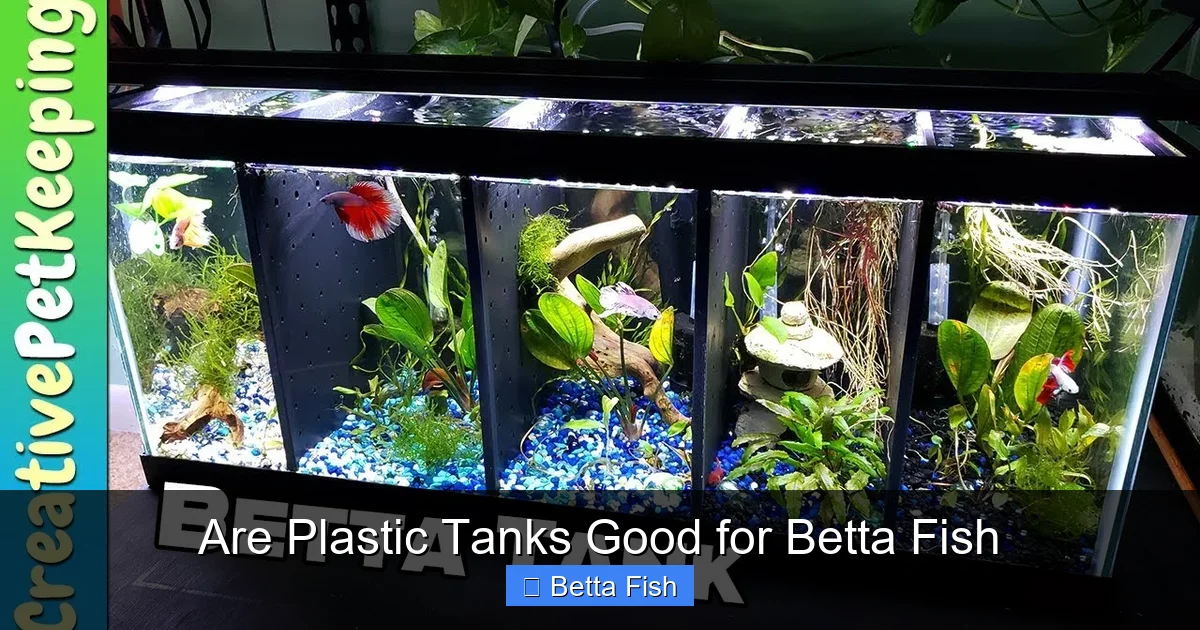
Visual guide about Are Plastic Tanks Good for Betta Fish
Image source: i.ytimg.com
3.2 Choosing the right substrate
Fine sand or smooth gravel works well. Avoid sharp-edged substrates that could tear delicate betta fins. A thin layer (about 1 cm) is enough; too much substrate can trap debris.
3.3 Adding live plants
Live plants improve water quality, provide hiding spots, and mimic the betta’s natural habitat. Hardy options like Java fern, Anubias, and Marimo moss balls are ideal for beginners.
Learn more about plant choices in our guide which live plants are good for betta fish.
3.4 Filtration and heating
Plastic tanks lose heat faster than glass, so a reliable heater (maintaining 76‑82 °F) is essential. Choose a low‑flow sponge filter; bettas prefer calm water and strong currents can stress them.
3.5 Water parameters
Use conditioned tap water or a mix of distilled and filtered water to keep chlorine and heavy metals out. Aim for a pH of 6.5‑7.5 and a gentle hardness (KH 3‑5). For detailed guidance, read what water to use for betta fish.
4. Pros and Cons of Plastic Tanks Compared to Glass
4.1 Advantages
- Weight: A 5‑gallon plastic tank weighs roughly 10 lbs, versus 30‑40 lbs for glass—making it easier to move.
- Cost: Plastic is typically 30‑50% cheaper, a big plus for first‑time owners.
- Impact resistance: Plastic won’t shatter if dropped, reducing the risk of injury.
4.2 Disadvantages
- Heat retention: Plastic conducts heat, so temperature swings are more common.
- Potential for scratches: Over time, scratches can harbor bacteria.
- Longevity: High‑quality plastic can last 5‑7 years; cheaper versions may degrade sooner.
5. Maintenance Tips to Keep Your Plastic Tank Healthy
5.1 Weekly water changes
Swap out 25‑30% of the water each week. Use a siphon to remove debris from the substrate and gently scrub the glass‑like interior with an algae pad.
5.2 Monitoring for chemical leaching
After the first month, test water for ammonia, nitrite, and nitrate. Unexpected spikes may indicate plastic degradation. If you notice persistent cloudiness or a plastic odor, consider upgrading to a glass tank.
5.3 Cleaning decorations
Rinse plants and ornaments in tank water (not tap water) to preserve beneficial bacteria. Replace any items that become sharp or broken.
5.4 Inspecting the tank’s integrity
Every few months, press gently on the sides. Any flexing, cracking sounds, or visible warping means the tank is nearing the end of its safe life.
6. When to Choose Glass Over Plastic
If you plan a long‑term betta setup with elaborate aquascaping, a larger volume (10+ gallons), or you live in a climate with significant temperature fluctuations, glass may be the better investment. Glass retains heat better, is virtually scratch‑free, and offers crystal‑clear viewing for detailed décor.
However, for a starter tank, a dorm room, or a rental apartment where weight and cost are concerns, a high‑quality plastic tank can be perfectly adequate—provided you follow the guidelines above.
Conclusion: Making the Best Choice for Your Betta
So, are plastic tanks good for betta fish? The short answer: yes, they can be, as long as you select a sturdy, non‑toxic model, give your fish enough space, and maintain stable water conditions. Think of the tank as the foundation of a happy home—pick the right material, size it correctly, and treat it with care, and your betta will reward you with vibrant colors and lively behavior for years to come.
Remember, the ultimate goal is a stress‑free environment where your betta can flourish. Whether you opt for plastic or glass, the principles of proper sizing, heating, filtration, and regular maintenance remain the same. Happy fishkeeping!
Frequently Asked Questions
Are plastic tanks safe for betta fish?
Yes, if the tank is made from high‑quality, food‑grade plastic and is at least 5 gallons. Low‑grade plastics can leach chemicals, so choose reputable brands.
How often should I change the water in a plastic betta tank?
Perform a 25‑30% water change weekly. This helps control ammonia and keeps the water clear, especially since plastic tanks can lose heat quickly.
Do I need a heater with a plastic tank?
Absolutely. Plastic conducts temperature more readily than glass, so a reliable heater set between 76‑82 °F is essential for betta health.
Can I use live plants in a plastic tank?
Yes. Hardy plants like Java fern, Anubias, and Marimo work well and improve water quality. Just be sure the tank’s interior is smooth to avoid plant root damage.
What is the minimum tank size for a betta?
The recommended minimum is 5 gallons (≈19 L). Smaller containers increase stress and limit water stability, leading to health problems.
How long do plastic tanks typically last?
High‑quality plastic tanks can last 5‑7 years with proper care. Cheaper models may start to crack or become cloudy sooner, indicating it’s time to upgrade.