Are Snails Good for Betta Fish Tanks
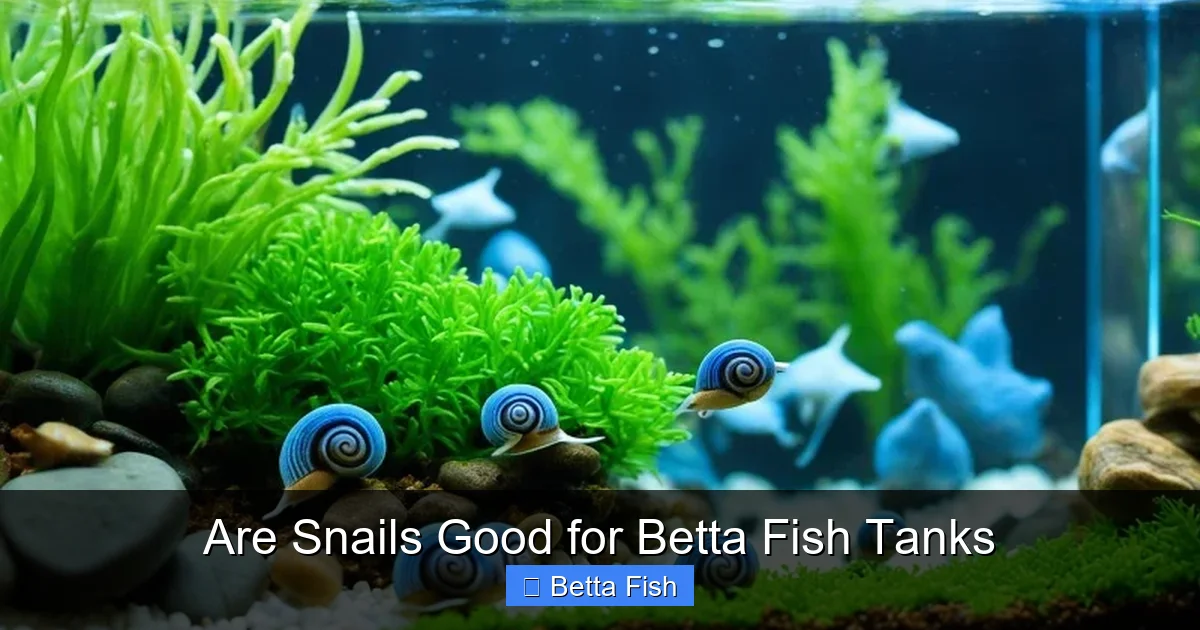
Snails can be a helpful addition to betta fish tanks when chosen wisely. They aid in algae control, waste breakdown, and add visual interest, but only certain species are safe for your finned friend. Follow our guide to keep both betta and snails happy and healthy.
Key Takeaways
- Benefit: Snails help clean excess algae and consume leftover food, improving water quality.
- Risk: Some snail species may become too large or carry parasites that can stress bettas.
- Compatibility: Most peaceful snails coexist well, but avoid aggressive or fast‑moving varieties.
- Tank Size: A minimum 5‑gallon tank gives enough room for a betta and a few snails.
- Maintenance: Regular water changes and monitoring snail population prevent over‑growth.
- Feeding: Provide supplemental algae wafers if natural food sources are scarce.
- Observation: Watch for signs of stress in both betta and snails; intervene early.
📑 Table of Contents
Introduction: Why the Question Matters
Betta fish are beloved for their vivid colors and lively personalities, but many hobbyists wonder if adding snails will enhance or harm their mini‑ecosystem. The short answer is: it depends. Snails can be tiny cleaning crews, yet they also bring challenges that a beginner might overlook. In this article we’ll explore the pros and cons, the best snail species, tank setup tips, and how to keep everything balanced.
Think of your betta’s tank as a small garden. The betta is the showy flower, while snails act like beneficial insects that eat pests and help decompose organic matter. When the garden is well‑planned, both thrive. When it’s crowded or mismatched, the flower can wilt. Let’s dig into the details so you can decide whether snails are good for betta fish tanks in your home.
1. The Role of Snails in a Betta Tank
Natural Clean‑Up Crew
Snails are excellent at munching on leftover food, dead plant matter, and soft algae. By doing so, they reduce the amount of waste that would otherwise break down into harmful ammonia. This “biological filtration” is especially helpful in smaller tanks where the nitrogen cycle can be fragile.
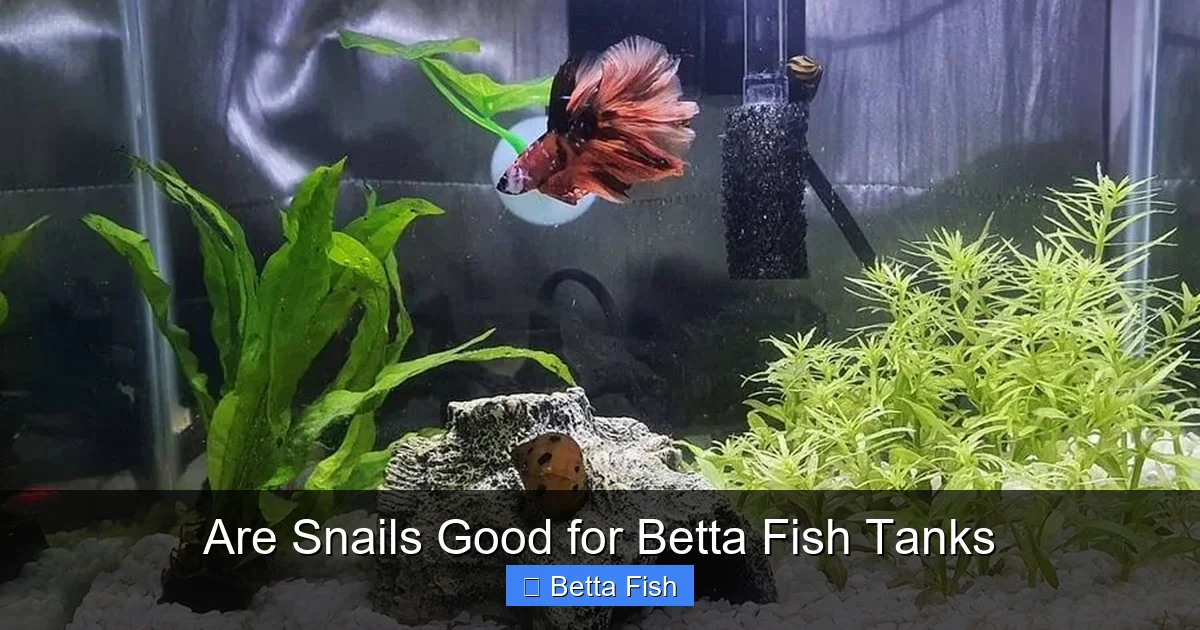
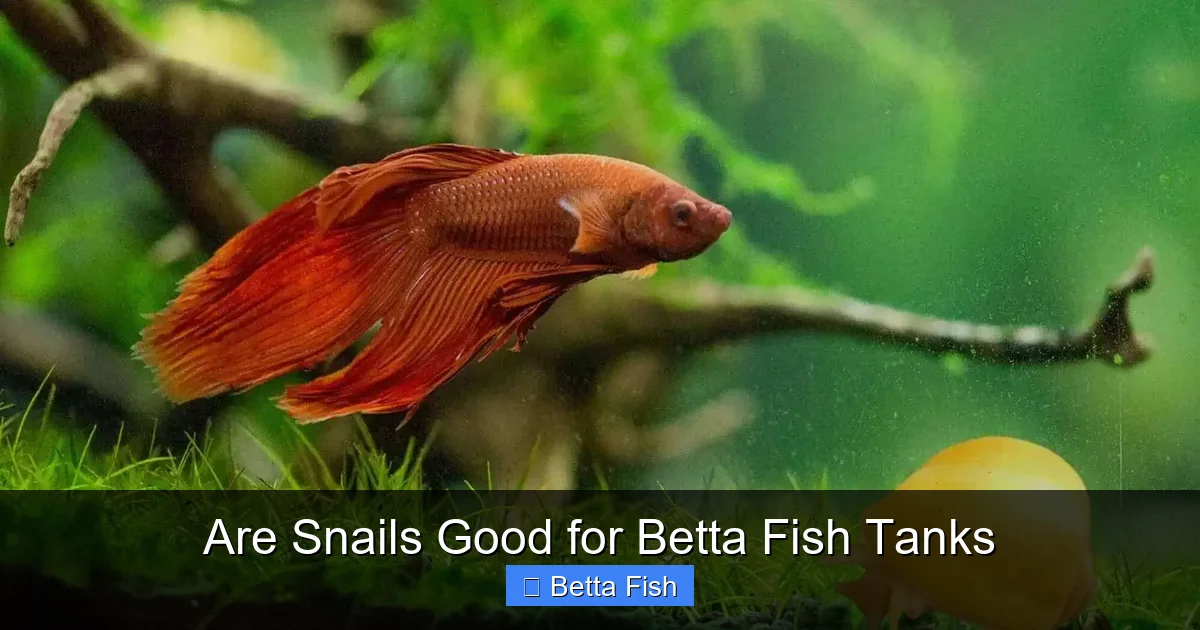
Visual guide about Are Snails Good for Betta Fish Tanks
Image source: ouraquariumlife.com
Algae Control
Many betta owners struggle with green film on glass and décor. Nerite and mystery snails graze on this film, keeping the tank looking clearer. While they won’t eliminate hard‑water algae, they certainly lower the workload for you.
Oxygenation and Water Flow
Snails constantly move across surfaces, stirring the water just enough to improve micro‑circulation. This tiny motion helps distribute oxygen, especially in tanks without strong filters.
2. Choosing the Right Snail Species
Best Betta‑Friendly Snails
- Nerite Snails: Small, hardy, and non‑reproductive in freshwater (they lay eggs that won’t hatch). Ideal for algae control.
- Mystery (Apple) Snails: Larger, attractive, and good at eating decaying plant matter. Keep one or two to avoid over‑population.
- Ramshorn Snails: Easy to care for but reproduce quickly; monitor numbers closely.
Snails to Avoid
Species like the Malaysian Trumpet Snail can burrow and destabilize substrate, while larger pond snails may outgrow a 5‑gallon tank and become a stress factor for a betta. Also, avoid any snail that carries parasites—always quarantine new arrivals.
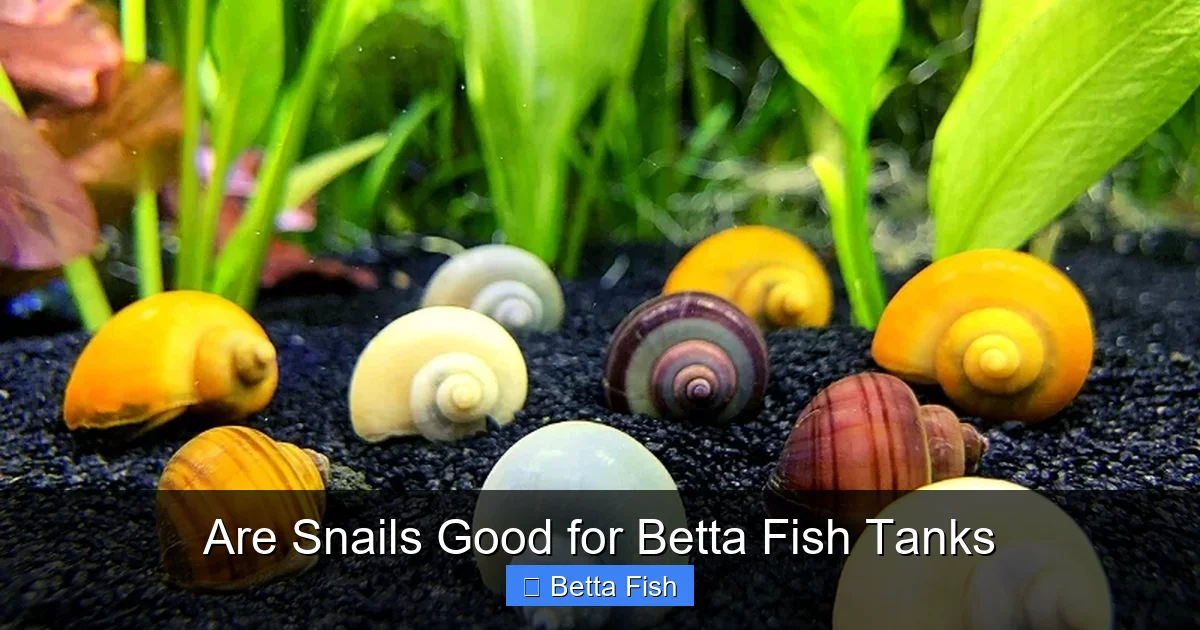
Visual guide about Are Snails Good for Betta Fish Tanks
Image source: infishtank.com
3. Compatibility: Will Betta Fish Eat Snails?
Betta fish are opportunistic feeders. In the wild they might nibble on small invertebrates, but most captive bettas leave larger snails alone. However, a curious betta may peck at a tiny snail’s foot, especially if it’s hungry. For peace of mind, read Will Betta Fish Eat Snails for detailed behavior patterns.
Visual guide about Are Snails Good for Betta Fish Tanks
Image source: bettasource.com
If you notice your betta harassing a snail, try offering a protein snack (bloodworm or brine shrimp) to satisfy its predatory instinct. Often the snail will be left alone once the betta’s appetite is met.
4. Tank Size and Setup Considerations
Minimum Volume
While you can keep a single betta in a 2‑gallon bowl, adding snails means you need more space. Aim for at least a 5‑gallon tank to provide swimming room for the betta and a substrate layer for snails. See What Is A Good Size Tank For A Betta Fish for guidelines.
Substrate and Hiding Places
Snails love smooth gravel or sand where they can glide. Add live plants, driftwood, or ceramic caves to give both betta and snails places to rest. Live plants also compete with algae, further reducing the snail’s workload.
Filtration and Flow
A gentle sponge filter works well. Too strong a current can stress a betta and dislodge snails from the glass. Adjust the flow to a low setting and observe how your fish reacts.
5. Feeding and Nutrition
What Snails Eat
Snails will graze on algae, uneaten flakes, and decaying plant material. To supplement, provide algae wafers or blanched zucchini slices a few times a week. This ensures they stay healthy and don’t compete aggressively with your betta for food.
Balancing the Diet
Feed your betta 2‑3 small meals daily. If you notice leftover food, reduce the portion or feed less often. Excess food fuels snail over‑growth and can lead to water quality issues.
6. Maintenance and Monitoring
Regular Water Changes
Even with snails cleaning up, a 20‑30% water change every week is essential. Use a water conditioner and match temperature to the tank’s current water to avoid shocking the betta.
Population Control
Some snails, like ramshorns, reproduce quickly. If you see a surge, remove excess snails manually or introduce a few loaches that eat snail eggs (only in larger tanks). Keep a log of snail numbers to spot trends.
Health Checks
Watch for shell erosion, unusual slime, or lethargy in snails—signs of poor water quality or disease. Likewise, monitor your betta for torn fins or pale coloration, which could indicate stress from overcrowding.
Conclusion: Making the Decision
So, are snails good for betta fish tanks? The answer is a qualified yes. When you select the right species, provide adequate space, and maintain diligent water care, snails become valuable allies that keep the tank cleaner and more interesting. They’re not a cure‑all, but they certainly add a layer of natural balance that many betta owners appreciate.
Start with one or two nerite snails in a 5‑gallon setup, watch how your betta reacts, and adjust as needed. With patience and observation, you’ll create a harmonious mini‑ecosystem where both betta and snails thrive.
Frequently Asked Questions
Can I keep more than one snail with my betta?
Yes, but limit the number to 2‑3 small snails in a 5‑gallon tank. Too many snails can over‑populate and increase waste.
Do snails need a separate diet?
Snails mostly eat algae and leftovers, but supplementing with algae wafers or blanched veggies once a week keeps them healthy.
Will my betta try to eat a snail?
Most adult bettas ignore larger snails, though a hungry betta might nip at a tiny snail’s foot. Offering extra protein can reduce this behavior.
How often should I clean the tank if I have snails?
Perform a 20‑30% water change weekly and spot‑clean any excess debris. Snails help, but regular maintenance is still crucial.
What should I do if a snail’s shell starts to crack?
Check water hardness and pH; soft water can weaken shells. Adjust parameters and consider adding calcium supplements.
Are there any snails that are harmful to bettas?
Avoid large pond snails and aggressive species like Malaysian Trumpet Snails, which can burrow and stress a betta.