Is Sand or Gravel Better for Fish Tanks
Is sand or gravel better for fish tanks? The answer depends on your fish species, tank setup, and maintenance preferences. Sand creates a natural look and suits bottom-dwellers, while gravel offers better water flow and is easier to clean. Choosing the right substrate impacts water quality, fish health, and the overall beauty of your aquarium.
Choosing the right floor covering for your aquarium is one of the most important decisions you will make as a fish keeper. Many beginners walk into a pet store and grab the first bag they see without thinking twice. But the truth is, is sand or gravel better for fish tanks is a question that deserves a real answer. The substrate you choose affects water chemistry, fish behavior, plant growth, and how easy your tank is to maintain.
This guide breaks down everything you need to know. We will look at the pros and cons of each option, compare them side by side, and help you pick the best choice for your specific setup. Whether you are keeping bettas, corydoras, or a community tank full of tropical fish, this article has you covered. Let us dive in and settle the sand vs gravel debate once and for all.
## Why Your Fish Tank Substrate Matters
The substrate is more than just decoration. It plays a real role in your aquarium’s ecosystem. Many people think of the tank floor as an afterthought, but it actually affects several important factors.
### The Role of Substrate in Aquarium Health
Your substrate provides a home for beneficial bacteria. These bacteria break down harmful waste like ammonia and nitrite. A proper fish tank substrate supports the biological filter that keeps your water safe. Without it, your tank can become unstable quickly.
Substrate also affects water flow. Fine materials like sand can compact over time, which may create dead spots where debris builds up. Gravel, on the other hand, allows water to circulate freely through the gaps between stones. This natural flow helps prevent anaerobic pockets from forming.
### How Substrate Affects Fish Behavior
Fish interact with their environment in meaningful ways. Some species spend most of their time at the bottom of the tank. They dig, sift, and forage through the substrate looking for food. Aquarium sand feels natural to these fish and lets them behave the way they would in the wild.
Other fish do not care much about the bottom at all. They swim in the middle or top of the tank. For these fish, the substrate choice is mostly about aesthetics. Understanding your fish’s natural habitat helps you make a better decision about what to put on the tank floor.
## Sand vs Gravel for Fish Tanks: The Full Comparison
Now let us get to the heart of the matter. Both sand and gravel have strengths and weaknesses. Here is a detailed look at each option.
### The Case for Sand
Sand creates a beautiful, natural-looking aquarium floor. It closely mimics the riverbeds and lake bottoms that many fish species come from. Is sand or gravel better for fish tanks when you have bottom-dwelling fish? In most cases, sand wins.
Fish like corydoras catfish, loaches, and certain types of catfish love to sift through sand. They use the substrate to find tiny food particles. Gravel can injure their delicate barbels and mouths during this natural behavior. Sand lets them do what comes naturally without harm.
Sand also works well with live plants that have shallow root systems. Plants like java moss and anubias can anchor themselves in sand quite effectively. The smooth surface of sand prevents root damage that sharp gravel edges might cause.
#### Pros of Sand
– Natural appearance that most fish species prefer
– Safe for bottom-dwelling fish with sensitive barbels
– Soft surface ideal for fish that like to dig
– Great for certain live plants with shallow roots
– Available in many colors and grain sizes
#### Cons of Sand
– Can compact over time, reducing water flow
– Requires more careful maintenance to avoid anaerobic pockets
– Not ideal for all plant types, especially those with deep roots
– Can trap debris on the surface if not stirred regularly
– Some types of sand can affect water pH
### The Case for Gravel
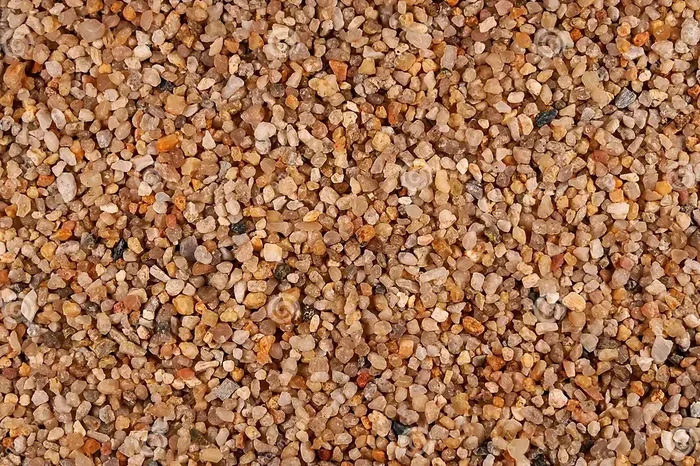
Gravel is the most popular substrate choice among aquarium hobbyists, and for good reason. It is versatile, easy to maintain, and works with a wide range of fish and plant species. If you are still asking is sand or gravel better for fish tanks, gravel is the safer default choice for most setups.
Gravel allows water to flow freely between the stones. This prevents waste from building up in stagnant pockets. The gaps between gravel pieces give beneficial bacteria plenty of surface area to colonize. This boosts your tank’s biological filtration naturally.
Gravel also comes in a huge variety of colors and sizes. You can match it to your fish, your plants, or your room decor. Many aquarium owners choose colored gravel to create a vibrant, eye-catching tank. Is gravel better for fish tanks when you want a low-maintenance setup? Absolutely.
#### Pros of Gravel
– Allows excellent water flow through the substrate
– Easy to clean with a standard gravel vacuum
– Provides plenty of surface area for beneficial bacteria
– Works well with most plant species, including deep-rooted ones
– Available in many colors, sizes, and shapes
– Generally more affordable and widely available
#### Cons of Gravel
– Sharp edges can harm bottom-dwelling fish
– Food and debris can get trapped between pieces
– May not look as natural as sand in some setups
– Larger gravel pieces can make planting difficult
– Some fish may accidentally ingest small gravel stones
### Head-to-Head Comparison
Here is a quick comparison table to help you visualize the differences.
| Feature | Sand | Gravel |
|---|---|---|
| Natural Look | High | Medium |
| Safe for Bottom-Dwellers | Excellent | Poor |
| Water Flow | Low | High |
| Ease of Cleaning | Moderate | Easy |
| Plant Compatibility | Good for shallow roots | Good for all root depths |
| Cost | Low to Medium | Low |
| Maintenance Level | Higher | Lower |
## Which Substrate Is Best for Different Fish Species
The best substrate depends heavily on the fish you keep. Different species have different needs. Let us look at some common scenarios.
### Best Substrate for Betta Fish
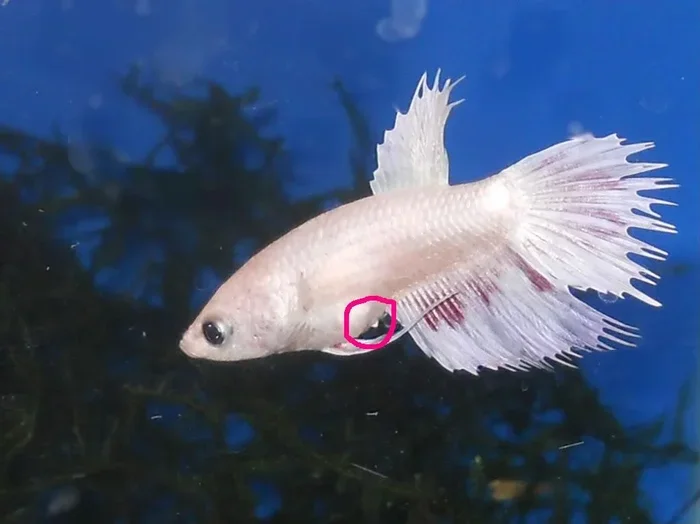
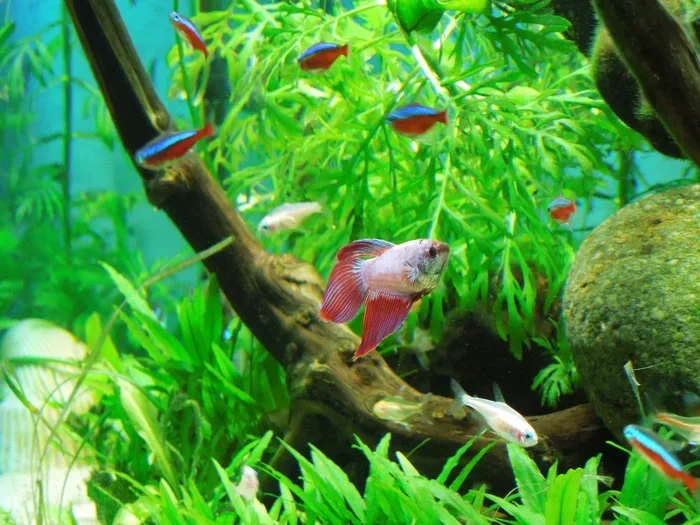
Betta fish are popular pets, and many people wonder about the right tank base for them. Bettas are not bottom-dwellers, so they do not spend much time at the tank floor. Aquarium gravel works fine for bettas. However, if you plan to add live plants, fine sand can make planting easier and look more natural.
Betta fish also enjoy gentle environments. Sharp gravel edges are not a concern for them since they swim mostly in the middle and upper parts of the tank. Choose a substrate based on your plant choices and overall tank design.
### Best Substrate for Corydoras and Bottom-Dwellers
Corydoras catfish are some of the most popular community fish. They spend hours each day scavenging along the bottom. These fish need a soft substrate to protect their sensitive barbels and mouths.
Aquarium sand is the clear winner here. Sharp gravel can cause injuries and infections on their delicate faces. Many experienced fish keepers recommend fine-grained sand specifically for corydoras tanks. If you keep these fish, do not even consider gravel.
### Best Substrate for Planted Tanks
Planted tanks require more thought when choosing a substrate. Plants need something to anchor their roots into. The choice between sand and gravel depends on the type of plants you want to grow.
For plants with shallow root systems like java fern and anubias, sand works perfectly. For plants with deep roots like Amazon sword plants, gravel or a specialized planted substrate works better. Many aquarists use a combination of nutrient-rich soil covered with sand or gravel for the best of both worlds.
## How to Choose the Right Tank Base Material
Making the right choice comes down to a few key factors. Ask yourself these questions before you buy anything.
### Consider Your Fish First
What fish are you keeping? This is the single most important factor. If you have bottom-dwelling fish, go with sand. If you have mostly mid-level swimmers, gravel gives you more flexibility.
Think about where your fish come from in the wild. Fish from sandy riverbeds will feel more comfortable in sand. Fish from rocky lakes will do fine with gravel. Matching the substrate to their natural habitat reduces stress and promotes healthy behavior.
### Think About Your Plants
Do you have live plants in your tank? What kind? These questions matter a lot. Some plants need a deeper, coarser substrate to anchor properly. Others do just fine in a thin layer of sand.
If you are growing a heavily planted tank, consider a nutrient-rich base layer under your sand or gravel. This provides essential minerals that plants need to thrive. Without proper nutrition, even the best substrate will not support lush plant growth.
### Evaluate Your Maintenance Routine
How often do you clean your tank? If you prefer a low-maintenance setup, gravel is the better choice. It is much easier to vacuum and keep clean. Sand requires more careful maintenance to prevent compaction and debris buildup.
If you do not mind spending a few extra minutes during each water change, sand can work beautifully. The key is to use a gentle siphon that does not disturb the sand too much. Many fish keepers use a turkey baster or a thin gravel vacuum to clean sand without sucking it up.
## Maintenance Tips for Sand and Gravel Substrates
No matter which substrate you choose, regular maintenance is essential. A clean substrate keeps your fish healthy and your water clear.
### Cleaning Sand
Cleaning sand takes a little more patience than cleaning gravel. The fine particles can clog standard vacuum tubes. Use a narrow siphon or a gravel vacuum designed specifically for sand. Go slowly and gently to avoid stirring up too much debris.
Every few weeks, use a clean fork or spoon to gently stir the top layer of sand. This helps release trapped gases and prevents anaerobic pockets from forming. You do not need to dig deep. Just disturb the surface slightly.
### Cleaning Gravel
Gravel is much easier to clean. A standard gravel vacuum works great for removing debris from between the stones. Simply push the vacuum into the substrate and let it suck up loose waste. The larger gaps between gravel pieces make this process quick and efficient.
During each water change, vacuum about 25-30% of the gravel surface. Focus on areas where food tends to accumulate, such as near feeding spots and decorations. Regular vacuuming keeps your gravel looking clean and your water parameters stable.
### When to Replace Your Substrate
Neither sand nor gravel needs frequent replacement. Both materials can last for years with proper care. However, you should replace your substrate if you notice any of these signs:
– The substrate has become compacted and hard
– You see persistent algae growth that does not respond to cleaning
– The substrate has changed color or developed an unpleasant odor
– You are switching to a different type of fish that requires a different substrate
## Final Verdict: Sand or Gravel for Your Fish Tank
So, is sand or gravel better for fish tanks? The honest answer is that both have their place. There is no single winner. The best choice depends entirely on your specific setup, your fish, and your personal preferences.
If you keep bottom-dwelling fish or want a natural, riverbed-style look, go with sand. If you prefer low maintenance, have a variety of plants, or keep fish that swim in the upper and middle levels, gravel is the way to go. Many experienced aquarists even use a combination of both in the same tank.
Whatever you choose, make sure you set it up properly and maintain it regularly. A well-maintained substrate, whether sand or gravel, creates a healthy and beautiful environment for your fish. Take your time, do your research, and your tank will thank you.
Key Takeaways
- Sand looks natural: It mimics a riverbed and works great for fish that like to dig or sift through the substrate.
- Gravel is practical: It allows water to flow through easily, reducing waste buildup and making tank maintenance simpler.
- Fish species matter: Bottom-dwellers like corydoras and loaches do better with sand, while most tropical fish thrive on gravel.
- Both need proper cleaning: Regular maintenance keeps either substrate healthy and your tank looking great.
- Consider your setup: Live plants, filtration type, and tank size all influence which substrate works best.
- Cost and availability: Gravel is generally cheaper and easier to find at pet stores like Petco or Petsmart.
Frequently Asked Questions
Can I mix sand and gravel in the same fish tank?
Yes, you can mix sand and gravel, and many aquarists do. Use sand in areas where bottom-dwelling fish roam and gravel in areas with heavy plant growth. Just make sure the transition between the two looks natural and does not create pockets where debris can trap.
Is sand safe for all types of fish?
Most fish do well with sand, but it is especially beneficial for species that like to dig or sift through the substrate. Fish with sensitive barbels, like corydoras and loaches, should always have sand rather than gravel to prevent injuries to their mouths and whiskers.
How deep should my substrate be in a fish tank?
A general rule is 1 to 2 inches of substrate. For planted tanks with deep-rooted plants, you may need 3 inches or more. Sand should be at least 2 inches deep to prevent compaction issues. Gravel works well at about 1.5 to 2 inches deep.
Does substrate color affect fish behavior?
Yes, substrate color can influence how fish behave. Dark substrates make fish feel more secure and display their colors better. Light substrates can make fish feel exposed and stressed. Natural colors like tan and brown tend to work well for most community tanks.
Can I use beach sand in my fish tank?
No, you should not use beach sand. It contains salt, organic matter, and potentially harmful bacteria that can upset your tank’s water chemistry. Always use aquarium-grade sand that has been washed and treated specifically for fish tanks.
How often should I clean my fish tank substrate?
You should vacuum your substrate during each water change, which is typically every 1 to 2 weeks. For sand, be gentle and avoid stirring too deeply. For gravel, a standard vacuum works well and takes just a few minutes per session.