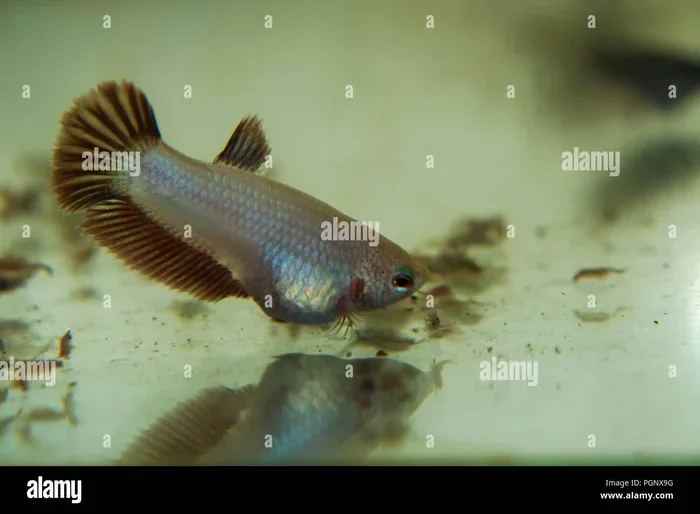
Are Male Betta Fish Fresh Water or Salt Water

Male betta fish are true freshwater species. They thrive best in clean, slightly acidic water without any added salt, though a tiny pinch of marine salt can help with stress and disease prevention. Understanding their natural habitat helps you create the perfect tank environment.
Key Takeaways
- Freshwater natives: Male bettas come from Southeast Asian rivers and rice paddies, not the ocean.
- Low‑level salt optional: A small amount of marine salt can aid health, but it’s not required.
- Water parameters matter: Keep temperature 76‑82°F, pH 6.5‑7.5, and soft to medium hardness.
- Aggression linked to habitat: Proper space and water quality reduce fighting in males.
- Regular maintenance: Weekly water changes and monitoring keep the environment stable.
- Tank mates: Choose peaceful species that tolerate similar water conditions.
- Know the signs: Cloudy water, faded colors, or frayed fins signal water‑quality issues.
📑 Table of Contents
- Introduction: Setting the Scene
- 1. The Natural Habitat of Male Betta Fish
- 2. Common Misconceptions About Adding Salt
- 3. Setting Up the Perfect Freshwater Home
- 4. The Role of Salt in Disease Prevention
- 5. Aggression, Territory, and the Freshwater Setting
- 6. Maintenance Routine for a Healthy Freshwater Betta
- Conclusion: Freshwater Is the Way Forward
Introduction: Setting the Scene
If you’ve ever stared at a dazzling male betta, fins spread like a living rainbow, you’ve probably wondered where that beauty belongs. The question “are male betta fish fresh water or salt water?” pops up in forums, pet stores, and even hobbyist blogs. The short answer is simple: they are freshwater fish. But the story behind that answer is richer than a single word.
Male bettas (Betta splendens) evolved in the shallow, slow‑moving waters of Thailand, Cambodia, and Vietnam. Their natural homes were rice paddies, flood‑plain pools, and sluggish streams—places that are warm, slightly acidic, and low in minerals. Understanding this origin helps you replicate the perfect aquarium, keep the fish healthy, and avoid common pitfalls like over‑salting or inappropriate tank mates.
1. The Natural Habitat of Male Betta Fish
Where They Come From
In the wild, male bettas live in water that is:

Visual guide about Are Male Betta Fish Fresh Water or Salt Water
Image source: i.pinimg.com
- Freshwater: No ocean influence, just rain‑filled ponds and irrigation channels.
- Warm: Surface temperatures hover between 75°F and 82°F (24°C‑28°C).
- Soft and slightly acidic: pH ranges from 6.0 to 7.0, with low general hardness (GH 3‑6 dGH).
This environment shapes their physiology. Their gills, kidneys, and osmoregulatory system are built to retain salts, not excrete them like marine fish. That’s why they thrive best in fresh water.
Why Freshwater?
Betta fish belong to the family Osphronemidae, a group of freshwater labyrinth fish. The “labyrinth” organ lets them gulp air from the surface, an adaptation for low‑oxygen habitats. In salt water, the osmotic balance would be reversed, causing the fish to lose water rapidly and become dehydrated—a lethal situation.
2. Common Misconceptions About Adding Salt
Is Salt Ever Helpful?
Many hobbyists add “marine salt” to betta tanks, believing it mimics a natural environment. While bettas are not saltwater fish, a tiny pinch of salt (about ¼ teaspoon per 5 gallons) can be beneficial during:
- Stressful events (transport, new tank set‑up).
- Early stages of a bacterial infection.
- Water that is slightly hard or alkaline, as the salt helps stabilize ions.
Remember, this is a *treatment* measure, not a daily routine. Over‑salting can damage the delicate skin and fins, leading to “salt burn.”
When Not to Use Salt
Do not add salt if you keep:
- Live plants that are sensitive to salinity.
- Invertebrates like shrimp or snails, which cannot tolerate even low salt levels.
- A breeding pair trying to spawn, as eggs and fry are very sensitive to salt.
3. Setting Up the Perfect Freshwater Home
Choosing the Right Tank
Even though bettas can live in small bowls, a minimum of 5 gallons is recommended for a male. This provides enough water volume to dilute waste and maintain stable parameters.
Water Parameters to Aim For
| Parameter | Ideal Range |
|---|---|
| Temperature | 76‑82°F (24‑28°C) |
| pH | 6.5‑7.5 |
| GH | 3‑6 dGH (soft to medium) |
| KH | 1‑3 dKH (low carbonate hardness) |
For detailed guidance on water chemistry, see our article on what water to use for betta fish.
Filtration and Aeration
A gentle sponge filter works well. It provides biological filtration without creating strong currents that stress a male’s delicate fins. Remember, bettas can breathe air, so a strong water flow isn’t necessary.
Substrate and Decor
Live plants like Java fern, Anubias, and Marimo moss not only look great but also help absorb nitrates. Add smooth rocks or driftwood for hiding spots, but avoid sharp edges that can tear fins.
4. The Role of Salt in Disease Prevention
Common Health Issues
Male bettas may develop fin rot, velvet, or ich. These are often linked to poor water quality. Adding a small amount of non‑iodized marine salt during an outbreak can:
- Reduce osmotic stress on cells.
- Help the fish’s immune response.
- Make the water less hospitable to parasites.
Use the salt only for the duration of treatment (usually 5‑7 days) and monitor the fish closely.
How to Dose Correctly
Mix the pinch of salt in a separate container of tank water before adding it to the aquarium. This prevents undissolved granules from settling on the fish’s skin.
5. Aggression, Territory, and the Freshwater Setting
Why Male Bettas Fight
Male bettas are highly territorial. In the wild, they defend a small “bubble nest” area. In an aquarium, cramped space or poor water quality can trigger constant flaring and nipping. Understanding that they are freshwater fish helps you provide enough space and stable conditions to reduce aggression.
Read more about the reasons behind male aggression in our guide on why are male betta fish so aggressive.
Keeping Males Separate
Unless you have a very large, heavily planted tank with visual barriers, it’s safest to keep male bettas alone. If you must house two, use a 20‑gallon divided tank with at least 10 gallons per side and plenty of plants.
For a deeper dive into why they are kept apart, check out why are male betta fish kept separate.
Choosing Tank Mates
If you want companions, choose peaceful species that share the same freshwater parameters, such as:
- Harlequin Rasboras
- Neon Tetras (in groups of 6+)
- Snails (if you avoid salt)
Avoid other labyrinth fish, loaches, or any fin‑nipping species.
6. Maintenance Routine for a Healthy Freshwater Betta
Weekly Water Changes
Replace 25‑30% of the water each week with pre‑conditioned, temperature‑matched water. This removes nitrates and keeps pH stable.
Monitoring Parameters
Test kits for ammonia, nitrite, nitrate, and pH are essential. Keep ammonia and nitrite at 0 ppm, nitrate below 20 ppm.
Feeding Practices
Feed high‑quality betta pellets or frozen/brine shrimp twice daily, offering only what they can consume in 2‑3 minutes. Overfeeding spikes ammonia levels.
Conclusion: Freshwater Is the Way Forward
Answering the question “are male betta fish fresh water or salt water?” with confidence means recognizing their natural freshwater origins and providing a tank that mirrors those conditions. While a pinch of salt can be a useful tool in emergencies, the backbone of a thriving male betta is clean, warm, slightly acidic freshwater with stable parameters.
By respecting their habitat, controlling aggression with proper space, and maintaining diligent water care, you’ll enjoy the spectacular colors and graceful dances of a healthy male betta for years to come.
Frequently Asked Questions
Are male betta fish true freshwater fish?
Yes. Male bettas originate from Southeast Asian freshwater habitats such as rice paddies and slow‑moving streams.
Can I keep a male betta in a saltwater tank?
No. Saltwater would cause severe osmotic stress and likely kill the fish within hours.
Do I need to add any salt to my male betta’s water?
Only a tiny pinch of marine salt is sometimes used during illness or high stress, but it is not required for regular care.
What temperature should I maintain for a male betta?
Keep the water between 76°F and 82°F (24°C‑28°C) for optimal health and vibrant coloration.
Why do male bettas fight so much?
They are territorial by nature. Providing enough space, proper filtration, and stable water conditions helps reduce aggression.
Can male bettas live with other fish?
Yes, if the tank is large enough and the tank mates are peaceful, share the same freshwater parameters, and are not fin‑nippers.