Are Dwarf Gouramis Compatible with Betta Fish

Wondering if dwarf gouramis and betta fish can share a tank? While they can coexist under the right conditions, temperament, tank size, and décor are key. Follow our guide to create a harmonious home for both species.
Key Takeaways
- Temperament matters: Both species can be semi‑aggressive, so watch for bullying.
- Tank size is crucial: A minimum of 20 gallons gives enough space to establish territories.
- Plenty of hiding spots: Live plants, caves, and driftwood reduce stress for both fish.
- Choose the right betta: Female or calm males are better companions for gouramis.
- Monitor water parameters: Both fish thrive in similar pH, temperature, and hardness ranges.
- Introduce slowly: Use a quarantine or breeder tank to let them get used to each other’s scent.
- Have a backup plan: Be ready to separate them if aggression escalates.
📑 Table of Contents
- Introduction: The Appeal of a Mixed Community
- Understanding the Two Species
- Do Their Requirements Overlap?
- Setting Up a Successful Community Tank
- Potential Challenges and How to Solve Them
- Real‑World Examples: Success Stories and Cautionary Tales
- When to Say “No”: Situations Where Compatibility Fails
- Conclusion: Making an Informed Decision
Introduction: The Appeal of a Mixed Community
If you love the vivid colors of a betta and the graceful, bubble‑like dance of a dwarf gourami, you might imagine a stunning aquarium where they swim side by side. Both fish are popular for beginners because they’re relatively hardy and don’t demand overly complex equipment. However, the question “are dwarf gouramis compatible with betta fish?” isn’t a simple yes or no. It hinges on personality, environment, and how you manage introductions.
In this guide we’ll break down the biology of each species, compare their needs, and give you step‑by‑step tips to create a peaceful tank. By the end you’ll know exactly when to pair them, how to set up the aquarium, and what warning signs to watch for.
Understanding the Two Species
Betta Fish Basics
Betta fish (Betta splendens) are native to shallow rice paddies and slow‑moving waters of Southeast Asia. They are famous for their spectacular fins and aggressive territorial nature, especially males. Bettas prefer warm water (76‑82°F / 24‑28°C), slightly acidic to neutral pH (6.5‑7.5), and soft to medium hardness.
Despite their reputation, many bettas can coexist with other peaceful fish when given enough space and visual barriers. For more ideas on compatible tank mates, see What Fish Are Compatible With Betta Fish.
Dwarf Gourami Essentials
Dwarf gouramis (Trichogaster lalius) hail from slow‑moving streams and rice paddies in India and Bangladesh. They are smaller than the popular pearl gourami, reaching about 2 inches (5 cm) in length. Their temperament is generally peaceful, but males can become territorial during breeding.
Gouramis thrive in water temperatures of 75‑80°F (24‑27°C), pH 6.0‑7.5, and like a slightly softer water profile. They love densely planted tanks that mimic their natural habitat, using their “labyrinth” organ to gulp air from the surface.
Do Their Requirements Overlap?
Temperature and pH Compatibility
Both bettas and dwarf gouramis enjoy warm water in the mid‑70s Fahrenheit, making temperature a non‑issue. Aim for 78°F (25.5°C) as a happy middle ground. The pH range also overlaps nicely; keeping the tank at 6.8‑7.2 satisfies both.

Visual guide about Are Dwarf Gouramis Compatible with Betta Fish
Image source: javhd.pics
Tank Size and Layout
The biggest factor is space. Bettas need a territory they can defend, while gouramis like to roam among plants. A 20‑gallon (75 L) long tank provides enough horizontal room for both fish to establish separate zones. Use a divider or a dense planting scheme to create visual barriers.
Dietary Needs
Both species are omnivorous. High‑quality betta pellets, frozen or live daphnia, and occasional brine shrimp work well for both. Feed small amounts 2‑3 times a day, removing any uneaten food to keep water quality high.
Setting Up a Successful Community Tank
Choosing the Right Betta
Male bettas are the most aggressive, so a calm or female betta is the safest bet. Look for a betta with a short, rounded tail rather than long, flowing fins, as the latter can attract more aggression from a curious gourami.
Creating Natural Boundaries
- Live plants: Java fern, Anubias, and Amazon swords create thick foliage.
- Hardscape: Driftwood, smooth rocks, and ceramic caves give hiding spots.
- Background décor: Use dark backdrops to reduce reflections that can trigger territorial displays.
Filtration and Flow
A gentle filter (e.g., sponge or low‑flow hang‑on‑back) keeps the water clean without creating strong currents that both species dislike. Aim for 2–3 water changes per week to maintain pristine conditions.
Introducing the Fish
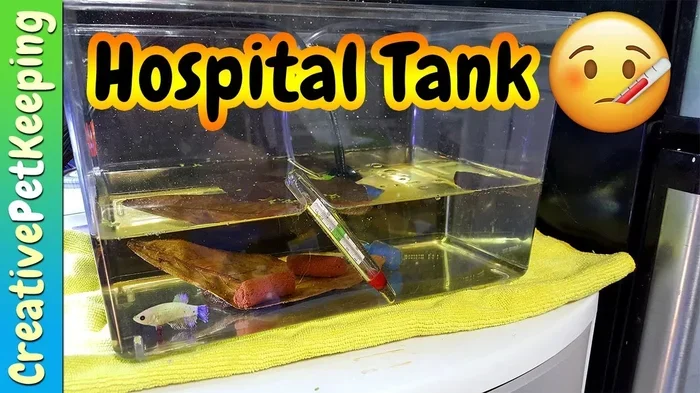
- Quarantine: Keep new fish in a separate hospital tank for at least two weeks.
- Acclimation: Float the bag in the tank for 30 minutes, then slowly add tank water.
- Side‑by‑side introduction: Use a clear divider for the first 48 hours so they can see each other without contact.
- Observe: Look for flaring, nipping, or excessive hiding. If tension rises, increase hiding spots or consider separate tanks.
Potential Challenges and How to Solve Them
Fin Nipping and Aggression
Bettas are notorious fin nippers, especially if the gourami’s fins are long and flowing. Trim the gourami’s fins slightly (using aquarium scissors) if you notice repeated nipping. Providing tall plants can also hide the fins from view.
Territorial Disputes
Both fish may claim the same surface area for bubble‑nesting or breathing. Ensure the tank has multiple surface zones by adding floating plants like duckweed or water lettuce.
Water Quality Issues
Over‑feeding or a small tank can cause ammonia spikes, leading to stress and aggression. Test water weekly and keep nitrate below 20 ppm. For more tips on tank mates, read What Other Fish Can Live With Betta Fish.
Health Concerns
If one fish appears lethargic, has torn fins, or shows signs of disease, isolate it immediately. Common ailments include ich, velvet, and fin rot, which spread quickly in a stressed community.
Real‑World Examples: Success Stories and Cautionary Tales
Success Story: The Peaceful Pair
Sarah, a hobbyist from Texas, kept a female betta and a male dwarf gourami together for 18 months. She used a 25‑gallon tank, planted densely, and added a few floating leaf plants. By feeding both species at opposite ends of the tank, she minimized competition. The fish displayed occasional curiosity but never fought, and both thrived with vibrant colors.
Cautionary Tale: The Aggressive Male
Mike tried to house a bright “multicolor” male betta with two dwarf gouramis in a 15‑gallon tank. Within a week, the betta flared constantly and nipped at the gouramis’ fins, causing severe damage. Mike learned the hard way that tank size and betta temperament are critical factors. He later moved the betta to a separate tank and kept the gouramis together, where they flourished.
When to Say “No”: Situations Where Compatibility Fails
Even with perfect setup, some pairings simply don’t work. Consider separating the fish if you notice:
- Continuous flaring and chasing for more than 30 minutes.
- Visible fin damage after 48 hours of cohabitation.
- One fish refuses to eat or hides constantly.
- Water parameters deteriorate despite regular maintenance.
In such cases, having a backup tank or a second aquarium ready will save both fish from unnecessary stress.
Conclusion: Making an Informed Decision
So, are dwarf gouramis compatible with betta fish? The answer is yes—provided you choose the right betta, give them ample space, and create a well‑planted environment with plenty of hiding spots. Their overlapping temperature and pH needs make them natural tank‑mates, but temperament is the deciding factor. By following the setup steps, monitoring behavior, and being ready to intervene, you can enjoy a colorful, dynamic community that showcases the best of both species.
Remember, every fish is an individual. What works for one tank may not work for another, so keep a close eye on your aquatic friends and adjust as needed. Happy fish‑keeping!
Frequently Asked Questions
Can dwarf gouramis live with male bettas?
It’s possible, but riskier. Male bettas are more territorial. If you try, use a large tank (20+ gallons) and provide many visual barriers.
Do dwarf gouramis need a larger tank than bettas?
Yes. Gouramis enjoy swimming in the mid‑water and appreciate plants, so a 20‑gallon tank is ideal for a mixed setup.
What should I feed a community of betta and dwarf gourami?
High‑quality betta pellets, frozen daphnia, and occasional brine shrimp work well for both. Feed small portions twice daily.
How long should I observe the fish after introduction?
Watch closely for the first 48–72 hours. If aggression persists beyond that, consider separating them.
Can I keep other fish with a betta and dwarf gourami?
Yes, small peaceful species like neon tetras or rasboras can work, but always keep total bioload and space in mind.
Is it better to keep a female betta with a dwarf gourami?
Generally, a calm female betta is less aggressive than a male, making her a safer companion for a dwarf gourami.