Are Dimmers Better for Fish

Using dimmers can create a more natural day‑night cycle, reduce stress, and highlight your Betta’s colors. However, not all lighting setups benefit from dimming, and the wrong type of dimmer may cause flicker or heat issues. Read on to find out how to choose and use dimmers wisely for a thriving Betta tank.
Key Takeaways
- Natural rhythm: Dimmers help mimic sunrise‑sunset, supporting healthy circadian patterns.
- Stress reduction: Softer light at night lowers cortisol‑like stress responses in Betta fish.
- Color enhancement: Adjustable brightness can make a Betta’s fins pop without over‑exposing them.
- Heat control: Dimming LEDs reduces heat output, keeping water temperature stable.
- Choose the right dimmer: LED‑compatible, PWM‑type dimmers avoid flicker that can irritate fish.
- Don’t over‑dim: Betta fish still need enough light to see food and show natural behaviors.
- Combine with plants: Live plants benefit from variable light, creating a balanced ecosystem.
📑 Table of Contents
- Introduction: Light, Life, and Betta Happiness
- 1. How Light Affects Betta Fish
- 2. What Exactly Is a Dimmer?
- 3. Benefits of Using Dimmers for Betta Fish
- 4. Potential Drawbacks and How to Avoid Them
- 5. Setting Up a Dimmer System for Your Betta Tank
- 6. Frequently Overlooked Tips
- Conclusion: Light Up Your Betta’s World the Smart Way
Introduction: Light, Life, and Betta Happiness
When you first set up a Betta tank, the shiny LED strip or fluorescent tube you pick often seems like the star of the show. Yet, most hobbyists overlook a simple question: are dimmers better for fish? The answer isn’t a flat “yes” or “no.” It depends on the type of light, the quality of the dimmer, and the needs of your Betta.
In this guide we’ll walk through the science behind light and fish, explore the pros and cons of dimming, and give you step‑by‑step tips to create a lighting routine that keeps your Betta vibrant, active, and stress‑free. Think of it as a friendly chat over a cup of tea, with plenty of real‑world examples you can try today.
1. How Light Affects Betta Fish
1.1 The natural day‑night cycle
In the wild, Betta fish experience a gradual sunrise, bright midday, and a slow fade to darkness. This rhythm regulates hormones that control feeding, breeding, and stress. Artificial lighting that stays on 24/7 disrupts this cycle, leading to muted colors, lethargy, and even a weakened immune system.
1.2 Light intensity and color perception
Betta fish have excellent vision for detecting movement and color. Bright, high‑intensity light makes their fins blaze with iridescence, while dim light helps them hide from predators. Too much blue light can stress them, whereas warmer tones are generally more soothing.
1.3 Heat and water temperature
Older fluorescent bulbs emit heat that can raise tank temperature by 1–2 °F. In a small Betta tank, that extra warmth may push the water out of the ideal 78‑80 °F range, causing stress. Dimmable LEDs produce far less heat, and dimming them further reduces any temperature rise.
2. What Exactly Is a Dimmer?
2.1 Types of dimmers
- Resistive dimmers: Simple, but can cause flicker and are not LED‑friendly.
- PWM (Pulse‑Width Modulation) dimmers: Switch LEDs on and off rapidly; the average voltage drops, creating smooth dimming without color shift.
- Analog dimmers: Adjust voltage directly; may cause color distortion in LEDs.
2.2 Why PWM dimmers are best for fish tanks
PWM dimmers keep the light’s color temperature stable while lowering brightness. This means your Betta sees the same hue at sunrise as at sunset, just dimmer—exactly what a natural environment provides.

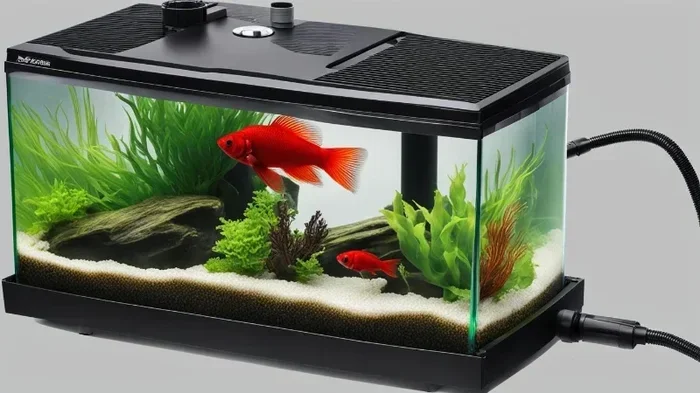
Visual guide about Are Dimmers Better for Fish
Image source: twobunny.tw
3. Benefits of Using Dimmers for Betta Fish
3.1 Simulating sunrise and sunset
Set a timer to gradually increase brightness over 30 minutes in the morning and decrease it the same way at night. Betta fish respond positively, showing more active foraging and brighter fin displays during “daytime.”

Visual guide about Are Dimmers Better for Fish
Image source: products.nagata-ss.co.jp
3.2 Reducing stress and aggression
Sudden bright flashes can startle Betta fish, especially males that are already territorial. A dimmer smooths out transitions, lowering cortisol‑like spikes that lead to fin nipping or faded colors.
3.3 Enhancing coloration
When you dim the lights slightly during feeding, the Betta’s fins appear richer because the surrounding water becomes a darker backdrop. This is a favorite trick for hobbyists who love to photograph their fish.
3.4 Energy savings and heat control
Running LEDs at 50 % brightness consumes half the power and produces far less heat, helping you maintain a stable water temperature without a separate chiller.
4. Potential Drawbacks and How to Avoid Them
4.1 Flicker anxiety
Cheap dimmers that use low‑frequency PWM (< 500 Hz) can create a faint flicker visible to fish, causing agitation. Choose a dimmer rated at least 1 kHz for a flicker‑free experience.
4.2 Over‑dimming
If the tank stays too dark for long periods, Betta fish may stop eating because they can’t locate food. Keep a minimum of 2–3 hours of moderate light each day, even on “night” cycles.
4.3 Compatibility issues
Not all LED strips or fixtures are dimmer‑compatible. Check the manufacturer’s specifications before buying a dimmer. Mismatched equipment can lead to buzzing, overheating, or premature bulb failure.
5. Setting Up a Dimmer System for Your Betta Tank
5.1 Choose the right lighting
LED strips with a color temperature of 5,000–6,500 K work well for Betta tanks. They provide bright, white light that showcases fin colors without excessive blue wavelengths.
5.2 Pick a PWM dimmer
Look for dimmers advertised as “LED‑compatible PWM” and rated for at least 12 V and 5 A (60 W) to cover most small‑tank setups.
5.3 Install the dimmer
- Turn off power and unplug the existing light.
- Connect the light’s positive (red) wire to the dimmer’s “output +” terminal.
- Connect the negative (black) wire to the dimmer’s “output –” terminal.
- Connect the dimmer’s “input” wires to the power source.
- Secure all connections with heat‑shrink tubing or wire nuts.
- Plug the system back in and test the dimming range.
5.4 Program a lighting schedule
Use a digital timer or a smart plug with an app. A simple schedule might be:
- 06:00 – 08:00 am: Gradual sunrise (0 % → 70 % brightness)
- 08:00 am – 06:00 pm: Full daylight (70 % brightness)
- 06:00 – 08:00 pm: Sunset (70 % → 20 % brightness)
- 08:00 pm – 06:00 am: Night dim (20 % or off, depending on plant needs)
5.5 Add live plants for extra benefits
Live plants like Which Live Plants Are Good For Betta Fish thrive under variable light and help stabilize water parameters. They also provide natural hiding spots, further reducing stress.
6. Frequently Overlooked Tips
6.1 Monitor water temperature
Even dimmed LEDs can produce some heat. Use a reliable aquarium thermometer and adjust your dimming schedule if the temperature drifts above 82 °F.
6.2 Observe behavior changes
After introducing a dimmer, watch for signs of improved activity: more frequent fin flaring, brighter colors, and regular feeding. If the fish becomes lethargic, raise the light level slightly.
6.3 Keep the tank clean
Algae can grow faster under bright light. Dimming reduces algae blooms, but regular water changes and substrate vacuuming remain essential. See How Often Change Water For Betta Fish for a schedule.
Conclusion: Light Up Your Betta’s World the Smart Way
So, are dimmers better for fish? The answer is a confident yes—provided you choose a quality PWM dimmer, match it with compatible LEDs, and respect your Betta’s need for a balanced day‑night rhythm. Dimming not only creates a more natural environment, it also saves energy, reduces heat, and lets you showcase those spectacular fin colors without over‑exposing them.
Start with a modest dimmer, set a simple sunrise‑sunset schedule, and watch your Betta thrive. In a few weeks you’ll notice brighter colors, calmer behavior, and a healthier tank overall. Happy dimming!
Frequently Asked Questions
Can I use a regular household dimmer switch for my Betta tank?
Most standard dimmers are built for incandescent bulbs and can cause flicker or damage LEDs. Choose a PWM‑type LED dimmer for safe, smooth dimming.
How long should the “night” period be for a Betta?
Betta fish need about 8–10 hours of darkness each day. A gradual dimming to low light rather than a sudden off switch mimics natural twilight.
Will dimming affect my live plants?
Plants generally prefer consistent light, but a gentle dimming curve is fine. Many species, such as Anubias and Java fern, adapt well to variable intensity.
Do I need a separate timer if I already have a dimmer?
Some dimmers have built‑in timers; if yours doesn’t, a plug‑in timer or smart outlet can handle the on/off schedule while the dimmer adjusts brightness.
Is there a risk of algae overgrowth with dimmed lights?
Reduced brightness actually curbs algae growth. However, keep nutrients in check and perform regular water changes to stay ahead of any bloom.
Can I use dimmers with a 24‑hour light cycle for breeding?
For breeding, a longer daylight period can stimulate courtship, but still include a dimmed “dawn” and “dusk” to avoid stress. Adjust the schedule gradually to find what works best for your pair.