Are Flakes or Pellets Better for Betta Fish
Flakes and pellets each have pros and cons for betta fish. Pellets often win for nutrition and cleanliness, while flakes are easier for some fish to eat. The best choice depends on your betta’s age, appetite, and tank setup. Both options can work well when you pick the right quality food and feed properly.
Choosing the right food for your betta fish matters more than most people think. What you feed your betta affects its color, energy, lifespan, and even how clean your tank stays. The debate between flakes vs pellets for betta fish comes up constantly among hobbyists, and for good reason.
Both flakes and pellets are popular choices, but they are not created equal. Some bettas devour flakes but ignore pellets, while others do the opposite. Understanding the differences helps you make the best decision for your fish. In this guide, we break down everything you need to know about betta fish food so you can feed with confidence.
Key Takeaways
- Pellets are often the better choice: They sink slowly, are nutrient-dense, and create less waste in the tank.
- Flakes can work well too: Especially for younger bettas or fish that prefer floating food on the surface.
- Quality matters more than format: A high-quality flake or pellet beats a cheap version every time.
- Overfeeding is the real danger: Too much food of any type harms your betta and pollutes the water.
- Watch your betta’s response: Every fish is different, so observe eating habits and adjust accordingly.
- Mixing flakes and pellets can be a good strategy: It adds variety and ensures balanced nutrition.
📑 Table of Contents
What Are Flakes and Pellets for Betta Fish?
Let us start with the basics. Fish flakes are thin, flat pieces of dried food that float on the water surface. They are made from a blend of ingredients like fish meal, wheat flour, vitamins, and minerals. Most tropical fish keepers use flakes as their go-to food, and they come in many brands and formulas.
Fish pellets are small, round or cylindrical pieces that either float or sink slowly. They are denser than flakes and usually contain a higher concentration of protein. Many betta owners prefer pellets because they are easier to control in terms of portion size. Pellets also tend to hold their shape longer in the water, which means less mess.
When comparing are pellets better than flakes for betta fish, the answer is not a simple yes or no. It depends on your specific setup, your fish’s preferences, and the quality of the food itself.
Nutritional Comparison: Flakes vs Pellets
Nutrition is where the real debate lives. Bettas are carnivorous fish that need a diet rich in protein. Their wild diet consists mostly of insect larvae, small crustaceans, and other tiny creatures. Both flakes and pellets can meet these needs, but the way they do it differs.
Protein Content
High-quality pellets typically contain more protein per serving than flakes. This is because pellets are more compact and use less filler material. A good betta pellet should have at least 35-45% protein content. Flakes can also be protein-rich, but they often include more carbohydrates and fillers to hold their shape.
Here is a quick comparison of what to look for:
- Protein: Aim for 35-45% in pellets and 30-40% in flakes.
- Fat: Around 5-10% is ideal for both formats.
- Fiber: Keep it low, under 5%, to avoid digestive issues.
- Vitamins: Look for added vitamins A, C, and E for immune support and color enhancement.
Ingredient Quality
The ingredient list matters just as much as the numbers. Avoid foods that list wheat flour or fillers as the first ingredient. Instead, look for whole fish meal, krill, shrimp, or insect-based proteins at the top. These ingredients are far more natural for a betta’s digestive system.
When you are comparing are flakes or pellets better for betta fish from a nutrition standpoint, the quality of the brand matters just as much as the format. A premium flake can outperform a cheap pellet any day.
Ease of Feeding: Which Is More Convenient?
Feeding your betta should be simple and stress-free. Both flakes and pellets have convenience advantages, and understanding them helps you pick the right option for your routine.
Flake Feeding Tips
Flakes are easy to portion because you can pinch off a small piece. They float on the surface, which is great for bettas that feed at the top of the tank. However, flakes can break apart quickly, turning into a mushy mess that clouds your water. If your betta does not eat them fast enough, you will need to remove the uneaten portions.
Some bettas are picky eaters and refuse flakes altogether. This is especially common with fish that grew up eating pellets in the pet store. If your betta ignores flakes, do not force it. Try a different format or mix it with something more appealing.
Pellet Feeding Tips
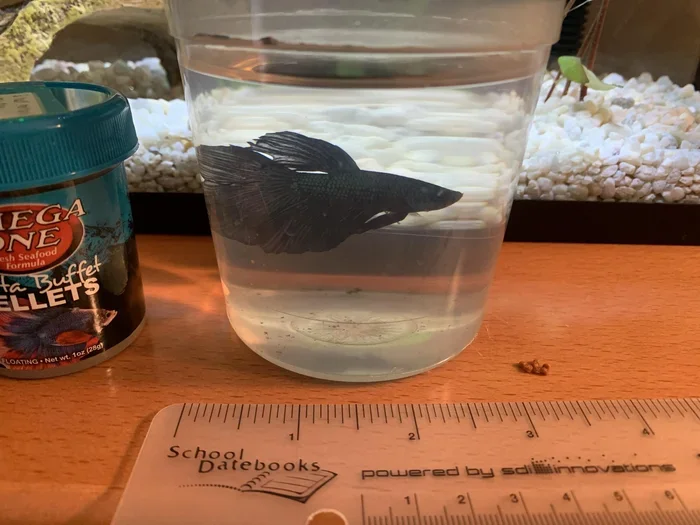
Pellets are easier to control in terms of portion size. You can count them out one or two at a time, which makes it much harder to overfeed. Most betta pellets are designed to float or sink slowly, giving your fish time to find and eat them.
Pellets also expand in the water, which means a small pellet can look like a large meal to your betta. This is actually helpful because it prevents you from dropping too much food in at once. Just remember that uneaten pellets can soak up water and become soft, so remove any leftovers after a few minutes.
Impact on Tank Water Quality
One thing many beginners overlook is how food affects water quality. Uneaten food breaks down and releases ammonia, which is toxic to fish. The type of food you choose directly impacts how much waste it creates.
Flakes tend to create more mess because they crumble easily and dissolve quickly. Bits of flake can get stuck in the substrate or filter, decomposing unnoticed. This can spike your ammonia levels and harm your betta over time.
Pellets are generally cleaner because they hold together longer. You can see exactly how much your betta ate, and any uneaten pellets are easier to remove. This makes pellets a better choice for maintaining stable water quality in your aquarium.
If you are still unsure, consider this: many experienced betta keepers recommend pellets as the primary food and flakes as an occasional treat. This approach gives your fish the best of both worlds.
Common Mistakes When Feeding Betta Fish
Even the best food will not help if you make feeding mistakes. Here are the most common errors betta owners make:
- Overfeeding: This is the number one mistake. Bettas have tiny stomachs, and feeding too much leads to bloating, constipation, and poor water quality. Feed only what your betta can eat in two minutes.
- Feeding too often: Once or twice a day is enough for adult bettas. Some owners feed three times a day, but this increases the risk of overfeeding and waste buildup.
- Ignoring food quality: Cheap flakes from the dollar store are not proper betta nutrition. Invest in a reputable brand that uses real animal protein.
- Skipping variety: Even the best pellet or flake alone does not provide complete nutrition. Add variety with frozen or live foods like brine shrimp or bloodworms occasionally.
- Not adjusting for age: Young bettas need more frequent, smaller feedings. Older bettas may eat less and prefer softer food. Adjust your routine as your fish ages.
Expert Tips for Choosing the Best Food
Still trying to decide between flakes and pellets? Here are some expert insights to guide your choice:
- Start with pellets: Most experts suggest pellets as the base diet for bettas. They are nutritionally dense, easy to portion, and cleaner for the tank.
- Use flakes as a supplement: Flakes work well as a treat or a variation. Some bettas simply prefer the taste and texture of flakes.
- Check the expiration date: Old fish food loses its nutritional value. Always buy fresh fish food and store it in a cool, dry place.
- Watch for color-enhancing ingredients: Foods with spirulina, astaxanthin, or krill can bring out your betta’s vibrant colors.
- Read reviews: Before buying any betta fish food, check reviews from other betta keepers. Real-world feedback is more helpful than marketing claims.
When you ask yourself are flakes or pellets better for betta fish, the honest answer is that both can work. The key is choosing a high-quality product, feeding the right amount, and watching how your fish responds. A well-fed betta is a happy, healthy betta that will thrive in your aquarium for years to come.
Ultimately, the best food is the one your betta eats eagerly and digests well. Experiment with both formats, observe your fish, and adjust as needed. Your betta will show you what works best through its energy, color, and appetite.
Conclusion
The debate between flakes and pellets for betta fish does not have a single winner. Both formats can provide excellent nutrition when you choose the right product and feed responsibly. Pellets generally offer better portion control, less waste, and higher protein density. Flakes can be a great alternative or supplement for bettas that enjoy them.
Focus on food quality over format. A premium pellet or flake made with real animal protein will always outperform a low-cost option. Combine your chosen food with variety, proper feeding schedules, and clean water, and your betta will live a long, healthy, and colorful life.
Start by trying a quality pellet as the staple, and introduce flakes gradually as a treat. Pay attention to how your betta reacts, and make adjustments along the way. Your fish will thank you with bright colors, active swimming, and a healthy appetite.
Frequently Asked Questions
Can betta fish eat both flakes and pellets?
Yes, many betta owners feed a mix of both. Pellets can serve as the main diet, while flakes work well as an occasional treat. Just make sure the total amount of food does not exceed what your betta can eat in a few minutes.
How often should I feed my betta fish?
Feeding once or twice a day is ideal for most adult bettas. Offer only a small amount each time, roughly the size of your betta’s eyeball. Overfeeding is one of the most common health problems in pet bettas, so less is often more.
Are pellets easier to portion than flakes?
Yes, pellets are much easier to portion because you can count them individually. Flakes tend to crumble and are harder to measure precisely. This makes pellets a better choice for owners who want to avoid overfeeding.
Do pellets or flakes make the tank dirtier?
Flakes tend to make the tank dirtier because they break apart quickly and dissolve into the water. Pellets hold together longer and are easier to remove if uneaten. This makes pellets the cleaner option for maintaining good water quality.
What is the best brand of food for betta fish?
Several brands are well-regarded by betta keepers, including Omega One, Fluval, and New Life Spectrum. Look for brands that list real fish or shrimp as the first ingredient and avoid those heavy on fillers like wheat or soy.
Can a betta survive on flakes alone?
Yes, a betta can survive on flakes if they are high-quality and nutritionally complete. However, pellets are generally recommended as the primary food because they offer better protein density and are easier to portion. Adding variety with frozen or live foods is always a good idea.
=== INTERNAL LINKS ===
For more details on what bettas prefer to eat, check out our guide on do betta fish eat flakes or pellets.
If you want to understand the broader comparison between food types, read our article on are fish pellets better than flakes.
Looking for specific pellet recommendations? Our review of Omega One shrimp pellets covers whether they are a good fit for your betta.