How Can I Tell If My Betta Fish Is Pregnant
Figuring out if your betta fish is pregnant can be tricky, but there are clear signs to watch for. Your betta may have a swollen belly, white spots near her vent, and vertical breeding stripes. This guide walks you through every sign, what to expect, and how to care for a pregnant betta fish the right way.
Finding out that your betta fish might be pregnant is an exciting moment. But how can you really know for sure? Many fish owners mistake a bloated belly for pregnancy, and that confusion can lead to wrong care decisions. How can I tell if my betta fish is pregnant? The answer lies in a few clear physical signs and behavioral changes that are easy to spot once you know what to look for.
Betta fish, also known as Siamese fighting fish, are popular pets because of their bright colors and flowing fins. When a female betta becomes gravid, or full of eggs, her body goes through visible changes. These changes happen fast, and catching them early helps you provide the right environment for your fish. This article will guide you through every sign, from body shape to behavior, so you can feel confident about what is happening with your pet.
Whether you are a first-time fish owner or a seasoned aquarist, understanding betta fish pregnancy is important. You will learn how to tell the difference between a sick fish and a pregnant one, what the gestation period looks like, and how to set up the best care routine. Let us dive right in.
Key Takeaways
- Spot the Signs Early: A swollen belly and vertical stripes are the first clues that your betta may be pregnant.
- Look for the White Dot: The small white spot near the vent is a key indicator of eggs forming inside.
- Understand the Timeline: Betta fish gestation lasts about 24 to 48 hours after mating, with the male caring for eggs in a bubble nest.
- Provide Proper Care: Warm water, clean tanks, and good nutrition support a healthy pregnant betta.
- Avoid Common Mistakes: Do not confuse a bloated belly with pregnancy, and never house pregnant bettas with aggressive tank mates.
- Know When to Act: If your betta shows signs of illness rather than pregnancy, seek help right away.
📑 Table of Contents
1. The Top Signs Your Betta Fish May Be Pregnant
The most obvious clue that your betta fish might be pregnant is a change in her body. But there are several signs, and each one tells you something different. Let us break them down.
Swollen or Round Belly
A pregnant betta fish will develop a noticeably round belly. This is where the eggs are forming inside her body. The swelling is usually rounder and more pronounced than a regular belly. If your fish looks like she is carrying a small ball, that is a strong sign of betta fish pregnancy. A bloated belly from illness tends to look more uniform and puffy, while a pregnant belly is often more elongated and firm.
White Spot Near the Vent
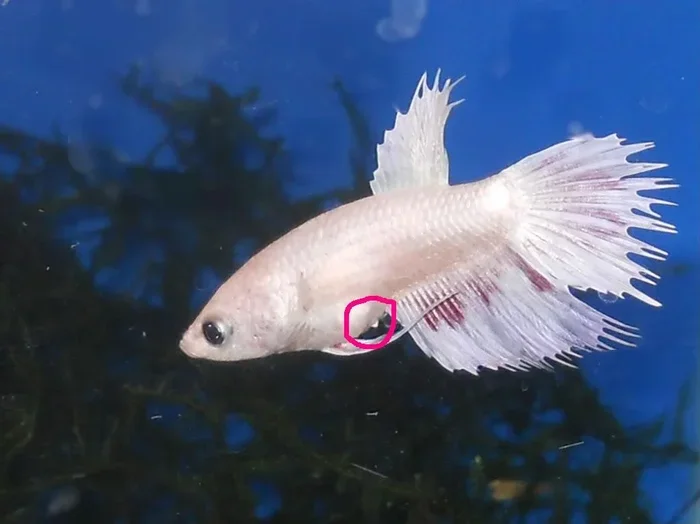
Look closely at the area just below your betta’s tail. This spot is called the ovipositor, and it is where eggs will come out. A small white dot or tube-like structure appearing there is one of the clearest pregnant betta fish indicators. If you do not see this spot, your fish may just be bloated. The ovipositor becomes more visible as the eggs mature, so check daily during the breeding window.
Vertical Stripes on the Body
Female bettas sometimes develop faint vertical stripes when they are carrying eggs. These are also called breeding stripes. They appear as light lines running down the sides of the body. Not all female bettas show these stripes, but when they do, it is a reliable betta fish pregnancy sign. The stripes are usually more noticeable on lighter-colored fish and may fade when the fish is stressed.
Increased Appetite
A pregnant betta will often eat more than usual. Her body needs extra energy to produce and carry eggs. If your fish is suddenly very hungry and finishes food quickly, that could be another clue. Just make sure you are not overfeeding, which can also cause a swollen belly. Offer small portions two to three times a day and watch for uneaten food that can dirty the tank.
Behavioral Changes
Pregnant bettas may become more reclusive or start searching for spots to lay eggs. Some fish become more territorial, while others seem restless. Watching your fish’s daily habits helps you notice these shifts early. A pregnant betta may also spend more time near the surface of the water, preparing for the mating process.
2. Understanding the Betta Fish Pregnancy Timeline
Betta fish do not carry babies the way mammals do. Instead, the female releases eggs, and the male fertilizes them externally. Understanding this timeline helps you know what to expect at each stage.
How Long Are Betta Fish Pregnant?
The gestation period for betta fish is short. Once the female and male have mated, the eggs are typically released within 24 to 48 hours. The male then collects the eggs and places them in a bubble nest he built at the surface of the water. The entire egg-to-fry process takes about three to four days from start to finish. The betta fish gestation period is brief but important, and every stage requires proper care and attention.
What Happens During Mating?
During mating, the male wraps his body around the female to release and fertilize the eggs. This process is quick and can look intense. After mating, the female usually rests while the male tends to the eggs. It is important to remove the female after mating, as the male may become aggressive toward her. The betta fish mating process is natural but needs careful monitoring to keep both fish safe.
The Role of the Bubble Nest
A bubble nest is a cluster of bubbles the male betta builds at the water surface. This nest holds the fertilized eggs safely until they hatch. If you see a bubble nest in your tank, it is a strong sign that breeding has occurred or is about to happen. A healthy bubble nest is one of the best betta fish breeding indicators. The male will guard the nest and collect any eggs that fall, showing dedicated parental behavior for a fish.
3. How to Confirm Your Betta Fish Is Really Pregnant
Sometimes it is hard to know if your fish is truly pregnant or just unwell. Here are some ways to confirm the pregnancy and rule out other issues.
Compare With Signs of Illness
A bloated belly can also mean your fish is sick. Conditions like dropsy, constipation, or swim bladder disease cause swelling that looks similar to pregnancy. If your betta has pinecone-like scales, is floating sideways, or has lost her color, she may be sick, not pregnant. Knowing how to tell the difference is critical. Check out our guide on how to tell if your betta fish is sick to learn more about common illness symptoms that mimic pregnancy.
Use a Flashlight Test
Shine a flashlight gently against your betta’s belly in a dark room. If she is pregnant, you may see tiny dark shapes inside her body. These are the eggs. This simple test is one of the easiest ways to confirm a pregnant betta fish without invasive methods. Try this test at different times of day, as the eggs may be more visible when the fish is resting.
Watch for the Egg-Laying Process
If your betta is truly pregnant, you will eventually see her release eggs. The eggs are tiny and white, and they float or sink slowly in the water. Seeing eggs in the tank is the final confirmation that your fish was indeed gravid. Collect any eggs that fall outside the bubble nest to give the fry the best chance of survival.
4. Caring for Your Pregnant Betta Fish
Once you confirm your betta is pregnant, your job is to create the best possible environment for her and the eggs. Proper care makes a big difference in the health of both the mother and the fry.
Maintain Warm Water Temperatures
Betta fish thrive in warm water between 78 and 80 degrees Fahrenheit. Keeping the water at a steady temperature helps the eggs develop properly. If you are wondering whether you can put your betta fish in warm water, the answer is yes, and it is actually recommended during the breeding period. Avoid sudden temperature changes, as these can stress the fish and harm the eggs.
Keep the Tank Clean
A clean tank is essential for a pregnant betta. Do regular water changes of about 20 to 25 percent each week. Use a gentle filter to keep the water moving without creating too much current. Dirty water can lead to infections that harm both the mother and the eggs. Test ammonia, nitrite, and nitrate levels regularly to ensure a safe environment.
Feed a Nutritious Diet
Offer your pregnant betta high-quality food like brine shrimp, bloodworms, and betta pellets. A protein-rich diet supports egg production and keeps the mother healthy. Feed small amounts two to three times a day rather than one large meal. Overfeeding can cause digestive issues that mimic pregnancy symptoms and complicate the breeding process.
Provide Hiding Spots
Pregnant bettas feel safer in tanks with plants and decorations they can hide behind. Live plants like java moss or silk plants work well. These spots reduce stress and give the female a place to rest during the egg development phase. Avoid sharp or rough decorations that could injure the fish.
Comparison Table: Pregnant Betta Care
| Care Factor | Recommended | Avoid |
|---|---|---|
| Water Temperature | 78-80°F (steady) | Sudden temperature changes |
| Water Changes | 20-25% weekly | Full water replacements |
| Diet | Protein-rich, small meals | Overfeeding or low-quality food |
| Tank Mates | Peaceful species or none | Aggressive or fin-nipping fish |
| Tank Decor | Live plants, hiding spots | Sharp or rough decorations |
Quick Tips for Pregnant Betta Care
- Test water parameters regularly with a reliable test kit.
- Keep the lights dim to reduce stress and promote relaxation.
- Do not disturb the bubble nest if the male has built one.
- Remove the female after mating to prevent aggression from the male.
- Wash your hands before reaching into the tank to avoid introducing bacteria.
5. Common Mistakes Fish Owners Make
Even experienced fish keepers make mistakes when it comes to betta fish pregnancy. Here are the most common errors and how to avoid them.
Confusing Bloating With Pregnancy
The biggest mistake is assuming every swollen belly means pregnancy. Bloating from constipation, overfeeding, or illness looks very similar. Always check for the white ovipositor spot and vertical stripes before concluding your fish is pregnant. If you are unsure, it is better to monitor your fish closely for a few days rather than jump to conclusions.
Keeping the Male and Female Together Too Long
While breeding requires both fish in the same tank, you must remove the female after mating. The male becomes protective and may harm the female. Leaving them together too long can cause injury or stress. Watch for signs of aggression like flaring or chasing, and separate them immediately if needed.
Ignoring Water Quality
Pregnant bettas are more sensitive to poor water conditions. Skipping water changes or using untreated tap water can harm the eggs and the mother. Always use conditioned or purified water for your tank. Clean water is one of the most overlooked aspects of betta fish care during pregnancy.
Not Preparing for the Fry
Many owners do not realize that betta fry need special care. Once the eggs hatch, the fry are tiny and need infusoria or specially formulated fry food. Having a plan in place before the eggs hatch prevents panic later. Set up a separate grow-out tank before the breeding process begins.
Expert Insight: What Experienced Breeders Say
Experienced betta breeders always watch the female’s body shape daily during the breeding window. They also monitor the male’s bubble nest closely, as a healthy nest means the male is ready to receive eggs. One breeder shared, “The most important thing is patience. Do not rush to remove the male from the tank after the eggs are collected. He needs time to care for them properly.”
6. When to Seek Help for Your Betta Fish
Most of the time, betta fish pregnancy is a natural process that does not require intervention. But there are moments when you should step in and get help.
Signs Your Betta May Be Sick, Not Pregnant
If your betta shows any of these symptoms, she may be ill rather than pregnant:
- White cotton-like patches on the body or fins
- Loss of color or fading stripes
- Refusing food for more than two days
- Lying at the bottom of the tank and not moving
- Red or inflamed fins or body
- Labored breathing or gasping at the surface
If you notice any of these signs, act quickly. Early treatment can save your fish’s life. Visit our article on how to revive your betta fish for emergency care steps you can take at home before seeking professional help.
When to Consult a Veterinarian
If home care does not improve your betta’s condition within 24 to 48 hours, it is time to see a vet. Not all veterinarians treat fish, so look for an aquatic or exotic animal specialist. You can also check if your local Petco store offers fish health consultations. A professional can diagnose issues that look similar to pregnancy but are actually signs of illness.
Conclusion
Knowing how to tell if your betta fish is pregnant comes down to watching for the right signs. A round belly, white ovipositor spot, vertical stripes, and increased appetite are the main clues. Once you confirm the pregnancy, proper care with warm water, clean tanks, and good nutrition gives your betta the best chance of a healthy outcome.
Remember that betta fish pregnancy is a short but important process. Whether you are a beginner or a seasoned fish keeper, paying attention to these details makes a real difference. Trust your observations, stay patient, and enjoy the rewarding experience of helping your betta fish through this special time.
With the right knowledge and a little preparation, you will be ready for whatever comes next. Your betta fish is lucky to have such a caring owner!
Frequently Asked Questions
Can male betta fish get pregnant?
No, male betta fish cannot get pregnant. Only female bettas carry and release eggs. The male’s role is to fertilize the eggs and care for them in a bubble nest. If you see a male with a swollen belly, it is likely due to illness or bloating, not pregnancy.
How long does betta fish pregnancy last?
The actual egg-carrying phase is short, usually 24 to 48 hours after mating. The full process from mating to hatching takes about three to four days. During this time, the male tends to the eggs in the bubble nest while the female rests separately.
What should I feed a pregnant betta fish?
Offer a protein-rich diet with foods like brine shrimp, bloodworms, and high-quality betta pellets. Feed small amounts two to three times a day. Avoid overfeeding, as uneaten food can dirty the water and harm both the mother and the developing eggs.
Can a betta fish be pregnant without a male?
A female betta can develop eggs without a male present, but she will not release them without mating. The eggs will eventually be reabsorbed by her body. This is not harmful, but it can cause temporary bloating. If you do not plan to breed, keeping males and females separate prevents egg development.
Do betta fish lay eggs or give birth to live young?
Betta fish lay eggs. The female releases eggs into the water, and the male fertilizes them externally. The male then collects the eggs and places them in a bubble nest. The eggs hatch after about two to three days, and the fry are free-swimming shortly after.
Is my betta fish bloated or pregnant?
It can be hard to tell the difference. A pregnant betta usually has a rounder, more elongated belly with a visible white ovipositor spot and vertical stripes. A bloated fish often has a more uniform swelling, may float oddly, or show other signs of illness like loss of appetite. When in doubt, monitor your fish for a few days and use the flashlight test to check for eggs inside.