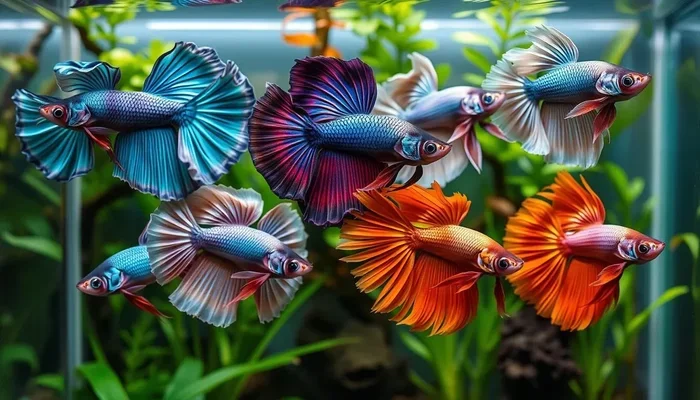
What Fish Go Well With Betta Fish Best Tank Mates

Choosing the right tank mates for your betta requires careful consideration of temperament, size, and water needs. Peaceful species like neon tetras, cory catfish, and certain snails often thrive alongside bettas when introduced properly. Always research compatibility before adding new fish to avoid stress, aggression, or injury in your aquarium.
Keeping a betta fish can be a wonderful experience. Their bright colors and unique personalities make them a favorite for home aquariums. But many owners eventually wonder what fish go well with betta fish. The answer is not as simple as picking any peaceful species. You need to think about behavior, size, water conditions, and tank setup.
Bettas are known for their bold nature. Males especially can be territorial and may chase or flare at other fish. This does not mean they cannot share a tank. Many aquarists successfully keep bettas with careful tank mates. The key is choosing species that ignore the betta, stay out of its way, and do not provoke aggression. In this guide, we will walk through the best options, what to avoid, and how to set up a safe community tank.
Before adding any new fish, ask yourself a few simple questions. Will the new fish nip fins? Is it too small or too large? Does it need the same water temperature? Answering these questions will save you time, money, and stress. Let us dive into the details so you can make confident choices for your aquarium.
Key Takeaways
- Temperament matters most: Avoid aggressive, fin-nipping, or brightly colored fish that may trigger betta aggression.
- Size compatibility is key: Tank mates should be too large to be eaten but small enough not to threaten your betta.
- Peaceful bottom dwellers work well: Cory catfish, otocinclus, and certain snails are excellent choices for community tanks.
- Schooling fish need groups: Tetras and rasboras feel safer and show less aggression when kept in proper schools of six or more.
- Monitor water parameters: Betta fish prefer warm, clean water, so choose tank mates with similar temperature and pH requirements.
- Introduce new fish slowly: Use proper acclimation and quarantine steps to reduce stress and prevent disease outbreaks.
- Watch for signs of stress: Faded colors, hiding, or torn fins mean you should separate incompatible tank mates immediately.
📑 Table of Contents
- Understanding Betta Behavior Before Choosing Tank Mates
- What Fish Go Well With Betta Fish Best Tank Mates
- Size and Space Considerations for Community Tanks
- Water Conditions and Compatibility Tips
- How to Introduce New Fish Safely
- Maintaining a Peaceful Community Tank
- Expert Insights and Common Mistakes
- Conclusion
Understanding Betta Behavior Before Choosing Tank Mates
Bettas are not just pretty fish. They have strong instincts that shape how they interact with others. Male bettas defend their space and may see flashy or fast-moving fish as rivals. Females are often less aggressive, but they still need careful pairing. Understanding these traits helps you avoid common mistakes.
Why Aggression Happens
Aggression usually comes from stress or perceived threats. A betta may chase another fish if it feels crowded, sees bright colors, or notices long fins that look like a rival. Poor water quality can also make any fish more irritable. Keeping the tank clean and well-filtered reduces tension significantly.
Signs Your Betta Is Stressed
Watch your betta closely after adding new tank mates. Signs of stress include hiding, loss of appetite, faded colors, or excessive flaring. Torn fins or missing scales are clear warnings. If you see these signs, remove the new fish and give your betta time to recover.
What Fish Go Well With Betta Fish Best Tank Mates
Many aquarists ask what fish go well with betta fish, and the best answer depends on your tank size and setup. Generally, peaceful, slow-moving, and non-flashy species work best. Bottom dwellers are often ideal because they stay near the substrate and ignore the betta. Small schooling fish can also work if kept in proper numbers.
Top Peaceful Tank Mates
Here are some of the most reliable options for community tanks:
- Corydoras catfish: These gentle bottom dwellers scavenge the substrate and rarely bother other fish. They thrive in groups and prefer similar water conditions.
- Otocinclus catfish: Small algae eaters that stay out of the way. They are peaceful and help keep glass and plants clean.
- Neon tetras: When kept in a school of six or more, neon tetras tend to ignore bettas and swim in the middle water column.
- Harlequin rasboras: Calm and sturdy, these fish add color without triggering aggression. They do well in planted tanks.
- Certain snails: Nerite snails and mystery snails are slow and harmless. They clean algae and do not compete for space.
If you want to explore more options, you can read our detailed guide on can betta go with other fish for a broader overview of compatible species.
Tank Mates to Avoid
Some fish simply do not mix well with bettas. Skip these options to keep your aquarium peaceful:
- Fin nippers: Tiger barbs and some rasbora species may chase and damage fins.
- Brightly colored or long-finned fish: Guppies and fancy platies can trigger chasing behavior.
- Large or aggressive species: Cichlids and large catfish may bully or eat smaller tank mates.
- Slow, fragile fish: Long-tailed varieties are easy targets for nipping or stress.
Size and Space Considerations for Community Tanks
Tank size plays a huge role in success. A crowded tank increases stress and aggression. Betta fish need room to swim and establish their own space. When you add other fish, you must account for their adult size and activity level.
How Big Should the Tank Be?
A minimum of 10 gallons works for a single betta with one or two small tank mates. For a true community setup, 20 gallons or more is safer. Larger tanks dilute waste, provide more swimming space, and make it easier to create territories. If you are unsure whether your betta will handle a bigger environment, check our article on do betta fish do well in big tanks for practical insights.
Matching Adult Sizes
Choose tank mates that are too large to be eaten but not so large that they threaten your betta. A good rule is to avoid fish that are more than half the betta length or much smaller than its mouth. This balance reduces predation risk and territorial disputes.
Water Conditions and Compatibility Tips
Fish compatibility is not only about behavior. Water temperature, pH, and hardness must also align. Betta fish prefer warm water around 78 to 80 degrees Fahrenheit and a pH near neutral. Tank mates should thrive in similar conditions.
Temperature and pH Matching
Cold-water species will struggle in a betta tank. Goldfish, for example, prefer cooler water and produce heavy waste, making them a poor choice. Always research the needs of any new fish before purchasing. If you are curious about water quality, our guide on do betta fish do well in hard water explains how mineral levels affect health.
Filtration and Flow
Bettas prefer gentle water flow. Strong currents can stress them and make it hard to rest. Use a filter with adjustable output or add plants and decorations to break the flow. Peaceful tank mates usually adapt well to mild filtration, but avoid species that need heavy water movement.
How to Introduce New Fish Safely
Adding new fish the right way prevents disease and reduces aggression. Rushing the process often leads to problems. Follow a steady routine to give everyone time to adjust.
Step-by-Step Introduction
- Quarantine first: Keep new fish separate for at least two weeks to watch for illness.
- Match water parameters: Ensure temperature and pH are similar before moving fish.
- Use a slow acclimation method: Float the bag, then gradually add tank water over 30 minutes.
- Add tank mates in groups: Schooling fish should arrive together so they feel secure.
- Observe closely: Watch for chasing, hiding, or fin damage during the first few days.
If you want to know whether your betta can handle a longer break from feeding during the transition, see our post on can your betta fish go a weekend without food for helpful feeding tips.
Maintaining a Peaceful Community Tank
A successful community tank needs regular care. Clean water, proper feeding, and thoughtful layout all support harmony. Small changes in routine can make a big difference.
Tank Setup for Harmony
Use plants, driftwood, and caves to create hiding spots. These breaks give shy fish places to rest and reduce line-of-sight aggression. Keep the top open enough for your betta to reach the surface for air. A balanced layout helps all fish feel secure.
Feeding and Monitoring
Feed all fish appropriate portions and remove uneaten food quickly. Overfeeding leads to waste and poor water quality. Test water weekly and perform regular partial changes. If aggression appears, try rearranging decorations or temporarily separating the fish.
For more ideas on safe additions, you may also enjoy reading can you put plants in with betta fish to learn how live plants improve water quality and reduce stress.
Expert Insights and Common Mistakes
Even experienced keepers make mistakes when pairing bettas with other fish. Learning from common errors saves time and protects your fish. Here are a few expert tips to keep in mind.
Common Mistakes to Avoid
- Adding too many fish at once: This overwhelms the filter and spikes aggression.
- Ignoring school size: Small groups of schooling fish feel unsafe and may act nervously.
- Choosing flashy tank mates: Bright colors and flowing fins can provoke chasing.
- Skipping quarantine: New fish can introduce disease to a healthy tank.
- Overlooking water flow: Strong currents stress bettas and disrupt rest.
Expert Tips for Long-Term Success
Start with a well-planted tank and a reliable filter. Introduce one group of compatible fish at a time. Keep a journal of behavior changes so you can spot problems early. If your betta shows consistent aggression, it may prefer to live alone. That is perfectly normal, and a single-betta setup can still be beautiful and rewarding.
Conclusion
Finding the right companions for your betta comes down to patience, research, and observation. Peaceful bottom dwellers, proper schooling fish, and gentle invertebrates can create a lively community when conditions are right. Always match water needs, provide enough space, and watch behavior closely after introductions. When you choose carefully, your aquarium becomes a balanced ecosystem where every fish can thrive. If you are still wondering what fish go well with betta fish, start with proven options, move slowly, and let your betta guide your decisions.
Frequently Asked Questions
Can betta fish live with neon tetras?
Yes, neon tetras can live with bettas when kept in a school of six or more. They are peaceful and usually stay in the middle of the tank, which helps reduce conflict.
Do cory catfish get along with betta fish?
Cory catfish are generally excellent tank mates because they stay near the bottom and rarely bother other fish. They are gentle, social, and help keep the substrate clean.
Can snails go in a tank with betta fish?
Many snails, such as nerite and mystery snails, can safely share a tank with bettas. They move slowly, do not compete for space, and help control algae growth.
What fish should I avoid with a betta?
Avoid fin nippers, brightly colored fish, and aggressive species that may trigger chasing or stress. Large fish and cold-water species are also poor matches for betta tanks.
How many tank mates can a betta have?
The number depends on tank size and filtration, but starting with one or two small species is safest. A larger tank allows more companions, but overcrowding always increases stress.
Do betta fish need hiding places when sharing a tank?
Yes, hiding spots help reduce tension and give shy fish a place to rest. Plants, caves, and driftwood create visual barriers that can calm aggressive behavior.