Is It Okay to Use Distilled Water for Betta Fish
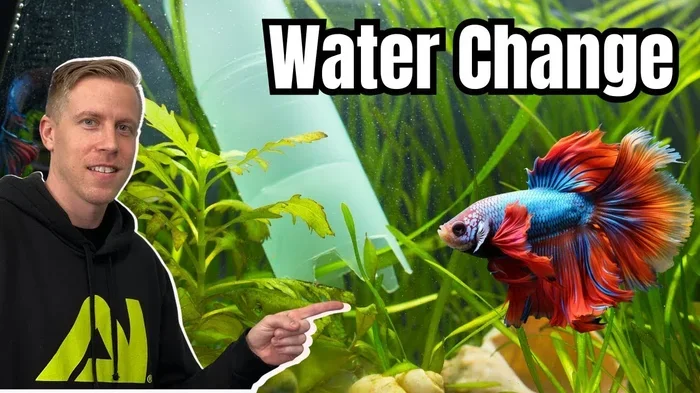
Using distilled water for betta fish is risky because it lacks essential minerals your fish need to thrive. Distilled water strips away dissolved minerals, which can cause serious health problems in your betta fish tank. The best approach is to use treated tap water or a quality water conditioner to create a safe, balanced aquarium environment.
Key Takeaways
- Distilled water lacks minerals: It removes all dissolved minerals, which betta fish need for healthy gill function and osmoregulation.
- It can lower pH too much: Using distilled water alone can make the water too acidic for betta fish, leading to stress and illness.
- Tap water with conditioner is safer: Adding a water conditioner to tap water is the most common and effective method.
- Mixing distilled with tap water is an option: Some fishkeepers blend distilled water with treated tap water to soften the water safely.
- Test your water regularly: Monitoring water parameters like pH, ammonia, and nitrates keeps your betta healthy.
- Know your water source: Understanding what is in your tap water helps you choose the right treatment method for your betta fish care routine.
📑 Table of Contents
- Is It Okay to Use Distilled Water for Betta Fish?
- How Distilled Water Affects Your Betta Fish
- What Water Should You Use for Betta Fish Instead?
- How to Prepare Water for Your Betta Fish Tank
- Common Mistakes People Make With Distilled Water
- Expert Insights on Betta Fish Water Quality
- Final Thoughts on Using Distilled Water for Betta Fish
Is It Okay to Use Distilled Water for Betta Fish?
Many betta fish owners wonder about is it okay to use distilled water for betta fish. The short answer is: it depends, but most of the time, it is not the best choice on its own. Distilled water goes through a process that removes nearly everything — minerals, chemicals, and contaminants. While that sounds clean, your betta fish actually needs some minerals to stay healthy.
Using the wrong water type is one of the fastest ways to harm your fish. Dirty water causes stress, disease, and even death. So choosing the right aquarium water matters a lot. In this guide, we will break down everything you need to know about distilled water and your betta fish. You will learn what makes it risky, what to use instead, and how to keep your fish tank water safe and clean.
What Exactly Is Distilled Water?
Distilled water is water that has been boiled into steam and then condensed back into liquid. This process removes almost all impurities, including dissolved minerals like calcium and magnesium. The result is very pure water — but also very empty water.
For humans, distilled water is fine to drink. For fish, it is a completely different story. Betta fish live in water that contains natural minerals. These minerals help them breathe, maintain their body balance, and stay active. When you put a betta in pure distilled water, you remove the support system their body relies on.
Why Do People Consider Using Distilled Water?
There are a few reasons fishkeepers think about using distilled water:
- It is free of chlorine and chloramines. Tap water often contains these chemicals, which harm fish. Distilled water does not.
- It has no contaminants. Heavy metals, pesticides, and other pollutants are completely removed.
- It gives you a blank slate. You can control exactly what goes into the water.
These reasons sound good at first. But the problem is that distilled water also removes the good stuff your betta needs. It is like giving your fish water that has been stripped of everything useful.
How Distilled Water Affects Your Betta Fish
Using distilled water in a betta fish tank can cause several serious problems. Let us look at what happens when your fish live in water with no minerals.
Low Mineral Content Hurts Osmoregulation
Betta fish rely on a balance of minerals in their water to regulate their body fluids. This process is called osmoregulation. When the water has too few minerals, your betta’s body works overtime to maintain balance. Over time, this causes stress, weakness, and a shortened lifespan.
Think of it this way. If you drink only pure distilled water for weeks, you would feel off too. Your body needs electrolytes and minerals to function. The same is true for your betta fish.
pH Levels Drop Too Low
Distilled water has a neutral pH of around 7.0 when fresh. But once it sits in a fish tank, it absorbs carbon dioxide from the air. This drops the pH quickly, often below 6.5. Betta fish prefer a pH between 6.5 and 7.5. A sudden pH crash can shock your fish and make them very sick.
Even if you buffer the water, keeping stable pH with distilled water alone is very difficult. Fluctuating pH is one of the hidden dangers of using this type of water in your betta fish tank.
Water Hardness Drops to Near Zero
Water hardness refers to the amount of dissolved calcium and magnesium in the water. Distilled water has almost zero hardness. Soft water like this can cause your betta’s slime coat to break down. The slime coat is a protective layer that keeps bacteria and parasites away from your fish’s skin.
Without a healthy slime coat, your betta becomes more vulnerable to infections and diseases. This is a real risk that many new fish owners do not think about.
What Water Should You Use for Betta Fish Instead?
Now that you know the risks of distilled water, let us talk about what you should use instead. The goal is to find water that is safe, clean, and rich enough in minerals for your betta.
Tap Water With Conditioner
The most popular choice for betta fish owners is tap water treated with a water conditioner. Conditioner removes chlorine, chloramines, and heavy metals from tap water while leaving beneficial minerals behind. This makes the water safe and balanced for your fish.
You can learn more about how to properly use conditioner in our guide on how to use tap water conditioner for betta fish. It is simple to do and very affordable.
Here is why tap water with conditioner works so well:
- It contains natural minerals your betta needs.
- It is easy to access and inexpensive.
- Conditioners are fast-acting and reliable.
- You can adjust the water hardness if needed.
Spring Water and Bottled Water Options
Some owners prefer using bottled spring water. Spring water contains natural minerals that are good for betta fish. However, not all bottled water is the same. Some brands add minerals back after purification, while others do not. You should always check the label before using bottled water in your tank.
If you are curious about spring water options, check out our article on using bottled spring water for betta fish. It covers what to look for on labels and which brands work best.
What Kind of Water Is Best for Betta Fish?
The best water for betta fish is water that has stable parameters and a healthy mineral balance. Most experts agree that treated tap water is the gold standard. It is affordable, accessible, and easy to manage.
If you want to take extra steps, you can mix distilled water with treated tap water. This gives you more control over the mineral content. We will cover this method in the next section.
How to Prepare Water for Your Betta Fish Tank
Preparing water for your betta fish does not have to be complicated. With the right steps, you can create safe, clean water every time.
Step 1: Test Your Tap Water
Before you do anything, test your tap water. Buy a simple liquid test kit that checks pH, ammonia, nitrite, and nitrate levels. This tells you what you are working with. Some tap water is already safe after conditioning. Other water may need extra steps.
Step 2: Add Water Conditioner
Add the recommended dose of water conditioner to your tap water. Let it sit for about 15 minutes before adding it to the tank. This gives the conditioner time to neutralize all harmful chemicals.
Step 3: Match the Temperature
Betta fish are tropical fish and need warm water. The ideal temperature is between 76 and 82 degrees Fahrenheit. Use a heater to warm the new water to match the tank temperature before adding it in. Sudden temperature changes can stress your fish.
Step 4: Mix Distilled Water With Tap Water (Optional)
If you still want to use distilled water, you can mix it with treated tap water. A good starting ratio is one part distilled water to two parts treated tap water. This softens the water a bit without removing all the minerals your betta needs.
Just remember that mixing water does not replace regular water changes. You still need to change a portion of the tank water every week to keep water quality high. Clean water is the foundation of good betta fish care.
Common Mistakes People Make With Distilled Water
Even experienced fishkeepers sometimes make mistakes with distilled water. Here are the most common ones to avoid:
Using Distilled Water Alone
This is the biggest mistake. Never fill your betta tank with pure distilled water. It has no minerals and no buffering capacity. Your pH will swing wildly, and your fish will suffer.
Forgetting to Remineralize
If you do want to use distilled water, you must add minerals back. You can buy remineralization drops made for aquariums. These add back calcium, magnesium, and other important elements. Without this step, distilled water is just too pure for a betta fish.
Not Testing the Water After Mixing
When you mix different water sources, always test the result. The pH and hardness can change in unexpected ways. A quick test with a liquid kit takes just a few minutes and can save your fish from a dangerous environment.
Assuming Bottled Water Is Always Safe
Not all bottled water is created equal. Some purified drinking water has been stripped of minerals, just like distilled water. Always check the label. Look for spring water or mineral water that lists calcium and magnesium content.
Expert Insights on Betta Fish Water Quality
Experienced betta keepers agree that consistency matters more than perfection. Your goal is to create a stable environment where your fish can thrive. Here is what the experts recommend:
- Test your water every week. Even if your fish look fine, hidden changes in water chemistry can build up over time.
- Do regular water changes. Replace 25 to 30 percent of the tank water each week. This keeps waste levels low and oxygen levels high.
- Use a quality filter. A gentle filter is best for betta fish because they do not like strong currents. The filter helps maintain clean water between changes.
- Keep a water log. Write down your test results and water change dates. This helps you spot patterns and catch problems early.
For more detailed guidance on maintaining clean water, read our article on how many times to change water for betta fish. It covers the best schedule and techniques for keeping your tank fresh.
Final Thoughts on Using Distilled Water for Betta Fish
So, is it okay to use distilled water for betta fish? The honest answer is that it is not the best choice on its own. Distilled water lacks the minerals your betta needs to stay healthy. It can cause pH crashes, soft water problems, and long-term health issues. If you do use it, always mix it with treated tap water or remineralize it first.
The safest and easiest option is to use tap water treated with a good conditioner. It is affordable, simple, and gives your betta the balanced environment they deserve. Focus on keeping your water clean, testing your parameters regularly, and making gradual changes. Your betta fish will thank you with bright colors, active swimming, and a long, healthy life.
Remember that good water quality is the single most important factor in betta fish health. Take the time to get it right, and your fish will thrive for years to come.
Frequently Asked Questions
Can I use distilled water for my betta fish tank if I add minerals back?
Yes, you can use distilled water if you remineralize it first. You can buy aquarium-specific remineralization drops that add back calcium, magnesium, and other essential minerals. This gives you full control over the mineral content and makes distilled water a viable option for your betta fish tank.
How often should I change the water in my betta fish tank?
You should change 25 to 30 percent of the tank water every week. This keeps waste levels low and maintains stable water parameters. Regular water changes are one of the most important parts of betta fish care and help prevent illness.
What is the best water temperature for betta fish?
Betta fish thrive in water between 76 and 82 degrees Fahrenheit. Use a reliable aquarium heater to maintain a steady temperature. Sudden temperature drops or spikes can stress your fish and weaken their immune system.
Is tap water safe for betta fish without treatment?
No, tap water is not safe without treatment. It contains chlorine and chloramines that are harmful to fish. Always use a water conditioner to neutralize these chemicals before adding tap water to your betta fish tank.
Can I use purified bottled water for my betta fish?
It depends on the type of purified water. Some purified bottled water has been stripped of minerals, similar to distilled water. Check the label for added minerals or choose spring water instead. For more details, see our guide on using purified bottled water for betta fish.
What pH level do betta fish need?
Betta fish do best in water with a pH between 6.5 and 7.5. Sudden pH changes are more dangerous than slightly off-level water. Test your water regularly and use buffers if needed to keep the pH stable in your aquarium.