A Betta Fish Diet
A balanced betta fish diet is the cornerstone of a happy, healthy aquarium. Feed high‑quality proteins, occasional veggies, and limit treats to keep your finned friend thriving.
Key Takeaways
- Protein is primary: Betta fish need animal‑based protein at every meal.
- Feed small amounts: 2‑3 feedings a day, only what they can eat in 2‑3 minutes.
- Variety prevents boredom: Rotate pellets, frozen, and live foods for optimal nutrition.
- Avoid over‑feeding: Too many calories cause constipation and water‑quality issues.
- Supplement wisely: Use occasional veggie treats and high‑quality vitamins.
- Water matters: Clean, warm water supports digestion and appetite.
- Monitor health: Changes in eating habits often signal illness.
📑 Table of Contents
- Introduction: Why Your Betta’s Plate Matters
- 1. The Foundations: What a Betta Fish Really Needs
- 2. Choosing the Right Foods
- 3. How Much and How Often: Feeding Schedules That Work
- 4. Common Mistakes and How to Avoid Them
- 5. Setting Up a Feeding‑Friendly Environment
- 6. Monitoring Health Through Eating Habits
- Conclusion: Feeding Your Betta for a Long, Colorful Life
Introduction: Why Your Betta’s Plate Matters
Imagine you’re preparing a meal for a friend who only eats special foods. You’d want to get it right, wouldn’t you? The same goes for your betta fish. These gorgeous, feisty swimmers have very specific dietary needs that affect everything from color intensity to lifespan. A proper betta fish diet fuels their natural hunting instincts, keeps their long fins sleek, and helps them avoid common health problems like constipation and fin rot.
In this guide we’ll break down everything you need to know about feeding your betta: the best types of food, how often to feed, how to read your fish’s appetite, and even a few tasty treat ideas. By the end, you’ll feel confident that every bite you offer is a step toward a healthier, happier betta.
1. The Foundations: What a Betta Fish Really Needs
Protein‑First Philosophy
Betta fish are carnivorous predators in the wild, snapping up insects and tiny crustaceans. That means a diet rich in animal protein is essential. Look for foods that list fish meal, shrimp, or mosquito larvae as the first ingredient. High‑quality betta pellets, frozen bloodworms, and live brine shrimp all fit the bill.

Visual guide about A Betta Fish Diet
Image source: tattooflow.decorexpro.com
Essential Nutrients
Beyond protein, bettas need:
- Omega‑3 fatty acids for vibrant coloration and healthy scales.
- Vitamins A, D, and E to support vision, bone health, and immune function.
- Calcium for strong fin rays and skeletal development.
Most premium pellet brands already contain these, but supplementing with occasional live or frozen foods can boost the nutrient profile.
2. Choosing the Right Foods
Pellets: The Everyday Staple
Pellets are convenient, sink slowly, and are formulated to meet a betta’s nutritional profile. When shopping, pick a brand with:
- At least 40% protein.
- No filler ingredients like wheat or corn.
- Small, bite‑size pieces that won’t drown your fish.
Good options include Omega One Betta Bites and Hikari Betta Bio-Gold. These pellets also help maintain water quality because they dissolve slowly, reducing excess waste.
Frozen and Live Foods: The Protein Power‑Ups
Frozen foods such as bloodworms, daphnia, and brine shrimp are excellent for adding variety and extra protein. Thaw frozen foods in a cup of tank water before feeding to avoid shocking your betta.
Live foods are the ultimate treat. They stimulate natural hunting behavior and can improve coloration. However, live foods may carry parasites, so source them from reputable suppliers and quarantine if possible.
Vegetable Add‑Ons
Even carnivores appreciate a green break now and then. Blanched peas (with skins removed) are a classic remedy for constipation. A tiny piece of boiled zucchini or spinach once a week can provide fiber and vitamins without upsetting the protein balance.
3. How Much and How Often: Feeding Schedules That Work
Portion Control
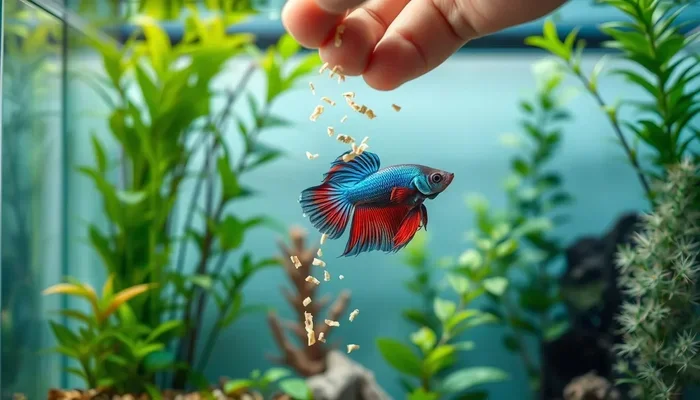
Betta fish have tiny stomachs—about the size of a pea. A good rule of thumb is to feed an amount they can consume in 2‑3 minutes, 2‑3 times per day. Over‑feeding leads to cloudy water, excess waste, and health issues.

Visual guide about A Betta Fish Diet
Image source: auctions.c.yimg.jp
Sample Feeding Schedule
- Morning (8 am): A small pinch of high‑quality pellets.
- Midday (12 pm): A few frozen bloodworms (thawed).
- Evening (6 pm): Another pinch of pellets or a veggie treat.
On weekends you can skip the midday feeding if you notice your betta isn’t as hungry. Consistency is key, but flexibility keeps you responsive to your fish’s cues.
Special Situations
If your betta is breeding, pregnant (male building a bubble nest), or recovering from illness, increase protein intake and feed 4‑5 small meals a day. Conversely, older bettas may eat less; adjust portions accordingly.
4. Common Mistakes and How to Avoid Them
Feeding Too Much
It’s easy to think “more is better,” but excess food sinks and decays, raising ammonia levels. Use a timer or a feeding log to track portions.
Relying on One Food Type
Monotony can cause nutritional gaps. Rotate between pellets, frozen, and live foods weekly to keep your betta interested and well‑fed.
Using Inappropriate Foods
Flake foods for goldfish, plant‑based pellets for herbivores, or human snacks are all bad ideas. Betta fish cannot digest high‑fiber or carbohydrate‑heavy diets. For more on what not to feed, see our article Can A Betta Fish Eat Goldfish Food.
Ignoring Water Temperature
Betta fish are tropical; water that’s too cold slows metabolism and reduces appetite. Keep the tank between 76‑82°F (24‑28°C). Learn more about ideal temperatures in our guide What Temperature Should A Betta Fish Water Be.
5. Setting Up a Feeding‑Friendly Environment
Tank Size and Layout
A 5‑gal tank gives your betta room to swim and provides stable water parameters, which support better digestion. Smaller bowls can work short‑term, but they make feeding and waste removal harder. Read more about tank size at What Size Tank For A Betta Fish.
Lighting and Plant Cover
Soft lighting mimics a natural dawn‑dusk cycle, encouraging regular feeding times. Live or silk plants give your betta places to hide after meals, reducing stress.
Cleaning and Water Changes
Perform 25‑30% water changes twice a week. Use a siphon to remove uneaten food and debris. Clean water prevents bacterial blooms that can cause loss of appetite.
6. Monitoring Health Through Eating Habits
Signs of a Healthy Appetite
- Active swimming and quick response to food.
- Evenly spaced meals without large gaps.
- Bright colors and intact fins.
Red Flags
If your betta refuses food for more than 24‑48 hours, appears lethargic, or has bloated abdomen, it may be ill. Constipation is common after over‑feeding carbs; a peeled pea can help. Persistent loss of appetite warrants a check with a vet or an experienced hobbyist.
Conclusion: Feeding Your Betta for a Long, Colorful Life
Getting the betta fish diet right is easier than you think. Focus on high‑protein pellets, sprinkle in frozen or live treats, add occasional veggies, and keep portions modest. Pair this with a clean, warm tank and you’ll see your betta’s fins flare, colors deepen, and lifespan extend. Remember, a happy betta is a well‑fed betta—so enjoy the routine, watch for cues, and adjust as needed. Your fish will thank you with graceful swims and stunning displays for years to come.
Frequently Asked Questions
How often should I feed my betta fish?
Feed small portions 2‑3 times a day, only what your betta can eat in 2‑3 minutes. Adjust if the fish is breeding, very young, or older.
Can bettas eat vegetables?
Yes, in small amounts. Blanched peas (skin removed) are great for constipation, and occasional bits of zucchini or spinach add fiber and vitamins.
Are live foods safe for bettas?
Live foods like brine shrimp and daphnia are nutritious and stimulate natural hunting behavior, but source them from reputable suppliers to avoid parasites.
What is the best type of pellet for a betta?
Choose pellets with at least 40% animal protein, no filler grains, and small sinking particles. Brands formulated specifically for bettas work best.
Why does my betta stop eating?
Loss of appetite can signal stress, poor water quality, illness, or over‑feeding. Check temperature, perform a water change, and monitor for other symptoms.
Can I keep a betta in a bowl and still feed it properly?
While a bowl can work short‑term, it makes cleaning and stable temperature harder, which can affect feeding. A 5‑gallon tank is recommended for optimal health.