How Long to Let Betta Fish Acclimate in Bag

Getting a new betta? The key to a happy, healthy fish is letting it acclimate in the bag for the right amount of time. This guide explains why a gradual transition matters, walks you through the exact steps, and shares practical tips to avoid common mistakes. Follow our simple plan and watch your betta settle in smoothly.
Key Takeaways
- Start with a 15‑minute float: Let the sealed bag float in the tank to equalize temperature.
- Gradual water mixing: Add tank water to the bag every 5‑10 minutes for a total of 30‑45 minutes.
- Watch for stress signs: Rapid gill movement or erratic swimming means you need more time.
- Use a clean container: Transfer the betta to a pre‑conditioned acclimation cup before the final release.
- Adjust for temperature differences: Larger temperature gaps may require up to an hour of acclimation.
- Keep the bag sealed: Prevent contamination and maintain water chemistry during the process.
- Document the routine: Write down your timing so you can repeat a successful acclimation each time.
📑 Table of Contents
Why Acclimation Matters
Bringing home a betta fish is exciting, but the moment the sealed bag hits your tank can be stressful for the little swimmer. Water temperature, pH, and hardness often differ between the store’s bag and your home aquarium. If you dump the fish straight into the tank, the shock can lead to gas bubble disease, weakened immune response, or even death.
Acclimation is the process of slowly adjusting the fish to its new environment. By letting the betta fish acclimate in the bag, you give its gills time to adapt to temperature changes and its body time to balance the chemistry. A calm, well‑acclimated betta is more likely to display its vibrant colors, explore the tank, and stay healthy.
Step‑by‑Step: How Long to Let Betta Fish Acclimate in Bag
1. Prepare Your Tank First
Before the bag arrives, make sure the tank is fully cycled, temperature is stable (78‑80°F / 25‑27°C), and any decorations are securely in place. Turn off strong currents; bettas prefer gentle water flow.

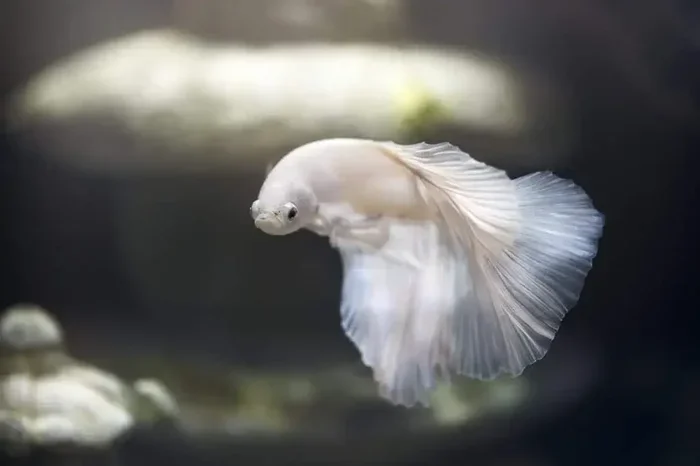
Visual guide about How Long to Let Betta Fish Acclimate in Bag
Image source: imgs.699pic.com
2. Float the Bag – The First 15 Minutes
Place the sealed bag in a cup or directly in the tank (if the bag is sturdy). Let it float for at least 15 minutes. This step equalizes temperature, which is the most common stressor. Keep the bag upright so the water inside doesn’t spill.
3. Begin the Water‑Mixing Process
After the initial float, start adding a small amount of tank water to the bag. Use a clean cup and add about ¼ cup (60 ml) every 5‑10 minutes. Gently swirl the bag to mix. Repeat this step for a total of 30‑45 minutes. The goal is to gradually shift the water chemistry without shocking the fish.
4. Observe the Betta’s Behavior
During each addition, watch the betta’s gills and movement. Calm, steady gill flares and slow swimming indicate the fish is handling the change well. If you notice rapid gill movement, frantic darting, or floating near the surface, give the fish an extra 5‑10 minutes before adding more water.
5. Transfer to an Acclimation Cup
Once the mixing period is complete, gently pour the bag’s contents into a clean acclimation cup (a small, pre‑conditioned container). This step helps you avoid any leftover chemicals from the bag’s original water.
6. The Final Release
Turn off the tank lights for a minute to reduce stress, then slowly slide the betta into its new home. Keep the lights on low for the first hour, and avoid feeding for 24 hours while the fish settles.
Factors That Influence Acclimation Time
Temperature Gap
If the store’s water is more than 5°F (≈3°C) colder or hotter than your tank, extend the float time to 30 minutes or more. A larger gap means the betta’s metabolism must work harder to adjust, so patience pays off.
Water Hardness and pH Differences
Some stores use soft, slightly acidic water, while many home tanks are harder and more alkaline. Adding small amounts of tank water gradually helps the betta’s kidneys adapt. If the pH difference exceeds 0.5 units, consider a slower, 45‑minute mixing period.
Bag Condition
Newer bags are sealed tighter and retain oxygen better. Older or partially opened bags may have lower oxygen levels, requiring a brief aeration step—simply swirl the water gently for a minute before the float.
Fish Health and Age
Young fry or older bettas are more sensitive. For a juvenile, increase the total acclimation time by 10‑15 minutes. For an adult in good health, the standard 30‑45 minute routine is usually sufficient.
Common Mistakes and How to Avoid Them
Rushing the Process
It’s tempting to dump the fish quickly, especially when you’re excited. Remember, a rushed acclimation can cause stress‑induced illnesses like fin rot or dropsy. Take the full time; your betta will thank you.

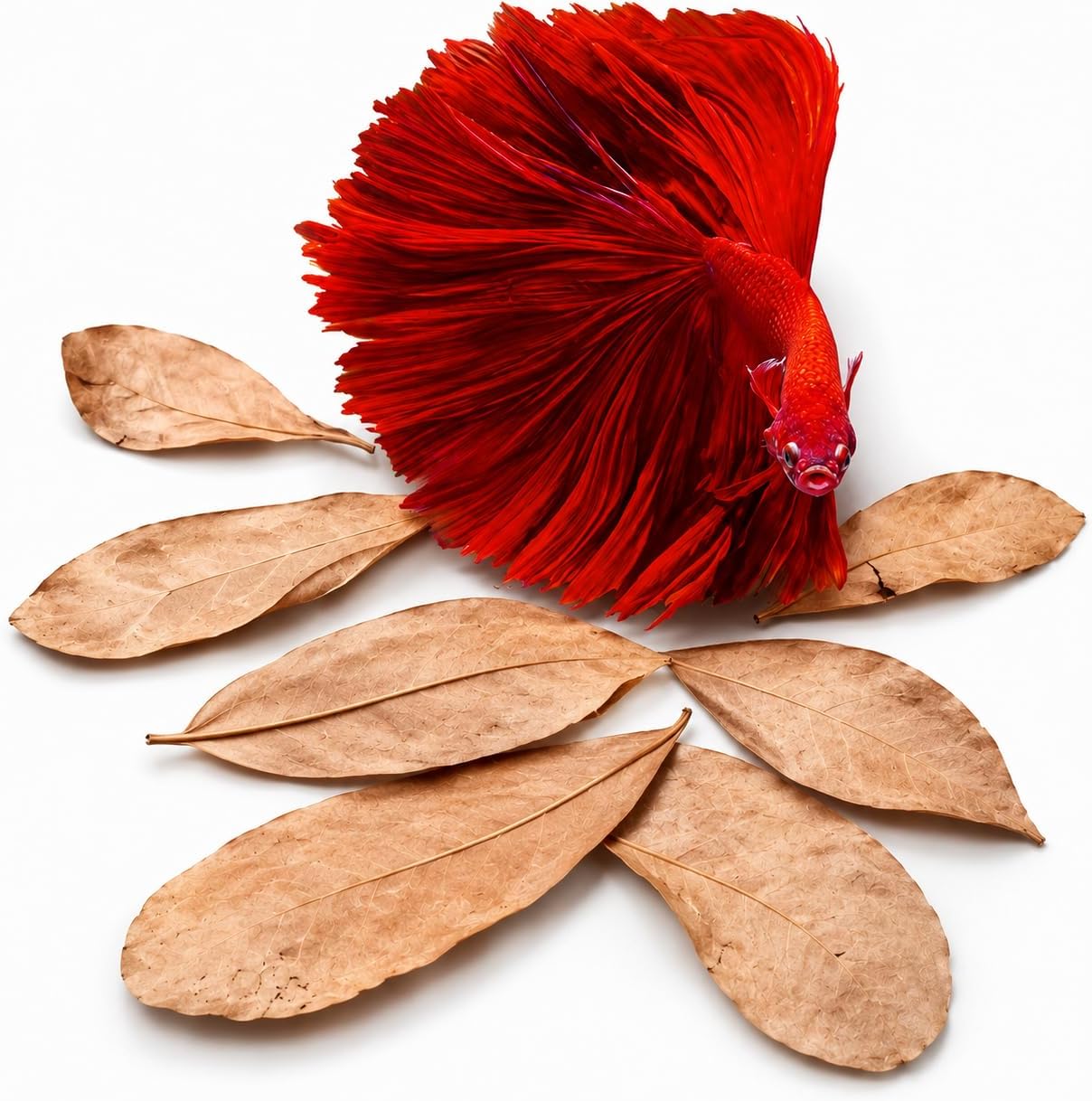
Visual guide about How Long to Let Betta Fish Acclimate in Bag
Image source: rs-channel.huanqiucdn.cn
Using Untreated Tap Water
Never add untreated tap water directly to the bag. Chlorine and chloramine are lethal to bettas. Always use water that has been conditioned with a de‑chlorinator.
Skipping the Observation Step
Even if the timer says “30 minutes,” keep an eye on the fish. Signs of distress mean you need to pause and let the fish rest before adding more water.
Leaving the Bag Open Too Long
Once you start adding tank water, the bag’s seal can weaken. Keep the bag sealed as tightly as possible and transfer the fish promptly after the final mix.
What to Do If Something Goes Wrong
Signs of Stress
If the betta is gasping at the surface, rubbing against the bag, or showing faded colors, perform a “quick dip”:
- Transfer the fish to a clean container with water from your tank.
- Let it rest for 10‑15 minutes.
- Check temperature and pH; adjust if needed.
- Return the fish to the tank slowly.
Health Issues After Acclimation
Stress can weaken the immune system, making your betta vulnerable to diseases like fin rot or dropsy. If you notice white edges on fins, a bloated belly, or cloudy eyes, consult our guides on how to cure fin rot in betta fish and how to treat dropsy in betta fish. Early treatment improves recovery chances.
Putting It All Together: A Sample Acclimation Timeline
| Time | Action |
|---|---|
| 0‑15 min | Float sealed bag in tank to equalize temperature. |
| 15‑20 min | Add ¼ cup conditioned tank water; swirl gently. |
| 20‑30 min | Repeat water addition every 5‑10 min. |
| 30‑45 min | Observe behavior; extend if fish shows stress. |
| 45‑50 min | Transfer fish to acclimation cup. |
| 50‑55 min | Turn lights low; release fish into tank. |
Additional Tips for a Successful Move
- Keep a log: Write down the exact times, temperatures, and any observations. This helps you fine‑tune the process for future fish.
- Use a thermometer: A digital stick thermometer ensures accurate temperature readings.
- Condition water every time: Even if you’ve used the same tap source before, a fresh dose of de‑chlorinator guarantees safety.
- Limit handling: Touch the fish as little as possible; use a soft net only when absolutely necessary.
- Provide hiding spots: Add a small plant or cave to the tank before the fish arrives so it can retreat immediately.
Conclusion
Knowing how long to let betta fish acclimate in bag is a small detail that makes a huge difference in the health and happiness of your new pet. By floating the bag, slowly mixing water, watching the fish’s behavior, and giving it a calm transition, you set the stage for a vibrant, active betta that will thrive for years.
Remember, patience is your best tool. Follow the timeline, adjust for temperature or chemistry differences, and keep an eye on stress signals. With these steps, you’ll turn the moment you bring your betta home into a smooth, stress‑free experience that both you and your fish will enjoy.
Frequently Asked Questions
How long should I float the bag before adding tank water?
Float the sealed bag for at least 15 minutes to let the temperature equalize. If the temperature difference is more than 5°F, extend the float to 30 minutes.
Can I use tap water directly in the acclimation process?
No. Always treat tap water with a de‑chlorinator before adding it to the bag. Untreated tap water contains chlorine or chloramine, which are toxic to bettas.
What if my betta shows signs of stress during acclimation?
Pause the water additions and let the fish rest for 5‑10 minutes. Keep the bag floating and observe until the gill movement slows and the fish swims calmly.
Is it okay to feed my betta right after acclimation?
Wait 24 hours before feeding. This gives the fish time to settle and reduces the risk of digestive upset.
Do I need to acclimate a betta if my tank water is the same as the store’s?
Even if the parameters match, a short float (10‑15 minutes) is still recommended to equalize temperature and reduce handling stress.
Where can I learn more about caring for a new betta?
Check out our guide on how to acclimate a betta fish for deeper insight into water parameters, tank setup, and long‑term care.