How Long Do Betta Fishes Live

Betta fishes can live anywhere from 2 to 5 years, and with optimal care they often reach the upper end of that range. Water quality, diet, tank size, and genetics are the biggest influencers of lifespan, so a few simple steps can add precious years to your pet’s life.
Key Takeaways
- Typical lifespan: Most bettas live 2‑5 years, with 3‑4 years being most common.
- Water matters most: Stable, clean water and proper temperature add years.
- Nutrition counts: High‑quality protein‑rich foods boost health and longevity.
- Tank size & environment: Bigger, filtered tanks reduce stress and disease.
- Genetics & gender: Males often live slightly longer than females, but breeding can shorten life.
- Regular health checks: Spotting early signs of illness can prevent premature death.
- Proper care extends life: Simple daily habits can push a betta’s life toward five years or more.
📑 Table of Contents
- Introduction: The Curious Question of Betta Longevity
- 1. What Is the Average Lifespan?
- 2. The Role of Water Quality
- 3. Feeding for a Longer Life
- 4. Choosing the Right Tank
- 5. Health Monitoring and Early Warning Signs
- 6. Genetics, Gender, and Breeding Considerations
- Conclusion: Turning Knowledge into Longevity
Introduction: The Curious Question of Betta Longevity
If you’ve ever wondered how long do betta fishes live, you’re not alone. New owners are often surprised to learn that these dazzling little fighters can be long‑term companions, not just one‑off decorations. In this article we’ll break down the average lifespan, the reasons some bettas outlive others, and practical steps you can take to give your fish the best possible chance at a full, healthy life.
We’ll keep the tone friendly—think of us as a fellow hobbyist sharing hard‑won tips over a cup of tea. By the end, you’ll know exactly what to expect and how to turn a two‑year expectation into a five‑year celebration.
1. What Is the Average Lifespan?
Typical numbers you’ll see
Across reputable sources, the consensus is that betta fishes live about 2 to 5 years. The most common range reported by breeders and veterinarians is 3‑4 years. A handful of bettas have been documented living beyond five years, but those are exceptions rather than the rule.
Why the range is so wide
Several variables create this spread:
- Water quality: Fluctuations in pH, ammonia, or temperature can shorten life dramatically.
- Diet: Poor nutrition leads to weakened immune systems.
- Genetics: Some lines are bred for vibrant colors at the expense of health.
- Tank conditions: Overcrowding, lack of filtration, and inappropriate décor increase stress.
For a deeper dive into the typical lifespan, see our article on how long do betta fish normally live.
2. The Role of Water Quality
Temperature—your first priority
Betta fishes are tropical and thrive at 76‑82°F (24‑28°C). Temperatures below 75°F slow metabolism and can lead to illness, while temperatures above 84°F increase stress and the risk of bacterial growth.

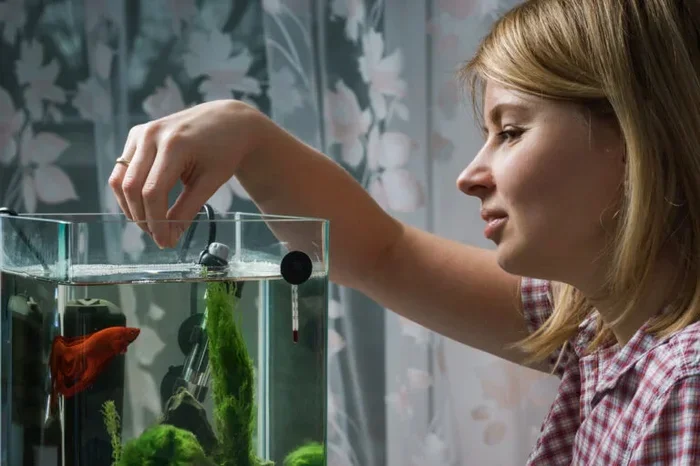
Visual guide about How Long Do Betta Fishes Live
Image source: thumb.ac-illust.com
Ammonia, nitrite, nitrate—keep them low
Even a tiny spike in ammonia (above 0.25 ppm) can be fatal. Regular partial water changes (about 25 % every week) and a reliable filter keep these toxins in check.
Filtration vs. “no‑flow” myth
Many beginners think bettas need still water, but a gentle sponge filter mimics their natural habitat while providing essential biological filtration. The flow should be weak—use a baffle or adjust the output.
Learn how to change water safely in our guide how do you change a betta fish water.
3. Feeding for a Longer Life
What to feed
High‑quality betta pellets should form the staple of the diet. Supplement with frozen or live foods like brine shrimp or daphnia 2‑3 times a week for variety and extra protein.

Visual guide about How Long Do Betta Fishes Live
Image source: static01.nyt.com
How much and how often
Feed only what your betta can eat in 2‑3 minutes, twice daily. Overfeeding leads to poor water quality and obesity, both of which cut lifespan.
Signs of a healthy appetite
A lively betta will dart to the surface when you drop food. If it ignores meals for several days, investigate water parameters and possible disease.
For tips on feeding schedules, check out how do you feed a betta fish.
4. Choosing the Right Tank
Size matters
While a 2‑gallon “betta bowl” is common, a minimum of 5 gallons is strongly recommended. Larger water volume stabilizes temperature and dilutes waste, giving your fish a longer, healthier life.
Tank mates and stress
Male bettas are territorial and should not be housed with other males. Some peaceful community fish (like small rasboras or snails) can coexist if the tank is spacious and has plenty of hiding spots.
Decor and plants
Live plants not only look beautiful but also improve water quality by absorbing nitrates. Provide smooth surfaces and avoid sharp ornaments that can tear delicate fins.
5. Health Monitoring and Early Warning Signs
Common illnesses
Fin rot, velvet disease, and ich are the most frequent problems. Early detection—such as frayed fins, white spots, or lethargy—allows for prompt treatment and can add months to your betta’s life.
Routine checks
Inspect your fish daily for:
- Changes in coloration or sheen
- Labored breathing or gasping at the surface
- Unusual swimming patterns (e.g., swirling or staying at the bottom)
For a quick guide on spotting a dying betta, read how do you know if your betta fish is dying.
6. Genetics, Gender, and Breeding Considerations
Male vs. female lifespan
Male bettas generally live a bit longer than females, largely because females are often used for breeding, which stresses their bodies.
Selective breeding impacts
Fancy tail varieties (like veil or crown tails) are prized for looks but may have weaker skeletal structures, making them prone to fin damage and shortened life.
Breeding responsibly
If you choose to breed, provide separate breeding tanks, monitor fry closely, and be prepared for the extra workload. Poor breeding practices can drastically reduce the lifespan of both parents and offspring.
Conclusion: Turning Knowledge into Longevity
Understanding how long do betta fishes live is the first step toward giving them the best possible life. By maintaining pristine water, feeding a balanced diet, offering a suitably sized tank, and keeping a vigilant eye on health, you can expect most bettas to enjoy 3‑4 happy years—and many will surprise you by reaching five.
Remember, each betta is an individual. Treat your fish with consistent care, and you’ll be rewarded with vibrant colors, curious behavior, and a companion that sticks around longer than you imagined.
Frequently Asked Questions
What is the average lifespan of a betta fish?
Most bettas live 2‑5 years, with 3‑4 years being the most common range under good care.
Can a betta live longer than five years?
Yes, exceptional bettas with optimal water, diet, and genetics have been known to live six years or more, though this is rare.
Does tank size affect how long bettas live?
Absolutely. A larger, filtered tank stabilizes temperature and water quality, which can add years to a betta’s life compared to a small bowl.
How often should I change the water to promote a longer lifespan?
Changing about 25 % of the water weekly, or performing a larger 50 % change every two weeks, helps keep toxins low and supports longevity.
Are certain colors or tail types linked to shorter lives?
Fancy tail types (veil, crown, etc.) can be more prone to fin damage and stress, potentially shortening lifespan compared to short‑fin varieties.
What are the early signs that my betta might be getting sick?
Look for faded colors, frayed fins, white spots, gasping at the surface, or unusual swimming patterns. Early treatment can prevent a shortened life.