Do Betta Fish Like Peas
Betta fish can enjoy peas as an occasional treat, but they must be prepared correctly and fed in moderation. Peas provide fiber and nutrients that aid digestion, yet over‑feeding can cause water quality issues. Follow these simple steps to keep your betta thriving.
Key Takeaways
- Peas are safe: Cooked, shelled peas are non‑toxic and easy for bettas to eat.
- Digestive boost: The fiber helps prevent constipation and improves gut health.
- Moderation matters: Offer peas once or twice a week; too many can foul the water.
- Preparation is key: Always blanch, peel, and mash peas before serving.
- Watch your betta: Observe appetite and behavior to ensure peas are well‑tolerated.
- Combine with a balanced diet: Peas should complement high‑quality betta pellets or frozen foods.
- Water quality first: Remove uneaten peas promptly to keep the tank clean.
📑 Table of Contents
- Introduction: Why the Question Matters
- 1. What Makes Peas a Good Choice?
- 2. How to Prepare Peas for Your Betta
- 3. Feeding Peas Safely
- 4. How Peas Fit Into a Balanced Betta Diet
- 5. Impact on Water Quality and Tank Maintenance
- 6. Common Mistakes and How to Avoid Them
- Conclusion: Should You Give Your Betta Peas?
Introduction: Why the Question Matters
Every betta owner wants to offer the best nutrition possible. Commercial pellets cover the basics, but many hobbyists wonder if adding fresh foods—like peas—can give their fish a little extra something. The answer isn’t a simple “yes” or “no.” It depends on how you prepare the peas, how often you feed them, and what other foods you’re already providing.
In this article we’ll explore exactly what betta fish like peas, why they can be beneficial, and the step‑by‑step method to serve them safely. You’ll also learn how peas fit into the bigger picture of tank setup, temperature, and overall health.
1. What Makes Peas a Good Choice?
Nutritional profile
Peas are low in protein but high in fiber, vitamins A, C, K, and minerals like iron and potassium. For a carnivorous fish that eats mostly protein, the fiber acts like a gentle cleanser for the digestive tract.

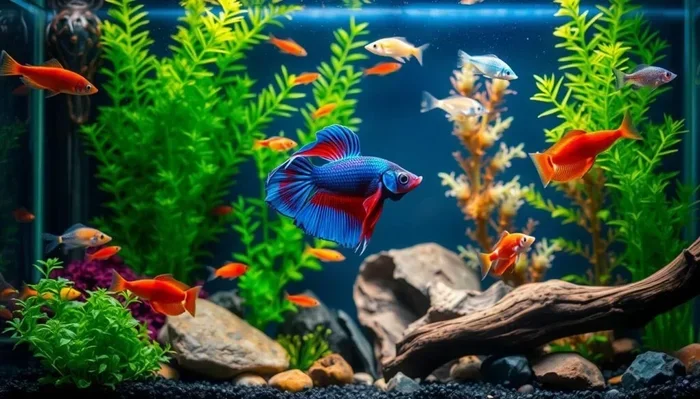
Visual guide about Do Betta Fish Like Peas
Image source: m.media-amazon.com
Fiber and digestion
Betta fish sometimes suffer from constipation, especially when they eat a lot of dry pellets. The soluble fiber in peas absorbs water, softening stool and helping it pass more easily. This can prevent the dreaded “spoon‑shaped” poop that signals a blocked gut.
Low risk of toxicity
Unlike some fruits and vegetables that contain oxalates or other compounds harmful to fish, peas are virtually non‑toxic when cooked and peeled. This makes them a safe “bonus” food.
2. How to Prepare Peas for Your Betta
Step‑by‑step preparation
- Buy fresh or frozen peas: Frozen peas are often pre‑blanched, saving time.
- Blanch: Boil water, add peas for 1‑2 minutes, then immediately transfer to ice water. This softens them without overcooking.
- Remove the skin: Gently squeeze each pea; the thin outer skin will slip off, leaving a smooth interior.
- Mash or slice: Use a fork to mash into a pea‑soup consistency or cut into tiny bite‑size pieces.
- Cool: Let the peas reach room temperature before offering them.
Portion size
A single betta needs only about a pea‑sized amount—roughly the size of its eye. Over‑feeding can cloud the water and attract unwanted algae.
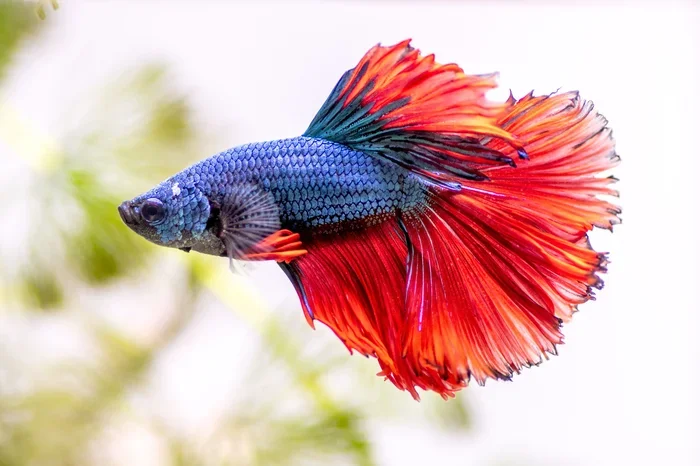
Visual guide about Do Betta Fish Like Peas
Image source: media.plus-automation.com
Frequency
Offer peas 1‑2 times per week. This provides enough fiber without overwhelming the tank’s bio‑filter.
3. Feeding Peas Safely
Introducing peas to a new betta
Start with a tiny piece and watch for interest. Some bettas will ignore peas at first, preferring familiar pellets. Patience is key; you can try again after a few days.

Visual guide about Do Betta Fish Like Peas
Image source: addressguru.in
Observing behavior
After feeding, look for normal swimming, active fins, and regular gulping. If the fish appears lethargic or bloated, remove any remaining peas and monitor water parameters.
Cleaning up
Uneaten peas should be removed within an hour. Use a small net or a turkey baster to siphon them out, then perform a quick water change if the tank looks cloudy.
Link to detailed guide
For a visual walk‑through, see our step‑by‑step article How To Feed Peas To Betta Fish.
4. How Peas Fit Into a Balanced Betta Diet
Core diet components
High‑quality betta pellets should remain the staple. They provide the essential proteins, fats, and vitamins that peas lack.
Supplemental foods
Frozen or live foods like brine shrimp, daphnia, and bloodworms add variety and stimulate natural hunting behavior. Peas are a supplemental “vegetable” treat, not a replacement.
Feeding schedule
A typical schedule looks like:
- Morning: 2‑3 pellets
- Evening: 2‑3 pellets
- Twice a week: a small pea mash after the evening feeding
Link to feeding basics
Need more on overall feeding? Check out How Do You Feed A Betta Fish for pellet portions and frequency.
5. Impact on Water Quality and Tank Maintenance
Why peas can cloud water
Peas release starches that break down quickly, feeding beneficial bacteria and potentially causing a spike in ammonia if left unattended.
Preventive measures
- Remove leftovers promptly.
- Perform a 10‑15% water change after feeding peas.
- Maintain a strong bio‑filter; a well‑cycled tank handles occasional organic loads.
Temperature considerations
Peas are best served at room temperature. Extremely cold or hot water can shock a betta’s delicate system. Keep the tank within the ideal range of 76‑82°F (24‑28°C). For more on temperature, read What Temperature Do Betta Fish Need.
6. Common Mistakes and How to Avoid Them
Feeding raw peas
Raw peas contain anti‑nutrients that can irritate a betta’s gut. Always blanch and peel.
Over‑feeding
Even a healthy fish can develop constipation if given too much fiber. Stick to the recommended once‑or‑twice‑weekly schedule.
Ignoring tank signs
Cloudy water, foul odor, or a sudden drop in activity means you need to act fast—remove food, test parameters, and do a partial water change.
Link to tank enrichment
Learn what else bettas enjoy in their environment at What Do Betta Fish Like In Their Tank.
Conclusion: Should You Give Your Betta Peas?
Peas can be a nutritious, low‑risk treat for betta fish when prepared correctly and offered in moderation. They help with digestion, add variety, and are easy to source. The key is to keep the tank clean, watch your fish’s reaction, and always pair peas with a solid base diet of quality pellets and occasional live or frozen foods.
By following the simple steps outlined above, you’ll give your betta a happy, healthy snack without compromising water quality or overall well‑being. Happy feeding!
Frequently Asked Questions
Do betta fish need peas to stay healthy?
No, peas are not essential. A balanced diet of high‑quality pellets and occasional live or frozen foods provides all necessary nutrients.
Can peas cause constipation in bettas?
Actually, the fiber in peas helps prevent constipation. Over‑feeding, however, can lead to digestive upset, so keep portions small.
How often can I feed my betta peas?
Offer peas once or twice a week. This frequency supplies fiber without overwhelming the tank’s bio‑filter.
Do I need to use a heater when feeding peas?
Peas should be served at room temperature, but the tank itself should stay within the ideal range of 76‑82°F (24‑28°C). For heater guidelines, see Do Betta Fish Need Heater.
What should I do if my betta refuses to eat peas?
Don’t force it. Try offering a tiny piece after a regular pellet feeding, or wait a few days and try again. Some bettas simply prefer animal‑based foods.
Will peas affect the color of my betta?
Peas won’t change coloration. Color shifts are usually linked to genetics, lighting, and overall health, not vegetable treats.