Do Betta Fish Need a Air Pump

Betta fish can survive without an air pump, but adding one often improves water quality, oxygen levels, and overall health. Understanding your betta’s environment, tank size, and filtration needs will help you decide if an air pump is the right choice for your finned friend.
Key Takeaways
- Betta’s natural breathing: They are labyrinth fish and can gulp air from the surface, so an air pump isn’t strictly required.
- Tank size matters: Smaller containers benefit more from added oxygen and water movement.
- Filtration vs. aeration: A good filter often provides enough surface agitation, making a separate pump optional.
- Health benefits: Better oxygenation can reduce stress, improve coloration, and help prevent disease.
- Quiet and safe setup: Choose a low‑noise pump and secure it to avoid suction injuries.
- When to skip the pump: Mature, well‑filtered, heated tanks with regular water changes usually don’t need one.
- Alternative solutions: Air stones, live plants, and gentle powerheads can replace a dedicated air pump.
📑 Table of Contents
- Introduction: The Air‑Pump Debate
- 1. How Betta Fish Breathe: The Labyrinth Organ
- 2. The Role of Tank Size and Shape
- 3. Filtration, Heating, and Their Impact on Oxygen
- 4. Benefits of Adding an Air Pump
- 5. Alternatives to a Dedicated Air Pump
- 6. How to Choose and Set Up an Air Pump for Betta Tanks
- Conclusion: Do Betta Fish Need a Air Pump?
Introduction: The Air‑Pump Debate
When you first bring home a betta, the tank setup can feel overwhelming. You’ve probably read that bettas need a heater, a filter, and maybe even a fancy “bubbler.” One question that pops up again and again is: do betta fish need a air pump? The short answer is “not always,” but the longer answer involves understanding your betta’s natural biology, the size of the tank, and the overall water quality you’re providing.
In this article we’ll break down the science behind betta respiration, compare air pumps to other oxygen‑boosting methods, and give you practical tips for deciding whether to add a pump to your setup. By the end, you’ll know exactly what your betta needs to thrive—not just survive.
1. How Betta Fish Breathe: The Labyrinth Organ
What Is a Labyrinth Organ?
Betta fish belong to the family of “labyrinth fish.” They possess a special organ—called the labyrinth organ—located near the gills. This organ lets them gulp air directly from the surface, extracting oxygen even when the water is low in dissolved oxygen.
Why This Matters for Air Pumps
Because of this adaptation, bettas can live in shallow, still water where other fish would quickly suffocate. However, the organ is not a magic solution for poor water conditions. If the water is warm, stagnant, or heavily stocked, the amount of oxygen dissolved in it can still become a limiting factor for health and growth.
2. The Role of Tank Size and Shape
Small Bowls vs. Proper Aquariums
Many beginners start bettas in tiny bowls (under 2 gallons). In such cramped spaces, surface agitation is minimal, and the water can heat up quickly, reducing oxygen solubility. Adding a gentle air pump or a small powerhead can dramatically improve water circulation and oxygen levels.

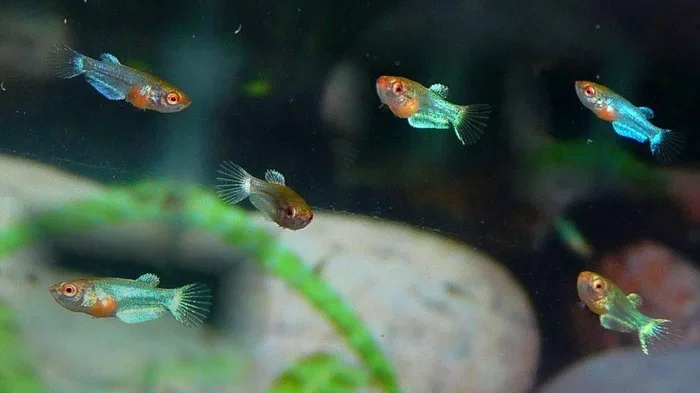
Visual guide about Do Betta Fish Need a Air Pump
Image source: pakutaso.com
Recommended Minimum Size
For a thriving betta, aim for at least a 5‑gallon tank with a lid. In a 5‑gallon setup, the water volume itself holds more dissolved oxygen, and a modest filter often creates enough surface movement that a separate air pump becomes optional. See our guide on How Big Of A Tank Do Betta Fish Need for detailed sizing tips.
3. Filtration, Heating, and Their Impact on Oxygen
Do Filters Provide Aeration?
Most aquarium filters (hang‑on‑back, sponge, or internal) push water through a media cartridge, creating surface agitation that mixes air into the water. This process often supplies enough oxygen for a single betta. If you already have a reliable filter, you may not need an extra air pump.
Visual guide about Do Betta Fish Need a Air Pump
Image source: cbu01.alicdn.com
When a Heater Can Reduce Oxygen
Betta heaters keep the water at the ideal 78‑80 °F (25‑27 °C). Warm water holds less dissolved oxygen than cooler water. In a heated tank without adequate surface movement, oxygen levels can dip, especially at night when the pump is off. Adding a low‑flow air stone can compensate for this loss.
Helpful Resource
For a deeper dive into filtration, check out Do Betta Fish Need A Filter, which explains how a filter can double as an aerator.
4. Benefits of Adding an Air Pump
Improved Water Quality
Air pumps increase surface agitation, which enhances gas exchange: oxygen enters, and carbon dioxide exits. This helps maintain stable pH and reduces the buildup of harmful ammonia and nitrite.
Stress Reduction and Color Enhancement
Betta males often display brighter colors when they are healthy and stress‑free. Adequate oxygenation supports better metabolism, leading to more vibrant fins.
Prevention of Disease
Many bacterial and fungal infections thrive in low‑oxygen environments. By keeping the water well‑oxygenated, you give your betta’s immune system a better chance to fight off pathogens.
Quiet, Betta‑Safe Options
If you decide an air pump is right for you, pick a model with a low decibel rating (under 30 dB). Use a diffuser or airstone to break the bubbles into fine streams, preventing strong currents that could stress the betta.
5. Alternatives to a Dedicated Air Pump
Live Plants
Plants like Anubias, Java fern, and Hornwort perform photosynthesis, releasing oxygen into the water during daylight hours. A well‑planted tank can often meet a betta’s oxygen needs without any mechanical aeration.
Powerheads and Circulation Pumps
Small powerheads create gentle water flow, mimicking a natural river environment. They also increase surface agitation, serving the same purpose as an air pump but with a more natural look.
Regular Water Changes
Changing 25‑30 % of the water weekly introduces fresh, oxygen‑rich water and removes waste products. This simple practice can offset the need for extra aeration in many cases.
6. How to Choose and Set Up an Air Pump for Betta Tanks
Choosing the Right Pump
- Flow rate: Aim for 1‑2 LPM (liters per minute) for a 5‑gallon tank. Too strong a flow can create a current that stresses the betta.
- Noise level: Look for “quiet” or “silent” models.
- Adjustability: A pump with a flow control knob lets you fine‑tune the output.
Installation Steps
- Place the pump outside the tank and run the tubing into the water.
- Attach an airstone or diffuser at the end of the tube.
- Secure the airstone on the tank bottom or side using suction cups.
- Turn the pump on and adjust the flow until you see gentle ripples, not a raging surface.
- Check daily for any water splashing out of the tank.
Maintenance Tips
- Rinse the tubing and airstone every two weeks to prevent slime buildup.
- Replace the airstone every 3‑4 months, as it can become clogged.
- Inspect the pump for wear and replace it if it becomes noisy or loses suction.
Conclusion: Do Betta Fish Need a Air Pump?
In short, betta fish do not strictly need an air pump if you provide a properly sized, well‑filtered, and heated tank with regular water changes. However, adding a small, quiet air pump can boost oxygen levels, improve water quality, and enhance your betta’s color and overall health—especially in smaller bowls or tanks lacking sufficient surface agitation.
Consider your tank’s size, the type of filtration you use, and whether you have live plants before deciding. When in doubt, start with a gentle air stone; you can always remove it later if you notice your betta prefers calmer water. With the right balance, your betta will thrive, and you’ll enjoy a vibrant, healthy fish for years to come.
Frequently Asked Questions
Do betta fish need an air pump if they have a filter?
Usually not. Most filters create enough surface agitation to oxygenate the water. An air pump is only needed if the filter’s flow is very weak.
Can a small bowl support a betta without a pump?
It can, but the water will quickly become warm and low in oxygen. Adding a tiny air stone or moving to a larger tank is recommended.
Will an air pump stress a betta fish?
If the flow is too strong, it can create currents that stress the betta. Use a low‑flow pump and a diffuser to keep the water movement gentle.
Are live plants a good replacement for an air pump?
Yes. Healthy plants release oxygen during the day and help maintain water quality, often eliminating the need for extra aeration.
How often should I clean the air pump and airstone?
Rinse both every two weeks and replace the airstone every 3‑4 months to prevent slime and maintain efficient oxygen output.
What if my betta looks pale or lethargic?
Pale coloration or lethargy can signal low oxygen or poor water quality. Adding a gentle air pump, checking temperature, and performing a water change can help resolve the issue.