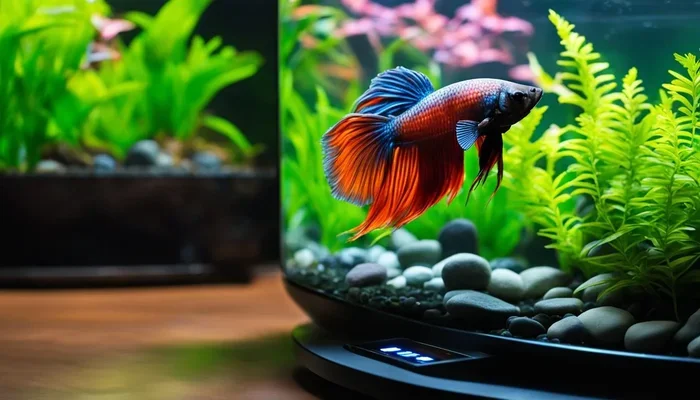
Can Corydoras Catfish Live with Betta Fish

Yes, corydoras catfish can share a tank with betta fish when the right conditions are met. By providing plenty of space, hiding spots, and compatible water parameters, both species can thrive together without stress.
Key Takeaways
- Temperament matters: Choose peaceful cory species and a calm betta to avoid aggression.
- Tank size is critical: A minimum of 10‑20 gallons gives enough room for both.
- Water parameters must match: Keep temperature, pH, and hardness within the overlap range.
- Provide hiding places: Plants, driftwood, and caves reduce stress for both fish.
- Feed wisely: Offer foods that suit both bettas and corys to prevent competition.
- Monitor behavior: Watch for signs of stress and be ready to separate if needed.
- Start slow: Acclimate new fish gradually to give both species time to adjust.
📑 Table of Contents
- Introduction: Why Pair Corydoras and Bettas?
- 1. Understanding the Temperament of Both Species
- 2. Matching Water Parameters
- 3. Choosing the Right Tank Size and Setup
- 4. Selecting Compatible Corydoras Species
- 5. Feeding Both Species Without Competition
- 6. Monitoring Compatibility and When to Separate
- 7. Frequently Overlooked Tips
- Conclusion: A Peaceful Partnership Is Possible
Introduction: Why Pair Corydoras and Bettas?
Betta fish are famous for their vibrant colors and flowing fins, while corydoras catfish are the quiet, bottom‑dwelling cleaners of the aquarium world. At first glance, these two seem like an odd couple, but many hobbyists wonder can corydoras catfish live with betta fish in the same tank. The answer is a qualified “yes,” provided you understand each species’ needs and set up the environment correctly.
In this guide we’ll break down the temperament, water requirements, tank size, and practical tips that make a mixed betta‑cory community possible. We’ll also compare corydoras to other popular tank mates so you can decide if they’re the best choice for your betta’s home.
1. Understanding the Temperament of Both Species
Betta fish behavior
Bettas (Betta splendens) are often called “fighting fish” because males can be territorial, especially toward other bright, flowing‑fin fish. However, a calm betta that has been raised in a community setting can be surprisingly tolerant. The key is to avoid flashy, long‑finned species that might trigger a defensive response.

Visual guide about Can Corydoras Catfish Live with Betta Fish
Image source: cdn.mapianist.com
Corydoras catfish personality
Corydoras are peaceful, schooling catfish that spend most of their time at the bottom of the tank, scavenging for leftover food. They rarely bother other fish and are not known to provoke aggression. Their shy nature makes them ideal “quiet neighbors” for a betta.
Do they get along?
When you ask can corydoras catfish live with betta fish, the short answer is yes, as long as the betta isn’t overly aggressive and the tank provides enough space. Corys are too low‑profile to be seen as a threat, and most bettas ignore them after the initial curiosity passes.
2. Matching Water Parameters
Temperature
Bettas thrive at 76‑82°F (24‑28°C). Most corydoras species prefer 72‑78°F (22‑26°C). The overlapping range of 76‑78°F is ideal for a mixed tank. Use a reliable heater and a thermometer to keep the water steady.

Visual guide about Can Corydoras Catfish Live with Betta Fish
Image source: wallpaperbat.com
pH and hardness
Bettas like slightly acidic to neutral water (pH 6.5‑7.5). Corydoras are adaptable but generally prefer a pH of 6.0‑7.0 and soft to moderately hard water (dGH 3‑12). Aim for a pH around 6.8 and a moderate hardness to keep both happy.
Water quality
Both species are sensitive to ammonia and nitrite spikes. A well‑cycled filter and regular water changes (20‑30% weekly) are essential. Good water quality also helps corydoras display their best foraging behavior, which in turn keeps the tank cleaner for the betta.
3. Choosing the Right Tank Size and Setup
Minimum tank size
While a single male betta can live in a 5‑gallon tank, adding corydoras changes the equation. A 10‑gallon tank is the absolute minimum for a small group of 3‑4 corys and a betta. For a more comfortable setup, aim for 20 gallons. This extra space reduces territorial disputes and gives corys room to school.
Visual guide about Can Corydoras Catfish Live with Betta Fish
Image source: renalfellow.org
Layout and décor
- Plants: Live or silk plants provide cover for the betta and grazing areas for corys.
- Driftwood and rocks: Create caves and tunnels where corys can hide and the betta can rest.
- Substrate: Soft sand or fine gravel is best for corydoras, as they love to sift through it.
Providing vertical height with tall plants and surface foliage also gives the betta an extra dimension to explore, reducing boredom.
Filtration
A gentle flow filter is ideal. Corydoras are bottom dwellers and can be stressed by strong currents, while bettas prefer calm water near the surface. A sponge filter or a canister set to low flow works well.
4. Selecting Compatible Corydoras Species
Popular choices
Not all corydoras are the same size or temperament. Here are three beginner‑friendly species that pair nicely with bettas:
- Pygmy Cory (Corydoras pygmaeus): Stays under 1 inch, perfect for small tanks.
- Bronze Cory (Corydoras aeneus): Hardy, active, and reaches about 2.5 inches.
- Peppered Cory (Corydoras paleatus): Striking pattern, grows to 2‑3 inches, and is very peaceful.
What to avoid
Large species like the Giant Cory (Corydoras barbatus) can outgrow a community tank quickly and may dominate the bottom space, making the betta feel crowded. Also, avoid corys with very bright coloration that could trigger a betta’s aggression.
5. Feeding Both Species Without Competition
Diet basics
Bettas are carnivorous and love protein‑rich foods such as high‑quality pellets, frozen brine shrimp, and bloodworms. Corydoras are omnivores; they enjoy sinking wafers, blanched vegetables, and occasional protein treats.
Feeding strategy
- Separate feeding zones: Drop betta pellets near the surface and let corys forage at the bottom.
- Use a feeding dish: Place a small dish in a corner for the betta, then scatter sinking food for corys elsewhere.
- Feed small amounts: Offer what they can eat in 2‑3 minutes to prevent leftovers that foul the water.
By feeding at different levels, you minimize competition and keep both fish healthy.
6. Monitoring Compatibility and When to Separate
Signs of stress
Watch for these red flags that indicate the betta or corys are not getting along:
- Betta flaring at the bottom and chasing corys.
- Corydoras hiding constantly, showing ragged fins, or losing appetite.
- Frequent nipping or fin damage on either fish.
What to do if problems arise
If you notice aggression, consider rearranging décor to break line‑of‑sight, adding more hiding spots, or increasing tank size. In persistent cases, a temporary divider or a separate quarantine tank may be necessary.
Long‑term outlook
Most successful betta‑cory communities last for years with proper care. Regular water testing, consistent feeding, and attentive observation are the keys to a harmonious tank.
7. Frequently Overlooked Tips
Use a “soft start” approach
Introduce the corys first and let the betta see them as part of the environment before adding the betta. Alternatively, add the betta first, then slowly acclimate the corys using a drip method.
Consider a community guide
For more ideas on mixing fish, check out our article on what other fish can live with betta fish. It offers a broader view of compatible species and tank setups.
Mind the tank mates of corys
If you already have other bottom dwellers like loaches, make sure they are not aggressive. A mixed bottom community can work, but each addition should be evaluated individually.
Conclusion: A Peaceful Partnership Is Possible
The short answer to can corydoras catfish live with betta fish is a confident yes—provided you respect the needs of both. By matching water parameters, offering ample space, and giving each fish its own territory, you can enjoy the dazzling colors of a betta alongside the charming antics of corydoras. Remember to start slowly, monitor behavior, and adjust the environment as needed. With these steps, your aquarium will become a thriving, peaceful community that showcases the best of both worlds.
Frequently Asked Questions
Can a male betta live with multiple corydoras?
Yes, a calm male betta can share a tank with a small school of 3‑5 corydoras if the tank is large enough and there are plenty of hiding spots.
Do corydoras need a heated tank for bettas?
Corydoras can tolerate the betta’s temperature range. Keeping the water at 76‑78°F satisfies both species.
What should I do if my betta attacks the corydoras?
First, add more décor to break sight lines. If aggression continues, consider a larger tank or a temporary divider until the betta calms down.
Can I keep other bottom‑dwelling fish with betta and corydoras?
Yes, but choose peaceful species like small loaches or shrimp. Always check compatibility; see can betta fish live with shrimp for guidance.
How often should I feed a mixed betta‑cory tank?
Feed small portions twice daily, offering surface pellets for the betta and sinking wafers for the corys. Remove any uneaten food after a few minutes.
Is a 10‑gallon tank enough for a betta and corydoras?
A 10‑gallon tank is the minimum and works for a single betta with a small group of pygmy corys, but a 20‑gallon tank provides more stability and less stress.