Are Betta Cold Water Fish

Betta fish are not cold‑water fish; they thrive in warm, tropical conditions. Keeping them in water below 72°F can cause stress, illness, and a shortened lifespan. This guide explains why temperature matters and how to create the perfect environment for your betta.
Key Takeaways
- Betta temperature range: 76‑82°F (24‑28°C) is optimal for health and color.
- Cold water risks: Low temps weaken the immune system, slow metabolism, and can lead to fungal infections.
- Heating solutions: Affordable submersible heaters and insulated tanks keep water stable.
- Water quality matters: Proper pH, hardness, and regular changes are as crucial as temperature.
- Monitoring tools: Reliable digital thermometers help you spot temperature swings early.
- Seasonal adjustments: Winter rooms may need extra insulation or a backup heater.
- Common myths: Betta fish are not “hardy” enough to live in cold tap water without heating.
📑 Table of Contents
- Introduction: The Warm‑Blooded Beauty of Betta Fish
- 1. What Temperature Is Truly “Cold” for Betta Fish?
- 2. Why Betta Fish Are Not Cold‑Water Species
- 3. How to Keep Your Betta in the Right Temperature Range
- 4. Common Mistakes When Managing Betta Temperature
- 5. Frequently Asked Questions About Betta Temperature
- 6. Practical Tips for a Happy, Healthy Betta
- Conclusion: Warm Hearts Need Warm Water
Introduction: The Warm‑Blooded Beauty of Betta Fish
If you’ve ever watched a betta flare its brilliant fins, you’ve seen a creature built for warm, shallow waters. Native to the rice paddies and slow‑moving streams of Southeast Asia, bettas evolved in water that stays comfortably tropical year‑round. That’s why the question “are betta cold water fish?” pops up so often among beginners.
In this article we’ll break down the science behind betta temperature needs, explain what happens when the water gets too cold, and give you step‑by‑step tips to keep your fish thriving. Think of it as a friendly chat over a cup of tea—simple language, clear examples, and plenty of practical advice.
1. What Temperature Is Truly “Cold” for Betta Fish?
Defining “cold” in the betta world
For most tropical fish, anything below 72°F (22°C) feels chilly. Betta fish are no exception. Their ideal range sits between 76°F and 82°F (24°C‑28°C). When the water drops below 72°F, you’ve entered the “cold” zone that can stress a betta.
The natural habitat clue
In the wild, bettas inhabit warm, stagnant pools where sunlight keeps the water temperature steady. Seasonal fluctuations are minimal because the water is shallow and receives direct heat from the sun.
Quick reference
- Cold water: Below 72°F (22°C)
- Comfort zone: 76‑82°F (24‑28°C)
- Upper limit: 86°F (30°C) – avoid prolonged exposure
2. Why Betta Fish Are Not Cold‑Water Species
Metabolism and digestion
Betta metabolism speeds up in warm water, allowing them to digest food efficiently. In colder water, digestion slows dramatically, leading to leftover food that pollutes the tank.

Visual guide about Are Betta Cold Water Fish
Image source: i.pinimg.com
Immune system impact
Cold temperatures suppress the betta’s immune response, making them vulnerable to fin rot and fungal infections. A healthy betta in proper temperature shows bright colors and active swimming.
Behavioral changes
When the water is too cold, bettas become lethargic, hide more, and may stop flaring their fins. This is a clear sign they are uncomfortable.
3. How to Keep Your Betta in the Right Temperature Range
Choosing the right heater
Submersible heaters are the most common solution. Look for a model with an adjustable thermostat and a safety shut‑off. A 25‑watt heater works well for a 2‑5‑gallon tank.
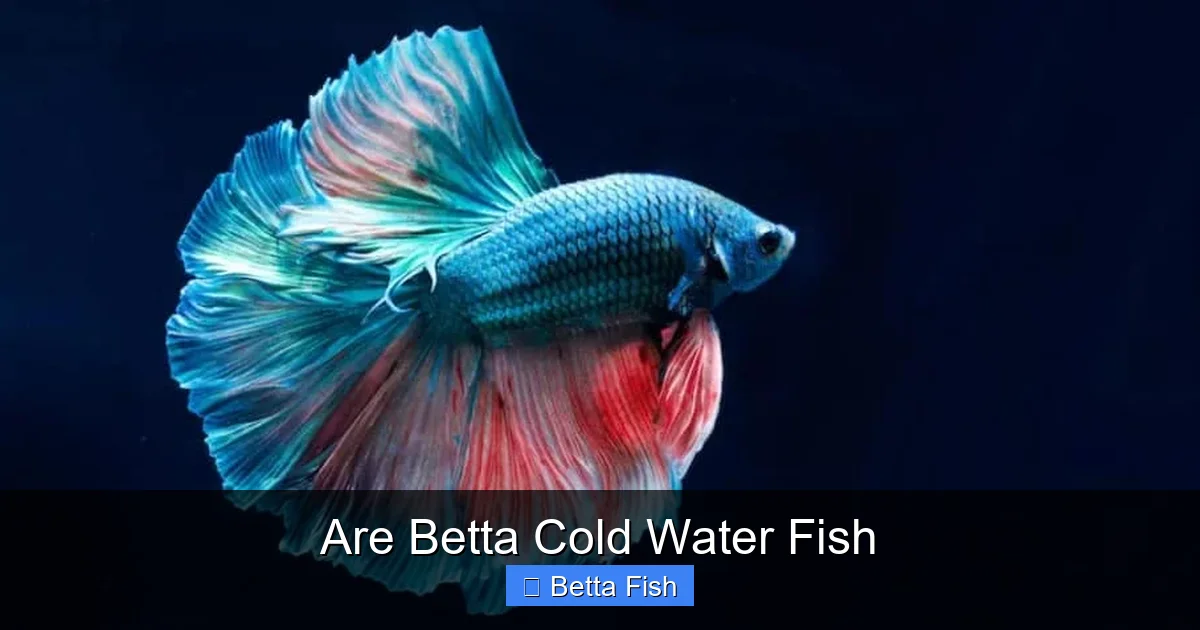
Visual guide about Are Betta Cold Water Fish
Image source: bettafishworld.com
Using a reliable thermometer
Digital stick‑on or floating thermometers give instant readings. Place the thermometer in the water flow area, not near the heater, for an accurate average.
Insulating the tank
During winter, wrap the tank in a neoprene sleeve or place it on a insulated stand. This reduces heat loss and helps the heater maintain a steady temperature.
Seasonal adjustments
If your room temperature drops at night, consider a thermostat‑controlled heater that automatically turns on when the water falls below your set point.
4. Common Mistakes When Managing Betta Temperature
Relying on room temperature alone
Even if your home feels warm, the water can be several degrees cooler. Without a heater, the tank temperature can dip into the cold range, especially at night.
Over‑heating
Setting the heater too high (above 86°F) can cause stress and reduce oxygen levels. Always aim for the middle of the comfort zone.
Using the wrong type of water
Cold tap water often contains chlorine and may be too soft. For a stable environment, see our guide on what water to use for betta fish. Proper conditioning ensures the water is safe and the temperature is consistent.
5. Frequently Asked Questions About Betta Temperature
Can bettas survive in unheated tanks?
In warm climates where room temperature stays above 75°F, a betta can survive without a heater, but it’s still risky. A sudden cold snap can be fatal.
Do bettas need a heater in a heated room?
Yes. Even a heated room can have temperature swings. A small heater guarantees the water stays within the ideal range.
How often should I check the temperature?
Check at least twice daily—once in the morning and once at night. If you notice fluctuations, adjust the heater or add insulation.
Is a betta a tropical fish?
Absolutely. Betta fish belong to the tropical family of Betta splendens, which is why they share temperature needs with other tropical species. Learn more in our article on are betta fish tropical fish.
What temperature should the water be for a betta fish?
For detailed guidelines, see what temperature should water be for a betta fish. In short, aim for 76‑82°F (24‑28°C).
6. Practical Tips for a Happy, Healthy Betta
Regular water changes
Changing 25‑30% of the water weekly helps maintain stable temperature and water quality. Follow our step‑by‑step guide on how often change betta fish water.
Monitor behavior
Active swimming, flaring, and bright colors indicate a happy betta. Lethargy, clamped fins, or faded color mean something is off—often temperature.
Use live plants
Live plants like Anubias or Java fern provide natural shelter and help regulate temperature slightly. They also improve water oxygenation.
Maintain proper pH and hardness
Betta fish prefer a pH of 6.5‑7.5 and moderate hardness. Use a test kit weekly and adjust with conditioners as needed.
Conclusion: Warm Hearts Need Warm Water
Answering the question “are betta cold water fish?” is simple: they are not. Betta fish thrive in warm, stable temperatures that mimic their tropical origins. By providing a reliable heater, monitoring the water with a good thermometer, and keeping the environment clean, you give your betta the best chance to show off its dazzling colors and lively personality.
Remember, a betta’s health is a direct reflection of the water you provide. Keep it warm, keep it clean, and enjoy the spectacular display of one of the most popular freshwater fish on the hobby market.
Frequently Asked Questions
Do betta fish need a heater in a heated room?
Yes. Even if the room feels warm, water temperature can drop at night. A small heater ensures the water stays within the 76‑82°F range.
Can bettas live in unheated tanks during summer?
In hot summer months, the ambient temperature may keep the water warm enough, but you still need to watch for sudden cool evenings.
What are the signs a betta is too cold?
Lethargic swimming, clamped fins, loss of color, and reduced appetite are common indicators of cold stress.
How often should I test the water temperature?
Check twice daily—morning and night—and after any heater adjustments or seasonal changes.
Is a 2‑gallon tank sufficient for a betta?
A 2‑gallon tank can work if it has a heater and regular water changes, but larger volumes (5‑gallon) provide more stable temperature.
Do bettas require special water conditioners?
Yes. Use a conditioner that removes chlorine and chloramines and stabilizes pH, especially if using tap water.