Betta fins can regrow, but success depends on the cause, water quality, and proper care. Identify the problem, treat it promptly, and give your fish a stress‑free environment to boost fin regeneration.
Key Takeaways
- Regeneration is possible: Healthy bettas can grow back damaged fins if stressors are removed.
- Cause matters: Injury, disease, or poor water conditions each require a different approach.
- Water quality is critical: Clean, stable parameters give fins the best chance to heal.
- Nutrition helps: High‑protein, vitamin‑rich foods support tissue repair.
- Patience is key: Fin regrowth can take weeks to months; avoid unnecessary handling.
- Prevent future loss: Proper tank mates, décor, and handling reduce fin damage.
- Seek veterinary help: Persistent or severe fin loss may need professional treatment.
📑 Table of Contents
Introduction: Why Betta Fins Matter
Betta fish are famous for their dazzling fins. Those flowing tails and delicate dorsal sails aren’t just for show—they’re a sign of health. When a fin starts to fray, curl, or disappear, many owners panic and ask, “Will my betta fish fins grow back?” The short answer is yes, but the journey from torn to terrific depends on several factors.
In this article we’ll break down the biology of fin regeneration, explore the most common reasons fins get damaged, and give you a step‑by‑step plan to encourage healthy regrowth. Think of it as a friendly chat over a cup of tea, with plenty of practical tips you can start using today.
How Betta Fins Regrow: The Science Behind the Magic
Fin anatomy basics
Betta fins are made of thin, flexible rays called lepidotrichia, covered by a thin skin layer. When a fin is injured, the fish’s body launches a repair crew of fibroblasts and epithelial cells that start rebuilding the rays.

Visual guide about Will My Betta Fish Fins Grow Back
Image source: livedoor.blogimg.jp
Stages of regeneration
- Inflammation (1‑3 days): Blood clot forms, white blood cells clean debris.
- Proliferation (4‑10 days): New cells multiply, creating a thin “blastema” that will become the new fin tissue.
- Remodeling (2‑4 weeks): The new fin stretches, hardens, and takes on its original shape.
Complete regrowth can take anywhere from two weeks to several months, depending on the fin’s size and the fish’s overall health.
Common Causes of Fin Damage
Physical injuries
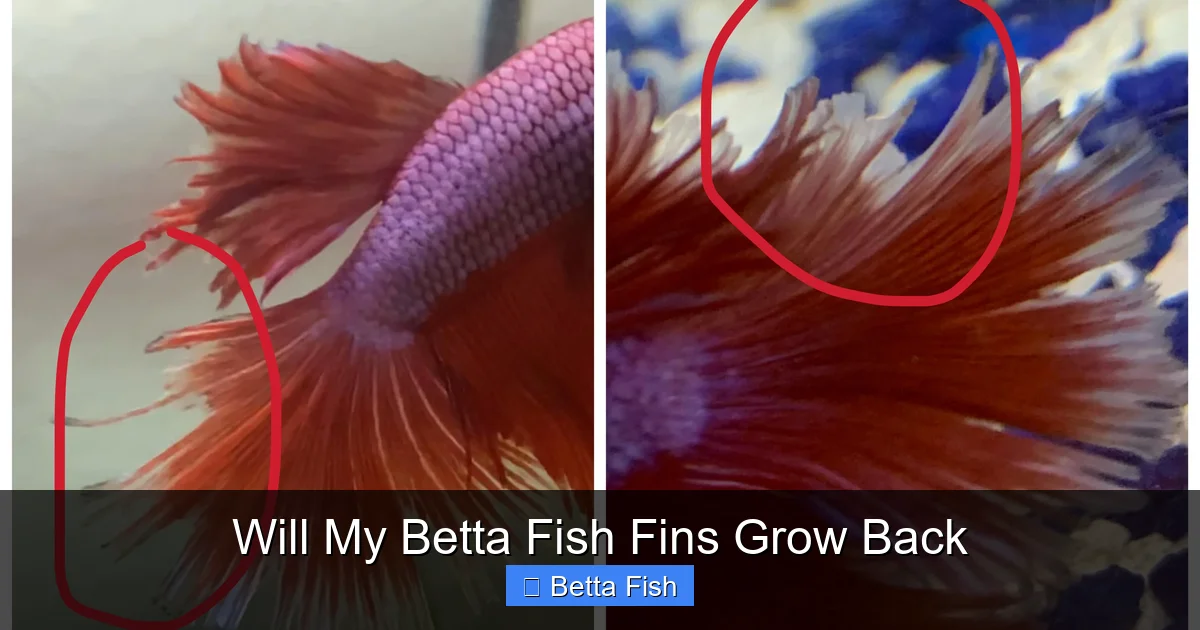
Sharp décor, aggressive tank mates, or even a careless hand can tear a fin. If the injury is clean (no ragged edges), the fin is more likely to regrow fully.
Visual guide about Will My Betta Fish Fins Grow Back
Image source: i.redd.it
Fin rot and fungal infections
These are bacterial or fungal invasions that cause the fin edges to look shredded or frayed. Why does my betta fish fins look shredded explains the signs in detail.
Water quality problems
High ammonia, nitrite spikes, or low pH stress the fish’s immune system, making fin loss more likely. Regular water changes and proper filtration are essential.
Genetics and age
Some bettas are born with shorter or thinner fins. Older fish may naturally lose fin length as tissues weaken.
Step‑by‑Step Guide to Help Fins Grow Back
1. Diagnose the problem
Look closely at the fin. Is it a clean cut, a ragged edge, or a mushy, discolored patch? Matching the symptom to a cause (injury vs. infection) tells you which treatment to use.
2. Improve water conditions immediately
- Test ammonia, nitrite, nitrate, and pH daily.
- Do a 25‑30% water change with conditioned water.
- Ensure the filter runs at least 4‑5 times the tank volume per hour.
3. Treat infections
If you see white fuzz or a “mushy” look, start an antibacterial or antifungal dip. A common regimen is Melafix (antibacterial) for 5‑7 days, followed by API Fungus Control if needed. Always follow product instructions.
4. Adjust diet for regeneration
- Offer high‑protein foods like brine shrimp or bloodworms 3‑4 times a week.
- Add a vitamin supplement rich in Vitamin C and B‑complex.
- Avoid overfeeding; excess waste can degrade water quality.
5. Reduce stressors
Keep the tank in a quiet area, avoid rapid temperature changes, and limit handling. If you have other fish, consider a separate hospital tank to prevent aggression.
6. Be patient and monitor
Check the fin daily. New growth appears as a faint, transparent edge. If the fin stops improving after 4‑6 weeks, revisit water parameters and consider a veterinary check.
When to Seek Professional Help
If the fin continues to deteriorate, becomes blackened, or the fish shows other signs of illness (loss of appetite, lethargy, discoloration), it may need a professional diagnosis. A vet experienced with fish can prescribe stronger antibiotics or antifungals.
Preventing Future Fin Loss
Tank setup tips
- Use smooth decorations—no sharp edges.
- Maintain a temperature between 76‑80°F (24‑27°C).
- Provide plenty of hiding spots to reduce stress.
Choosing tank mates wisely
Betas are territorial. If you keep other fish, select peaceful, non‑fin‑nipping species. Read what fish can i put with my betta for safe options.
Regular health checks
Weekly visual inspections help you catch early signs of fin damage or disease. Early action is the fastest route to regrowth.
Conclusion: Hope for Those Tattered Fins
So, will my betta fish fins grow back? Yes—provided you identify the cause, keep the water pristine, feed a nutritious diet, and give the fish a calm environment. Fin regeneration is a natural process, but it needs your help to run smoothly. With the steps outlined above, you’ll give your betta the best chance to flaunt those beautiful, flowing fins once again.
Frequently Asked Questions
Can all types of fin damage heal?
Most clean cuts and minor infections can heal, but severe rot that has eaten deep into the fin tissue may not fully regrow.
How long does it usually take for a fin to grow back?
Small tears may close in 2‑3 weeks, while larger fins can take 6‑8 weeks or longer.
Is it safe to use medication in a community tank?
Some meds harm beneficial bacteria or other fish. It’s best to treat in a separate hospital tank.
What signs indicate a fin infection?
Look for ragged edges, white or black spots, a mushy texture, and a foul odor.
Do bettas need special lighting for fin healing?
Normal aquarium lighting is fine; avoid excessive UV or very bright lights that can stress the fish.
Can diet alone fix fin loss?
Nutrition supports healing but won’t cure an infection or fix poor water conditions. Use it as part of a comprehensive plan.

