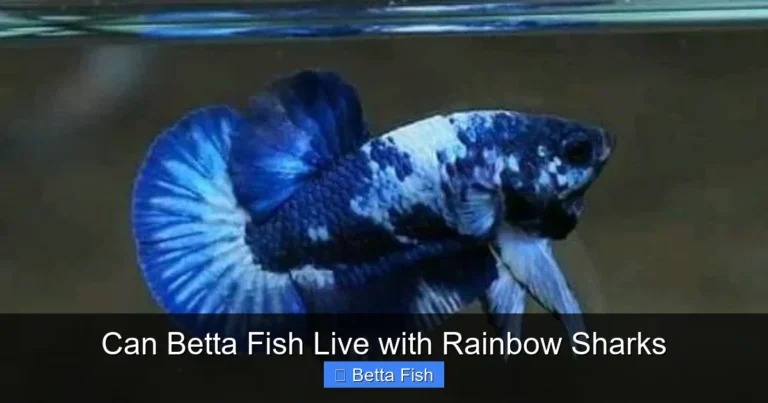
Why My Betta Fish Is Blowing Bubbles
Betta fish blow bubbles for many reasons—from natural breathing to building a nest. Understanding the behavior helps you spot health issues, improve water quality, and create a thriving aquarium.
Key Takeaways
- Normal breathing: Bubbles are often a sign of healthy gill function.
- Bubble nest building: Males create nests when ready to breed.
- Water quality cues: Excess bubbles can signal poor oxygen or high temperature.
- Stress indicators: Erratic bubbling may mean stress, disease, or improper tank setup.
- Tank maintenance: Regular cleaning and proper filtration reduce unwanted bubbling.
- Diet matters: Over‑feeding or inappropriate foods can cause excess air intake.
- When to act: Recognize red‑flag symptoms and intervene before problems worsen.
📑 Table of Contents
Introduction
If you’ve ever watched your betta fish puff out a stream of bubbles, you might wonder what’s going on behind that tiny performance. Is it a cute trick, a sign of illness, or something else entirely? The short answer is: it can be all of the above.
Betta fish (Betta splendens) are famous for their vibrant colors and flamboyant fins, but they’re also fascinating bubble‑makers. By learning why your betta fish is blowing bubbles, you’ll gain insight into its health, environment, and even its mood. In this guide we’ll break down the most common reasons, show you how to tell good bubbles from bad, and give you practical tips to keep your fish thriving.
1. Natural Breathing and Gulping Air
How bettas breathe
Betta fish are labyrinth fish. They possess a special organ that allows them to breathe air directly from the surface. When you see a single bubble rise to the water’s surface, the fish is simply taking a gulp of oxygen.
Visual guide about Why My Betta Fish Is Blowing Bubbles
Image source: livedoor.blogimg.jp
What normal breathing looks like
- Occasional bubbles every few minutes.
- Bubbles rise straight up, not in clusters.
- Fish swims calmly after surfacing.
If this pattern matches what you observe, your betta is probably just taking a breath—nothing to worry about.
2. Bubble Nest Building
Why males build nests
Male bettas create bubble nests as part of their breeding ritual. The nest is a floating “cushion” of bubbles that holds eggs and keeps them oxygen‑rich. A healthy, motivated male will often start building a nest even if you don’t have a female present.

Visual guide about Why My Betta Fish Is Blowing Bubbles
Image source: as2.ftcdn.net
Identifying a nest‑building betta
- Clusters of bubbles clumped together at the water’s surface.
- Bubbles are larger and more cohesive than normal breathing bubbles.
- The male may flare his fins and display more aggressively.
When you see this behavior, it’s a good sign that your fish is comfortable and ready to reproduce. If you want to encourage breeding, provide a separate breeding tank, hide a few plants, and keep the water temperature around 78‑80°F (25‑27°C).
3. Water Quality and Oxygen Levels
Low dissolved oxygen
In poorly aerated water, bettas will gulp more frequently, creating a noticeable increase in surface bubbles. Stagnant water, overcrowding, or a malfunctioning filter can all lower dissolved oxygen.
Visual guide about Why My Betta Fish Is Blowing Bubbles
Image source: cache3.pakwheels.com
Testing and fixing oxygen problems
- Use a dissolved oxygen test kit; aim for 5‑7 mg/L.
- Add a gentle air stone or increase surface agitation with a small powerhead.
- Perform regular water changes (25‑30 % weekly) to keep parameters stable.
Improving oxygen levels not only reduces excessive bubbling but also supports overall fish health.
4. Temperature and Metabolism
Heat‑induced breathing
Warmer water speeds up a betta’s metabolism, causing it to need more oxygen. If the tank temperature creeps above 82°F (28°C), you may notice more frequent bubbling as the fish works harder to get enough oxygen.
Keeping temperature in check
- Use an aquarium heater with a reliable thermostat.
- Check the temperature daily with a calibrated thermometer.
- Maintain a range of 76‑80°F (24‑27°C) for most bettas.
Consistent temperature helps keep bubbling behavior normal and prevents stress.
5. Stress, Illness, and Improper Tank Setup
When bubbles signal a problem
Excessive, frantic bubbling—especially if accompanied by gasping at the surface, clamped fins, or loss of appetite—can indicate stress or disease. Common culprits include:
- High ammonia or nitrite levels.
- Incompatible tank mates (even other bettas).
- Insufficient hiding places.
- Illnesses such as velvet or ich.
What to do
- Test water for ammonia, nitrite, and nitrate; keep ammonia and nitrite at 0 ppm.
- Increase filtration or add a biological filter.
- Provide plants or decorations for shelter.
- Observe for other symptoms; if you suspect disease, treat promptly with appropriate medication.
For a deeper dive into stress‑related bubbling, see our article on why is my betta fish hiding. Recognizing early warning signs can save your fish’s life.
6. Feeding Habits and Over‑Feeding
Air intake from food
Some bettas gulp air while eating floating foods, especially if the food is large or heavy. Over‑feeding can also lead to excess waste, which depletes oxygen and triggers more bubbling.
Feeding tips
- Feed small amounts 2‑3 times a day; only what they can eat in 2‑3 minutes.
- Use sinking pellets or finely chopped frozen foods to reduce surface gulping.
- Remove uneaten food after feeding to keep water clean.
Proper feeding not only curbs unnecessary bubbles but also supports better water quality.
Conclusion
Understanding why your betta fish is blowing bubbles equips you to provide the best possible care. Whether the bubbles are a sign of normal breathing, a budding bubble nest, or a red flag for water quality, each scenario offers clues about your fish’s environment and health. By monitoring temperature, oxygen, diet, and tank setup, you can keep bubbling behavior in the healthy range and enjoy a vibrant, active betta for years to come.
Remember, a happy betta often shows off its bubbles proudly. If you ever doubt what you see, consult trusted resources—like our guide on why is my betta fish blowing bubbles—or reach out to a knowledgeable aquarium specialist.
Frequently Asked Questions
Why does my betta fish make bubbles when it surfaces?
Betta fish have a labyrinth organ that lets them breathe air from the surface. A single bubble usually means the fish is taking a normal breath.
Is a bubble nest a sign that my betta is ready to breed?
Yes, male bettas build bubble nests when they are mature and feel comfortable enough to attract a female for spawning.
What water conditions cause my betta to gulp more bubbles?
Low dissolved oxygen, high temperature, or poor filtration can make a betta gulp more often, creating extra bubbles at the surface.
Can bubbles indicate that my betta is sick?
Excessive, frantic bubbling combined with other symptoms (gasping, loss of appetite, clamped fins) may point to stress or illness and should be investigated.
How can I reduce unwanted bubbling in my tank?
Maintain proper temperature, improve aeration with an air stone, keep the water clean with regular changes, and avoid over‑feeding.
Do female bettas build bubble nests?
Female bettas rarely build nests. If you see a nest‑like structure, it’s most likely a male preparing for breeding.