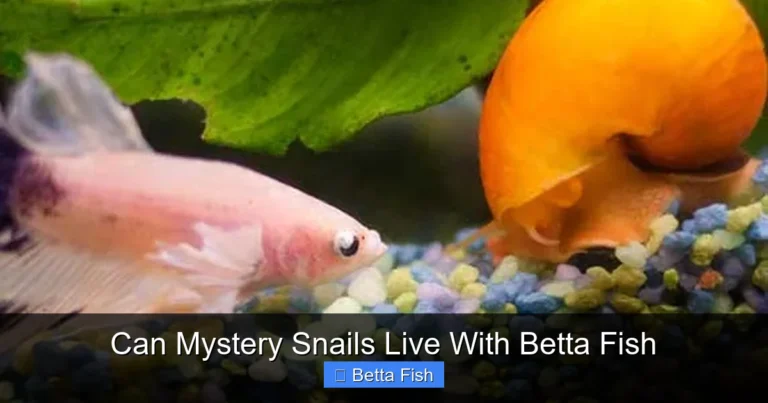
Why My Betta Fish Is Losing Color
Betta fish lose color for many reasons—stress, water issues, diet, disease, or genetics. By checking water quality, feeding a balanced diet, and reducing stress, you can often bring the brilliance back. Quick fixes and long‑term care tips are covered below.
Key Takeaways
- Water quality matters: Poor parameters are the top cause of fading colors.
- Stress triggers loss: Overcrowding, aggressive tank mates, and bright lights can dull pigments.
- Nutrition is key: A varied, high‑protein diet fuels vibrant scales.
- Health issues show up as color loss: Parasites, bacterial infections, and fungal growth often start with faded hues.
- Genetics play a role: Some bettas naturally fade as they age.
- Regular maintenance prevents problems: Weekly water changes and clean décor keep colors bright.
- Early intervention works: Spotting the first sign of fading can save your fish.
📑 Table of Contents
Introduction
Betta fish are famous for their brilliant tails and striking colors. When that sparkle starts to fade, it feels like a personal loss. You might wonder, “Why is my betta fish losing color?” The answer is rarely simple—often a mix of environment, health, and genetics.
In this article we’ll walk through the most common reasons a betta’s hue can dim, how to diagnose the problem, and step‑by‑step solutions you can start today. Think of it as a friendly chat with a fellow hobbyist who wants your fish to look its best.
1. Water Quality – The Foundation of Color
Why clean water matters
Betta fish breathe through a labyrinth organ that extracts oxygen from the water. If the water is dirty or chemically imbalanced, the fish becomes stressed and its pigments recede. Even a small rise in ammonia (above 0 ppm) can cause the bright reds and blues to look washed out.
Key parameters to monitor
- Ammonia & Nitrite: Keep both at 0 ppm.
- Nitrate: Below 20 ppm is ideal.
- pH: A stable range of 6.5‑7.5 works for most bettas.
- Temperature: 76‑82 °F (24‑28 °C) keeps metabolism steady.
Practical water‑care routine
1. Test water weekly with a liquid test kit.
2. Perform a 25‑30 % water change every 5‑7 days.
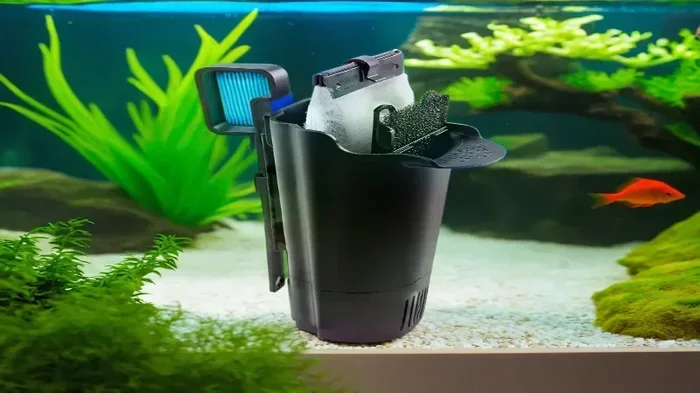
3. Use a gentle filter designed for small tanks; avoid strong currents that stress the fish.
If you suspect water quality is the culprit, start with a partial water change and re‑test after 24 hours. You’ll often see the colors brighten within a few days.
2. Stress Factors That Bleach the Brightness
Common stressors
Stress is a silent color‑stealer. Over‑crowding, aggressive tank mates, sudden temperature shifts, and excessive lighting can all cause a betta to lose its vivid hue.
How to create a stress‑free zone
- Tank size: A minimum of 2.5 gallons (10 L) gives enough space to swim.
- Solo living: Male bettas should live alone; females can be kept in a sorority with plenty of hiding spots.
- Lighting schedule: Provide 8‑10 hours of light daily; use a dimmer or a floating plant to break up harsh glare.
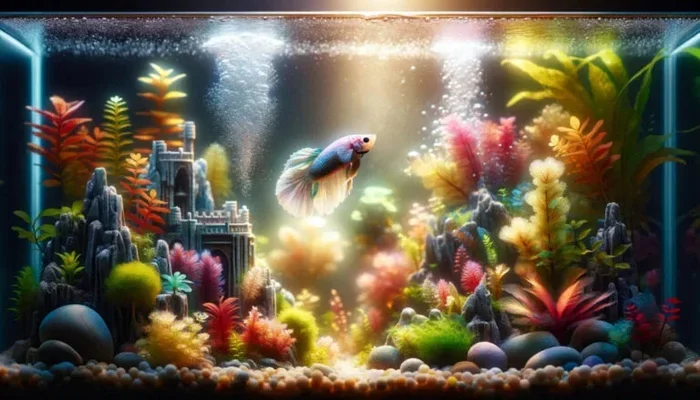
- Decor: Add live or silk plants for shelter and reduce stress.
Notice your fish hiding constantly or floating near the surface? Those are classic stress signals that often precede color loss.
3. Nutrition – Feeding the Pigment Machine
What bettas need
Betta fish are carnivores. Their natural diet is rich in protein, which supplies the melanin and iridophores that create vivid colors. Low‑quality flakes or a diet lacking variety can make the fish look pale.
Best foods for bright colors
- High‑protein pellets: Look for 30‑40 % protein content.
- Live or frozen foods: Daphnia, bloodworms, and brine shrimp are color‑boosting treats.
- Vegetable supplements: Small amounts of blanched peas improve digestion and overall health.
Feeding schedule
Feed small portions 2‑3 times a day. Over‑feeding leads to water quality decline, which circles back to color loss. A good rule: only give what the fish can eat in 2‑3 minutes.
4. Health Issues That Appear as Faded Scales
Parasites, bacteria, and fungi
Infections often start with a loss of color before other signs appear. Look for white spots, frayed fins, or a cotton‑like growth on the body. If you see these, act fast.
When to treat
- Spot treatment: Use a dip with a commercial betta medication for minor fungal patches.
- Systemic treatment: For widespread bacterial infections, add a water‑soluble antibiotic following the product instructions.
For a deeper dive into disease‑related color changes, see our article Why Did My Betta Fish Lose Its Color which outlines symptoms and treatment options.
5. Genetics and Age – When Fading Is Natural
Natural pigment changes
Some bettas are bred for intense colors that fade as they mature. A young fry may be a brilliant electric blue, but by the time it’s a year old, the hue can soften to a pastel shade. This is normal and not a sign of illness.
How to work with genetics
If you’re buying from a reputable breeder, ask about the line’s color stability. Selecting a strain known for long‑lasting pigments (e.g., Halfmoon, Crowntail) can reduce the chance of premature fading.
6. Quick Fixes and Long‑Term Strategies
Immediate actions
- Test water and perform a 30 % change.
- Check temperature and adjust heater if needed.
- Offer a high‑protein treat (e.g., frozen bloodworm) to boost pigment.
- Reduce lighting to 8 hours and add a leaf or plant for shade.
Long‑term care plan
- Weekly routine: Test, change, and clean décor.
- Monthly diet rotation: Alternate pellets with live/frozen foods.
- Quarterly health check: Look for fin rot, white spots, or abnormal behavior.
By keeping a consistent schedule, you’ll give your betta the best chance to keep its colors vivid for years.
Conclusion
Seeing a betta’s brilliant scales turn dull can be worrying, but most cases have a clear cause you can address. Start with water quality, reduce stress, feed a protein‑rich diet, and watch for signs of disease. Remember that genetics and age also play a role, so not every fading episode is a disaster.
Take the steps outlined above, monitor your fish closely, and you’ll likely see the sparkle return. A healthy, colorful betta is a happy betta— and that makes the hobby even more rewarding.
Frequently Asked Questions
Why is my betta fish turning white?
White patches often indicate stress, poor water quality, or a fungal infection. Check parameters, improve filtration, and consider a antifungal dip if needed.
Can a betta lose color because of overfeeding?
Overfeeding itself doesn’t directly bleach colors, but excess food pollutes the water, raising ammonia and stressing the fish, which can cause fading.
How long does it take for colors to return after fixing water issues?
Most bettas show improvement within 3‑7 days of a proper water change and parameter correction. Consistent care will continue the recovery.
Is it normal for a betta’s colors to change as it ages?
Yes. Many bettas naturally lose intensity after a year or two. This is genetic and not a sign of illness.
What should I do if my betta’s fins are also turning white?
White fins often signal fin rot or a fungal infection. Isolate the fish, improve water quality, and treat with a suitable medication.
Can lighting affect my betta’s color?
Too much bright light can stress a betta and cause colors to dull. Provide 8‑10 hours of moderate lighting and use plants or décor to create shaded areas.