Why Is My Betta Fish Turning Darker

Seeing your betta fish turn darker can be alarming, but it’s often a clue about its environment, health, or mood. This guide explains the most common reasons, from stress and water quality to natural color shifts, and offers easy‑to‑follow tips to restore that bright sparkle. Read on to protect your fish and keep its colors shining.
Key Takeaways
- Stress is a top cause: Poor water, cramped space, or aggressive tank mates can make a betta darken.
- Health issues matter: Parasites, bacterial infections, or fin rot often start with a color change.
- Natural color cycles: Betta fish can darken during breeding, aging, or seasonal shifts.
- Water parameters are critical: Incorrect pH, temperature, or ammonia spikes trigger darkening.
- Nutrition helps: A balanced diet with color‑enhancing foods can restore bright hues.
- Observation is key: Watch for other symptoms like loss of appetite, floating sideways, or white spots.
- Quick action prevents loss: Simple water changes, quarantine, and proper feeding often reverse the darkening.
📑 Table of Contents
Introduction: When Your Betta’s Colors Fade
Betta fish are famous for their dazzling fins and vivid colors. So when you notice that your once‑bright male or female is turning darker, it can feel like a red flag. Before you panic, remember that color is a living indicator of a fish’s internal world. A shift to a deeper shade can signal stress, illness, or even a normal part of the fish’s life cycle.
In this article we’ll answer the question “why is my betta fish turning darker?” by breaking down the most common causes, showing you how to spot accompanying symptoms, and giving you practical steps to bring the sparkle back. Think of it as a friendly chat over a cup of tea, with plenty of easy tips you can start using tonight.
1. Environmental Stress: The Hidden Culprit
1.1 Poor Water Quality
Betta fish are especially sensitive to ammonia, nitrite, and high nitrate levels. Even a small spike can cause the fish to produce more melanin, which makes the scales appear darker. Test your water weekly with a reliable kit and aim for:

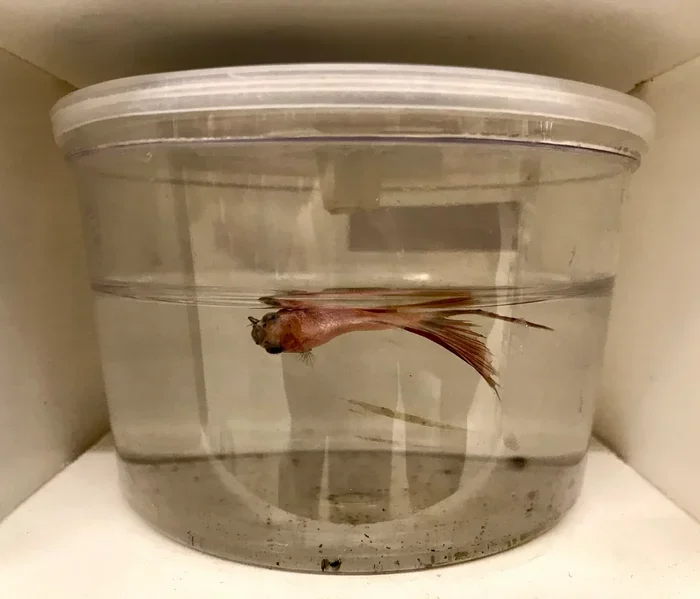
Visual guide about Why Is My Betta Fish Turning Darker
Image source: auctions.c.yimg.jp
- Ammonia: 0 ppm
- Nitrite: 0 ppm
- Nitrate: < 20 ppm
- pH: 6.5‑7.5
- Temperature: 78‑80°F (25‑27°C)
If any of these numbers are off, perform a 25‑30 % water change and consider adding a bio‑filter.
1.2 Overcrowding and Aggressive Tank Mates
Betta fish are territorial. A cramped tank or the presence of fin‑nipping species can make them hide and darken as a stress response. The ideal minimum for a single betta is a 5‑gallon (19 L) tank with a lid. Avoid housing them with fast‑swimming fish or other bettas unless you’re using a well‑divided setup.
1.3 Inadequate Lighting
Betta fish need a regular light cycle—about 8‑10 hours of gentle illumination each day. Too much bright light can cause hyper‑pigmentation, while too little can lead to a dull, dark appearance. Use a timer and a low‑intensity LED that mimics natural daylight.
Practical Tip
Give your betta a “stress‑test” day: check water parameters, ensure the tank isn’t over‑decorated, and observe for any bullying from other fish. A quick 30‑minute water change often restores confidence and brightens the colors within 24‑48 hours.
2. Health Issues That Trigger Darkening
2.1 Bacterial Infections
Infections such as Flavobacterium or Aeromonas can cause inflammation, which often appears as darker, sometimes mottled patches on the body and fins. Look for additional signs like frayed fins, lethargy, or a slight swelling.

Visual guide about Why Is My Betta Fish Turning Darker
Image source: cdn.mos.cms.futurecdn.net
2.2 Parasitic Infestations
Protozoan parasites (e.g., Ichthyophthirius multifiliis) may start with a subtle color change before the classic white spots appear. If you notice your betta scratching against objects, suspect parasites.
2.3 Fin Rot and Fungal Growth
Fin rot often begins with a darkening at the base of the fins, followed by a ragged edge. Fungal infections can create a cotton‑like growth that looks darker than the surrounding skin.
2.4 Internal Illnesses
Organs like the liver and kidneys affect pigment production. A sick liver can lead to a uniform darkening, sometimes called “melanosis.” This is harder to spot without a vet, but loss of appetite and floating sideways are warning signs. For more on abnormal swimming, see our article on why is my betta fish floating sideways.
Action Plan
- Quarantine the affected betta in a separate hospital tank.
- Raise the temperature to 82°F (28°C) for 2‑3 days to speed up metabolism (only if the fish tolerates it).
- Treat with a broad‑spectrum antibacterial medication like Maracyn 2, following the label dosage.
- Consider an antiparasitic dip if you see white spots later.
3. Natural Color Changes: Not Always Bad
3.1 Breeding Season
Male bettas often darken their bodies and intensify fin colors when they are ready to breed. This is a sign of hormonal change and usually comes with more aggressive courting behavior.
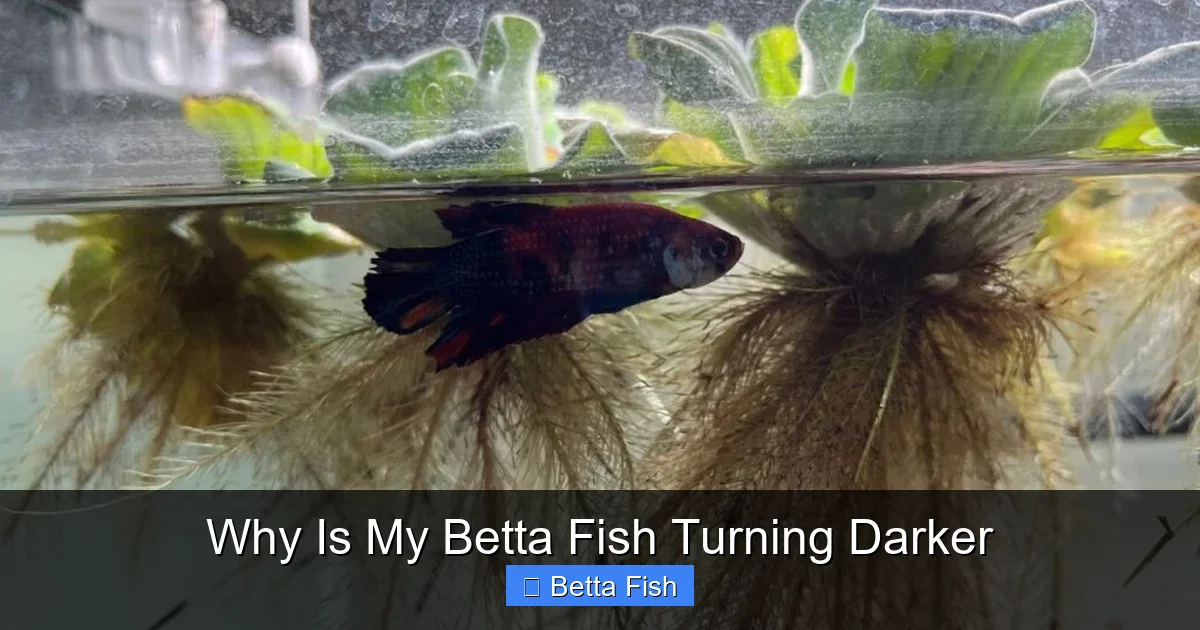
Visual guide about Why Is My Betta Fish Turning Darker
Image source: housedpet.com
3.2 Age‑Related Darkening
Older bettas may develop a subtle, uniform darkening as melanin production increases with age. If the fish is still eating, active, and shows no other symptoms, this is normal.
3.3 Seasonal Light Shifts
Changes in ambient room light across seasons can cause bettas to adjust their coloration for camouflage. Moving the tank to a different spot may temporarily alter the hue.
When to Celebrate
If the darkening coincides with courtship displays, a healthy appetite, and no visible lesions, you’re likely witnessing a natural, beautiful transformation. Provide extra hiding spots and a high‑quality protein diet to support the breeding process.
4. Nutrition: Feeding for Color
4.1 Quality Commercial Pellets
Choose betta‑specific pellets that contain high‑quality marine proteins and natural color enhancers like astaxanthin and carotenoids. These pigments are deposited in the skin and fins, keeping them bright.
4.2 Supplemental Foods
- Frozen or live brine shrimp: Rich in protein and natural pigments.
- Bloodworms: Provide iron, which supports melanin balance.
- Peas (shelled, boiled):** Good for digestive health, which indirectly influences color.
4.3 Feeding Schedule
Offer 2‑3 small meals per day, no more than the amount your betta can eat in two minutes. Overfeeding leads to poor water quality, which circles back to stress‑induced darkening.
Quick Nutrition Boost
Mix a pinch of high‑quality betta flake with a few frozen brine shrimp once a week. This combo supplies both essential amino acids and pigment‑rich nutrients.
5. Monitoring and Early Detection
5.1 Daily Observation Checklist
- Color: Is the body or fins darker than usual?
- Behavior: Is the fish hiding, swimming erratically, or floating sideways? (See our guide on why is my betta fish swimming sideways.)
- Appetite: Does he eat his usual amount?
- Fin condition: Any fraying, curling, or blackening?
- Water clarity: Cloudy water can hide early signs of disease.
5.2 Using a Journal
Write down observations each day. Note any changes in temperature, feeding, or tank decor. A simple table helps you spot trends, such as “color darkened after a new tank mate was introduced.”
5.3 When to Seek Professional Help
If darkening occurs rapidly (within 24 hours) and is accompanied by loss of equilibrium, gasping at the surface, or severe fin loss, contact an aquarium‑qualified vet immediately.
Conclusion: Keep the Colors Bright and the Betta Happy
Understanding “why is my betta fish turning darker” is a matter of looking at the whole picture: water quality, stress levels, health status, natural life stages, and diet. By maintaining clean, stable water, providing a stress‑free environment, feeding a balanced diet, and watching for other warning signs, you can often reverse the darkening and keep your betta looking its best.
Remember, a darkened betta isn’t always a death sentence. Sometimes it’s simply a sign that something in its world needs a tweak. Use the tips above, act quickly, and enjoy the vibrant, lively colors that make bettas such beloved companions.
Frequently Asked Questions
Why does my betta fish turn darker when I add a new tank mate?
New tank mates can cause stress, leading the betta to produce more melanin as a protective response. Reduce aggression by providing more hiding places or keep them separate.
Can water temperature affect my betta’s color?
Yes. Temperatures below 75°F (24°C) can dull colors, while a stable 78‑80°F (25‑27°C) helps maintain bright hues.
Is darkening a sign of an imminent death?
Not always. Darkening can be a normal seasonal change or a stress response. Look for other symptoms like loss of appetite, fin rot, or abnormal swimming to gauge seriousness.
My betta turned dark and now has white spots. What should I do?
The white spots are likely ich. Treat with a copper‑based medication or a salt dip, and raise the temperature slightly to speed up the parasite’s life cycle.
How often should I change the water to prevent color loss?
A 25‑30 % water change every week is ideal. If you notice a sudden darkening, perform an immediate partial change and test the parameters.
Can feeding my betta more often restore its original color?
Feeding a balanced diet with color‑enhancing foods can help, but it won’t fix underlying health or water issues. First correct the environment, then improve nutrition.