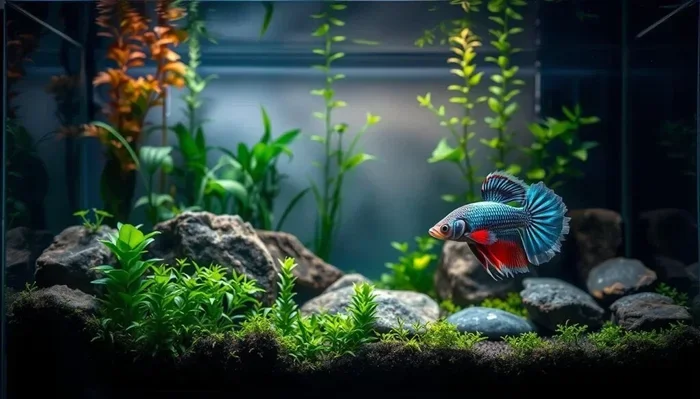
Why Is My Betta Fish Tank Water Cloudy
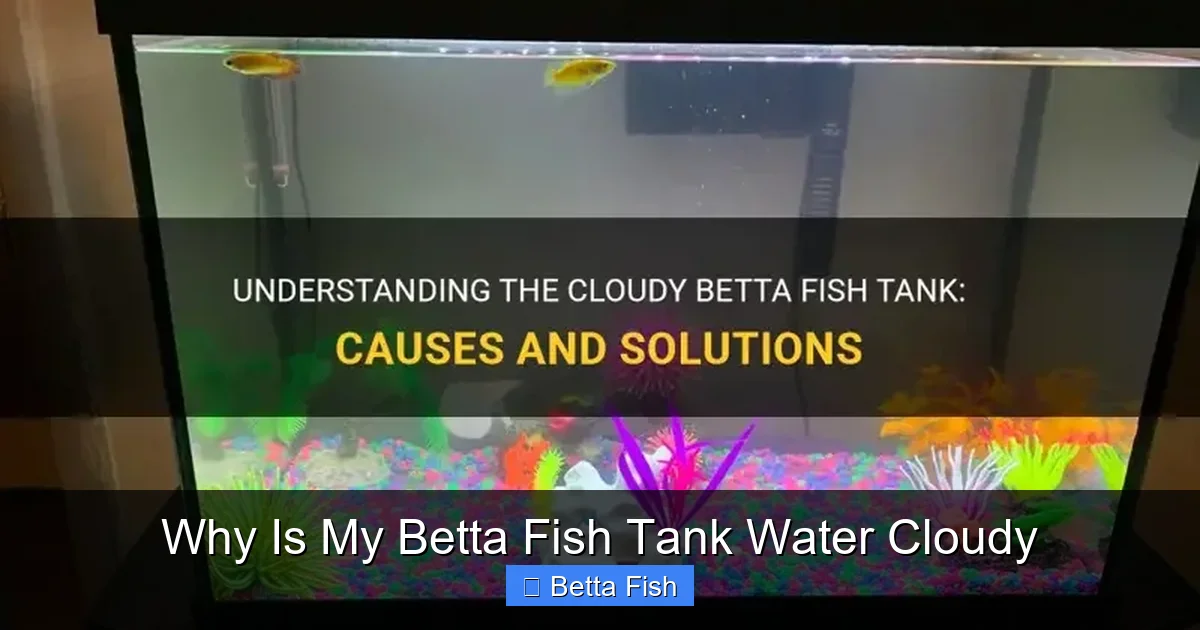
Cloudy betta tank water is usually a sign of a cycling issue, over‑feeding, or poor water changes. By understanding the root causes and applying simple maintenance steps, you can clear the water fast and give your betta a thriving home.
Key Takeaways
- Cycle the tank first: New setups need a nitrogen cycle before adding a betta.
- Don’t over‑feed: Excess food decays and clouds water.
- Regular water changes: 25‑30% weekly prevents buildup of organics.
- Check filtration: A weak filter or clogged media leads to cloudiness.
- Watch temperature & pH: Sudden shifts stress the fish and affect water clarity.
- Test for ammonia/nitrite: High levels are a common cause of milky water.
- Use proper water conditioner: Untreated tap water can add minerals that cloud the tank.
📑 Table of Contents
- Introduction: When Your Betta’s Home Looks Like a Foggy Day
- 1. The Nitrogen Cycle: The Hidden Engine Behind Clear Water
- 2. Over‑Feeding: The Silent Cloud‑Maker
- 3. Filtration Issues: When the Pump Isn’t Doing Its Job
- 4. Water Changes & Conditioning: The Simple Fix That Works Every Time
- 5. Substrate and Decorations: Hidden Sources of Haze
- 6. When Cloudiness Signals a Health Issue
- Conclusion: Clear Water, Happy Betta
Introduction: When Your Betta’s Home Looks Like a Foggy Day
Imagine you’ve just set up a beautiful 5‑gallon tank, added a vibrant betta, and—boom— the water turns cloudy. It’s unsettling, and you might wonder, “why is my betta fish tank water cloudy?” The good news is that cloudy water is almost never a death sentence. More often, it’s a sign that something in your routine needs a tweak.
In this guide we’ll walk through the most common reasons for cloudiness, how to diagnose each problem, and simple, budget‑friendly steps to restore crystal‑clear water. By the end, you’ll have a clear action plan and the confidence to keep your betta’s aquarium sparkling.
1. The Nitrogen Cycle: The Hidden Engine Behind Clear Water
What the Cycle Does
The nitrogen cycle converts toxic ammonia (from fish waste and uneaten food) into nitrite and then into relatively harmless nitrate. Until this cycle is fully established, the water can look milky or cloudy.

Visual guide about Why Is My Betta Fish Tank Water Cloudy
Image source: heavy.com
Signs Your Tank Isn’t Cycled
- Cloudiness appears within the first few days after setup.
- Ammonia or nitrite test strips read above 0 ppm.
- The water clears after a sudden, large water change (a “reset”).
How to Jump‑Start the Cycle
1. Add a small amount of hardy fishless “seed” media (like a bio‑ball) or a few drops of liquid cycle starter.
2. Feed a tiny pinch of frozen or live brine shrimp once a day for the first week.
3. Test water every 2‑3 days and perform 10‑15% water changes until ammonia and nitrite hit zero.
For a deeper dive on cycling, see our article on why is my betta fish water cloudy (the same topic but broader). Once the cycle is stable, the water will stay clear for weeks.
2. Over‑Feeding: The Silent Cloud‑Maker
Why Too Much Food Turns Water Murky
Betta fish have tiny stomachs—roughly the size of their eye. When you feed more than they can eat in two minutes, the surplus sinks, decomposes, and releases particles that make the water look cloudy.
Visual guide about Why Is My Betta Fish Tank Water Cloudy
Image source: adachi.ed.jp
How to Feed Properly
- Offer only what your betta can consume in 2‑3 minutes, once or twice a day.
- Use high‑quality pellets that sink slowly, giving the fish time to eat.
- Remove uneaten food with a soft net or turkey baster after feeding.
Quick Fix for Existing Cloudiness
Perform a 20% water change, vacuum the substrate, and reduce feeding for the next week. You’ll often see the water clear within 48‑72 hours.
3. Filtration Issues: When the Pump Isn’t Doing Its Job
Choosing the Right Filter for a Betta
Betta fish prefer gentle flow. A small hang‑on‑back (HOB) filter with adjustable flow or a sponge filter works well. The filter should turn over the tank volume at least 3‑4 times per hour.
Common Filter Problems That Cloud Water
- Clogged filter media—traps debris and stops mechanical filtration.
- Running the filter too fast—stirs up substrate and creates “suspended” cloudiness.
- Old or dirty filter cartridges—release fine particles back into the water.
Maintenance Routine
Every two weeks, rinse filter media in a bucket of tank water (not tap water) to preserve beneficial bacteria. Replace carbon every 4‑6 weeks. Adjust flow to a gentle swirl that your betta can comfortably swim against.
4. Water Changes & Conditioning: The Simple Fix That Works Every Time
How Often Should You Change Water?
For a single betta in a 5‑gallon tank, a 25‑30% water change weekly keeps nitrate low and removes fine particles that cause cloudiness.
Step‑by‑Step Water Change
- Turn off the heater and any equipment.
- Use a siphon to remove 25‑30% of the water, vacuuming the substrate lightly.
- Prepare fresh water that matches tank temperature (±1 °C) and add a water conditioner to neutralize chlorine and chloramine.
- Slowly pour the new water back, allowing it to flow over the filter media.
- Turn equipment back on and check temperature.
Why Conditioning Matters
Untreated tap water can contain dissolved minerals that precipitate and cloud the tank. A good conditioner (e.g., Seachem Prime) also protects the beneficial bacteria you’ve cultivated during cycling.
Need more details on using tap water safely? Check out Can I Use Tap Water For My Betta Fish Tank.
5. Substrate and Decorations: Hidden Sources of Haze
When New Gravel Turns the Water Brown
Fresh sand or gravel releases fine particles for the first few days. Rinse it thoroughly before adding it to the tank, and consider a brief “pre‑soak” in dechlorinated water.
Live Plants and Their Role
Plants absorb nitrates and can help clear water, but they also shed leaves that decay if not trimmed. Use hardy plants like Java fern or Anubias, which attach to rocks and won’t uproot easily.
Cleaning Decorations
Any ornament that collects algae should be scrubbed with a soft brush during weekly maintenance. Avoid soap—use only aquarium‑safe cleaners.
6. When Cloudiness Signals a Health Issue
Illness‑Related Cloudiness
Sometimes a sick betta releases mucus or parasites that make the water look cloudy. Look for additional signs: clamped fins, loss of appetite, or erratic swimming.
Testing for Disease
- Observe for white spots, frayed fins, or discoloration.
- Perform a parasite dip if you suspect ich or velvet.
- Check water parameters—high ammonia can stress the fish and cause a “milky” appearance.
If you notice multiple red flags, read our guide on Is My Betta Fish Dying for next steps.
Conclusion: Clear Water, Happy Betta
Answering “why is my betta fish tank water cloudy” isn’t a mystery once you understand the basics: a fully cycled tank, proper feeding, effective filtration, regular water changes, and clean décor. By following the practical tips above, you’ll prevent cloudiness before it starts and maintain a healthy environment for your betta.
Remember, consistency is key. A little weekly maintenance goes a long way, and your betta will reward you with vibrant colors and lively behavior. Keep an eye on water parameters, adjust feeding, and enjoy the crystal‑clear view of your thriving fish.
Frequently Asked Questions
Why does my betta’s water turn cloudy right after a water change?
Disturbing the substrate can release fine particles that temporarily cloud the water. A gentle siphon and careful pouring help minimize this.
Can cloudy water be a sign of disease?
Yes, especially if it’s accompanied by mucus, white spots, or abnormal swimming. Test water quality and look for other illness symptoms.
How long should I wait before adding a betta to a new tank?
Wait until ammonia and nitrite both read 0 ppm, typically 2‑4 weeks after cycling, to ensure the water is safe.
Is it safe to use a filter with strong flow for a betta?
Betta fish prefer calm water. Use a filter with adjustable flow or a sponge filter that creates a gentle current.
What temperature range helps keep the water clear?
Maintain 76‑80°F (24‑27°C). Sudden temperature spikes can stress the fish and disrupt the nitrogen cycle, leading to cloudiness.
Do I need to vacuum the substrate every week?
Yes, a light vacuum removes uneaten food and waste that can cloud the water, while preserving beneficial bacteria.