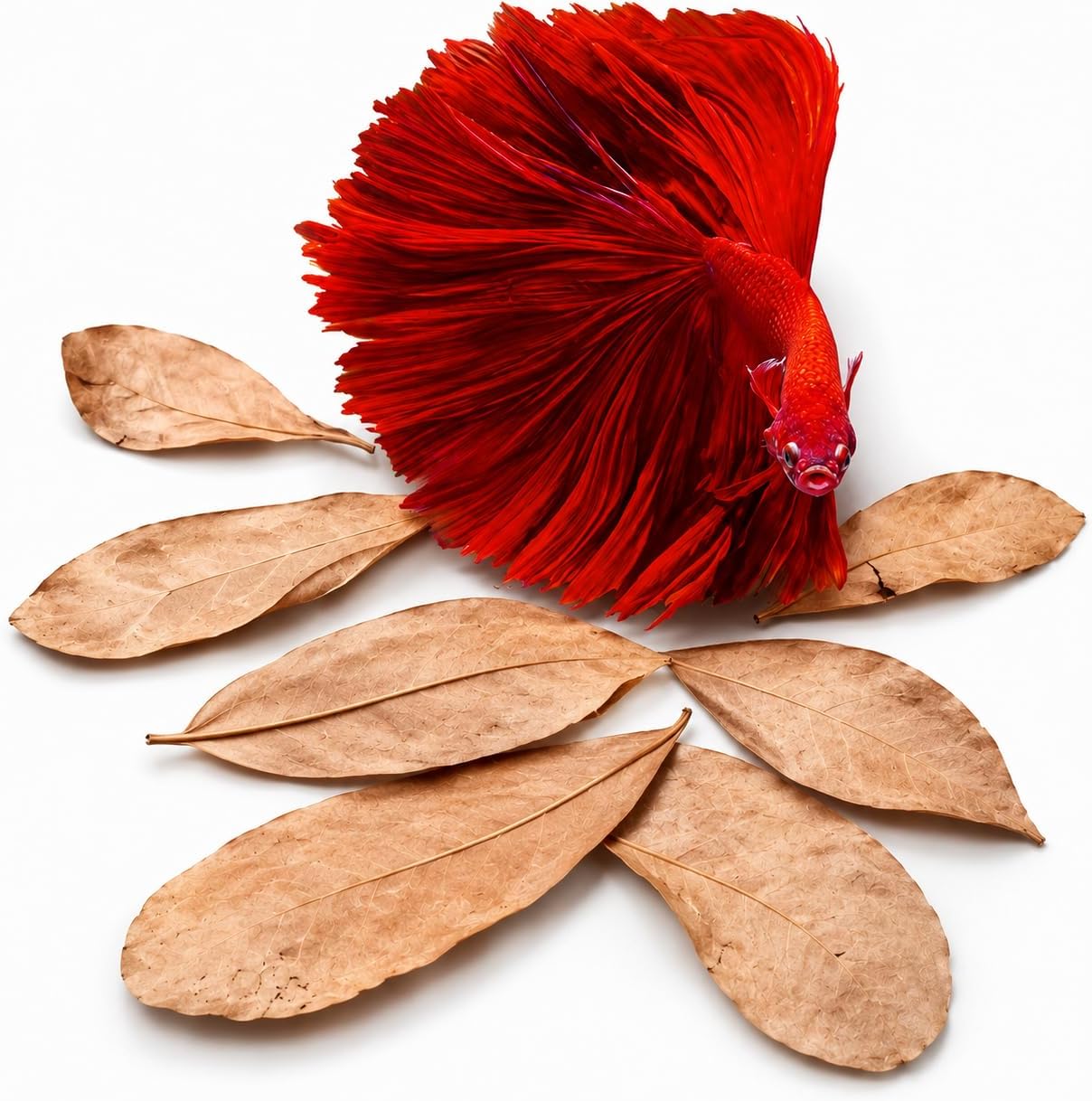
Why Is My Betta Fish Tail Turning White

Seeing a white tip on your betta’s tail can be alarming, but it’s often a sign of a treatable issue. This guide explains the common causes—like water problems, disease, and stress—offers practical fixes, and helps you keep your fish’s tail bright and healthy.
Key Takeaways
- Water quality matters: Poor parameters are the top trigger for white tails.
- Infections are common: Fungal, bacterial, and parasitic agents each have distinct signs.
- Stress accelerates problems: Over‑crowding, aggressive tank mates, and improper diet weaken immunity.
- Early treatment works: Spotting the issue fast and acting quickly can save the fin.
- Regular maintenance prevents recurrence: Consistent water changes and tank hygiene keep whites at bay.
- Observe behavior: Changes in swimming, appetite, or color give clues to the underlying cause.
- Seek expert help when needed: If home remedies fail, a vet or specialist can provide targeted medication.
📑 Table of Contents
- Introduction: The Panic Behind a White Tail
- 1. Water Quality – The Silent Culprit
- 2. Infectious Agents – Fungi, Bacteria, and Parasites
- 3. Nutritional Deficiencies and Poor Diet
- 4. Physical Injury and Stress
- 5. Early Detection and Home Remedies
- 6. When to Call in a Professional
- Conclusion: Turning the Tide on a White Tail
Introduction: The Panic Behind a White Tail
Imagine you’re checking on your prized betta after a busy day, and you notice the once‑vibrant tail now has a pale, almost ghost‑like tip. Your first thought is, “Why is my betta fish tail turning white?” It’s a common worry among hobbyists, and the good news is that most cases have a clear cause and a straightforward solution.
In this article we’ll break down the most frequent reasons for a whitening tail, show you how to spot early warning signs, and give you step‑by‑step actions to bring the color back. Think of it as a friendly chat over a cup of tea, with plenty of practical tips you can start using today.
1. Water Quality – The Silent Culprit
Why bad water makes tails turn white
Betta fish are especially sensitive to the chemistry of their environment. When ammonia, nitrite, or nitrate levels rise, the fish’s skin and fins can become stressed, leading to a condition called “fin rot” that often appears as a white or milky discoloration.

Visual guide about Why Is My Betta Fish Tail Turning White
Image source: images.summitmedia-digital.com
Key water parameters to monitor
- Ammonia: 0 ppm (any detectable amount is dangerous).
- Nitrite: 0 ppm.
- Nitrate: Below 20 ppm for bettas.
- pH: 6.5 – 7.5, stable.
- Temperature: 76‑82°F (24‑28°C).
Practical steps to improve water
1. **Perform a partial water change** – Replace 25‑30 % of the tank water with dechlorinated, temperature‑matched water every week.
2. **Test regularly** – Use a liquid test kit and keep a log of readings.
3. **Upgrade filtration** – A gentle sponge filter provides biological filtration without creating strong currents that stress bettas.
4. **Avoid over‑feeding** – Excess food decomposes quickly, raising nitrate levels.
For a deeper dive on overall whitening issues, see our article on why is my betta fish turning white.
2. Infectious Agents – Fungi, Bacteria, and Parasites
Fungal infections
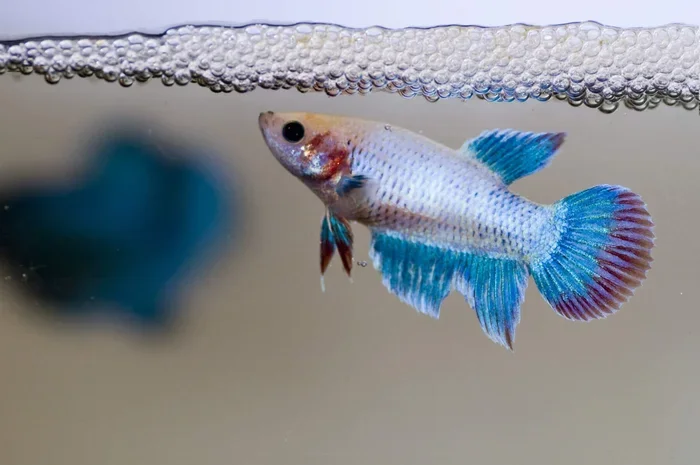
Fungi love warm, stagnant water. A classic sign is a cotton‑like growth that starts at the fin edge and spreads, turning the tissue white or gray. The infection often follows a minor injury.

Visual guide about Why Is My Betta Fish Tail Turning White
Image source: gucci-fuufu.com
Bacterial infections
Bacterial “fin rot” begins as a small, reddened spot that becomes ragged and white as the tissue dies. It spreads quickly if water conditions stay poor.
Parasitic infestations
External parasites such as Ichthyophthirius multifiliis (ich) can cause white patches, though they are usually accompanied by tiny white spots all over the body.
Treatment checklist
- Isolate the affected fish in a hospital tank.
- Increase water temperature to 82‑84°F to speed up medication absorption.
- Use a broad‑spectrum antifungal like **Mardel** or a bacterial treatment such as **Maracyn**.
- Add a small amount of aquarium salt (1 gram per gallon) if your betta tolerates it.
If you’re unsure which pathogen is at work, the article why did my betta fish turn white provides a helpful comparison chart.
3. Nutritional Deficiencies and Poor Diet
How diet affects fin health
Betta fish need high‑protein, nutrient‑dense foods. A diet lacking essential amino acids and vitamins can weaken fin tissue, making it more prone to discoloration and rot.

Visual guide about Why Is My Betta Fish Tail Turning White
Image source: 1000logos.net
Best foods for vibrant fins
- High‑quality betta pellets (at least 40 % protein).
- Frozen or live brine shrimp, daphnia, or bloodworms (once or twice a week).
- Supplementary vitamins – a few drops of liquid vitamin concentrate weekly.
Feeding tips to avoid stress
Feed small amounts 2‑3 times a day, only what your fish can consume in two minutes. Remove uneaten food promptly to keep water clean.
4. Physical Injury and Stress
Common sources of fin damage
Sharp décor, aggressive tank mates, or even rough handling during cleaning can cause small tears. These wounds become entry points for microbes, leading to a white, necrotic appearance.
Stress‑reducing environment
- Provide plenty of hiding spots (live plants, silk plants, caves).
- Limit tank mates – bettas are territorial; a single male should have the tank to itself.
- Maintain a stable temperature; sudden drops stress the immune system.
Read more about tail loss in our guide why did my betta fish lose its tail for additional context.
5. Early Detection and Home Remedies
Spotting the problem early
Check your betta daily. Look for:
- White or milky patches on the tail.
- Fins that appear frayed or torn.
- Changes in swimming style (floating low, erratic bursts).
- Loss of appetite or lethargy.
Simple home treatments
1. **Epsom salt soak** – Dissolve 1 teaspoon of Epsom salt in a gallon of water and place the fish in a small quarantine container for 10‑15 minutes.
2. **Aquarium salt bath** – 1 gram of aquarium salt per gallon for 24 hours can reduce fungal load.
3. **Increase aeration** – Gentle air stones improve oxygen, helping the fish’s immune response.
These steps are supportive; they do not replace proper medication if an infection is present.
6. When to Call in a Professional
Red flags that need veterinary help
- Rapid spread of white tissue despite home treatment.
- Signs of systemic illness (gasping at the surface, severe swelling).
- Persistent loss of appetite for more than 48 hours.
What a vet can do
A fish‑veterinarian can perform a microscopic exam, culture the pathogen, and prescribe targeted antibiotics or antifungals. Early professional intervention dramatically improves survival odds.
Conclusion: Turning the Tide on a White Tail
A white tail is usually a warning sign, not a death sentence. By keeping the water pristine, feeding a balanced diet, reducing stress, and acting quickly when you see the first hint of discoloration, you give your betta the best chance to recover its dazzling fins. Remember to monitor daily, perform regular water changes, and don’t hesitate to isolate and treat at the first sign of trouble. With a little attention and love, your betta will be flashing its brilliant colors again in no time.
Frequently Asked Questions
Why does my betta’s tail turn white after a water change?
Sudden changes in temperature or pH can stress the fish, weakening its immune system and allowing opportunistic fungi or bacteria to colonize the fin.
Can a white tail be a sign of a serious disease?
Yes. While minor fungal patches are common, a spreading white area can indicate bacterial fin rot or a parasitic infection that needs medication.
How long does it take for a betta’s tail to heal after treatment?
With proper care, new healthy fin tissue can start to grow within 5‑7 days, but full regeneration may take 2‑3 weeks.
Is it safe to use human antifungal creams on my betta?
No. Human medications can be toxic to fish. Always use products formulated for aquarium use.
Should I lower the temperature to help my betta recover?
For fungal infections, slightly raising the temperature (to 82‑84°F) can speed up medication absorption, but never exceed 86°F.
Can adding live plants prevent my betta’s tail from turning white?
Live plants improve water quality and reduce stress, which helps prevent many issues that cause whitening, but they are not a cure for an existing infection.