Why Is My Betta Fish Tail Smaller
Seeing a smaller tail on your betta can be alarming, but it’s often a sign of stress, disease, or poor tank conditions. This guide explains the top reasons behind a shrunken tail, how to spot early warning signs, and practical steps to restore your fish’s fin health quickly.
Key Takeaways
- Water quality matters: Bad parameters can cause fin shrinkage faster than you think.
- Fin rot is a major culprit: Bacterial or fungal infections eat away at the tail.
- Improper diet fuels problems: Lack of essential nutrients weakens fin growth.
- Stress triggers regrowth slowdown: Overcrowding, aggressive tank mates, and sudden changes all play a part.
- Genetics can set a baseline: Some bettas are naturally short‑tailed, but sudden changes are still a red flag.
- Early intervention works: Spotting the issue within 24‑48 hours often saves the fin.
- Regular tank maintenance prevents recurrence: Clean water, proper filtration, and routine checks are key.
📑 Table of Contents
- Introduction: When Your Betta’s Tail Looks Tiny
- 1. Water Quality – The Hidden Enemy
- 2. Fin Rot – The Silent Fin Destroyer
- 3. Nutrition – Feeding the Fin Factory
- 4. Stress Factors – When the Tank Becomes a Pressure Cooker
- 5. Genetic Factors – Not All Tails Are Created Equal
- 6. Healing and Regrowth – Helping the Tail Bounce Back
- Conclusion: Keep an Eye on That Tail
Introduction: When Your Betta’s Tail Looks Tiny
Imagine you’re watching your bright‑colored betta glide across the water, and suddenly the beautiful, flowing tail you fell in love with looks a little… shorter. It’s like noticing a new haircut on a friend without asking—confusing and a bit worrisome.
Most betta owners have wondered, “why is my betta fish tail smaller?” The answer isn’t always simple, but the good news is that many causes are fixable. In this friendly, step‑by‑step guide we’ll break down the most common reasons, show you how to spot early signs, and give you simple, actionable tips to help your fin grow back strong.
1. Water Quality – The Hidden Enemy
Why clean water matters for fins
Betta fish are surprisingly sensitive to water chemistry. High ammonia, nitrite spikes, or a pH that’s too low can stress the fish, causing the tail to shrink or become ragged. When the environment is harsh, the fish’s immune system weakens, making it harder for fins to repair themselves.

Visual guide about Why Is My Betta Fish Tail Smaller
Image source: cdn.britannica.com
Key water parameters to check
- Ammonia: 0 ppm (any detectable amount is harmful)
- Nitrite: 0 ppm
- Nitrate: < 20 ppm for bettas
- pH: 6.5 – 7.5 (stable is more important than exact number)
- Temperature: 76‑82 °F (24‑28 °C)
Quick water‑fix routine
1. Test the water with a reliable test kit.
2. Perform a 25‑30 % water change if any parameter is out of range.
3. Add a water conditioner that detoxifies chlorine and chloramine.
4. Consider a gentle filter if you don’t already have one; bettas love slow flow, but a filter keeps toxins low.
For a deeper dive into water‑related issues, see our article on why is my betta fish water cloudy.
2. Fin Rot – The Silent Fin Destroyer
What is fin rot?
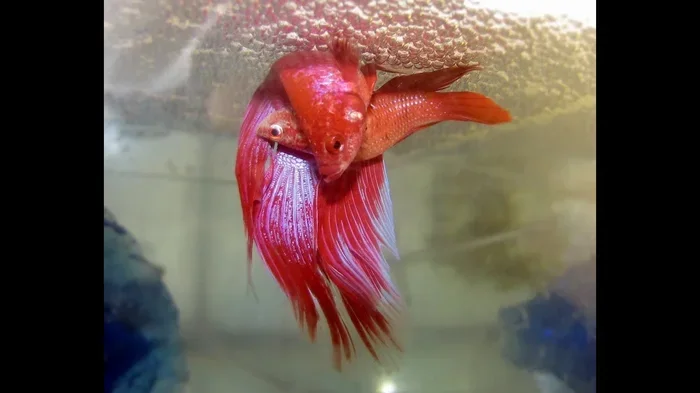
Fin rot is a bacterial or fungal infection that eats away at the edges of the tail, making it look thinner, frayed, or even missing. It often starts as a small white or brown spot that spreads if untreated.
Visual guide about Why Is My Betta Fish Tail Smaller
Image source: images.twinkl.co.uk
Spotting the early signs
- White, fuzzy patches on the tail
- Frayed, ragged edges that look “shredded”
- Loss of color or a dull appearance
- Fish rubbing against objects or the tank glass
Treatment plan
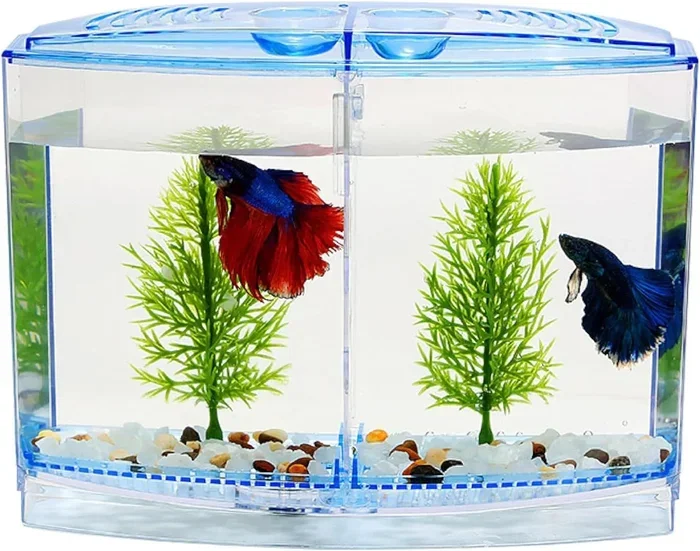
1. Isolate the betta in a hospital tank (5‑gallon, bare bottom).
2. Raise the temperature to 78‑80 °F to speed up metabolism.
3. Add a broad‑spectrum antibacterial medication (e.g., Maracyn Two) for 5‑7 days.
4. Perform daily 25 % water changes to keep the tank clean.
5. Feed high‑protein foods like daphnia or frozen bloodworms to boost immunity.
If you’re curious why bettas sometimes lose their tails entirely, check out why did my betta fish lose its tail for more details.
3. Nutrition – Feeding the Fin Factory
Essential nutrients for tail growth
Just like humans need vitamins for healthy hair, bettas need specific nutrients for fin development. Lack of protein, omega‑3 fatty acids, and vitamins A, C, and E can lead to weak, stunted fins.

Visual guide about Why Is My Betta Fish Tail Smaller
Image source: imgs.699pic.com
Best foods for a robust tail
- High‑protein pellets: Choose betta‑specific brands with ≥ 35 % protein.
- Live or frozen treats: Daphnia, brine shrimp, and bloodworms once or twice a week.
- Vegetable boosters: A pinch of spirulina or blanched peas for vitamins.
Feeding schedule
Feed 2‑3 small meals per day, no more than the size of the fish’s eye. Overfeeding leads to waste, which can degrade water quality and indirectly shrink the tail.
4. Stress Factors – When the Tank Becomes a Pressure Cooker
Common stressors
- Overcrowding or aggressive tank mates (especially other bettas)
- Sudden temperature swings
- Frequent moving of the tank
- Bright lights left on 24/7
How stress shrinks the tail
Stress releases cortisol, a hormone that diverts energy away from growth and repair. Over time, the tail may appear thinner or stop regenerating after minor damage.
Stress‑reduction tips
• Keep the tank in a quiet area away from windows.
• Use a dimmable LED light on a 10‑hour day/night cycle.
• Provide plenty of hiding spots (live plants, silk caves).
• Avoid sudden water changes; replace water gradually over an hour.
5. Genetic Factors – Not All Tails Are Created Equal
Short‑tail and half‑moon varieties
Some bettas are bred for naturally short tails (e.g., “short‑tail” or “crowntail” strains). If you purchased a fish from a reputable breeder, a smaller tail might be normal.
When a normal tail becomes abnormal
Even genetically short‑tailed bettas can develop problems if the tail suddenly looks thinner, ragged, or loses color. In those cases, the issue is likely health‑related, not genetic.
What to do if you’re unsure
Contact the breeder and compare photos of the fish when it arrived. If the tail has degraded, follow the health‑check steps above.
6. Healing and Regrowth – Helping the Tail Bounce Back
Creating the perfect healing environment
- Maintain pristine water (test daily for the first week).
- Keep temperature steady at 78 °F.
- Provide a high‑quality, protein‑rich diet.
- Limit handling to reduce stress.
Supplements that aid fin regeneration
– Vitamin C powder: Dissolve a pinch in the tank once a week.
– Garlic extract: A few drops in food can boost immunity.
– Fin‑repair formulas: Commercial products like “Betta Fin Boost” contain amino acids and omega‑3s.
Timeline expectations
Fin regrowth is slow but steady. Small nicks may fill in within 2‑3 weeks, while larger losses can take 6‑8 weeks. Patience and consistent care are the keys.
Conclusion: Keep an Eye on That Tail
Finding out why is my betta fish tail smaller can feel like detective work, but most clues point to water quality, disease, diet, stress, or genetics. By testing water regularly, treating infections promptly, feeding a balanced diet, and reducing stress, you give your betta the best chance to grow a full, flowing tail once again.
Remember, a healthy betta is a happy betta. Keep the tank clean, the water stable, and the food nutritious, and you’ll enjoy a dazzling tail for years to come.
Frequently Asked Questions
Why does my betta’s tail look thinner after a water change?
Rapid temperature shifts or using untreated tap water can stress the fish, causing temporary fin shrinkage. Always condition the water and match the tank temperature before adding it.
Can fin rot be cured without medication?
Mild cases sometimes improve with pristine water, a higher temperature, and a high‑protein diet, but most infections need a proper antibacterial treatment for full recovery.
Is it normal for a betta’s tail to change size as it ages?
Adult bettas generally keep the same tail size. Slight variations can happen, but a noticeable reduction usually signals a health or environment issue.
Should I separate my betta if I notice a smaller tail?
Yes. Isolation prevents other fish from stressing the betta further and makes it easier to treat any infection without contamination.
How often should I change the water to prevent tail problems?
For a single betta, a 25‑30 % water change once a week is ideal. If you notice any tail issues, increase to 50 % every 2‑3 days until the problem resolves.
Can I use home remedies like aquarium salt for a shrinking tail?
A small dose of aquarium salt (1 gram per 5 gallons) can help with minor infections, but it’s not a substitute for proper medication if fin rot is advanced.