Seeing a betta lying on its side can be alarming, but it’s often a clue about water quality, health, or stress. Learn the common reasons, quick checks, and practical steps to turn the situation around before it becomes a serious problem.
Key Takeaways
- Water quality matters: Poor parameters are the top cause of a betta lying on its side.
- Health issues show up fast: Swim bladder disease, infections, and parasites can force a betta to float sideways.
- Stress triggers: Over‑crowding, temperature swings, and aggressive tank mates can make a betta lose its balance.
- Quick diagnostics: Simple tests—water test kit, visual inspection, and behavior check—can pinpoint the problem.
- Immediate fixes: Adjust water, treat illnesses, and improve tank setup to help your betta recover.
- Prevention is key: Consistent maintenance and proper feeding keep side‑lying episodes rare.
- When to seek help: If symptoms persist after 24‑48 hours, professional advice may be needed.
📑 Table of Contents
Introduction
Imagine you walk to your aquarium and see your bright‑colored betta lying flat on its side, barely moving. Your heart skips a beat. Is it sick? Is it dying? The good news is that, in most cases, the problem is fixable and not a death sentence.
In this article we’ll answer the dreaded question, why is my betta fish on its side, by breaking down the most common causes, showing you how to diagnose the issue, and giving you step‑by‑step solutions you can start today. Think of this guide as a friendly chat with a fellow hobbyist who’s been there and survived.
1. Water Quality – The Silent Culprit
Why bad water makes a betta flop
Betta fish are very sensitive to ammonia, nitrite, and pH swings. When these parameters rise, the fish’s buoyancy control can become erratic, causing it to float on its side.
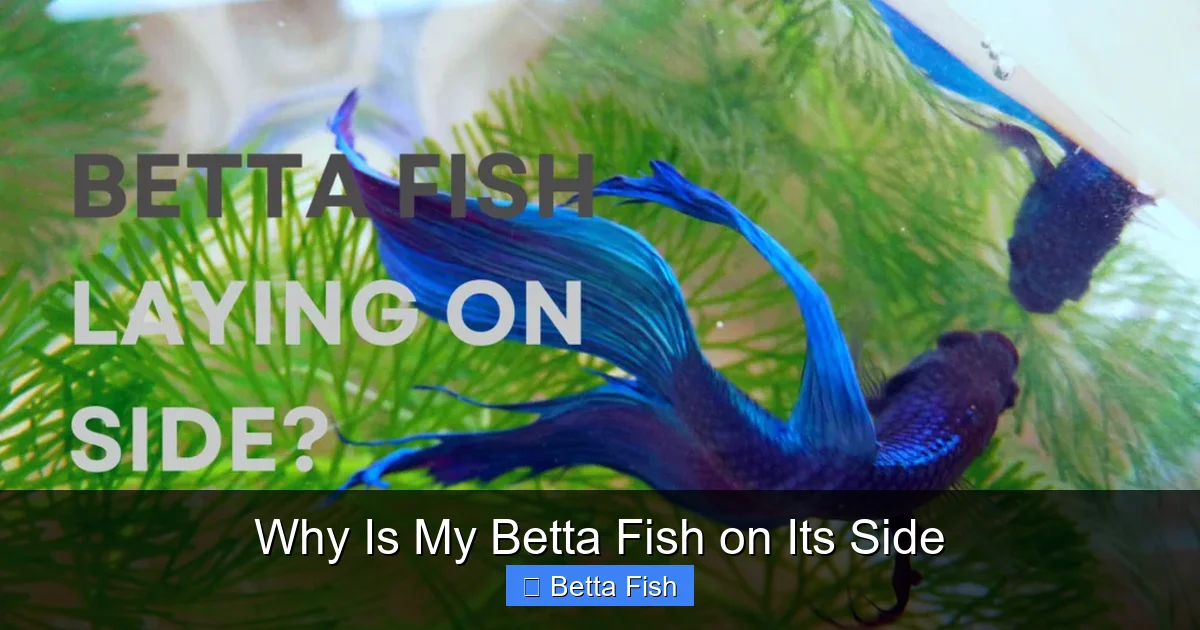
Visual guide about Why Is My Betta Fish on Its Side
Image source: fishkeepedia.com
Quick water test checklist
- Ammonia: 0 ppm (any detectable amount is a red flag)
- Nitrite: 0 ppm
- Nitrate: < 20 ppm for a betta
- pH: 6.5‑7.5, stable for at least 48 hours
- Temperature: 76‑82 °F (24‑28 °C)
What to do if parameters are off
Do a partial water change of 25‑30 % using conditioned water at the correct temperature. Repeat daily until readings are normal. If ammonia or nitrite spikes, consider adding a small dose of a biological filter starter or bottled bio‑media.
2. Swim Bladder Disorder – The Most Common Health Issue
What is the swim bladder?
The swim bladder is a gas‑filled organ that lets a fish stay upright. Damage or infection can fill it with fluid or prevent gas exchange, making the fish tilt or float sideways.
Signs of swim bladder trouble
- Fish rests on the bottom or floats upside‑down
- Difficulty swimming to the surface
- Frequent gulping of air at the water line
Home remedies
Try fasting your betta for 24‑48 hours to clear the digestive tract, then offer a small amount of boiled, peeled pea (cut into tiny pieces). The fiber can help relieve constipation, a common cause of swim bladder issues.
If the problem persists, a gentle dose of a broad‑spectrum aquarium antibiotic (following package instructions) may be needed to treat an underlying infection.
3. Infections and Parasites – Hidden Threats
Bacterial and fungal infections
Red streaks, white patches, or fuzzy growth on the body often mean a bacterial or fungal infection. These can affect the fish’s balance and cause it to lie on its side.
Parasite infestations
Protozoan parasites such as Ich or Velvet can cause lethargy and abnormal swimming. Look for tiny white spots or a dusty coating.
Treatment basics
Isolate the betta in a hospital tank. Use a copper‑based medication for parasites or a reputable antibacterial/fungal treatment for bacterial issues. Always follow dosage directions to avoid further stress.
4. Environmental Stress – Beyond Water
Temperature shocks
Sudden changes of more than 2‑3 °F can disorient a betta. Use an aquarium heater with a thermostat and avoid placing the tank near drafts or direct sunlight.
Improper tank size and décor
A 2‑gal minimum tank is recommended. Too many ornaments can restrict swimming space, and sharp objects may injure the fish, leading to balance problems.
Aggressive tank mates
Even though many bettas are kept alone, some owners house them with peaceful species. If a larger fish nips at the betta’s fins, stress can cause the betta to lie on its side.
Read more about how aggressive mates affect behavior in our article Why Is My Betta Fish Hiding.
5. Nutrition and Feeding Errors
Overfeeding and constipation
Too much dry food can expand in the gut, pressing against the swim bladder. This is a frequent reason why a betta ends up on its side after a big meal.
Balanced diet tips
- Feed high‑quality betta pellets or frozen foods once or twice a day.
- Supplement with occasional treats like daphnia, bloodworms, or the boiled pea method.
- Never leave uneaten food in the tank for more than a few minutes.
For more on feeding issues, see Why Is My Betta Fish Not Eating.
6. When to Call in Professional Help
Red flags that require expert advice
If after 24‑48 hours of proper water changes, fasting, and basic treatment the betta is still on its side, look for these warning signs:
- Rapid breathing or gasping at the surface
- Swollen or ulcerated fins
- Loss of color or white patches on the body
- Continued floating upside‑down despite interventions
Finding a vet
Seek an aquarium‑specialized veterinarian or a reputable fish clinic. Bring a water sample and note any recent changes in the tank.
Conclusion
Seeing your betta on its side is stressful, but it’s rarely a mystery. By checking water quality, watching for signs of swim bladder disorder, infections, or stress, and making quick, targeted adjustments, you can often turn the situation around within a day or two. Remember to keep a regular maintenance schedule, feed a balanced diet, and monitor your fish’s behavior daily. With a little vigilance, your betta will be back to flaunting its vibrant fins and exploring the tank in no time.
Frequently Asked Questions
Why is my betta fish floating on its side?
Floating on its side is usually a sign of poor water quality, swim bladder problems, or an infection. Test the water and check for other symptoms to narrow it down.
Can a betta recover from swim bladder disease?
Yes, many bettas recover with fasting, a pea treat, and a clean, stable environment. If there’s no improvement after 48 hours, consider medication.
Is a temperature drop responsible for a side‑lying betta?
Sudden temperature changes can stress a betta and affect its buoyancy. Keep the water between 76‑82 °F and avoid drafts.
Should I give my betta medication immediately?
Start with non‑medicinal steps: water change, fasting, and a pea treat. If symptoms persist or you see signs of infection, then use a proper aquarium antibiotic.
How often should I change the water to prevent side‑lying?
Do a 25‑30 % water change weekly, and test parameters each time. More frequent changes are needed if ammonia or nitrite spikes.
When is it time to say goodbye to a betta that’s on its side?
If the fish stops breathing, loses color rapidly, or shows severe ulceration despite treatment, it may be beyond help. Consult a vet before making a final decision.

