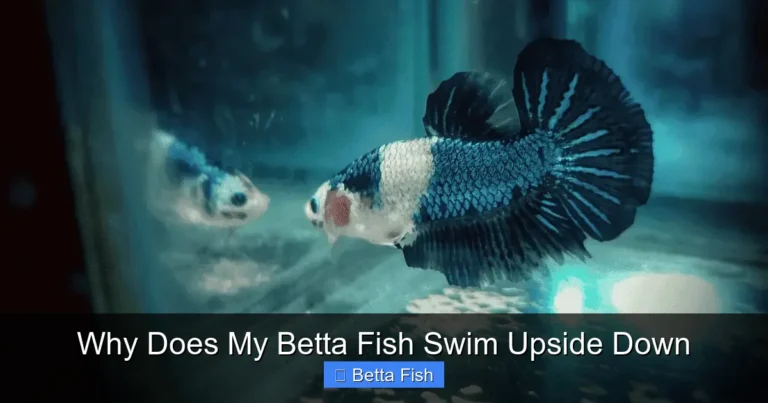
Why Is My Betta Fish Not Eating Bloodworms
Is your betta turning its nose up at bloodworms? That can be a sign of stress, water issues, or simple taste preferences. Read on to learn the top reasons why your betta won’t eat bloodworms and easy steps to get feeding back on track.
Key Takeaways
- Water quality matters: Poor parameters can suppress appetite.
- Temperature is crucial: Betta metabolism slows down in cold water.
- Stress triggers refusal: Aggressive tank mates or a new environment can cause picky eating.
- Food freshness counts: Stale or over‑soaked bloodworms lose appeal.
- Health issues are a red flag: Illnesses like ich or fin rot often reduce feeding.
- Variety helps: Mixing live, frozen, and pellet foods can re‑ignite interest.
- Observe and act: Regular checks can catch problems before they become serious.
📑 Table of Contents
- Introduction: When Your Betta Snubs the Snack
- 1. Water Quality – The Silent Appetite Killer
- 2. Temperature – Warmth Drives the Hunger
- 3. Stress Factors – When the Tank Feels Unsafe
- 4. Food Quality – Freshness and Presentation Matter
- 5. Health Issues – When Refusal Signals Illness
- 6. Feeding Technique – How You Offer the Bloodworms
- 7. When to Seek Professional Help
- Conclusion: Turning the Tide on a Picky Eater
Introduction: When Your Betta Snubs the Snack
Betta fish are famous for their bright colors, flowing fins, and a personality that seems larger than life. Yet, many owners hit a puzzling roadblock: why is my betta fish not eating bloodworms? Bloodworms are a favorite treat, rich in protein and easy to offer, so a sudden refusal can feel alarming.
Don’t panic. In most cases the answer is simple—a tweak in water conditions, temperature, or feeding routine. This guide walks you through the most common culprits, practical fixes, and how to tell if the problem is a sign of deeper health issues. By the end, you’ll have a clear action plan to get your betta back to enjoying its favorite snack.
1. Water Quality – The Silent Appetite Killer
Ammonia, Nitrite, and Nitrate Levels
Betta fish are very sensitive to water chemistry. Even low levels of ammonia or nitrite can make a fish feel ill and lose interest in food. Test your water weekly with a reliable kit. Ideal ranges for bettas are:
- Ammonia: 0 ppm
- Nitrite: 0 ppm
- Nitrate: < 20 ppm
If any of these numbers are off, perform a partial water change (25‑30 %) and consider adding a biological filter or more frequent changes.
pH and Hardness
Betta fish thrive in slightly acidic to neutral water (pH 6.5‑7.5). A pH that drifts too high or low can stress the fish, making it turn away from bloodworms. Use a pH buffer or add driftwood to gently lower pH if needed.
Internal Link Example
For a deeper dive into overall feeding issues, see our article on why is my betta fish not eating.
2. Temperature – Warmth Drives the Hunger
Optimal Range
Betta fish are tropical and need water between 76‑82 °F (24‑28 °C). Below 75 °F, metabolism slows dramatically, and the fish may simply not feel hungry enough to chase after bloodworms.
How to Adjust
- Use an aquarium heater rated for at least 5 gallons.
- Check the temperature twice daily with a reliable thermometer.
- Avoid rapid temperature changes; adjust in 1‑2 °F increments.
3. Stress Factors – When the Tank Feels Unsafe
Tank Mates and Aggression
Even though many bettas are kept alone, some owners house them with compatible species. A fin‑nipping companion or a larger fish can cause the betta to hide and refuse food.
New Environment
Moving a betta to a new tank or rearranging decorations can be stressful. Give the fish a few days to settle before offering bloodworms again.
Lighting and Noise
Bright, flickering lights or loud vibrations (e.g., from a nearby TV) can make a betta uneasy. Keep the tank in a quiet area with a consistent light cycle (10‑12 hours on, 10‑12 hours off).
4. Food Quality – Freshness and Presentation Matter
Live vs. Frozen Bloodworms
Live bloodworms move, triggering the betta’s natural hunting instinct. Frozen bloodworms are a convenient alternative but should be thawed properly. Rinse them in a separate dish to remove excess freezer liquid, which can dilute the water when dropped in the tank.
Over‑Soaking and Decay
If bloodworms sit in the water too long, they break down and release ammonia, creating a mini‑pollution event. Offer a small amount (no more than the size of the fish’s eye) and remove any leftovers within a few minutes.
Alternative Treats
Sometimes a betta simply wants variety. Try mixing bloodworms with daphnia, brine shrimp, or high‑quality betta pellets. Rotating foods keeps the appetite sharp.
5. Health Issues – When Refusal Signals Illness
Common Diseases
Illnesses such as ich, velvet, or fin rot often cause a loss of appetite. Look for additional signs:
- White spots (ich)
- Dusty coating (velvet)
- Faded colors or frayed fins (fin rot)
If you spot any of these, isolate the fish and begin appropriate treatment immediately.
Internal Parasites
Parasites can make the gut uncomfortable, leading to food refusal. A vet‑prescribed antiparasitic medication is usually required.
Link to Related Issue
Read more about sudden appetite loss in why did my betta fish stop eating.
6. Feeding Technique – How You Offer the Bloodworms
Using a Feeding Tongs or Pipette
Betta fish often prefer food delivered close to the surface. A small pair of feeding tongs allows you to hover the bloodworm just above the water, encouraging the betta to strike.
Timing and Frequency
Feed small portions 2‑3 times a day rather than a large single feeding. Overfeeding can lead to water quality problems and reduce the fish’s interest in subsequent meals.
Creating a Feeding Routine
Betta fish are creatures of habit. Feeding at the same times each day helps the fish anticipate meals and can stimulate appetite.
7. When to Seek Professional Help
If you’ve checked water parameters, temperature, stressors, and food quality, and your betta still refuses bloodworms for more than a week, it may be time to consult a veterinarian who specializes in fish. Persistent loss of appetite can lead to rapid weight loss in bettas, which are already prone to stress.
Conclusion: Turning the Tide on a Picky Eater
Understanding why is my betta fish not eating bloodworms starts with the basics: clean water, proper temperature, low stress, and fresh food. Most owners find that fixing one of these areas restores the betta’s appetite within a few days. Keep a close eye on any additional symptoms, and don’t hesitate to reach out to a professional if the problem lingers.
With a little patience and the right adjustments, your betta will be back to chasing and devouring those tasty bloodworms, showing off its vibrant colors and lively personality once again.
Frequently Asked Questions
Why is my betta fish refusing bloodworms but eating pellets?
Betta fish may prefer the texture of pellets if the bloodworms are stale or if water conditions make them uncomfortable. Check freshness and ensure the water is clean.
Can low temperature cause my betta to stop eating bloodworms?
Yes. Below 75 °F a betta’s metabolism slows, and it may lose interest in active foods like bloodworms.
Is it normal for a betta to spit out bloodworms?
Spitting can happen if the worm is too large, over‑soaked, or if the fish is stressed. Offer a smaller piece and remove any leftovers quickly.
How often should I feed my betta bloodworms?
Feed a small portion (about the size of the fish’s eye) 2‑3 times a day. Remove any uneaten food after a few minutes.
What water parameters should I check if my betta won’t eat?
Test for ammonia, nitrite, nitrate, pH, and temperature. Ideal ranges are ammonia 0 ppm, nitrite 0 ppm, nitrate < 20 ppm, pH 6.5‑7.5, and temperature 76‑82 °F.
When should I take my betta to a vet for not eating?
If the loss of appetite lasts more than a week, or if you notice other signs like white spots, faded colors, or frayed fins, seek veterinary advice promptly.