Why Is My Betta Fish Moving Slowly

Betta fish that glide sluggishly often signal stress, water problems, or health issues. Check temperature, water quality, diet, and signs of disease, then act fast to restore their vigor.
Key Takeaways
- Water quality matters: Poor parameters are the top reason for slow movement.
- Temperature is critical: Betta thrive at 76‑82°F; too cold or hot will dull them.
- Health signs overlap: Look for clamped fins, discoloration, or loss of appetite.
- Diet fixes: Over‑ or under‑feeding can cause lethargy; feed high‑quality small portions.
- Stress triggers: Over‑crowding, aggressive tank mates, or bright lights slow them down.
- Quick action saves: Simple water changes and temperature adjustments often reverse the problem.
- When to call a vet: Persistent lethargy with other symptoms may need professional care.
📑 Table of Contents
- Introduction: Why a Slow Betta Is a Red Flag
- 1. Water Quality Issues
- 2. Temperature Trouble
- 3. Health Problems That Show Up as Slow Movement
- 4. Diet and Feeding Mistakes
- 5. Stress From Environment and Tank Mates
- 6. Recognizing Normal vs. Alarming Lethargy
- Conclusion: Take Action and Keep Your Betta Happy
Introduction: Why a Slow Betta Is a Red Flag
Imagine you come home after a long day, flip the tank lid, and your betta is just floating there, moving as if it’s underwater in slow‑motion. It’s unsettling, right? A betta that isn’t darting around its plants or showing off its vibrant fins is often trying to tell you something important.
In this article we’ll walk through the most common reasons a betta fish moves slowly, how to spot the warning signs, and what you can do right now to help. Think of it as a friendly chat over a cup of tea—simple language, clear steps, and plenty of practical tips.
1. Water Quality Issues
Why water matters more than you think
Betta fish are incredibly sensitive to the chemistry of their home. Even a small spike in ammonia or nitrite can make them feel weak and sluggish. Likewise, a pH that’s too high or too low stresses their gills and makes breathing harder.

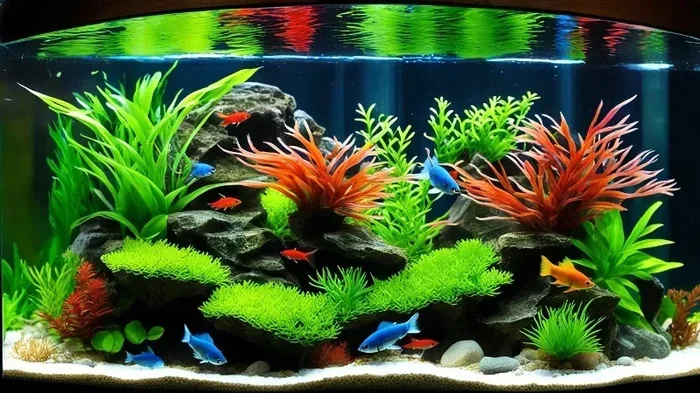
Visual guide about Why Is My Betta Fish Moving Slowly
Image source: illustmint.com
Testing and fixing the water
- Test weekly: Use a liquid test kit to check ammonia, nitrite, nitrate, and pH.
- Partial water changes: Swap out 25‑30% of the tank water every week with dechlorinated water at the same temperature.
- Clean the substrate: Vacuum the gravel to remove uneaten food and waste that can fuel harmful bacteria.
If you notice a sudden cloudiness in the tank, see our guide on why is my betta fish water cloudy for more troubleshooting steps.
2. Temperature Trouble
The Goldilocks zone for bettas
Bettas are tropical fish that love warm water. The ideal range is 76‑82°F (24‑28°C). Temperatures below 74°F slow metabolism, making fish drift lazily. Over‑heating above 84°F can cause rapid breathing and lethargy.
How to keep the water just right
- Invest in a reliable aquarium heater with an adjustable thermostat.
- Use a digital aquarium thermometer; cheap stick thermometers can be inaccurate.
- Place the tank away from drafts, windows, or heating vents that cause temperature swings.
3. Health Problems That Show Up as Slow Movement
Common illnesses
Several health issues make a betta move slowly. Look for these clues:
- Fin rot: Frayed, white‑tipped fins that look ragged.
- Swim bladder disorder: Fish floats upside down or stays at the bottom.
- Velvet disease: A gold‑dusty coating on the body and rapid breathing.
If you see any of these signs, act fast. A gentle water change, appropriate medication, and a quarantine tank can save your fish.
When slow movement means it’s time to call a vet
Persistent lethargy paired with loss of appetite, discoloration, or bloating could indicate a serious infection. In such cases, consult a fish‑health specialist or a veterinarian experienced with exotic pets.
4. Diet and Feeding Mistakes
Overfeeding vs. underfeeding
Both extremes can lead to a sluggish betta. Overfeeding creates excess waste, polluting the water and stressing the fish. Underfeeding leaves them weak and low on energy.
Feeding best practices
- Offer high‑quality betta pellets or frozen bloodworms once or twice a day.
- Only give an amount they can eat in 2‑3 minutes.
- Remove any uneaten food after feeding.
If your betta is spitting out food, read our article on why is my betta fish spitting out food for troubleshooting tips.
5. Stress From Environment and Tank Mates
Tank size and decorations
Even though bettas can live in small containers, a 2‑5 gallon tank gives them room to explore and reduces stress. Overcrowding or too many sharp decorations can cause injuries and make them hide.
Other fish and aggression
Bettas are known for their feisty nature. If you keep them with fin‑nipping species, they may become stressed and move slowly. For a community tank, choose peaceful tank mates and provide plenty of visual barriers.
Lighting and noise
Bright, flickering lights or constant vibrations from nearby appliances can frighten a betta. Use a soft LED light on a timer (8‑10 hours per day) and place the tank on a stable surface.
6. Recognizing Normal vs. Alarming Lethargy
What “normal” looks like
A healthy betta will have bursts of activity—flaring its fins, exploring, and occasionally resting at the bottom. Short periods of calm are normal, especially after feeding.
When to worry
If your fish spends most of the day floating near the surface or bottom, hardly moves its fins, and shows other symptoms (white spots, clamped fins, loss of color), it’s time to intervene.
For a quick checklist, see our article on why betta fish not moving.
Conclusion: Take Action and Keep Your Betta Happy
Seeing a betta move slowly can feel scary, but most of the time the cause is something you can fix at home. Start with the basics: test the water, check the temperature, and ensure a balanced diet. If those are all good, look closer at health signs and stress factors.
Remember, a proactive approach—regular water changes, proper feeding, and a calm environment—prevents many problems before they start. With a little attention, your betta will be back to its bright, active self, dazzling you with its fins and personality.
Frequently Asked Questions
Why is my betta fish moving slowly after a water change?
Sudden changes in temperature or pH can shock a betta, causing temporary lethargy. Make sure the new water matches the tank’s temperature and is properly conditioned.
Can low oxygen levels make my betta swim slowly?
Yes. Stagnant water or a lack of surface agitation reduces oxygen. Adding a gentle air stone or increasing surface movement helps.
My betta is floating sideways and moving slowly. What should I do?
Floating sideways often points to swim bladder issues. Fast a fasting period of 24‑48 hours, then offer a peeled pea to aid digestion.
Is it normal for bettas to rest at the bottom of the tank?
Occasional resting is normal, but if the fish stays at the bottom all day, checks water quality and health signs immediately.
How often should I change the water to prevent lethargy?
Change 25‑30% of the water weekly. If you have a small tank or heavy feeding, consider bi‑weekly changes.
When should I consider taking my betta to a vet?
If slow movement persists for more than a few days, especially with loss of appetite, discoloration, or fin damage, seek professional help.