Why Is My Betta Fish Losing Its Tail

Seeing a ragged or missing tail on your betta can be scary, but most causes are preventable. Identify water quality issues, fin rot, injuries, and stressors fast, and apply simple steps to restore a healthy tail.
Key Takeaways
- Water quality matters: Poor parameters are the #1 trigger for tail loss.
- Fin rot is common: Bacterial or fungal infections need prompt treatment.
- Tank mates and decorations can injure fins: Rough objects or aggressive companions cause tears.
- Stress weakens immunity: Over‑feeding, temperature swings, and lighting stress lead to fin damage.
- Early detection saves lives: Spotting the first signs lets you act before the tail disappears.
- Proper nutrition supports healing: High‑protein, vitamin‑rich foods speed fin regrowth.
- Regular maintenance prevents recurrence: Consistent water changes and monitoring keep tails intact.
📑 Table of Contents
Introduction
Betta fish are famous for their flowing tails and bold personalities. When that beautiful tail starts to fray, curl, or vanish, most owners panic. “Why is my betta fish losing its tail?” is a question that pops up in forums, comment sections, and pet‑store chats every day.
Good news: most tail‑loss problems have clear, manageable causes. By understanding the why, you can act quickly, prevent further damage, and often watch the tail grow back. This guide walks you through the most common reasons, how to spot early signs, and step‑by‑step fixes that anyone can follow.
1. Water Quality – The Silent Culprit
Why clean water matters
Betta fish are surface‑dwellers that breathe air from the water’s surface. They thrive in stable, clean water with a temperature of 76‑82°F (24‑28°C) and a pH between 6.5 and 7.5. When ammonia, nitrite, or nitrate spikes, the fish’s immune system weakens, making the delicate fin tissue vulnerable.

Visual guide about Why Is My Betta Fish Losing Its Tail
Image source: nintendo.co.kr
Testing and fixing parameters
- Ammonia & nitrite: Should be 0 ppm. Any detectable level can cause fin rot.
- Nitrate: Keep under 20 ppm; higher levels cause chronic stress.
- pH: Use a reliable test kit; sudden shifts trigger stress.
- Temperature: Fluctuations of more than 2°F stress the fish.
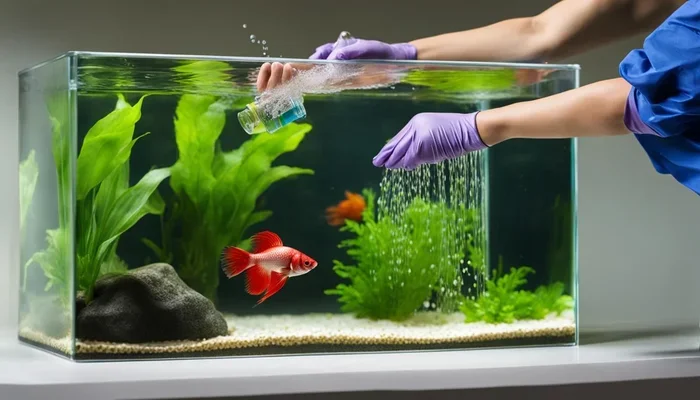
Perform a water change of 25‑30 % every week, and use a gentle filter that doesn’t create strong currents. A well‑maintained tank is the first line of defense against tail loss.
2. Fin Rot – Bacterial and Fungal Infections
What fin rot looks like
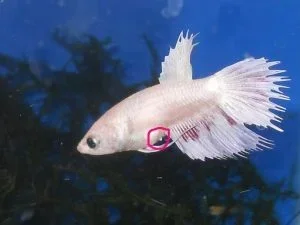
Fin rot starts as small, white or red spots on the edge of the tail. Over a few days the spots turn into frayed, ragged edges that may appear blackened. The condition spreads upward if left untreated.
Treatment steps
- Separate the betta into a hospital tank with clean, dechlorinated water.
- Increase the temperature to 80‑82°F to speed up the fish’s metabolism.
- Add an antibacterial medication such as Maracyn or a fungal remedy like API Fungal Cure according to the label.
- Perform daily 50 % water changes in the hospital tank.
- Continue treatment for at least 7‑10 days even if the tail looks better.
For more on fin issues, see our article Why Are My Betta Fish Fins Falling Off for a deeper dive.
3. Physical Injuries – Rough Decor and Aggressive Tank Mates
Common sources of injury
Sharp decorations, rough slate, or even a cracked plastic leaf can snag a betta’s tail. If you keep other fish—especially other males—aggression can lead to torn fins.
Prevention tips
- Choose smooth, betta‑safe ornaments like silk plants or polished stones.
- Avoid live plants with sharp leaf edges; trim them regularly.
- If you keep multiple bettas, use a divider or keep only one male per tank.
- Inspect the tank daily for torn edges or bite marks.
Injury can also be a sign of stress. Check temperature, lighting, and feeding routines to make sure you’re not overwhelming your fish.
4. Nutritional Deficiencies – Feeding for Fin Health
What to feed
Betta fish need high‑protein diets. Freeze‑dried or live foods like brine shrimp, daphnia, and bloodworms supply essential amino acids. A well‑balanced pellet formulated for bettas should make up 70‑80 % of the diet.
Supplements that help regrow fins
Vitamin C, vitamin E, and omega‑3 fatty acids support tissue repair. You can add a few drops of a liquid fish vitamin supplement to the tank water once a week.
When you notice a fading tail, switch to a higher‑protein diet for a week and watch for improvement.
5. Stress Factors – The Hidden Enemy
Temperature swings
Rapid changes of more than 3‑4°F in a few hours cause cortisol spikes, weakening the immune system. Use a reliable aquarium heater with an automatic shut‑off and a thermometer to keep the temperature steady.
Lighting issues
Betta fish prefer a day/night cycle of 10‑12 hours of light. Constant light or sudden darkness can stress them. Use a timer to create a consistent schedule.
Over‑crowding and water flow
Betas are not strong swimmers. A strong current can exhaust them, leading to fin damage. Choose a low‑flow filter or adjust the output to a gentle stream.
6. When to Seek Professional Help
Signs that home treatment isn’t enough
- The tail continues to deteriorate after 5‑7 days of medication.
- Visible black spots, ulcerations, or a foul odor.
- Loss of appetite, lethargy, or abnormal swimming.
If you see any of these, contact a veterinarian who specializes in fish or a reputable aquarium specialist. Early professional intervention can save your betta’s life.
Conclusion
“Why is my betta fish losing its tail?” is a question with many answers, but most revolve around water quality, infection, injury, nutrition, and stress. By keeping the tank clean, watching for early signs of fin rot, providing a balanced diet, and minimizing stress, you give your betta the best chance to heal and regrow a spectacular tail.
Remember, a healthy betta is a happy betta. Regular checks, small water changes, and a watchful eye on behavior will catch problems before they become serious. Keep these tips handy, and enjoy watching your fish’s fins flutter proudly for years to come.
Frequently Asked Questions
Why does my betta’s tail look frayed?
Frayed edges usually signal fin rot or a minor injury. Check water parameters and treat with an antibacterial medication if needed.
Can a betta regrow a lost tail?
Yes, with proper care. Clean water, good nutrition, and treatment of any infection can allow the tail to regenerate over several weeks.
How often should I change my betta’s water to prevent tail loss?
A 25‑30 % water change weekly is ideal. If you notice any spikes in ammonia or nitrite, increase to 50 % until levels normalize.
Is it normal for a betta to lose a small piece of its tail after a fight?
Occasional minor tears can happen, especially with aggressive tank mates. Trim the damaged area with clean scissors and improve tank conditions to prevent further loss.
What temperature range is safest for my betta’s fins?
Maintain the water between 76‑82°F (24‑28°C). Sudden changes can stress the fish and lead to fin problems.
Should I feed my betta more if its tail is healing?
Increase protein‑rich foods such as brine shrimp or bloodworms a few times a week, and add a vitamin supplement to support tissue repair.