Why Is My Betta Fish Lazy

Betta fish may appear lazy for many reasons, from water quality to stress. Identifying the root cause and adjusting tank conditions, diet, and routine can revive your finned friend’s energy.
Key Takeaways
- Understanding why is my betta fish lazy: Provides essential knowledge
📑 Table of Contents
- Introduction: When Your Betta Seems to Take the Day Off
- 1. Water Quality – The Silent Energy Drain
- 2. Temperature Troubles – When It’s Too Cold for a Warm‑Blooded Fighter
- 3. Feeding Habits – The Energy Fuel
- 4. Stress Factors – When the Tank Becomes a Prison
- 5. Health Issues – When Laziness Is a Symptom
- 6. Enrichment – Turning a Lazy Day into Playtime
- Putting It All Together – A Quick Checklist
- Conclusion: From Lazy to Lively
Introduction: When Your Betta Seems to Take the Day Off
Betta fish are famous for their bright colors and feisty personalities. So when you notice your little champion floating near the surface, barely moving, you might wonder, why is my betta fish lazy? It’s a common concern for new and seasoned hobbyists alike. The good news is that “laziness” is rarely a personality flaw. More often, it’s a signal that something in the environment or the fish’s health needs attention.
In this guide we’ll walk through the most common reasons a betta appears sluggish, how to diagnose the problem, and what you can do to bring the sparkle back. By the end, you’ll have a handy checklist to keep your betta active, happy, and thriving.
1. Water Quality – The Silent Energy Drain
Why clean water equals a lively betta
Betta fish are very sensitive to ammonia, nitrite, and nitrate spikes. Even a small amount of waste can make them feel “tired.” When the water quality drops, the fish’s gills work harder to extract oxygen, which saps energy.

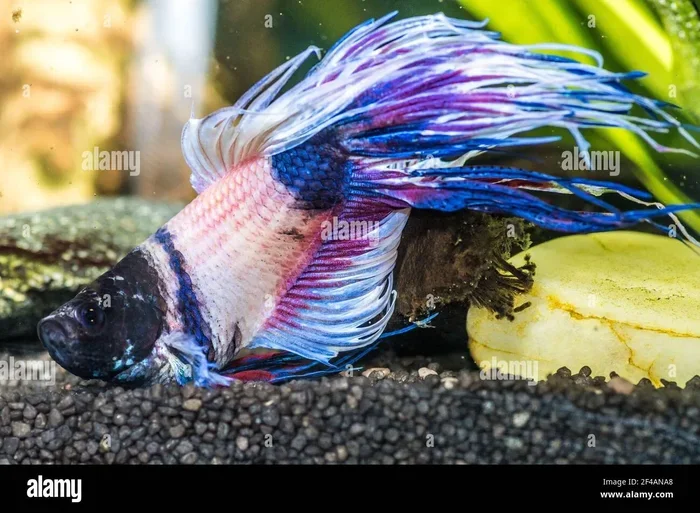
Visual guide about Why Is My Betta Fish Lazy
Image source: thumb.photo-ac.com
Testing and fixing water parameters
- Ammonia & Nitrite: Should be 0 ppm. Any detectable level can cause lethargy.
- Nitrate: Keep under 20 ppm for bettas.
- pH: Aim for 6.5‑7.5; rapid swings are stressful.
- Hardness: 3‑4 dGH is ideal.
Perform a water test weekly. If you spot a problem, do a partial water change of 25‑30% with conditioned water. Consistent maintenance prevents the “lazy” syndrome.
2. Temperature Troubles – When It’s Too Cold for a Warm‑Blooded Fighter
Betta’s sweet spot: 78‑82°F (25‑28°C)
Betta fish are tropical. If the tank temperature falls below 75°F, their metabolism slows dramatically, making them appear lazy. A simple thermometer can save you a lot of worry.
How to maintain steady warmth
- Use a reliable aquarium heater rated for the tank size.
- Place the heater near a water flow to avoid hot spots.
- Check temperature twice daily for the first week after setup.
If you notice temperature fluctuations, consider a thermostat or a heater with a built‑in controller. Consistent warmth keeps your betta’s muscles primed for action.
3. Feeding Habits – The Energy Fuel
Quality over quantity
Betta fish need protein‑rich diets. Low‑quality flakes or over‑feeding can lead to digestive issues and reduced activity. Feed small portions 2‑3 times daily, only what they can eat in 2‑3 minutes.
What to feed for optimal vigor
- High‑protein betta pellets (preferably with live or frozen foods mixed in).
- Occasional treats: daphnia, brine shrimp, or bloodworms.
- Avoid heavy foods that settle at the bottom and rot.
If your betta is spitting out food, read more about why is my betta fish spitting out food to rule out mouth or water issues.
4. Stress Factors – When the Tank Becomes a Prison
Over‑decoration and cramped spaces
Betta love to explore, but too many ornaments can limit swimming space, causing them to hide and appear lazy. Provide open swimming areas and a few gentle plants for cover.
Tank mates and aggression
Betta are solitary fighters. Even peaceful community fish can trigger stress if they’re too active or nippy. If you share a tank, monitor interactions closely. For more on aggressive behavior, see why are my two female betta fish fighting.
Lighting and noise
Bright, flickering lights or loud vibrations can make a betta retreat. Use a dimmable LED fixture and place the tank away from speakers or high‑traffic areas.
5. Health Issues – When Laziness Is a Symptom
Swim bladder disorder
A malfunctioning swim bladder can make a betta float oddly or stay near the bottom, looking lazy. Adjust feeding (smaller meals) and consider a fasting period of 24‑48 hours to clear the digestive tract.
Parasites and infections
External parasites (ich, velvet) or internal infections can sap energy. Look for white spots, clamped fins, or loss of appetite. If you suspect disease, consult a vet or read is my betta fish dying for early warning signs.
Fin rot and fungal growth
Faded or frayed fins can indicate infection, leading to reduced movement. Keep water pristine and treat with appropriate medication if needed.
6. Enrichment – Turning a Lazy Day into Playtime
Simple toys and mirrors
Betta love to flare at their reflection. A small, safe mirror placed for a few minutes each day can encourage activity.
Live plants and hiding spots
Live plants like Java fern or Anubias provide natural cover and stimulate exploration. If plants aren’t an option, use silk decorations that won’t tear fins.
Bubble nests and breeding instincts
Even non‑breeding bettas enjoy building bubble nests. Provide a calm surface and watch them puff out bubbles. If you notice a sudden stop in nest building, it might signal stress—read why did my betta fish stop making bubble nest for clues.
Putting It All Together – A Quick Checklist
- Test water weekly: ammonia, nitrite, nitrate, pH.
- Maintain temperature at 78‑82°F.
- Feed high‑quality protein meals 2‑3 times daily.
- Provide ample open swimming space and a few gentle plants.
- Limit tank mates; keep the environment calm.
- Observe for signs of illness: clamped fins, spots, loss of appetite.
- Introduce enrichment like mirrors or bubble‑nest encouragement.
By following this routine, you’ll quickly answer the question, “why is my betta fish lazy?” and turn those sluggish moments into lively displays of color and flaring fins.
Conclusion: From Lazy to Lively
Betta fish don’t “choose” to be lazy; they react to their surroundings. Water quality, temperature, diet, stress, and health all play a part. Take a systematic approach—check the basics first, then move to health and enrichment. Most lazy‑looking bettas bounce back within days of proper care.
Remember, a happy betta is an active betta. Keep the tank clean, the water warm, and the diet nutritious, and you’ll enjoy watching your finned friend thrive.
Frequently Asked Questions
Why does my betta stay at the bottom of the tank?
This can be a sign of low temperature, poor water quality, or swim bladder issues. Check the heater and test the water for ammonia and nitrite.
Can lighting affect my betta’s activity level?
Yes. Bright, constant light can stress a betta and make it hide. Use a dimmable LED and provide a regular day/night cycle.
Is it normal for a betta to rest for long periods?
Betta do rest, but they should still swim, explore, and flare occasionally. Prolonged inactivity usually points to an environmental problem.
How often should I change the water to keep my betta active?
A 25‑30% water change weekly is ideal. If you notice spikes in ammonia or nitrite, increase the frequency.
My betta isn’t eating and looks lazy—what should I do?
Fast the fish for 24‑48 hours, then offer high‑protein live foods. If it still refuses, check for disease and consider consulting a vet.
Can adding plants help a lazy betta?
Yes. Live plants provide natural cover and encourage exploration, which can boost activity levels.