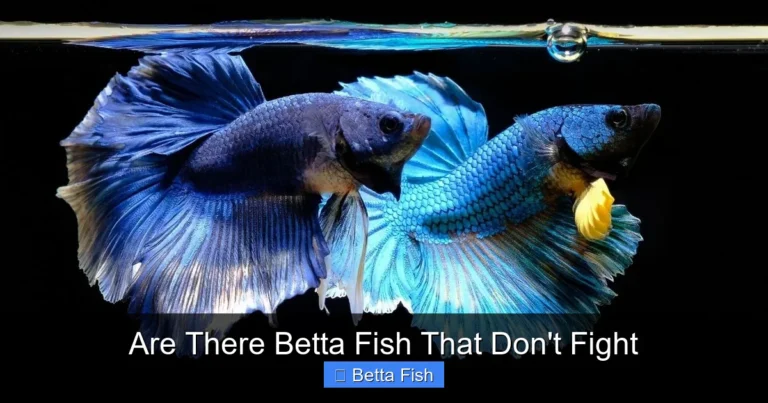
Can You Have Shrimp and Betta Fish Together
Yes, you can keep shrimp and betta fish together—but only under the right conditions. By choosing peaceful shrimp species, providing plenty of hiding spots, and maintaining stable water parameters, you create a safe home for both. Follow these simple guidelines to enjoy a vibrant, low‑maintenance community tank.
Key Takeaways
- Species matters: Not all shrimp are safe; opt for small, fast‑hiding varieties like Cherry or Amano.
- Tank size & layout: A minimum of 10 gallons with dense plants and décor gives shrimp places to escape.
- Temperament of the betta: Calm, non‑aggressive bettas are more likely to coexist peacefully.
- Water parameters: Keep temperature (76‑80 °F) and pH (6.5‑7.5) in ranges that suit both species.
- Feeding strategy: Feed shrimp at the bottom and betta at the surface to reduce competition.
- Monitoring is key: Watch for signs of stress and be ready to separate if aggression appears.
- Alternative tank mates: If shrimp aren’t working, consider snails or peaceful dwarf shrimp as backup.
📑 Table of Contents
- Introduction: A Curious Pair
- 1. Understanding Betta Temperament
- 2. Choosing the Right Shrimp Species
- 3. Setting Up the Ideal Tank
- 4. Feeding Both Species Without Competition
- 5. Monitoring and Troubleshooting
- 6. Frequently Asked Questions and Common Concerns
- Conclusion: A Balanced Community Is Possible
Introduction: A Curious Pair
When you first set up a betta tank, the bright colors and flowing fins are hard to resist. Add a few tiny shrimp, and you’ve got a miniature aquarium that looks like a living work of art. But before you toss in both, you might wonder, can you have shrimp and betta fish together without ending in a watery disaster?
In this guide we’ll walk through everything you need to know— from choosing the right shrimp to tweaking your tank setup. Think of it as a friendly chat over coffee, where we keep the science simple and the tips practical.
1. Understanding Betta Temperament
Why bettas can be aggressive
Betta splendens, commonly called the Siamese fighting fish, evolved to defend tiny, shallow habitats. In the wild, males guard a small patch of water and will chase away anything that looks like a rival. This instinct can translate into aggression toward other fish, and sometimes toward invertebrates.
Spotting a calm betta
Not every betta is a raging bull. Look for individuals that show:
- Relaxed fins when feeding
- Minimal flaring when you approach the tank
- Quick recovery after a brief flare
If your betta fits this profile, the odds of a peaceful shrimp partnership improve dramatically.
2. Choosing the Right Shrimp Species
Best shrimp for betta tanks
Here are three shrimp varieties that have proven success in betta setups:
- Cherry Shrimp (Neocaridina davidi): Small (1‑2 in), vibrant red, and quick to hide.
- Amano Shrimp (Caridina multidentata):** Excellent algae eaters; they grow a bit larger (2‑3 in) but are still fast enough to escape a curious betta.
- Ghost Shrimp (Palaemonetes sp.):** Transparent and active, they blend into plant foliage and are less likely to be seen as a snack.
Species to avoid
Large or slow‑moving shrimp like some dwarf shrimp varieties can become easy targets. Also steer clear of brightly colored, slow‑moving shrimp that may trigger the betta’s predatory instincts.
3. Setting Up the Ideal Tank
Tank size matters
A 10‑gallon (38 L) tank is the sweet spot. It provides enough water volume to dilute any aggression and enough floor space for plants and décor.
Planting and décor
Live plants such as Java fern, Anubias, and Moss balls create natural cover. Add driftwood, rocks, and PVC pipes to form “shrimp highways” where they can dash away.
Water parameters
Both bettas and most freshwater shrimp thrive in:
- Temperature: 76‑80 °F (24‑27 °C)
- pH: 6.5‑7.5
- Hardness: 4‑12 dGH
Maintaining stable parameters reduces stress for both parties.
4. Feeding Both Species Without Competition
Separate feeding zones
Drop shrimp pellets or algae wafers at the bottom of the tank where shrimp will gather. Offer a small betta pellet or frozen bloodworm at the surface. This spatial separation keeps each animal satisfied and reduces the chance of the betta stealing shrimp food.
Frequency and quantity
Feed shrimp twice daily in small amounts; over‑feeding can foul the water and harm the betta. Bettas only need a pinch of food once a day.
5. Monitoring and Troubleshooting
Signs of stress in shrimp
Look for shrimp that are hiding constantly, show discoloration, or have missing limbs. These are red flags that the betta may be harassing them.
Signs of stress in bettas
Frequent flaring, loss of color, or lethargy can indicate that the betta feels threatened or is not getting enough space.
When to separate
If aggression persists after a week of observation, it’s safest to move the shrimp to a separate refuge tank. A simple 5‑gallon “critter keeper” works well.
6. Frequently Asked Questions and Common Concerns
Can bettas eat baby shrimp?
Yes, newly hatched shrimp (zoeae) are tiny enough to be seen as food. Using a breeding trap or a separate nursery tank helps protect the fry.
Do shrimp help keep the tank clean?
Shrimp are natural scavengers. They eat leftover food, algae, and detritus, which can improve overall water quality.
Is a betta’s fin length a factor?
Long‑fin bettas often display more flamboyant behavior, but fin length alone doesn’t dictate aggression. Personality is more important.
Can I keep more than one shrimp species?
Mixing compatible shrimp (e.g., Cherry and Ghost) is fine, but keep the total shrimp load within the tank’s bio‑load capacity.
What about adding snails?
Peaceful snails such as Nerite or Mystery snails are excellent companions and rarely trigger betta aggression.
Conclusion: A Balanced Community Is Possible
So, can you have shrimp and betta fish together? The answer is a confident yes—provided you choose a calm betta, select fast‑hiding shrimp, and design a tank rich in plants and hiding places. By monitoring behavior and adjusting feeding routines, you can enjoy a lively, colorful aquarium that showcases both the elegance of the betta and the industrious charm of shrimp.
Ready to start your mixed tank? Begin with a small group of Cherry shrimp, a well‑behaved male betta, and a planted 10‑gallon setup. Watch, learn, and adjust. Before long, you’ll have a thriving underwater community that’s the envy of every aquarium hobbyist.
Frequently Asked Questions
Will a betta always attack shrimp?
No. While some bettas are naturally aggressive, many can coexist peacefully with shrimp when given enough space and cover.
What temperature should I keep for both betta and shrimp?
Maintain the water between 76‑80 °F (24‑27 °C), which suits most freshwater shrimp and bettas alike.
Do I need a filter for a shrimp‑betta tank?
A gentle sponge filter is ideal. It provides bio‑filtration without creating strong currents that could stress shrimp.
Can I add live plants to help shrimp hide?
Absolutely. Live plants like Java moss and Anubias create natural hiding spots and improve water quality.
How many shrimp can I keep with one betta?
A good rule of thumb is 5‑8 adult Cherry shrimp for a single betta in a 10‑gallon tank.
What should I do if my betta starts nipping at shrimp?
Immediately provide extra hiding places, reduce the shrimp population, and consider moving the shrimp to a separate tank if aggression continues.