Seeing your betta hover at the water’s surface can be alarming. It often signals stress, water‑quality problems, or health issues. Check temperature, oxygen, and signs of disease, then act fast to keep your finned friend safe.
Key Takeaways
- Water quality matters: Poor ammonia, nitrite, or pH can force a betta to the surface.
- Temperature is crucial: Betta’s ideal range is 76‑82°F; too cold or hot leads to floating.
- Oxygen levels: Low dissolved oxygen makes bettas gasp at the top.
- Health clues: Swollen belly, white spots, or ragged fins often accompany surface floating.
- Stress triggers: Over‑crowding, bright lights, or aggressive tank mates can cause a betta to hide near the surface.
- Quick fixes: Partial water change, heater adjustment, and a proper diet usually solve the problem.
- When to seek help: If floating persists after corrections, consult a veterinarian or experienced hobbyist.
📑 Table of Contents
- Introduction: The Panic of a Floating Betta
- 1. Water Quality – The Silent Culprit
- 2. Temperature Trouble – Too Hot or Too Cold?
- 3. Oxygen Levels – The Breath‑of‑Life Factor
- 4. Health Issues – When the Body Sends a Signal
- 5. Stress and Environmental Triggers
- 6. Step‑by‑Step Action Plan
- Conclusion: Keep Calm and Diagnose
Introduction: The Panic of a Floating Betta
Imagine you come home after a long day, flip the tank lid, and your betta is just hanging out at the very top of the water. It looks almost like it’s “floating” rather than swimming. Your first reaction is probably a mix of worry and curiosity. Is it sick? Is the tank unsafe? The good news is that a betta staying at the surface is a symptom, not a disease. By looking at the environment, the fish’s behavior, and any accompanying signs, you can often pinpoint the cause and fix it within minutes.
This article walks you through the most common reasons your betta is floating at the top, how to diagnose each one, and practical steps to get your fish back to normal. We’ll also link to related topics like sideways floating and bubble‑nest problems so you have a full toolbox for betta care.
1. Water Quality – The Silent Culprit
Ammonia, Nitrite, and Nitrate Build‑Up
Even a tiny spike in ammonia (NH₃) or nitrite (NO₂⁻) can make a betta feel sick. These compounds irritate the gills, reducing the fish’s ability to extract oxygen. When gill function is compromised, the fish instinctively swims near the surface where water is slightly richer in oxygen.
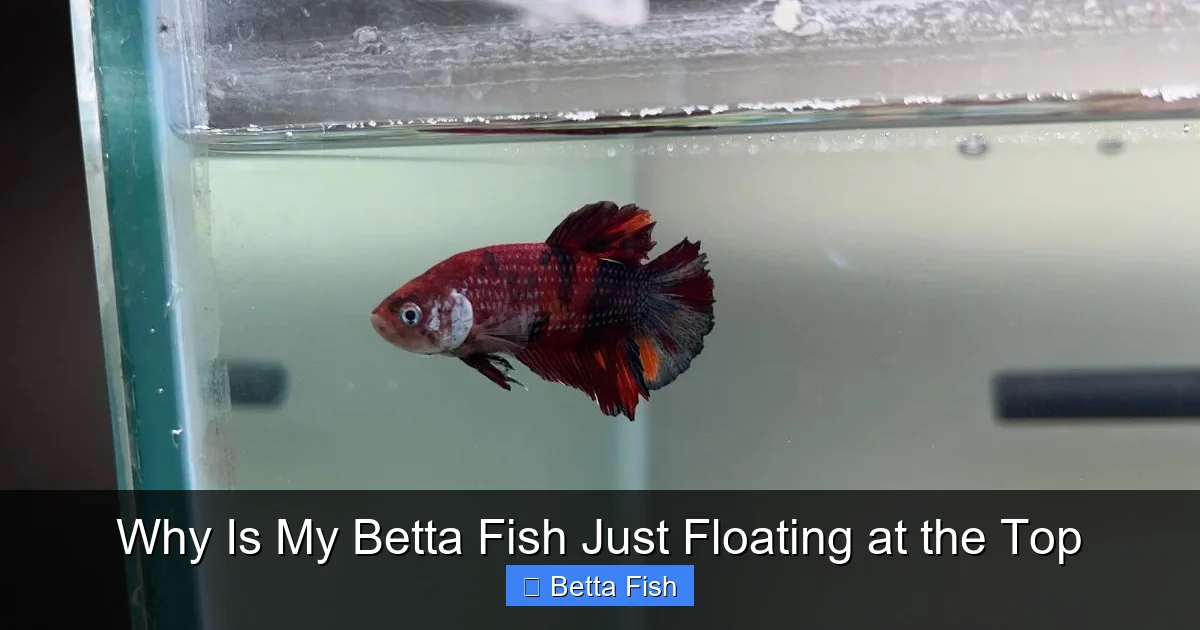
Visual guide about Why Is My Betta Fish Just Floating at the Top
Image source: housedpet.com
Test your water with a reliable aquarium test kit at least once a week. Ideal levels are:
- Ammonia: 0 ppm
- Nitrite: 0 ppm
- Nitrate: < 20 ppm for bettas
If any of these numbers are high, perform a 25‑30 % water change, clean the substrate, and consider adding a biological filter.
pH and Hardness
Betta fish thrive in slightly acidic to neutral water (pH 6.5‑7.5). A sudden shift can stress the fish and cause surface floating. Use a pH buffer or add crushed coral to raise hardness if needed.
Link to Related Issue
For a deeper dive into how water problems affect swimming posture, see our guide on why is my betta fish floating sideways.
2. Temperature Trouble – Too Hot or Too Cold?
Ideal Temperature Range
Betta fish are tropical and need water between 76°F and 82°F (24°C‑28°C). Temperatures below 74°F slow metabolism, making the fish sluggish and more likely to stay at the surface to “breathe.” Over‑heating (above 84°F) can cause panic and rapid breathing, also pushing the fish upward.
Testing and Adjusting
Use an accurate aquarium thermometer. If the water is too cold, add a submersible heater set to the middle of the ideal range. If it’s too warm, reduce heater output or add a small fan to increase surface evaporation (which cools the water).
Quick Temperature Fix
When you notice floating, check the temperature first. A 2‑degree correction often resolves the issue within an hour.
3. Oxygen Levels – The Breath‑of‑Life Factor
Why Oxygen Matters
Betta fish have a labyrinth organ that lets them gulp air from the surface, but they still rely on dissolved oxygen (DO) for normal swimming. Low DO makes them gasp and hover near the water’s edge.
Increasing Dissolved Oxygen
- Turn on a gentle air stone or bubble wand.
- Perform a partial water change with slightly cooler water (helps oxygen dissolve).
- Avoid over‑stocking the tank; one betta per 2‑5 gallons is ideal.
Related Reading
Learn why bettas sometimes make bubbles in our article why is my betta fish making bubbles.
4. Health Issues – When the Body Sends a Signal
Swim Bladder Disorder
The swim bladder helps a fish control depth. If it’s damaged or infected, the betta may drift upward and be unable to sink. Look for a “puffy” belly, abnormal curvature, or difficulty staying upright.
Internal Parasites and Bacterial Infections
Parasites can cause inflammation of the gut, making the fish float. Bacterial infections often show as red streaks, white spots, or ragged fins. If you see any of these signs along with surface floating, start a treatment plan with a broad‑spectrum aquarium medication.
Fin Rot and External Infections
Fins that appear frayed, torn, or discolored can indicate fin rot, which stresses the fish and may lead to floating. Keep the water clean and treat with a melafix or similar remedy.
Helpful Link
For more on visual signs of disease, read why is my betta fish turning white.
5. Stress and Environmental Triggers
Lighting and Tank Placement
Bright direct sunlight or a constantly flashing LED can startle a betta, causing it to hide near the surface where the light is less intense. Use a dimmer or move the tank away from windows.
Tank Mates and Aggression
Although many keep a single betta, some owners house them with peaceful community fish. If a larger or more active fish is harassing the betta, the betta may stay at the top to avoid confrontation.
Improper Tank Size
A bowl that’s too small limits water volume, causing rapid temperature swings and low oxygen. Upgrade to at least a 5‑gallon tank with a lid to prevent jumping.
Behavioral Note: Sleeping at the Top
Betta fish sometimes rest near the surface at night. If the floating is accompanied by calm, still posture and no other symptoms, it might simply be sleeping. For details on normal sleeping behavior, see do betta fish sleep at the top of the tank.
6. Step‑by‑Step Action Plan
Step 1 – Immediate Observation
- Note any additional signs: white spots, ragged fins, gasping, loss of appetite.
- Check temperature and perform a quick water test for ammonia and nitrite.
Step 2 – Quick Environmental Fixes
- Do a 25 % water change with dechlorinated water at the correct temperature.
- Turn on an air stone for at least 30 minutes.
- Adjust heater if temperature is out of range.
Step 3 – Longer‑Term Maintenance
- Establish a weekly water‑change schedule (10‑20 %).
- Clean the substrate with a gravel vacuum.
- Test water weekly for pH, ammonia, nitrite, and nitrate.
Step 4 – Health Intervention
- If swim‑bladder signs appear, try fasting the betta for 24 hours, then feed a boiled pea to help digest.
- For infections, follow medication directions and isolate the fish if possible.
Step 5 – When to Call a Vet
If after 48 hours the betta is still stuck at the surface, shows loss of color, or stops eating, seek professional advice. Early treatment can save a life.
Conclusion: Keep Calm and Diagnose
A betta floating at the top is a red flag, but it’s rarely a death sentence. By systematically checking water quality, temperature, oxygen, and health, most owners can correct the problem within a day. Remember to keep a regular maintenance routine, observe your fish daily, and act quickly when something looks off. Your betta will thank you with vibrant colors and graceful swimming.
Frequently Asked Questions
Why is my betta fish staying at the top of the tank?
Common reasons are low dissolved oxygen, improper temperature, poor water quality, or a health issue like swim‑bladder disorder.
Can a betta fish die from floating at the surface?
If the underlying cause isn’t addressed, prolonged floating can lead to stress, organ failure, or death. Quick intervention usually prevents fatal outcomes.
How long should I wait before treating my betta for a suspected swim‑bladder problem?
Start treatment immediately—fast the fish for 24 hours, then offer a boiled pea. If there’s no improvement in 24‑48 hours, consider medication.
Is it normal for bettas to rest near the water’s surface?
Yes, bettas sometimes sleep near the top, especially in low‑light conditions. Look for calm, still posture without other stress signs.
Will adding an air stone help my floating betta?
Often, yes. An air stone increases dissolved oxygen, which can reduce surface‑gasping behavior.
Should I increase the tank size if my betta keeps floating?
Upgrading to at least a 5‑gallon tank improves water stability, oxygen levels, and overall health, reducing the chance of floating.

