Seeing your betta’s gills puffed out can be alarming, but it’s often a sign of a solvable problem. This guide explains why gills may appear enlarged, how water quality, disease, and stress play a role, and what practical steps you can take today to restore normal breathing.
Key Takeaways
- Water quality is the #1 culprit: High ammonia, nitrite, or incorrect temperature can cause gill inflammation.
- Look for accompanying symptoms: Cloudy eyes, clamped fins, or loss of appetite often signal the same issue.
- Quick water change saves lives: Replacing 25‑30% of tank water can instantly relieve stressed gills.
- Preventative care matters: Regular testing, proper filtration, and a balanced diet keep gills healthy.
- Know when to seek help: Persistent swelling, bleeding, or rapid decline requires veterinary attention.
- Stress reduction tricks: Hideouts, stable lighting, and avoiding aggressive tank mates reduce gill flare‑ups.
- Internal resources: Use our related articles on water clarity, swimming issues, and bubble‑nest problems for a complete health check.
📑 Table of Contents
- Introduction: When Betta Gills Look Like Balloons
- 1. Water Quality – The Silent Stressor
- 2. Disease and Parasites – When the Gills Fight Back
- 3. Physical Irritants – Anything That Scratches the Gills
- 4. Stress Factors – The Hidden Culprits
- 5. Nutrition and Feeding – Feeding the Gills Right
- 6. Quick Action Plan – What to Do Right Now
- Conclusion: Breathe Easy with a Healthy Betta
Introduction: When Betta Gills Look Like Balloons
Imagine you’re watching your prized betta swim gracefully when suddenly its gill covers (opercula) puff out like tiny balloons. Your heart skips a beat—“why is my betta fish gills out?” you wonder. The good news is that most cases are not a death sentence. With a little detective work and prompt care, you can often turn the situation around.
Betta fish (Betta splendens) are hardy, but they are also sensitive to their environment. Their gills are the primary breathing organ, and any irritation shows up quickly. In this article we’ll break down the most common reasons for swollen gills, how to spot warning signs, and step‑by‑step actions you can take. By the end, you’ll feel confident that you can keep your betta breathing easy.
1. Water Quality – The Silent Stressor
Ammonia, Nitrite, and Nitrate Buildup
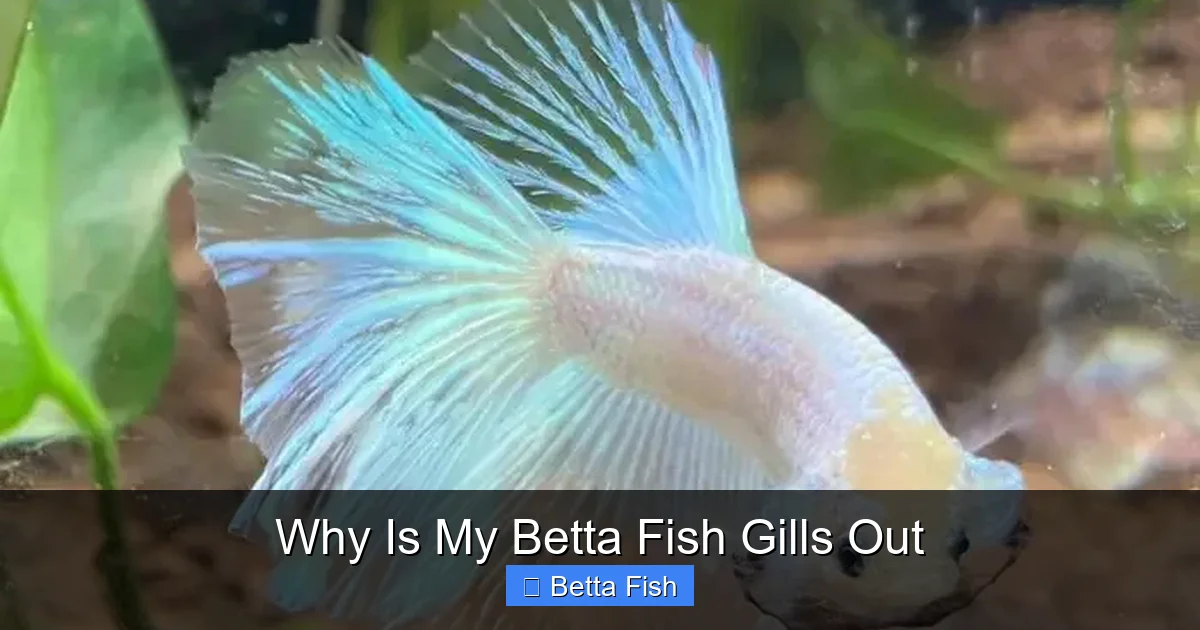
Even a small spike in ammonia or nitrite can cause gill tissue to inflame. In a new tank, the nitrogen cycle may not be fully established, and in an older tank, over‑feeding can create excess waste.
Visual guide about Why Is My Betta Fish Gills Out
Image source: bettafishworld.com
- Ammonia (NH₃): Toxic in its un‑ionized form. Look for a sharp, “burning” smell.
- Nitrite (NO₂⁻): Turns fish blood a chocolate brown, reducing oxygen transport.
- Nitrate (NO₃⁻): Less toxic but can stress gills over time.
Test your water weekly with a liquid test kit. If any level is above safe limits (ammonia > 0 ppm, nitrite > 0 ppm, nitrate > 20 ppm), perform a 25‑30% water change and consider adding a biological filter.
Temperature and pH Fluctuations
Betta fish thrive at 76‑82°F (24‑28°C). Temperatures below 74°F cause gills to work harder, while temperatures above 84°F can damage delicate filaments. Likewise, a pH outside the 6.5‑7.5 range stresses the respiratory system.
Use an aquarium heater with an automatic shut‑off and a reliable thermometer. Adjust pH slowly with driftwood (to lower) or crushed coral (to raise), never by more than 0.2 units per day.
Practical Tip: The 3‑Day Water Reset
If you suspect water quality is the issue, follow this quick reset:
- Turn off the heater and let the tank settle for 10 minutes.
- Remove 30% of water using a siphon, discarding debris.
- Replace with dechlorinated water that matches the tank temperature.
- Retest after 24 hours. Repeat if necessary.
Most bettas will show calmer gills within a day of a clean water change.
2. Disease and Parasites – When the Gills Fight Back
Bacterial Infections (Flu, Fin Rot)
Bacterial blooms often start in the gills. Look for white or gray patches, mucus, or tiny red spots. The fish may gasp at the surface.
Visual guide about Why Is My Betta Fish Gills Out
Image source: img.ero-comic-hunter.net
Treatment: A broad‑spectrum antibiotic like Maracyn 2 for 5‑7 days, combined with improved water conditions, usually clears the infection.
Fungal Growth
Fungi appear as cotton‑like growths on the opercula. They thrive in warm, dirty water.
Use a fungicide such as “Mardel Fungus Control” and increase aeration to keep water moving.
External Parasites (Velvet, Ich)
Velvet (Oodinium) gives the gills a dusty gold sheen, while Ich (Ichthyophthirius) shows white spots. Both cause the fish to open its mouth repeatedly, inflating the gill cover.
Treatment options include copper‑based medications for velvet and a 24‑hour temperature increase (to 86°F) plus a salt dip for Ich.
When to Call a Vet
If gill swelling persists after 48 hours of treatment, or if you see bleeding, severe discoloration, or the fish stops moving, it’s time to consult an aquarium‑savvy veterinarian.
3. Physical Irritants – Anything That Scratches the Gills
Sharp Decorations and Rough Substrate
Even a small piece of broken glass can nick the delicate gill filaments, leading to inflammation and swelling.

Visual guide about Why Is My Betta Fish Gills Out
Image source: down-tw.img.susercontent.com
Inspect every decoration, remove any sharp edges, and consider using smooth slate or polished river rock instead of gravel.
Air Bubbles and Over‑Aeration
Betta fish are labyrinth fish; they breathe air from the surface. However, tiny bubbles constantly hitting the gills can cause irritation, especially if the water is already poor.
Adjust the air stone flow or switch to a gentle sponge filter that creates a soft current.
Chemical Irritants
Cleaning agents, untreated tap water, or even certain plant fertilizers can release chemicals that inflame gills. Always use a water conditioner that removes chlorine, chloramines, and heavy metals.
4. Stress Factors – The Hidden Culprits
Tank Mates and Territorial Aggression
Betta males are notoriously aggressive. Keeping two males together, or housing a male with a particularly feisty female, can lead to constant fighting, causing gill flare‑ups from stress.
If you notice nips or torn fins, separate the fish immediately. For community tanks, use a solid divider.
Lighting and Noise
Bright, flickering lights or loud vibrations (e.g., from a nearby TV) can stress a betta. Keep lighting on a 10‑hour cycle and place the tank away from heavy foot traffic.
Hiding Places and Enrichment
Betta fish love to explore caves and leaf piles. A lack of hiding spots makes them feel exposed, raising cortisol levels and causing gill swelling.
Provide a small cave, a piece of live or silk plant, and occasional floating lily pads.
Practical Stress‑Reduction Checklist
- Maintain a stable temperature (±1°F).
- Run a gentle filter to keep water moving without strong currents.
- Offer 2‑3 hiding spots per fish.
- Limit tank lighting to 10‑12 hours per day.
- Perform weekly 20% water changes.
5. Nutrition and Feeding – Feeding the Gills Right
Balanced Diet Essentials
High‑protein betta pellets are formulated for optimal gill health. Supplement with frozen or live foods (brine shrimp, daphnia) 2‑3 times a week.
Over‑feeding creates excess waste, which spikes ammonia and irritates gills. Feed only what your betta can consume in 2‑3 minutes, once or twice daily.
Signs of Poor Nutrition
If your betta is not eating, its gills may become pale and thin. This can be a sign of underlying disease or water stress. Check out our article on why is my betta fish not eating for a deeper dive.
Supplements for Gill Health
Vitamin C and omega‑3 fatty acids support immune function and reduce inflammation. Add a pinch of high‑quality fish‑vitamin powder to the feed once a week.
6. Quick Action Plan – What to Do Right Now
Step‑by‑Step Rescue
- Test water parameters. If any are out of range, do a 30% water change.
- Observe behavior. Look for gasping, clamped fins, or loss of color.
- Check for visible disease. Note any spots, fuzz, or bleeding on the gills.
- Isolate the fish. Move the betta to a hospital tank with clean, conditioned water.
- Medicate if needed. Use appropriate antibiotics, antifungals, or parasite meds.
- Maintain optimal conditions. Keep temperature steady, add a gentle filter, and feed a balanced diet.
- Monitor for 48‑72 hours. If gills return to normal size and the fish swims calmly, you’ve succeeded.
When to Give Up the Tank
In rare cases, chronic gill disease leads to irreversible damage. If the fish shows no improvement after a full treatment cycle and continues to deteriorate, humane euthanasia may be the kindest option. Our guide on is my betta fish dying can help you make that decision.
Conclusion: Breathe Easy with a Healthy Betta
Seeing your betta’s gills puff out is unsettling, but it’s often a signal that something in the tank needs attention. By checking water quality, watching for disease, removing physical irritants, reducing stress, and feeding right, you can usually restore normal breathing within a day or two. Remember to act quickly, keep a routine testing schedule, and use our internal resources for related issues like cloudy water or sideways swimming. Your betta will thank you with vibrant colors and graceful fins for years to come.
Frequently Asked Questions
Why are my betta’s gills constantly flared?
Constant flaring usually points to poor water quality—high ammonia, nitrite, or incorrect temperature—causing the fish to work harder to get oxygen.
Can high temperature cause gill swelling?
Yes. Temperatures above 84°F stress the gill tissue and can lead to inflammation and swelling.
Do I need medication for gill issues?
Only if you see signs of infection (white patches, mucus, or spots). Otherwise, a thorough water change and environmental adjustments are enough.
How long does it take for gills to return to normal after a water change?
Most bettas show improvement within 12‑24 hours if the water parameters are corrected.
Is it normal for a betta to breathe at the surface with swollen gills?
Betta fish naturally surface for air, but excessive surface breathing combined with gill swelling indicates they are struggling and need help.
What other signs should I watch for besides gill swelling?
Look for clamped fins, loss of appetite, cloudy eyes, or abnormal swimming patterns such as floating sideways.

