How to Transfer Your Betta Fish
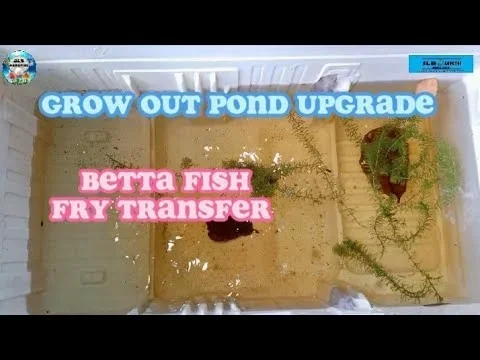
Knowing how to transfer your betta fish properly is essential for your pet’s health and happiness. Whether you are moving your betta to a bigger tank or a temporary bowl, the process requires careful planning and patience. This guide walks you through every step to ensure a smooth, stress-free transition for your fish.
Key Takeaways
- Slow acclimation is critical: Gradually introducing your betta to new water prevents shock and stress.
- Prepare the new environment first: Set up the tank or bowl with proper temperature, filtration, and decorations before moving your fish.
- Avoid sudden water changes: Drastic shifts in water temperature or chemistry can harm or even kill your betta.
- Use the bag or cup method: Both are safe transfer methods when done correctly with proper floating and mixing techniques.
- Monitor your betta after the move: Watch for signs of stress or illness in the days following the transfer.
- Keep water parameters consistent: Matching pH, ammonia, and temperature between old and new water is the safest approach.
- Quarantine new additions: If adding tank mates, quarantine them first to protect your betta’s health.
📑 Table of Contents
Why You Might Need to Transfer Your Betta Fish
There are many reasons you may need to move your betta fish to a new home. Maybe your current tank is too small and your betta needs more room. Perhaps you just bought a new setup and want to give your fish a better habitat. Some people move their betta temporarily during tank cleaning or home renovations.
Whatever the reason, transferring your betta fish is not as simple as scooping them up and dumping them into a new space. Fish are sensitive creatures. They react strongly to changes in their environment. A poorly handled transfer can lead to stress, disease, or even death. That is why doing it the right way matters so much.
Preparing to Transfer Your Betta Fish
Before you even touch your fish, preparation is key. A successful transfer starts long before the actual move. You need to have the new environment fully ready to go.
Setting Up the New Tank or Bowl
If you are moving your betta to a new tank, make sure it is fully cycled and ready. A cycled tank has beneficial bacteria that break down harmful toxins like ammonia and nitrite. This is crucial for your betta’s health. If you are moving your betta into a bowl, ensure it is clean and filled with treated water.
For those wondering about smaller setups, you can learn more about how to transfer a betta fish to a bowl for specific bowl-related tips. The preparation process is similar but requires extra attention to water quality since bowls have less stable conditions.
Gathering Your Supplies
Here is what you will need before starting:
- A clean container or bag for transporting the fish
- A net or cup for scooping the betta
- A water conditioner like Seachem Prime
- A thermometer to check temperature
- Clean buckets or containers for water changes
Checking Water Parameters
This step is often overlooked but incredibly important. Test the water in both the current tank and the new setup. You want to match the following parameters as closely as possible:
- Temperature: Betta fish prefer water between 76°F and 82°F (24°C to 28°C). Keeping your betta warm is essential for their comfort and immune function.
- pH: Aim for a pH between 6.5 and 7.5.
- Ammonia and Nitrite: Both should be at 0 ppm.
- Nitrate: Keep below 20 ppm if possible.
If the water parameters are very different between the two environments, you will need extra time for acclimation. Rushing this process is one of the most common mistakes new betta owners make.
Step-by-Step Guide to Transfer Your Betta Fish
Now that everything is prepared, it is time to move your fish. Follow these steps carefully for the safest transfer possible.
Step 1: Catch Your Betta Gently
Never use your hands to grab the fish unless you are experienced and the fish is calm. Use a soft net or a cup to scoop the betta out of the water. Move slowly and calmly. Fast movements can frighten your fish and make them dash around, which increases stress.
Place the betta gently into a clean container. You can use a plastic bag, a cup, or even a small bucket. Make sure the container has enough of the original tank water to keep the fish comfortable. The bag method works well for short moves and is commonly recommended by experienced hobbyists.
Step 2: Float the Container in the New Tank
This is the most important step in the entire process. Once your betta is in the transfer container, place it directly into the new tank or bowl. Let it float undisturbed for 15 to 20 minutes. This process is called floating acclimation.
During this time, the temperature of the water in the container slowly adjusts to match the new tank. This prevents thermal shock, which can be deadly for bettas. Do not skip this step. Even a few degrees of temperature difference can stress your fish out.
Step 3: Mix the Waters
After floating, it is time to help your betta adjust to the new water chemistry. Use a clean cup or turkey baster to add small amounts of water from the new tank into the container with your betta. Do this slowly over 15 to 20 minutes.
Alternatively, you can use the drip method. Place your betta in a bucket and use an airline tubing with a knot or valve to slowly drip tank water into the bucket. This method is especially useful for sensitive fish and is considered the gold standard for acclimation. You can read more about proper water preparation in our guide on how to prepare water for a betta fish.
Step 4: Net the Betta Into the New Tank
Once the acclimation is complete, gently net your betta out of the transfer container and release it into the new tank. Do not pour the container water into the new tank. This would introduce unwanted contaminants, leftover food, and old water chemistry into your clean setup.
Let your betta explore on its own. It may hide for a while, and that is completely normal. Give it space and time to adjust to its new surroundings.
How to Acclimate Your Betta Fish After the Transfer
The work does not stop once your betta is in the new tank. The first 24 to 48 hours are critical. Your fish is dealing with a major life change, and you need to support it during this adjustment period.
What to Expect After the Move
It is completely normal for your betta to behave strangely after a transfer. Here is what you might see:
- Hiding behind decorations or plants
- Reduced appetite for a day or two
- Floating near the surface
- Slightly clamped fins
- Swimming slowly or cautiously
All of these behaviors are typical stress responses. They should resolve within a day or two. If they persist or get worse, you may need to investigate further.
Feeding After Transfer
Wait at least 12 to 24 hours before offering food after a transfer. This gives your betta time to settle in. When you do feed, offer small amounts of high-quality food. Live or frozen foods like bloodworms and brine shrimp can encourage eating. If your betta refuses food, do not panic. Just try again the next day.
Monitoring Water Quality
Test the water in the new tank daily for the first week. Transfers can sometimes cause spikes in ammonia or nitrite. If you notice any parameter changes, do a partial water change immediately. Keeping the water clean and stable is the best way to help your betta recover from the stress of moving.
Common Mistakes to Avoid When Transferring Your Betta Fish
Even experienced fish keepers can make mistakes during a transfer. Here are the most common errors and how to avoid them.
Mistake 1: Rushing the Acclimation
This is the number one killer. People see their fish looking stressed and want to speed things up. They pour the fish into the new tank without proper acclimation. This causes temperature shock and pH shock. Both can be fatal. Always take your time. The acclimation process should never be shorter than 15 minutes for floating, and ideally 30 minutes or more for drip acclimation.
Mistake 2: Using Dirty Equipment
Every container, net, and bucket you use must be perfectly clean. Soap residue, bleach, or chemical traces can be toxic to fish. Always rinse equipment thoroughly with clean water before use. Never use soap on anything that will come into contact with your betta’s water.
Mistake 3: Ignoring Temperature Needs
Betta fish are tropical fish. They need warm water to thrive. If your new environment is too cold, your betta will become sluggish, stop eating, and eventually get sick. If you are unsure about maintaining warmth, check out our guide on how to keep your betta fish warm for practical heating solutions.
Mistake 4: Overcrowding the New Tank
Betta fish are territorial. They need personal space. Overcrowding with tank mates or excessive decorations can make your betta feel trapped and stressed. Keep the new tank setup simple and give your fish plenty of open swimming room along with a few hiding spots.
Tips for a Stress-Free Betta Fish Transfer
Here are some extra tips to make the process as smooth as possible for both you and your fish.
Keep the Environment Calm
Turn off bright lights and keep noise levels low during the transfer. Betta fish are easily startled. A calm environment helps reduce their stress levels significantly. Dim lighting also makes the fish feel safer as they explore a new space.
Use a Familiar Scent
Some hobbyists recommend adding a small amount of water from the old tank into the new one. This introduces familiar scents and bacteria, which can help your betta feel more at home. It is a simple trick that can make a real difference.
Have a Backup Plan
Sometimes transfers do not go smoothly. Your betta might jump out of the container. It might injure itself on sharp decorations. Keep a first aid kit for fish on hand. A separate quarantine tank or clean bowl with conditioned water is a great backup option if something goes wrong during the transfer.
Build a Bond Before the Move
Spending time with your betta before the transfer can help. Feed it by hand. Let it get used to your presence. A fish that trusts its owner tends to handle stressful situations better. If you want more tips on building a connection, our article on how to grow a bond with your betta fish is a great resource.
Conclusion
Transferring your betta fish does not have to be scary. With proper preparation, patience, and care, you can move your fish safely and keep stress to a minimum. Remember to match water parameters, float the container, mix the waters slowly, and give your betta time to adjust after the move. Avoid common mistakes like rushing the process or using dirty equipment.
Your betta is a resilient little creature, but it needs your help to navigate big changes. Follow the steps in this guide, monitor your fish closely, and you will have a happy, healthy betta in its new home in no time. A smooth transfer sets the foundation for a strong, long life for your beloved pet.
Frequently Asked Questions
How long should I float my betta fish during acclimation?
You should float the container for at least 15 to 20 minutes. This allows the water temperature inside the bag or cup to gradually match the new tank. For more sensitive fish, floating for 25 to 30 minutes is even safer. Never skip this step because temperature shock can be deadly for bettas.
Can I pour my betta fish directly into a new tank?
No, you should never pour your betta directly into a new tank without acclimation. The sudden change in temperature, pH, and water chemistry can cause severe stress or death. Always use the floating method or drip method to gradually introduce your fish to the new water conditions.
What is the best way to transfer a betta fish to a temporary bowl?
The best method is to use a clean cup or net to move the fish, then float the cup in the bowl for 15 minutes. Slowly add small amounts of bowl water to the cup over the next 10 minutes. Then net the fish into the bowl. For a detailed walkthrough, check our guide on how to transfer a betta fish to a bowl.
How can I tell if my betta fish is stressed after a transfer?
Common signs of stress include hiding constantly, refusing to eat, clamped fins, gasping at the surface, or erratic swimming. Some stress is normal for the first day. However, if symptoms persist beyond 48 hours or worsen, test your water parameters and consider a partial water change to improve conditions.
Should I feed my betta fish immediately after transferring it?
No, wait at least 12 to 24 hours after the transfer before feeding. This gives your betta time to settle into the new environment and reduces the risk of digestive issues. When you do feed, offer small portions of high-quality food and watch to see if the fish eats comfortably.
How do I keep my betta fish warm during the transfer process?
To keep your betta warm during transfer, make sure the water in the transport container matches the temperature of the new tank. Use a thermometer to check. If the new environment is cooler, pre-warm the water slightly. For long-term warmth, consider a heater or insulated container. Our guide on how to keep your betta fish warm has more helpful tips for maintaining proper temperature.