Why Is My Betta Fish Depressed
Betta fish can show signs of depression when their environment, diet, or health isn’t right. By checking water quality, providing enrichment, and spotting illness early, you can lift their mood and keep them thriving.
Key Takeaways
- Water quality matters: Poor parameters are the top cause of a sad‑looking betta.
- Tank size and setup: A cramped, barren tank can stress a betta quickly.
- Nutrition is key: Low‑quality or stale food leads to low energy and dull colors.
- Health issues mimic depression: Parasites, fungal infections, or fin rot often cause lethargy.
- Enrichment improves mood: Plants, hiding spots, and gentle interaction keep bettas active.
- Watch for warning signs: Floating sideways, loss of color, or refusing food signal deeper problems.
- Regular monitoring: Consistent water changes and parameter checks prevent most issues.
📑 Table of Contents
- Introduction: When Your Betta Looks Down
- 1. Water Quality – The Foundation of Mood
- 2. Tank Size, Layout, and Enrichment
- 3. Nutrition – Fuel for a Bright Mood
- 4. Health Issues That Mimic Depression
- 5. Stress Triggers You Might Overlook
- 6. Re‑energizing Your Betta: Action Plan
- Conclusion: A Happy Betta Is Within Reach
Introduction: When Your Betta Looks Down
Betta fish are famous for their flashy fins and bold personalities, but even these little champions can feel “blue.” If you notice your betta hovering near the surface, swimming sluggishly, or hiding more than usual, you might wonder, “Why is my betta fish depressed?” The good news is that depression in bettas is rarely a permanent state—it’s usually a symptom of something that can be corrected.
In this guide we’ll walk through the most common reasons a betta loses its spark, how to diagnose the problem, and practical steps to restore optimism. Think of it as a friendly chat over a cup of tea, with plenty of easy‑to‑follow tips.
1. Water Quality – The Foundation of Mood
Why clean water equals a happy betta
Betta fish are sensitive to ammonia, nitrite, and pH swings. Even a slight rise in ammonia (above 0 ppm) can make a betta listless, causing the classic “depressed” look. Regular testing with a reliable kit is essential.

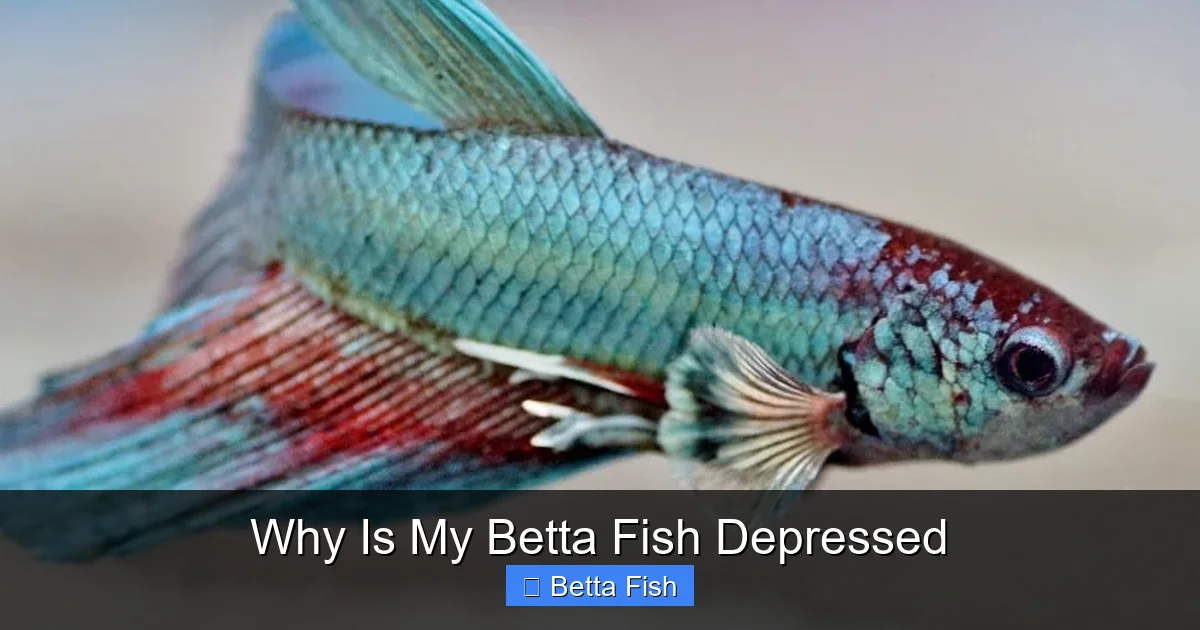
Visual guide about Why Is My Betta Fish Depressed
Image source: dinbendon.net
How to test and adjust
- Test weekly: Check ammonia, nitrite, nitrate, and pH.
- Partial water changes: Replace 25‑30 % of the water every week.
- Conditioner: Use a de‑chlorinator every water change.
For a deeper dive into water problems, see our article on why is my betta fish water cloudy, which explains how cloudy water often hides hidden toxins.
2. Tank Size, Layout, and Enrichment
Too small? It’s a stress trigger.
Many beginners keep bettas in 1‑gallon bowls. While a betta can survive there, the cramped space limits swimming and can cause chronic stress, leading to a “depressed” demeanor.

Visual guide about Why Is My Betta Fish Depressed
Image source: live.staticflickr.com
Ideal setup
- Minimum tank: 5‑gallon tank with a gentle filter.
- Plants and décor: Live or silk plants, caves, and driftwood give hiding spots.
- Lighting: A 10‑hour day/night cycle mimics natural conditions.
Adding enrichment not only reduces boredom but also encourages natural behaviors like bubble‑nest building. If you notice your betta stopped making a bubble nest, read about why did my betta fish stop making a bubble nest for clues.
3. Nutrition – Fuel for a Bright Mood
What a poor diet looks like
Betta pellets that sit too long become stale, losing essential proteins and vitamins. A betta fed only low‑quality food may become lethargic, lose color, and refuse to eat—classic signs of depression.

Visual guide about Why Is My Betta Fish Depressed
Image source: vipc6.com
Feeding best practices
- High‑quality betta pellets: Choose brands with real fish protein.
- Live or frozen treats: Offer bloodworms or daphnia 1‑2 times a week.
- Portion control: 2‑3 pellets once or twice daily; remove leftovers after 5 minutes.
If your fish is spitting out food, check out why is my betta fish spitting out food for troubleshooting tips.
4. Health Issues That Mimic Depression
Common illnesses
Parasites, fungal infections, and bacterial fin rot can all cause a betta to swim slowly, hide, or lose color. These symptoms often get mistaken for “mood” problems.
Spotting the difference
- Fin rot: Frayed, white‑tipped fins.
- Ich: White spots like tiny grains of salt.
- Swim bladder disease: Floating sideways or upside down.
For more on abnormal swimming, see why is my betta fish floating sideways and why is my betta fish swimming sideways.
5. Stress Triggers You Might Overlook
Temperature swings
Betas thrive at 76‑82 °F (24‑28 °C). Sudden drops make them sluggish. Use a reliable heater and a thermometer.
Noise and vibrations
Constant vibrations from nearby appliances can stress a betta. Place the tank on a stable surface away from speakers.
Tank mates
While male bettas are solitary, some owners keep peaceful community fish. Aggressive tank mates can cause chronic stress, leading to a depressed appearance.
6. Re‑energizing Your Betta: Action Plan
Step‑by‑step checklist
- Test water parameters and correct any out‑of‑range values.
- Upgrade to at least a 5‑gallon tank with a gentle filter.
- Add live or silk plants and a few hides.
- Switch to high‑quality pellets and supplement with live foods.
- Perform a 25‑30 % water change weekly.
- Monitor for signs of illness; treat promptly if needed.
- Observe behavior for improvement over 7‑10 days.
When to seek professional help
If after two weeks your betta shows no improvement, or if you notice rapid color loss, frayed fins, or loss of appetite, consult a vet experienced with fish.
Conclusion: A Happy Betta Is Within Reach
Seeing your betta fish appear depressed can be unsettling, but most causes are fixable with a bit of attention to water, diet, and environment. By regularly testing water, providing a spacious and enriched tank, feeding high‑quality food, and watching for illness, you’ll likely see your betta regain its vibrant colors and lively personality in just a few days.
Remember, a betta’s mood is a direct reflection of the care it receives. Treat your fish like a tiny, aquatic companion, and it will reward you with dazzling displays and curious antics for years to come.
Frequently Asked Questions
Why is my betta fish not swimming actively?
Low energy can result from poor water quality, inadequate temperature, or illness. Test the water, ensure proper heating, and look for signs of disease.
Can a betta fish be lonely?
Male bettas are territorial and prefer solitude. However, a barren tank can cause boredom. Adding plants and hiding spots provides mental stimulation.
How often should I change the water to prevent depression?
Change 25‑30 % of the water weekly and perform a full change every 2‑3 weeks if the tank is heavily stocked.
My betta is hiding all day—what does it mean?
Hiding can be a sign of stress, illness, or a need for more cover. Add more plants or caves and check water parameters.
Is it normal for a betta to lose color when stressed?
Yes, stress can cause a betta’s colors to fade. Improving water quality and environment usually restores the bright hues.
When should I consider a vet for my betta?
If your betta shows rapid weight loss, severe fin damage, or stops eating for more than 48 hours, seek professional fish health care.