Can Clo Fish and Betta

Keeping clown fish and betta fish together is not recommended. Clown fish are saltwater species, while bettas are freshwater fish, making them fundamentally incompatible. Their different water parameters, temperaments, and environmental needs mean they cannot thrive in the same tank. This article explores why these two popular fish are a poor match and offers better alternatives for each.
- Different Environments: Clown fish require saltwater, while bettas thrive in freshwater, making cohabitation impossible without compromising one species’ health.
- Temperament Mismatch: Both fish can be territorial and aggressive, leading to stress and potential injury if forced to share a tank.
- Water Parameter Conflicts: Clown fish need alkaline, high-salinity water, whereas bettas prefer soft, acidic freshwater with no salt.
- Health Risks: Mixing environments can lead to osmoregulatory stress, disease, and a weakened immune system for both fish.
- Better Alternatives: Consider freshwater community fish for bettas or other saltwater species for clown fish instead.
- Expert Recommendation: Always research species compatibility before adding fish to your aquarium to ensure a healthy, stress-free environment.
- Focus on Welfare: Prioritize the well-being of your fish by providing species-appropriate care and avoiding risky combinations.
📑 Table of Contents
- Can You Really Keep Clown Fish and Betta Fish Together?
- Understanding the Basics: Clown Fish vs. Betta Fish
- Why Clown Fish and Betta Fish Are Incompatible
- The Risks of Mixing Clown Fish and Betta Fish
- Better Alternatives for Your Aquarium
- How to Set Up the Perfect Tank for Your Betta
- How to Set Up the Perfect Tank for Your Clown Fish
- Frequently Asked Questions
- Conclusion: Can Clown Fish and Betta Fish Live Together?
Can You Really Keep Clown Fish and Betta Fish Together?
So, you’ve got a beautiful betta fish and you’re thinking about adding a clown fish to your aquarium. It’s a common question: can clo fish and betta live together in harmony? The short answer is no. But let’s dive deeper into why this combination doesn’t work and what you should consider instead.
First, it’s important to understand that clown fish and betta fish come from completely different worlds. Clown fish are saltwater fish, often found in coral reefs, while bettas are freshwater fish native to the shallow waters of Southeast Asia. Their natural habitats are worlds apart, and so are their needs. Trying to house them together would be like asking a desert cactus to grow in a rainforest—it just won’t thrive.
In this article, we’ll break down the key reasons why clown fish and bettas are incompatible, explore the risks of mixing them, and suggest some great alternatives for your aquarium. Whether you’re a beginner or a seasoned fish keeper, understanding these basics will help you create a happy, healthy home for your aquatic pets.
Understanding the Basics: Clown Fish vs. Betta Fish
Clown Fish: The Saltwater Stars
Clown fish, made famous by the movie “Finding Nemo,” are vibrant, hardy fish that thrive in saltwater environments. They are known for their symbiotic relationship with sea anemones, which provide them protection from predators. Clown fish are social creatures that do best in pairs or small groups, but they require a stable marine setup with specific water conditions.
These fish are relatively peaceful but can be territorial, especially when it comes to their chosen anemone or hiding spot. They need a tank with plenty of live rock, stable salinity, and a pH between 8.1 and 8.4. Clown fish are also active swimmers, so they appreciate a larger tank—at least 20 gallons for a pair.
Betta Fish: The Freshwater Beauties
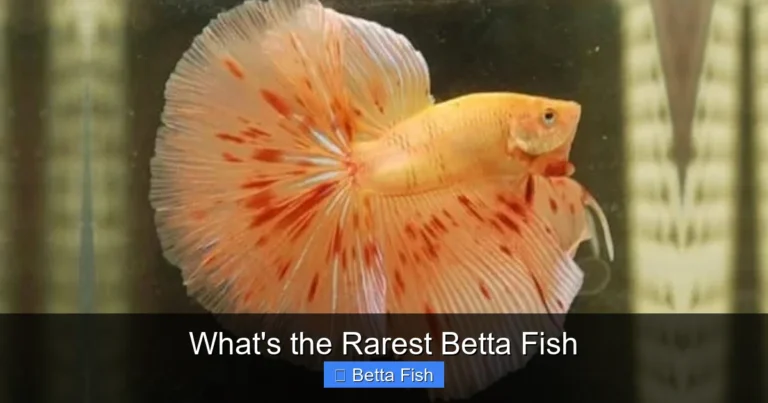
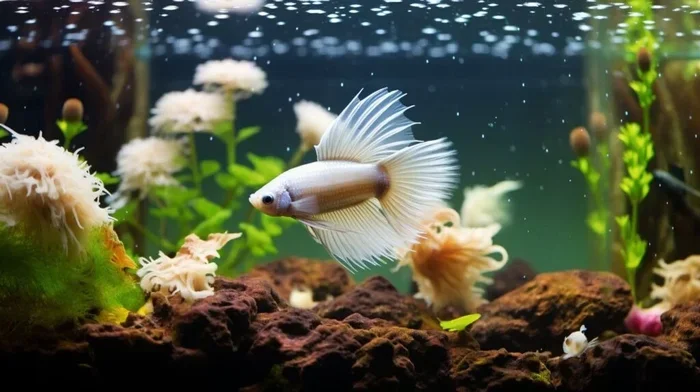
Betta fish, also known as Siamese fighting fish, are one of the most popular freshwater aquarium fish. They are known for their stunning colors and flowing fins. Bettas are labyrinth fish, meaning they can breathe air from the surface, which allows them to survive in low-oxygen environments like rice paddies and shallow ponds.
Male bettas are notoriously aggressive toward other male bettas, which is why they are often kept alone. Females can sometimes coexist in groups called sororities, but even then, careful monitoring is required. Bettas prefer warm, still water with a pH between 6.5 and 7.5. They are not strong swimmers, so a tank with plenty of hiding spots and gentle filtration is ideal.
Why Clown Fish and Betta Fish Are Incompatible
1. Freshwater vs. Saltwater: A Fundamental Divide
The most obvious reason clown fish and bettas can’t live together is their differing water requirements. Clown fish are marine fish that need saltwater to survive, while bettas are strictly freshwater fish. The salinity levels required for clown fish would be lethal to bettas, and vice versa. There’s no middle ground here—trying to compromise on water conditions would stress both fish and lead to serious health issues.
For example, if you were to add salt to a betta’s tank to accommodate a clown fish, the betta’s kidneys and osmoregulatory system would be overwhelmed. Similarly, placing a clown fish in freshwater would disrupt its ability to maintain internal salt balance, leading to organ failure.
2. Aggression and Territorial Behavior
Both clown fish and bettas have territorial tendencies, but they express them differently. Male bettas are known for their aggression toward other fish, especially those with bright colors or long fins. Clown fish, while generally peaceful, can become aggressive when defending their territory, especially if they have claimed an anemone or a particular corner of the tank.
If you were to somehow place them in the same environment (which, again, is not advisable), the betta might see the clown fish as a rival and attack. The clown fish, stressed by the unfamiliar and unsuitable water conditions, would be less able to defend itself, leading to injury or death.
3. Water Parameter Mismatch
Beyond salinity, other water parameters are also incompatible. Clown fish thrive in alkaline water with a pH of 8.1 to 8.4, while bettas prefer slightly acidic to neutral water with a pH of 6.5 to 7.5. Temperature ranges also differ: clown fish do best between 75°F and 82°F, while bettas prefer 76°F to 81°F. While there is some overlap in temperature, the pH and hardness requirements are too far apart to reconcile.
Additionally, clown fish require a well-established marine filtration system with live rock for biological filtration, while bettas need gentle filtration to avoid stressing their delicate fins. The equipment and maintenance routines for these two setups are entirely different.
The Risks of Mixing Clown Fish and Betta Fish
Stress and Disease
Forcing fish to live in unsuitable conditions is a recipe for stress. Stressed fish have weakened immune systems, making them more susceptible to diseases like ich, fin rot, and bacterial infections. A stressed betta may lose its color, become lethargic, or refuse to eat. A stressed clown fish may hide excessively, lose its appetite, or develop skin lesions.
Even if the fish don’t show immediate signs of distress, long-term exposure to incorrect water parameters can lead to chronic health issues and a shortened lifespan. It’s not worth the risk, especially when there are so many better options for tank mates.
Financial and Time Costs
Setting up two separate tanks—one for your betta and one for your clown fish—is more cost-effective and less time-consuming than trying to compromise on a single setup. A basic betta tank can be set up for under $100, while a marine setup for clown fish is more expensive due to the need for salt mix, live rock, and specialized filtration. However, investing in the right setup for each species will save you money in the long run by reducing vet bills and fish replacements.
Better Alternatives for Your Aquarium
Freshwater Tank Mates for Betta Fish
If you’re looking to add some company to your betta’s tank, there are plenty of freshwater options that are compatible. Some popular choices include:
- Snails: Nerite snails and mystery snails are great for cleaning algae and are generally ignored by bettas.
- Shrimp: Cherry shrimp and Amano shrimp can coexist with bettas, though there’s always a risk the betta may see them as snacks.
- Small, Peaceful Fish: Corydoras catfish, ember tetras, and harlequin rasboras are good options, provided the tank is large enough (at least 10 gallons) and has plenty of hiding spots.
Always introduce new fish slowly and monitor your betta’s behavior. If it shows signs of aggression, be prepared to separate them. For more ideas, check out our guide on what other fish can live with betta fish.
Saltwater Tank Mates for Clown Fish
If you’re setting up a marine tank for your clown fish, consider these compatible saltwater species:
- Damselfish: Hardy and colorful, damselfish are a good choice for beginner saltwater tanks.
- Royal Gramma: Peaceful and beautiful, royal grammas add a pop of color without being aggressive.
- Firefish: These slender, colorful fish are peaceful and do well in smaller marine setups.
Remember, saltwater tanks require more research and maintenance than freshwater setups. Make sure you’re prepared for the commitment before diving in.
How to Set Up the Perfect Tank for Your Betta
Tank Size and Setup
Bettas need at least a 5-gallon tank, though 10 gallons is even better. A larger tank provides more stable water parameters and gives your betta room to explore. Use a gentle filter, such as a sponge filter, to avoid creating strong currents that can stress your betta.
Add plenty of plants—live or silk—to provide hiding spots and reduce stress. Avoid plastic plants, as they can tear your betta’s delicate fins. A heater is also essential, as bettas are tropical fish that need water temperatures between 76°F and 81°F.
Water Quality and Maintenance
Regular water changes are crucial for betta health. Aim to change 25-30% of the water weekly, using a gravel vacuum to remove debris from the substrate. Always treat tap water with a conditioner to remove chlorine and chloramines before adding it to the tank.
Test your water parameters regularly using a liquid test kit. Ammonia and nitrite should always be at 0 ppm, and nitrate should be below 20 ppm. Keeping the water clean will help prevent diseases and keep your betta looking its best.
How to Set Up the Perfect Tank for Your Clown Fish
Tank Size and Setup
Clown fish need at least a 20-gallon tank, though bigger is always better. A larger tank provides more stable water parameters and gives your clown fish room to swim and explore. Use a protein skimmer and live rock for biological filtration, as marine tanks require more robust filtration than freshwater setups.
Add live rock and, if you’re feeling adventurous, a sea anemone for your clown fish to host. Keep in mind that anemones are more challenging to care for and require high lighting and pristine water conditions.
Water Quality and Maintenance
Maintaining a saltwater tank is more complex than a freshwater setup. You’ll need to mix synthetic sea salt with reverse osmosis (RO) water to achieve the correct salinity, which should be between 1.020 and 1.025 specific gravity. Use a refractometer or hydrometer to measure salinity accurately.
Regular water changes are also important for marine tanks. Aim to change 10-20% of the water every two weeks, using pre-mixed saltwater. Test your water parameters regularly, paying close attention to pH, alkalinity, calcium, and magnesium levels.
Frequently Asked Questions
Can a betta fish live in saltwater?
No, betta fish are freshwater species and cannot survive in saltwater. Exposure to salt would disrupt their osmoregulatory system and lead to serious health issues.
Can a clown fish live in freshwater?
No, clown fish are marine species and require saltwater to survive. Freshwater would be lethal to them.
What happens if you put a betta and a clown fish together?
Placing a betta and a clown fish in the same tank would be fatal for one or both fish. The water conditions required for each species are incompatible, and the stress would likely lead to disease and death.
Are there any fish that can live with both bettas and clown fish?
No, because bettas and clown fish require entirely different environments. You’ll need to choose tank mates based on whether you’re setting up a freshwater or saltwater tank.
What’s the best tank mate for a betta fish?
Some of the best tank mates for bettas include snails, shrimp, and small, peaceful fish like corydoras catfish and ember tetras. Always monitor interactions and be prepared to separate them if necessary.
What’s the best tank mate for a clown fish?
Clown fish do well with other peaceful marine species like damselfish, royal grammas, and firefish. Avoid aggressive or overly territorial fish.
Conclusion: Can Clown Fish and Betta Fish Live Together?
In summary, the answer to the question can clo fish and betta live together is a definitive no. Their differing water requirements, temperaments, and environmental needs make them fundamentally incompatible. Trying to house them together would result in stress, disease, and likely death for one or both fish.
Instead, focus on providing the best possible care for each species in their own appropriate setup. If you’re a betta lover, explore the many freshwater options for tank mates. If you’re drawn to the vibrant world of saltwater aquariums, consider setting up a marine tank for your clown fish and other compatible species. By prioritizing the health and happiness of your fish, you’ll enjoy a beautiful, thriving aquarium for years to come.
Remember, responsible fishkeeping starts with research and planning. Before adding any new fish to your tank, make sure you understand their needs and how they’ll interact with your current pets. Your fish will thank you for it!
Frequently Asked Questions
Can clown fish and betta fish live together?
No, clown fish and betta fish cannot live together. Clown fish are saltwater species, while bettas are freshwater fish, making them fundamentally incompatible due to their differing water requirements and environmental needs.
What happens if you put a betta fish in saltwater?
Putting a betta fish in saltwater would be fatal. Bettas are freshwater fish and cannot regulate their internal salt balance in a marine environment, leading to organ failure and death.
What happens if you put a clown fish in freshwater?
Placing a clown fish in freshwater would also be fatal. Clown fish are marine species that require saltwater to maintain their osmoregulatory balance, and freshwater would cause severe stress and organ failure.
Why are bettas and clown fish incompatible?
Bettas and clown fish are incompatible because they require different water types (freshwater vs. salinity), have different pH and hardness needs, and both can be territorial, leading to aggression and stress if forced to coexist.
What are good tank mates for betta fish?
Good tank mates for betta fish include snails, shrimp, and small, peaceful fish like corydoras catfish and ember tetras. Always monitor interactions and provide plenty of hiding spots to reduce stress.
What are good tank mates for clown fish?
Clown fish do well with other peaceful marine species such as damselfish, royal grammas, and firefish. Avoid aggressive or overly territorial fish, and ensure your tank is large enough to accommodate all inhabitants.