Wondering why your betta won’t eat? It could be stress, water problems, illness, or simply a picky palate. This guide walks you through the top causes, easy troubleshooting steps, and how to create a happy, healthy environment so your betta starts feeding again.
Key Takeaways
- Water quality matters: Poor parameters are the #1 reason bettas stop eating.
- Stress triggers loss of appetite: Too much light, loud noises, or aggressive tank mates can shut down feeding.
- Illness signs: Look for white spots, faded color, or fin rot—these often accompany a refusal to eat.
- Diet variety helps: Offering live, frozen, and high‑quality pellets keeps a finicky betta interested.
- Proper acclimation: Sudden temperature or pH changes can shock a betta and stop feeding.
- Regular tank maintenance: Weekly water changes and cleaning prevent harmful buildup.
- When to seek help: If your betta refuses food for more than a week, consult a vet.
📑 Table of Contents
- Introduction: When Your Betta Won’t Eat
- 1. Water Quality – The Silent Appetite Killer
- 2. Stress – The Invisible Appetite Suppressant
- 3. Illness – When Health Takes Over Hunger
- 4. Diet Issues – Picky Eaters and Improper Food
- 5. Environmental Changes – The Shock Factor
- 6. When to Seek Professional Help
- Conclusion: Bringing Back the Appetite
Introduction: When Your Betta Won’t Eat
Betta fish are known for their bright colors and dramatic fins, but they can be surprisingly sensitive. One of the most alarming signs for any keeper is a sudden loss of appetite. If you’ve found yourself asking, “why doesn’t my betta fish eat?” you’re not alone. Many hobbyists experience this, and most of the time the problem is fixable.
In this article we’ll explore the most common reasons a betta stops eating, how to diagnose the issue, and practical steps you can take right now. By the end, you’ll have a clear action plan to get your finned friend back to healthy feeding habits.
1. Water Quality – The Silent Appetite Killer
Why water matters
Betta fish are tropical freshwater dwellers that thrive in clean, stable water. Even a slight rise in ammonia or a dip in pH can stress them enough to stop eating.
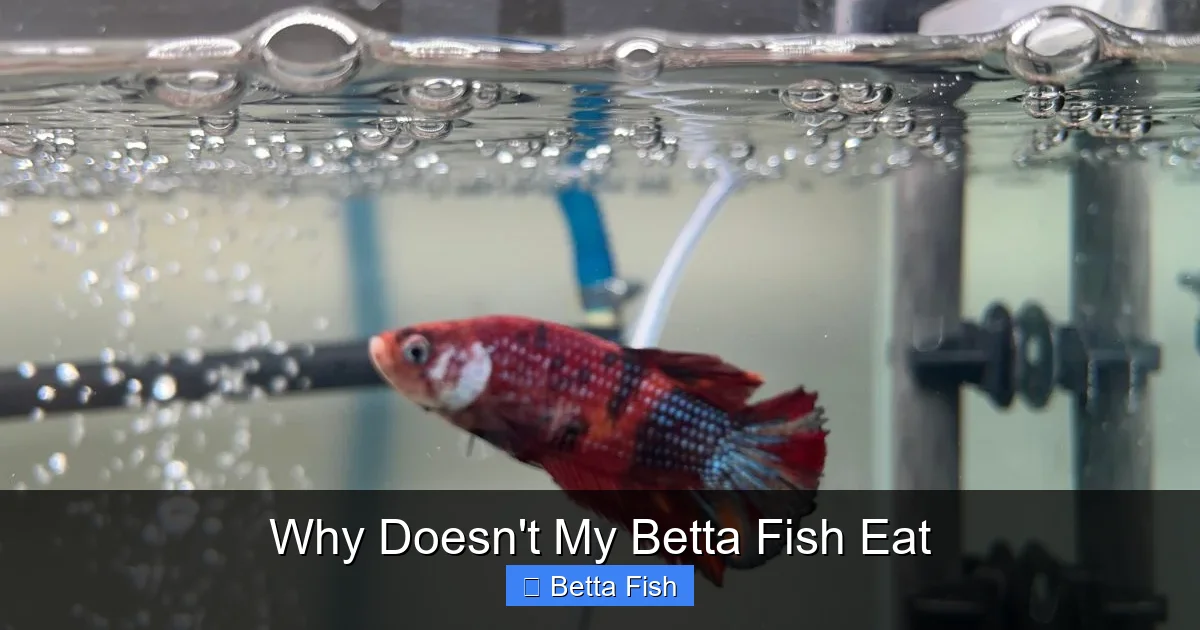
Visual guide about Why Doesn’t My Betta Fish Eat
Image source: housedpet.com
Key parameters to check
- Temperature: Keep it between 76‑82°F (24‑28°C). Sudden drops can suppress appetite.
- pH: Aim for 6.5‑7.5. Acidic swings irritate the gills.
- Ammonia & nitrite: Both should be 0 ppm. Any detectable level is a red flag.
- Nitrate: Below 20 ppm is ideal for bettas.
Quick water‑fix checklist
1. Test the water with a reliable kit.
2. Perform a 25‑30 % water change if any parameter is off.
3. Use a gentle conditioner to remove chlorine and chloramines.
4. Consider a small internal filter or a sponge filter to improve circulation without creating strong currents.
2. Stress – The Invisible Appetite Suppressant
Common stressors
Betta fish are solitary by nature. Crowding, excessive lighting, loud noises, and frequent tapping on the tank can all cause stress.

Visual guide about Why Doesn’t My Betta Fish Eat
Image source: fishkeepingacademy.com
How to create a calm environment
- Tank size: Minimum 5 gallons for a single male, 2.5 gallons for a female.
- Lighting: Provide 8‑10 hours of dim light; use a timer.
- Cover: A lid reduces sudden shadows and vibrations.
- Decor: Add plants or hides so the betta can retreat.
For more on stress‑related feeding issues, see our article Why Did My Betta Fish Stop Making a Bubble Nest which also covers how stress affects other behaviors.
3. Illness – When Health Takes Over Hunger
Spotting disease early
Illness often shows up as loss of appetite first. Look for these warning signs:
- Faded or white‑spotted coloration (Why Is My Betta Fish Not Eating)
- Clamped fins or torn edges
- Rapid breathing or gasping at the surface
- Swim bladder issues – floating sideways or upside down
Common diseases that curb feeding
- Ich (white spot disease): Tiny white dots, scratching against objects.
- Fin rot: Frayed, ragged fins with a yellowish edge.
- Velvet (Oodinium): Gold‑shimmering dust on the body.
- Swim bladder disorder: May be caused by overfeeding or constipation.
What to do
Isolate the betta in a hospital tank, treat with appropriate medication (e.g., copper‑based for ich, antibiotics for bacterial infections), and raise the temperature slightly (to 82°F) to speed recovery. Always follow dosage instructions.
4. Diet Issues – Picky Eaters and Improper Food
Are you feeding the right stuff?
Betta fish are carnivores. A diet too heavy on plant‑based flakes can leave them disinterested.
Best foods for bettas
- High‑quality pellets: Look for protein > 40 % and no fillers.
- Live foods: Daphnia, bloodworms, or brine shrimp stimulate natural hunting instincts.
- Frozen foods: Convenient and nutritionally comparable to live options.
Feeding tips
1. Offer a small pinch 2‑3 times a day.
2. Soak pellets in water for 10 seconds to prevent choking.
3. Rotate foods weekly to keep interest high.
4. Remove uneaten food after 5 minutes to keep water clean.
5. Environmental Changes – The Shock Factor
Acclimation mistakes
Moving a betta from a store bag to a new tank without a gradual temperature and pH adjustment can cause a shock that stops feeding.
Proper acclimation steps
- Float the sealed bag in the tank for 15 minutes to equalize temperature.
- Slowly add 1 cup of tank water to the bag every 5 minutes for 30 minutes.
- Gently release the fish into the tank.
Other sudden changes to avoid
- Replacing all water at once.
- Switching to a new brand of food abruptly.
- Introducing new decorations that release chemicals.
6. When to Seek Professional Help
Red flags that need a vet
If your betta refuses all food for more than 7 days, shows severe discoloration, or has a bloated abdomen, it’s time to consult an aquatic veterinarian.
What to bring
- Water sample in a sealed bag.
- Photos of the fish (showing any spots, fin damage, or color loss).
- Details of recent tank changes or feeding habits.
Conclusion: Bringing Back the Appetite
“Why doesn’t my betta fish eat?” is a question that can have many answers, but most are solvable with a systematic approach. Start by testing water, then check for stressors, health issues, and diet adequacy. Make small, consistent changes and give your betta a week to adjust. In most cases, the appetite returns, and you’ll see those vibrant colors flash once more.
Remember, prevention is easier than cure. Keep water pristine, provide a calm environment, and feed a varied, protein‑rich diet. Your betta will thank you with lively swims and a healthy appetite.
Frequently Asked Questions
Why is my betta fish not eating any food?
Most often it’s due to poor water quality, stress, or an underlying illness. Check parameters first, then look for signs of disease.
Can I feed my betta fish human food?
No. Human foods lack the proper nutrients and can pollute the tank. Stick to betta‑specific pellets, live, or frozen foods.
How long can a betta survive without eating?
Adult bettas can survive about 2‑3 weeks without food, but prolonged fasting weakens their immune system and can be fatal.
My betta spits out food. What should I do?
Spitting can indicate that the food size is too big or that the water is dirty. Offer smaller pieces, soak pellets, and ensure the water is clean.
Is it normal for a betta to stop eating during breeding?
Yes, males may eat less while building a bubble nest, but they should still take some food. If they refuse all food, investigate other stress factors.
What’s the best way to encourage a picky betta to eat?
Offer a variety of foods—live or frozen brine shrimp, daphnia, and high‑quality pellets. Try feeding with a pair of tweezers to simulate hunting.

