Why Doesn’t My Betta Fish Swim Around

Betta fish that stay glued to the bottom or hide may be stressed, sick, or living in unsuitable conditions. This article breaks down the top reasons why your betta isn’t swimming, offers simple troubleshooting steps, and shows how to create a lively, thriving home for your finned friend.
Key Takeaways
- Water quality matters: Poor parameters are the #1 cause of lethargy.
- Tank size & décor: Too small or overly cluttered tanks limit movement.
- Health issues: Swim‑bladder disease, fin rot, and parasites can stop swimming.
- Stress triggers: Wrong temperature, aggressive tank mates, or constant lighting can make bettas hide.
- Nutrition counts: A balanced diet fuels activity and supports digestion.
- Observation is key: Spotting subtle changes helps you act before problems worsen.
- Preventive care: Regular water changes and proper set‑up keep bettas energetic.
📑 Table of Contents
- Introduction: When Your Betta Stops Exploring
- 1. Water Quality – The Silent Saboteur
- 2. Tank Size & Setup – Give Them Space to Move
- 3. Temperature – Keep It Cozy
- 4. Health Issues – When Lethargy Signals Illness
- 5. Stress Factors – Hidden Triggers
- 6. Nutrition – Fuel for Movement
- Putting It All Together – A Quick Action Plan
- Conclusion: Helping Your Betta Find Its Groove
Introduction: When Your Betta Stops Exploring
Imagine you just set up a beautiful 5‑gallon tank, added a vibrant betta, and watched him dart around like a tiny neon superhero. Then, a few days later, he’s glued to the bottom, barely moving, or hiding behind a leaf. It’s unsettling, right? You’re not alone—many betta owners wonder, “Why doesn’t my betta fish swim around?” The answer isn’t always a single thing; it’s often a mix of environment, health, and behavior.
In this friendly guide, we’ll walk through the most common reasons your betta may be sluggish, how to spot early warning signs, and what you can do right now to get him back to his playful self. Think of it as a chat over coffee with a fellow fish‑enthusiast—simple language, practical tips, and plenty of reassurance.
1. Water Quality – The Silent Saboteur
Why clean water equals active fish
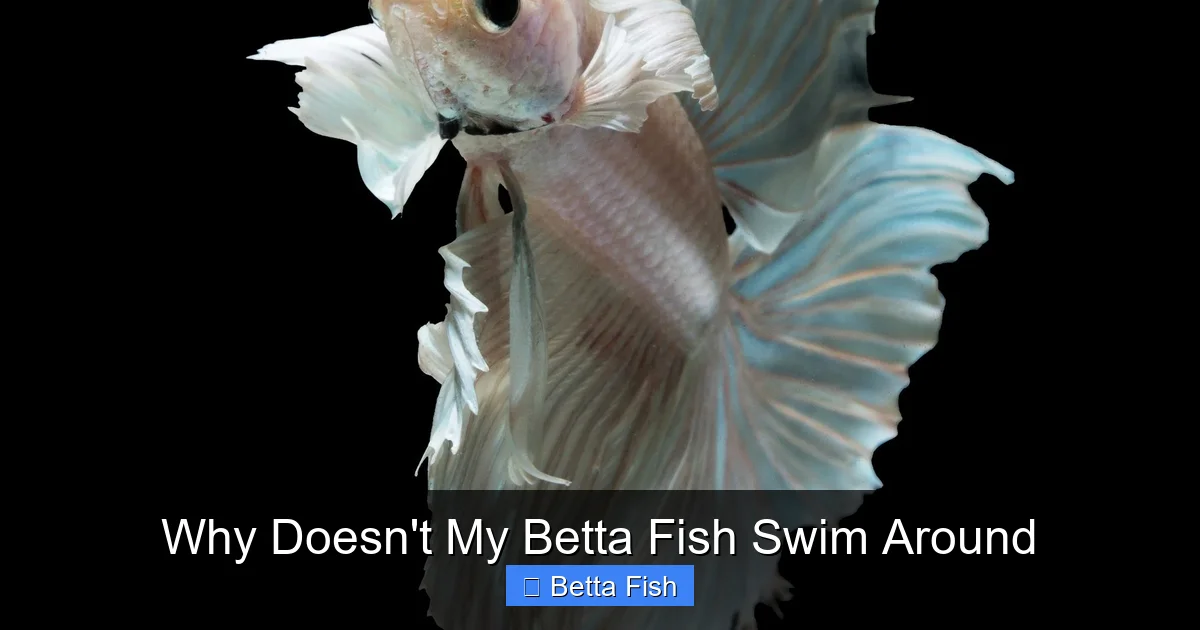
Betta fish are remarkably hardy, but they still need clean, stable water. High ammonia, nitrite, or a pH far from 6.5‑7.5 can make a betta feel ill and hide. Even a slight cloudiness can stress them.
Visual guide about Why Doesn’t My Betta Fish Swim Around
Image source: fishkeepingadvice.com
How to test and fix
- Invest in a reliable test kit (ammonia, nitrite, nitrate, pH).
- Perform a 25‑30% water change every 2‑3 days until parameters are stable.
- Use a gentle conditioner to remove chlorine and chloramines.
Consistent testing and partial water changes are the easiest way to keep your betta swimming.
2. Tank Size & Setup – Give Them Space to Move
Common myth: “Betta bowls are fine”
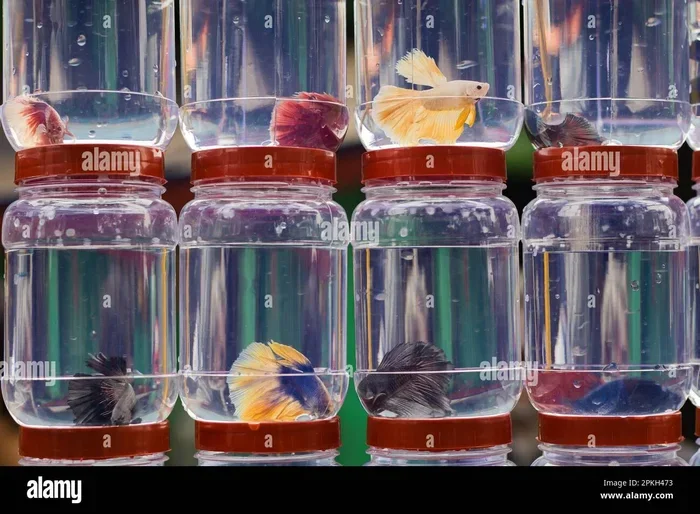
While a small bowl may look cute, it restricts movement and quickly degrades water quality. A minimum of 5 gallons provides enough volume for stable parameters and room to explore.
Visual guide about Why Doesn’t My Betta Fish Swim Around
Image source: diyseattle.com
Decor and flow
Too many decorations or a strong current can trap a betta. Use smooth plants, silk leaves, and a gentle filter (flow rate < 3 gph). Provide a few hiding spots, but keep the central area open for swimming.
3. Temperature – Keep It Cozy
Ideal range
Betta fish thrive at 78‑80°F (25‑27°C). Temperatures below 74°F slow metabolism, making fish lethargic. Temperatures above 84°F increase stress and can cause disease.
Practical tip
Use an aquarium heater with an adjustable thermostat and a reliable thermometer. Check the temperature twice daily for the first week.
4. Health Issues – When Lethargy Signals Illness
Swim‑bladder disease
This is a top reason bettas stop swimming. The swim bladder helps maintain buoyancy; if it’s damaged or infected, the fish may float upside down or stay on the bottom.
Signs include erratic floating, inability to rise, or a “tilted” appearance. How to cure my betta fish swim bladder disease offers step‑by‑step treatment.
Fin rot and parasites
Fins that look frayed, ragged, or are losing color often indicate infection. Parasites can cause weakness and reduced swimming.
Other red flags
- White or black spots on the body (Why did my betta fish turn white).
- Loss of color or faded fins (Why did my betta fish lose its color).
- Frequent hiding or staying at the tank bottom.
5. Stress Factors – Hidden Triggers
Lighting
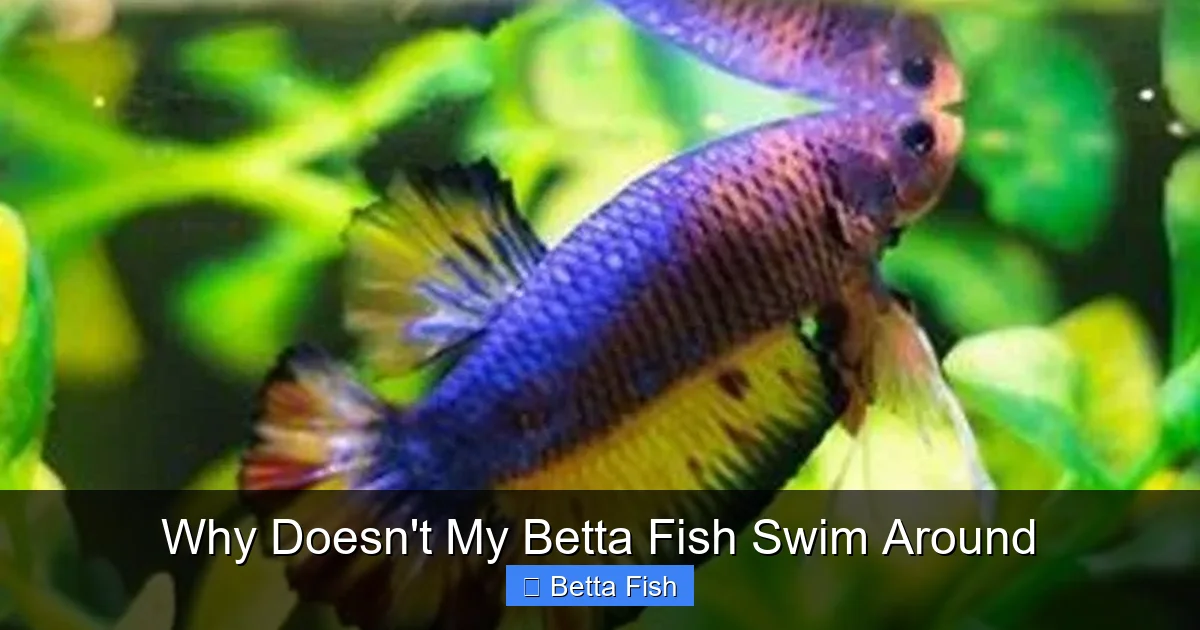
Betta fish need a day/night cycle. 12‑14 hours of light followed by darkness mimics natural conditions. Constant bright light can cause stress and cause the fish to hide.
Tank mates
Betas are territorial. Even peaceful community fish can intimidate a betta, leading to reduced activity. If you must keep others, choose slow‑moving, non‑aggressive species and give the betta plenty of visual barriers.
Noise and vibrations
Sudden sounds, heavy foot traffic, or nearby construction can startle a betta. Keep the tank on a stable surface away from loud appliances.
6. Nutrition – Fuel for Movement
Balanced diet
High‑quality betta pellets or frozen foods (bloodworms, daphnia) supply essential proteins. Over‑feeding leads to constipation, which can affect the swim bladder.
Feeding schedule
- Feed 2‑3 small portions once daily.
- Fast one day per week to clear the digestive tract.
- Consider a pre‑soaked pellet for older fish with reduced appetite.
Proper nutrition keeps energy levels high and supports a healthy digestive system.
Putting It All Together – A Quick Action Plan
- Test water parameters today. If any are out of range, do a 25% water change.
- Check temperature; adjust heater if needed.
- Observe the betta for signs of swim‑bladder disease or fin rot.
- Ensure the tank is at least 5 gallons with gentle flow and a few hiding spots.
- Review feeding routine and reduce portions if stool is visible.
- Give your betta a quiet, dim evening to reduce stress.
Follow these steps for a week and watch for improvement. If your betta still refuses to swim, consider a vet visit or a specialist aquarium store.
Conclusion: Helping Your Betta Find Its Groove
Seeing a betta fish sit still can feel like a red flag, but most of the time the cause is simple and fixable. By maintaining clean water, proper temperature, adequate space, and a balanced diet, you give your betta the best chance to be the active, colorful swimmer you fell in love with.
Remember, early detection is key. Keep a regular log of water tests, feeding, and behavior. With a little attention and care, your betta will soon be back to exploring every corner of his tank, building bubble nests, and flashing his brilliant colors for all to admire.
Frequently Asked Questions
Why is my betta fish staying at the bottom of the tank?
Bottom‑dwelling can be caused by poor water quality, low temperature, or swim‑bladder problems. Test the water and check the heater first.
Can a betta fish be sick even if it looks healthy?
Yes. Early signs like reduced swimming, slight fin fraying, or a loss of appetite can precede visible illness. Regular observation helps catch issues early.
How often should I change the water for a betta?
A 25‑30% water change every 2‑3 days is ideal for a small tank. In larger, well‑filtered setups, weekly changes are sufficient.
Is it normal for a betta to hide sometimes?
Occasional hiding is normal, especially after a new addition or a change in lighting. Persistent hiding, however, signals stress or health problems.
What can I do if my betta has a swim‑bladder issue?
Fast the fish for 24‑48 hours, then feed a boiled pea to aid digestion. If the problem continues, follow a detailed treatment guide like How To Cure My Betta Fish Swim Bladder Disease.
Will adding live plants help my betta swim more?
Live plants improve water quality and provide gentle cover, which can reduce stress and encourage natural swimming behavior.