Betta fish that stop eating can be stressed, sick, or simply picky. This guide explains the most common reasons, how to check water and diet, and easy steps to encourage a healthy appetite again. Follow the tips and watch your betta thrive.
Key Takeaways
- Water quality matters most: Poor parameters are the #1 cause of loss of appetite.
- Temperature is critical: Betta’s ideal range is 76‑82°F; even a few degrees off can shut down feeding.
- Stress triggers refusal: Over‑crowding, bright lights, and aggressive tank mates can make a betta stop eating.
- Health issues mimic picky eating: Parasites, fungal infections, and fin rot often cause a sudden drop in appetite.
- Food type and presentation count: Stale pellets, wrong size, or lack of variety can turn even a healthy betta away.
- Quick interventions work: Short‑term fasting, water changes, and offering live or frozen foods usually restart feeding.
- Monitor and act fast: If your betta refuses food for more than 48‑72 hours, seek veterinary help.
📑 Table of Contents
- Introduction: When Your Betta Turns Its Nose Up
- 1. Water Quality – The Silent Appetite Killer
- 2. Temperature Troubles – Too Hot or Too Cold?
- 3. Stress Factors – The Invisible Appetite Blocker
- 4. Health Issues – When Illness Mimics Picky Eating
- 5. Food Issues – Not All Meals Are Created Equal
- 6. Short‑Term Fasting – A Helpful Reset
- Conclusion: Turning the Tide on a Non‑Eating Betta
Introduction: When Your Betta Turns Its Nose Up
Betta fish are beautiful, feisty, and surprisingly resilient. Yet, many owners panic the moment their prized fighter stops eating. “Why does my betta fish not want to eat?” is a question that pops up in forums, chat groups, and even the comment sections of our own articles. The good news is that most appetite problems have clear, fixable causes.
In this article we’ll walk through the most common reasons a betta may refuse food, how to diagnose the issue, and step‑by‑step solutions you can try at home. Think of it as a friendly chat over a cup of tea, with plenty of practical tips you can start using right away.
1. Water Quality – The Silent Appetite Killer
Why clean water matters
Betta fish are native to slow‑moving, warm waters of Southeast Asia where the water is soft, slightly acidic, and very clean. In a home aquarium, even a small spike in ammonia, nitrite, or nitrate can make a betta feel sick and refuse food.
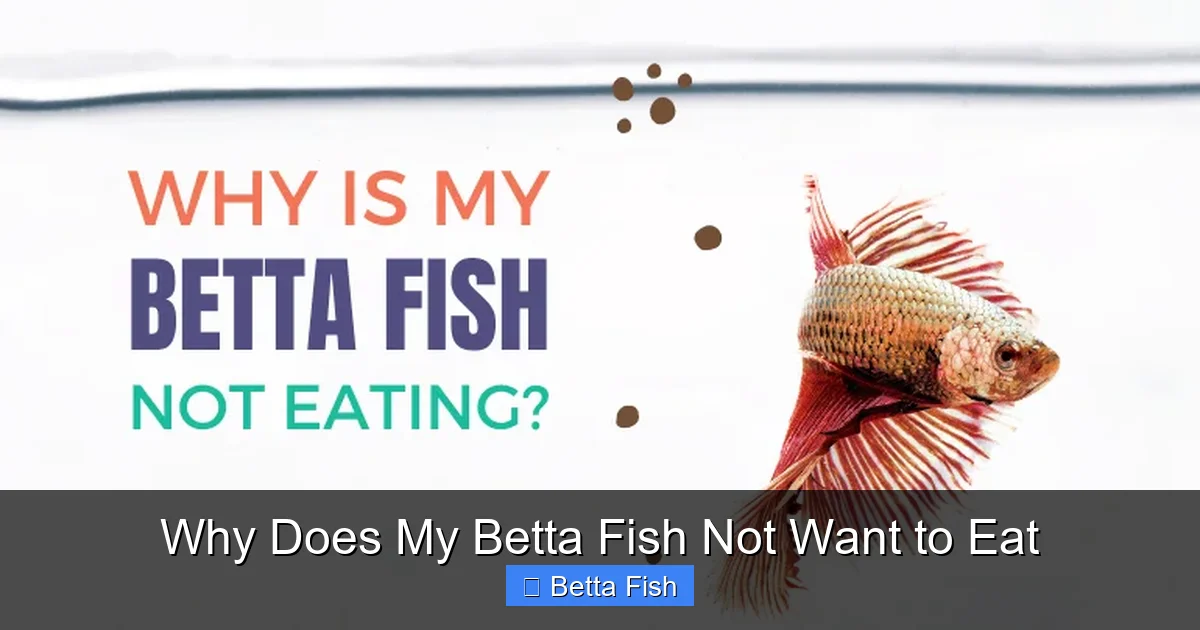
Visual guide about Why Does My Betta Fish Not Want to Eat
Image source: japanesefightingfish.org
Key parameters to check
- Ammonia (NH₃): Should be 0 ppm. Any detectable level stresses the fish.
- Nitrite (NO₂⁻): Also 0 ppm; a sudden rise can cause loss of appetite.
- Nitrate (NO₃⁻): Keep under 20 ppm for bettas.
- pH: Aim for 6.5‑7.5.
- Temperature: 76‑82°F (24‑28°C) is ideal.
How to improve water instantly
Do a 25‑30 % water change with water that matches the tank temperature and pH. Use a water conditioner to remove chlorine and chloramines. If you suspect a cycle problem, add a commercial bacterial supplement.
Internal link example
For more on how water issues affect feeding, see our article on why is my betta fish not eating.
2. Temperature Troubles – Too Hot or Too Cold?
Temperature range for a happy betta
Betta fish are tropical; they thrive at 76‑82°F. Below 74°F they become sluggish, and above 84°F they can become stressed, both leading to a refusal to eat.
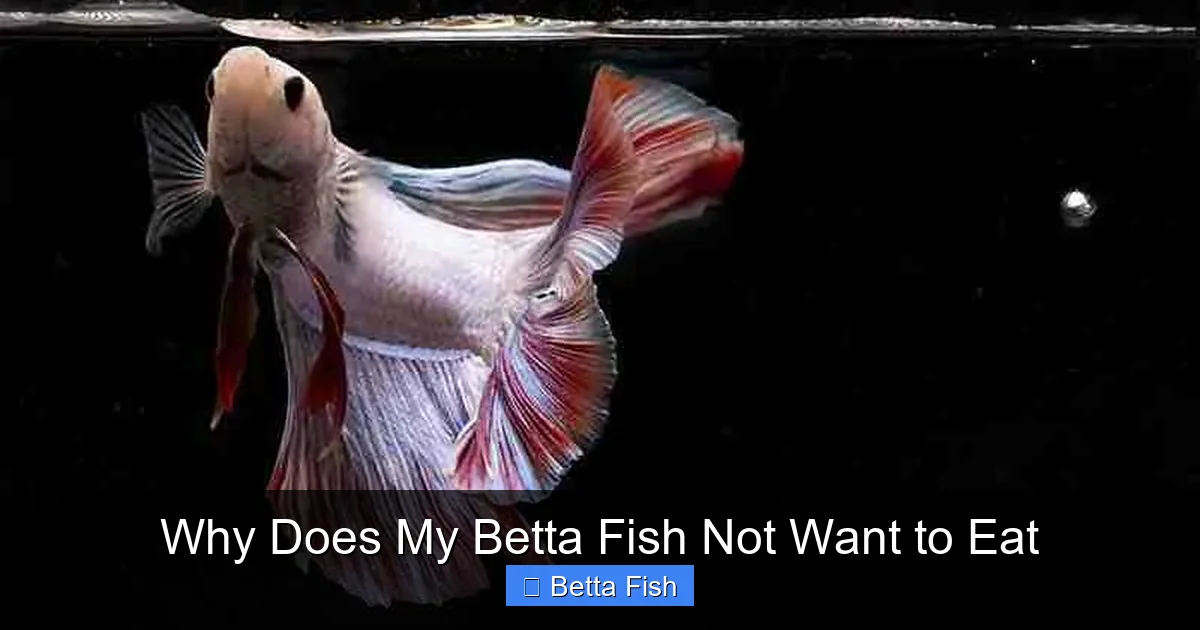
Visual guide about Why Does My Betta Fish Not Want to Eat
Image source: fishkeepingacademy.com
Spotting temperature problems
- Fish hangs low in the water column.
- Gasping at the surface (low oxygen or high temperature).
- Lethargic swimming or reduced flare displays.
Fixes you can try today
Use an adjustable heater with a thermostat. Place a reliable aquarium thermometer near the water line (not at the heater). If the tank is too warm, move it away from direct sunlight or turn off any extra heating devices.
3. Stress Factors – The Invisible Appetite Blocker
Common stressors in a betta’s environment
- Over‑crowding: Even though bettas are solitary, small tankmates (like aggressive snails) can cause stress.
- Bright lighting: 12+ hours of strong light mimics daylight and can be exhausting.
- Reflections and movement: Mirrors, windows, or heavy foot traffic can make a betta think another male is nearby.
- Improper tank size: Less than 2.5 gallons restricts swimming space.
Reducing stress quickly
Cover half the tank with a dark background, dim the lights to 8‑10 hours a day, and provide plenty of hiding spots using live plants or silk decorations. If you keep other fish, ensure they are peaceful and the tank is at least 5 gallons per betta.
4. Health Issues – When Illness Mimics Picky Eating
Signs that a disease is behind the loss of appetite
- White or fuzzy patches on fins – possible fin rot.
- Bloated abdomen or gas bubble – may indicate constipation or internal parasites.
- Spitting out food or gulping air – could be a swim bladder problem.
- Faded colors or torn fins – stress or infection.
Common ailments that stop feeding
Parasites (Ich, velvet), bacterial infections, and fungal growth are frequent culprits. Even a simple constipation can make a betta feel full and refuse more food.
When to treat and when to call a vet
If you notice any of the above signs, start a mild antibacterial soak (e.g., aquarium salt at 1 g/L) for 24 hours. For persistent symptoms, consult a fish‑savvy veterinarian. Our guide on why did my betta fish stop eating offers a deeper dive into treatment options.
5. Food Issues – Not All Meals Are Created Equal
Choosing the right diet
Betta fish are carnivores. High‑protein pellets, frozen or live brine shrimp, daphnia, and bloodworms are ideal. Low‑protein plant‑based foods or stale pellets can be rejected.
How to make food more appealing
- Soak dry pellets in a few drops of water for 5 minutes to soften them.
- Offer a mix of live or frozen foods a few times a week.
- Feed small amounts 2‑3 times daily; over‑feeding can cause waste buildup and stress.
Testing for food aversion
Remove all food for 24 hours, then present a fresh, high‑quality pellet or a tiny piece of boiled shrimp. If the betta snaps at it, the problem is likely environmental or health‑related rather than picky eating.
6. Short‑Term Fasting – A Helpful Reset
Why a brief fast can help
Sometimes a betta’s digestive system needs a break. A 24‑48 hour fast clears the gut, reduces bacterial load, and can reignite hunger.
How to fast safely
- Ensure water parameters are perfect before the fast.
- Monitor the fish closely for signs of distress.
- After the fast, offer a small amount of highly palatable food (e.g., a single frozen brine shrimp).
Conclusion: Turning the Tide on a Non‑Eating Betta
“Why does my betta fish not want to eat?” is rarely a mystery. More often, it’s a combination of water quality, temperature, stress, health, and diet. By systematically checking each factor, you can pinpoint the cause and apply a targeted fix. Remember to keep the water clean, maintain a stable temperature, reduce stressors, provide a balanced diet, and watch for any signs of illness.
With a little patience and the right care, most bettas regain their appetite within a few days. If not, don’t hesitate to reach out to a specialist—early intervention can save a life.
Frequently Asked Questions
Why is my betta not eating any food?
Most often it’s due to poor water quality, incorrect temperature, or stress. Check ammonia, nitrite, nitrate, and temperature first, then look for signs of illness.
Can a betta survive without food for a few days?
Yes. Betta fish can safely fast for 24‑48 hours. Longer periods without food increase the risk of health problems and should be avoided.
What type of food will encourage a picky betta to eat?
High‑protein live or frozen foods like brine shrimp, daphnia, or bloodworms are very tempting. Softening dry pellets with a little water can also help.
How often should I feed my betta?
Feed small portions 2‑3 times a day, offering only as much as the fish can consume in 2‑3 minutes. Overfeeding leads to water quality issues.
My betta is bloated and won’t eat. What should I do?
Bloating often signals constipation or a swim‑bladder issue. Try a fasting period, then offer a peeled, cooked pea (one small piece) to help clear the gut.
When should I seek veterinary help for a non‑eating betta?
If the fish refuses food for more than 72 hours, shows visible signs of disease (white patches, torn fins, loss of color), or appears lethargic, contact a fish‑savvy veterinarian immediately.

