Betta fish build bubble nests as a natural instinct linked to breeding, territory, and stress relief. Understanding why does my betta fish make bubble nests helps you create the right environment and spot potential health issues early.
Key Takeaways
- Natural breeding behavior: Bubble nests are a male betta’s way of preparing a safe place for eggs.
- Territory signaling: Nests mark a betta’s domain and reduce aggression from rivals.
- Health indicator: A strong, well‑structured nest usually means a healthy, unstressed fish.
- Environmental triggers: Water temperature, surface tension, and diet all influence nest building.
- When nests stop: Changes in water quality or stress can cause a betta to abandon nest building.
- Helpful tips: Provide a calm surface, proper temperature, and occasional live foods to encourage nesting.
- Common misconceptions: Not every bubble is a nest; some are just play or oxygen‑related.
📑 Table of Contents
- Introduction: The Mystery of the Floating Bubbles
- 1. The Evolutionary Reason Behind the Bubbles
- 2. What Triggers a Betta to Start Building?
- 3. Recognizing a Healthy Bubble Nest
- 4. When the Nest Stops: Signs of Stress or Illness
- 5. How to Encourage Nest Building (and When Not to)
- 6. Common Misconceptions About Bubble Nests
- Conclusion: Embrace the Bubbles
Introduction: The Mystery of the Floating Bubbles
If you’ve ever watched a male betta float to the surface and start blowing bubbles, you’ve probably asked yourself, why does my betta fish make bubble nests? The sight can be both fascinating and a little confusing, especially for new owners. In this article we’ll break down the science, the instinct, and the practical steps you can take to keep your betta happy and healthy.
Think of a bubble nest as a tiny, foamy raft. It’s not just a random habit; it’s a carefully evolved behavior that serves several purposes. By the end of this guide, you’ll know exactly what your betta is trying to tell you and how to respond.
1. The Evolutionary Reason Behind the Bubbles
1.1 Breeding Made Simple
In the wild, male bettas are solitary hunters that defend a small patch of water. When it’s time to mate, the male builds a nest of bubbles on the water’s surface. The purpose? To keep the fertilized eggs safe from predators, currents, and low‑oxygen water. The male guards the nest until the fry hatch and become free‑swimming.
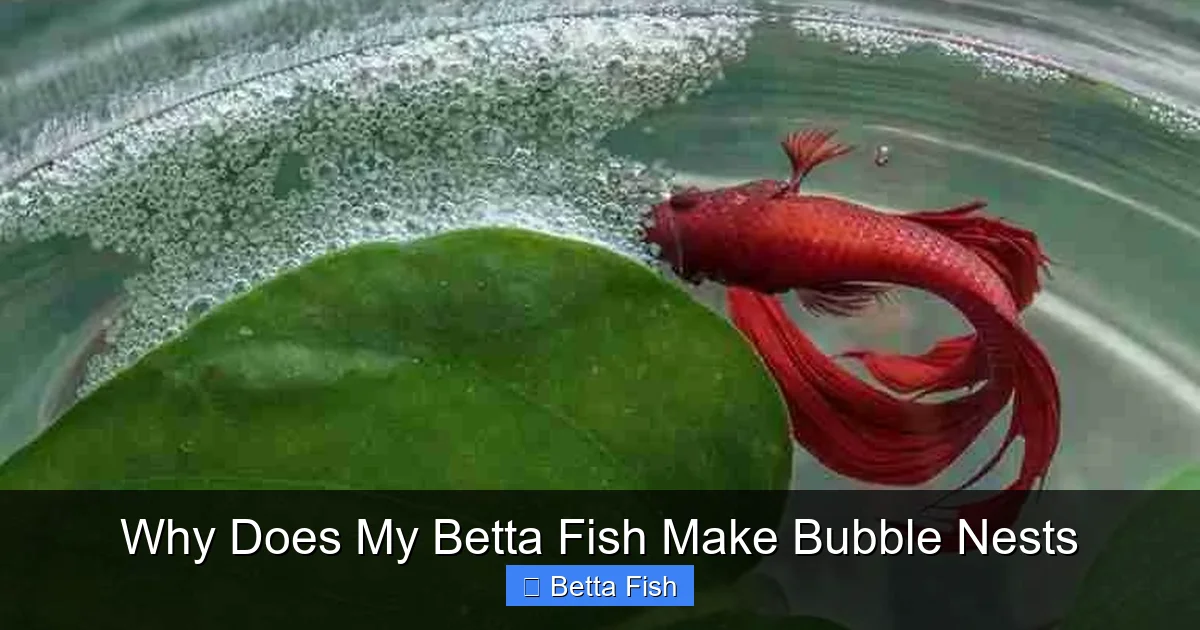
Visual guide about Why Does My Betta Fish Make Bubble Nests
Image source: fishkeepingacademy.com
1.2 Territory and Dominance
Even when there’s no female around, a male may still construct a nest to claim his space. The bubble raft sends a clear signal to other males: “This is my turf.” This reduces the chance of aggressive encounters, especially in community tanks where multiple bettas share a space.
2. What Triggers a Betta to Start Building?
2.1 Water Temperature
Betta fish are tropical; they thrive at 76‑82°F (24‑28°C). Warmer water speeds up metabolism, encouraging more active behavior, including nest building. If the temperature drops below 75°F, you might notice the bubbles disappearing.

Visual guide about Why Does My Betta Fish Make Bubble Nests
Image source: fishkeepingacademy.com
2.2 Surface Tension and Water Flow
Betas need a calm surface to create stable bubbles. Strong currents or a rough substrate can break the nest apart, discouraging construction. A gentle filter flow and a smooth glass or acrylic top work best.
2.3 Diet and Nutrition
Protein‑rich foods stimulate the production of the mucus that lines each bubble. Live or frozen foods like brine shrimp and daphnia are excellent for encouraging nest building. A well‑balanced betta pellet diet alone may not be enough for a prolific nest.
3. Recognizing a Healthy Bubble Nest
3.1 Shape and Structure
A healthy nest looks like a fluffy, dome‑shaped cluster of bubbles, usually 2‑4 inches across. The bubbles are tightly packed, creating a firm platform.
3.2 Color and Consistency
Fresh bubbles are clear or slightly milky. If you see brown or slimy bubbles, it could indicate poor water quality or a bacterial bloom.
3.3 Placement
Most nests form near a tank wall or a plant leaf, giving the male a place to anchor his fins while guarding. If the nest is floating in the middle of the tank, it may be a sign of excessive surface agitation.
4. When the Nest Stops: Signs of Stress or Illness
4.1 Water Quality Issues
High ammonia, nitrite, or nitrate levels can stress a betta, causing him to abandon nest building. Test your water weekly and perform partial water changes to keep parameters stable.
4.2 Temperature Fluctuations
Sudden drops in temperature can halt nest production. Use a reliable heater and a thermometer to maintain a steady range.
4.3 Health Concerns
If your betta looks bloated, has shredded fins, or is turning white, these could be warning signs. For more details on health symptoms, see our article on why does my betta fish look bloated and why does my betta fish fins look shredded.
5. How to Encourage Nest Building (and When Not to)
5.1 Create a Calm Surface
Use a gentle sponge filter or adjust the flow direction so the water moves across the surface, not directly into it. Adding a floating leaf or a piece of smooth slate gives the male a place to start his nest.
5.2 Optimize Temperature and Lighting
Maintain 78°F (25.5°C) and provide a 12‑hour light cycle. Too much light can stress the fish, while too little may reduce activity.
5.3 Offer Protein‑Rich Treats
Feed your betta a few live or frozen brine shrimp a few times a week. The extra protein boosts mucus production, resulting in stronger bubbles.
5.4 Know When to Step Back
If you’re not planning to breed, you can still let your betta build a nest. It’s a natural behavior that keeps him mentally stimulated. However, avoid crowding the tank with too many decorations that could break the nest.
6. Common Misconceptions About Bubble Nests
6.1 “All Bubbles Are Nests”
Betta fish also blow bubbles for oxygenation or simply out of curiosity. Only a cohesive, dome‑shaped cluster qualifies as a nest.
6.2 “Only Males Build Nests”
While males are the primary nest builders, some females may create small bubble clusters when stressed or excited. These are usually less organized.
6.3 “A Nest Means the Betta Will Breed Soon”
Building a nest does not guarantee an imminent breeding event. It’s a preparatory step, and the male will wait for a compatible female to appear.
Conclusion: Embrace the Bubbles
Understanding why does my betta fish make bubble nests unlocks a deeper connection with your pet. The behavior is rooted in breeding instincts, territorial claims, and overall health. By providing the right temperature, a calm surface, and nutritious food, you’ll see your betta confidently build and maintain beautiful nests. Keep an eye on the nest’s condition—any sudden changes could be a sign to check water quality or health.
Enjoy watching your betta’s natural artistry, and remember that a happy, nesting betta is a healthy betta.
Frequently Asked Questions
Why does my betta fish make bubble nests even when there’s no female?
Male bettas build nests to establish territory and display fitness. Even without a mate, the nest signals dominance and reduces the chance of aggression from other males.
What temperature is best for bubble nest building?
Keeping the water between 76‑82°F (24‑28°C) encourages active behavior and strong mucus production, both essential for a good nest.
Can a female betta make a bubble nest?
Females may create small, irregular bubble clusters when stressed, but they do not build the structured nests that males do for breeding.
My betta stopped making a nest. What should I check first?
Start with water parameters—high ammonia or a sudden temperature drop are common culprits. Test the water and perform a partial change if needed.
Do I need to remove the nest after breeding?
After the fry hatch, the male will usually tend the nest until the fry become free‑swimming. You can gently remove the empty nest to keep the tank tidy, but it’s not required.
Is it normal for my betta to blow bubbles without forming a nest?
Yes. Betta fish often blow bubbles for oxygen, play, or to explore the surface. Only a cohesive, dome‑shaped cluster counts as a nest.

