Why Does My Betta Fish Make a Lot of Bubbles
Betta fish create bubbles for many reasons—oxygen, territory, courtship, or stress. Understanding the cause helps you adjust water conditions, tank setup, and care routine to keep your betta thriving.
Key Takeaways
- Bubble blowing is natural: Betta fish often blow bubbles to get oxygen and build bubble nests.
- Water quality matters: Poor oxygen levels or high temperature can increase bubble production.
- Behavior clues: Excessive bubbles may signal stress, illness, or a breeding instinct.
- Tank setup helps: Proper surface area, live plants, and gentle flow reduce unnecessary bubbling.
- Watch for signs of disease: If bubbles are accompanied by lethargy, bloating, or faded colors, investigate health issues.
- Regular maintenance: Weekly water changes and proper filtration keep the environment stable.
- Enjoy the show: A well‑balanced betta’s bubbles are a beautiful sign of a happy fish.
📑 Table of Contents
- Introduction: The Curious Case of the Bubble‑Blowing Betta
- 1. The Biology Behind Bubble Production
- 2. Common Reasons for a Bubble‑Heavy Betta
- 3. How to Tell If Your Betta’s Bubbles Are Healthy
- 4. Practical Steps to Reduce Unwanted Bubbles
- 5. When Bubbles Signal a Bigger Problem
- 6. Embracing the Bubble Show: Turning a Quirk into a Feature
- Conclusion
Introduction: The Curious Case of the Bubble‑Blowing Betta
If you’ve ever watched your betta fish puff out a stream of tiny bubbles, you might have wondered, “why does my betta fish make a lot of bubbles?” The answer isn’t one‑size‑fits‑all. Betta fish are naturally expressive, and bubbles are one of the ways they communicate with their surroundings.
In this article we’ll break down the science behind bubble production, explore the most common reasons your betta might be a bubble factory, and give you practical tips to keep the bubbles a sign of health—not a warning alarm. By the end, you’ll be able to look at those shimmering spheres and know exactly what your fish is trying to tell you.
1. The Biology Behind Bubble Production
How Betta Fish Breathe
Betta fish are labyrinth fish, meaning they have a specialized organ called the labyrinth organ that allows them to gulp air from the surface. This adaptation lets them survive in low‑oxygen waters where other fish would struggle.
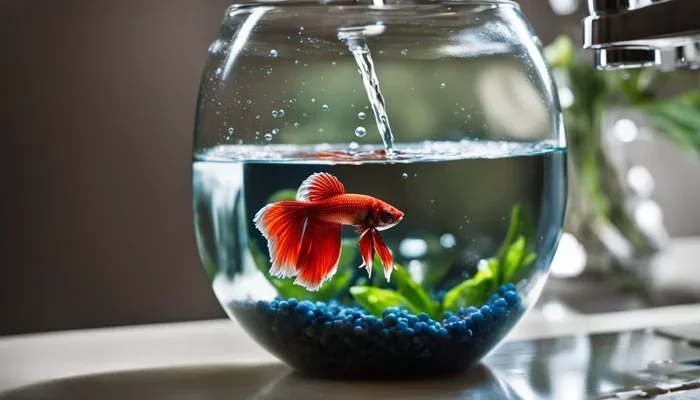
Visual guide about Why Does My Betta Fish Make a Lot of Bubbles
Image source: expertaquarist.com
Why They Blow Bubbles
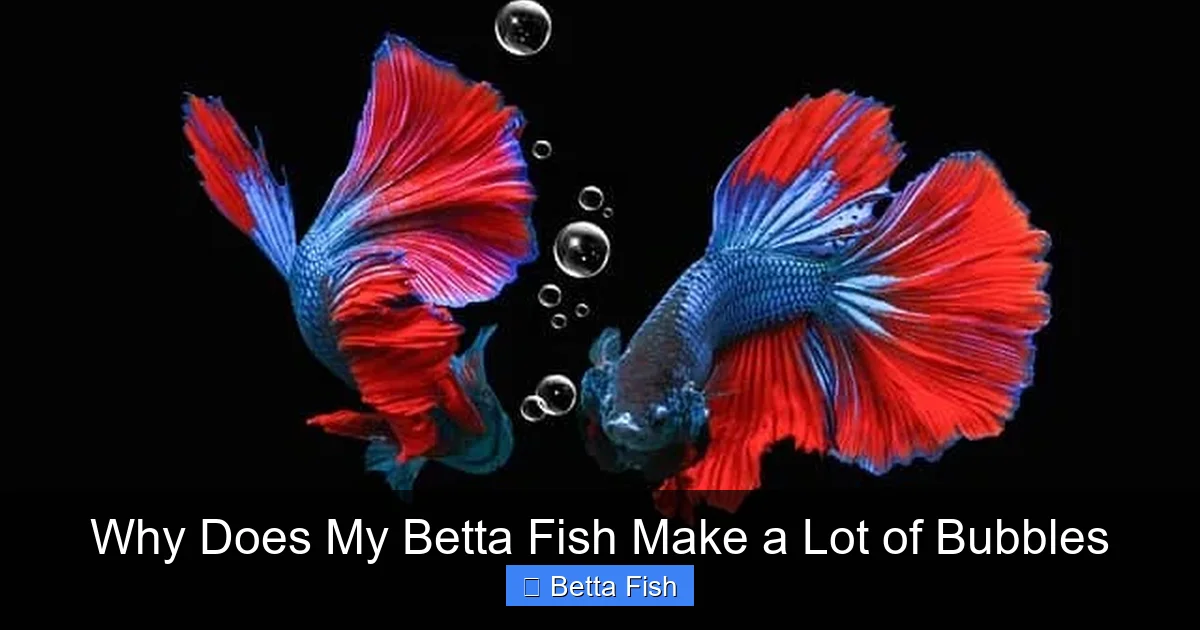
When a betta takes a gulp of air, it can either use the oxygen directly or release the excess as bubbles. The act of blowing bubbles serves three main purposes:
- Oxygen regulation: Releasing surplus air helps maintain internal gas balance.
- Territory marking: Bubbles can outline a personal space, especially in a community tank.
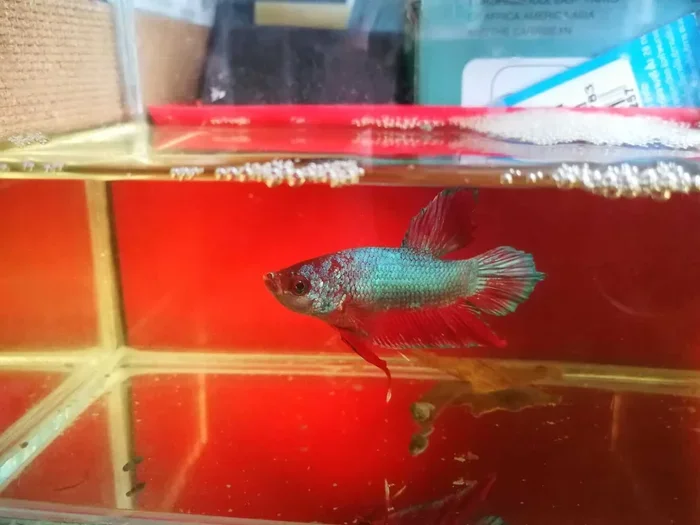
- Bubble‑nest building: Males create nests of bubbles to attract a female and protect eggs.
2. Common Reasons for a Bubble‑Heavy Betta
2.1 Low Dissolved Oxygen
If the water doesn’t hold enough dissolved oxygen, your betta will compensate by gulping more air and blowing more bubbles. Warm water holds less oxygen, so tanks kept at 78‑82°F (25‑28°C) often need extra aeration.

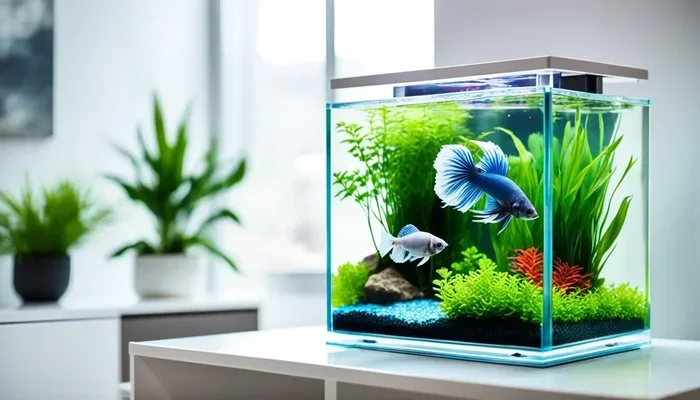
Visual guide about Why Does My Betta Fish Make a Lot of Bubbles
Image source: expertaquarist.com
2.2 High Water Temperature
Temperature spikes can increase a betta’s metabolism, prompting more surface breathing. Use a reliable heater and a thermometer to keep the water steady.
2.3 Breeding Instincts
Male bettas instinctively build bubble nests when they sense a female nearby or when water conditions are optimal for spawning. Even without a mate, a male may start a nest if the tank mimics breeding season (longer light periods, slightly warmer water).
2.4 Stress or Poor Water Quality
Stressors such as aggressive tank mates, sudden changes in pH, or a dirty substrate can trigger excessive bubble blowing. The behavior is a coping mechanism, not a disease.
2.5 Health Issues
While most bubbling is harmless, certain health problems—like a swollen abdomen from constipation or a bacterial infection—can cause a fish to gulp more air. Look for other signs: bloating, faded colors, or abnormal swimming.
3. How to Tell If Your Betta’s Bubbles Are Healthy
3.1 Observe the Bubble Pattern
Healthy bubbling is usually steady, with bubbles forming near the surface or in a neat nest. Random, frantic bursts may indicate stress.
3.2 Check for Additional Symptoms
- Loss of appetite
- Lethargy or hiding
- Red or inflamed fins
- Bloated abdomen (see Why Does My Betta Fish Look Bloated)
If any of these appear, run a water test and consider a health check.
3.3 Evaluate Tank Conditions
Use a test kit to measure ammonia, nitrite, nitrate, and pH. Ideal parameters for bettas are:
- Ammonia: 0 ppm
- Nitrite: 0 ppm
- Nitrate: <10 ppm
- pH: 6.5‑7.5
- Temperature: 78‑82°F (25‑28°C)
4. Practical Steps to Reduce Unwanted Bubbles
4.1 Improve Aeration Without Over‑Stressing
Adding a gentle air stone or a small sponge filter increases surface agitation, raising dissolved oxygen. Keep the flow mild; bettas dislike strong currents.
4.2 Adjust Temperature
Lower the heater by 1‑2°F if you notice constant surface breathing. A stable temperature reduces metabolic stress.
4.3 Provide Adequate Surface Area
Wider tanks give more water‑air interface, allowing more oxygen to dissolve naturally. A 5‑gallon tank is a sweet spot for a single betta.
4.4 Add Live Plants
Plants like Anubias, Java fern, or hornwort release oxygen during photosynthesis, helping the water stay oxygen‑rich.
4.5 Manage Light Cycle
Simulate a natural day/night rhythm: 10‑12 hours of light, 12‑14 hours of darkness. Too much light can raise temperature and stress levels.
5. When Bubbles Signal a Bigger Problem
5.1 Bloated or Constipated Betta
A swollen belly can force the fish to gulp more air, creating a “bubble‑blowing” appearance. Try fasting for 24‑48 hours, then offer a peeled pea to aid digestion.
5.2 Respiratory Infections
Fin rot or bacterial infections may impair gill function, making the fish rely more on surface breathing. Look for white or ragged edges on fins and treat with appropriate medication.
5.3 Water Contamination
High nitrate or chlorine residues can irritate gills. Perform a thorough water change (25‑30%) and use a water conditioner that removes chloramine.
6. Embracing the Bubble Show: Turning a Quirk into a Feature
6.1 Create a Bubble‑Nest Display
If your male is actively building a nest, you can enhance the display with a small piece of slate or a smooth rock for the bubbles to cling to. This not only looks beautiful but also encourages natural behavior.
6.2 Use Bubbles for Health Monitoring
Because bubble activity changes with water quality, you can use it as a quick visual cue. A sudden drop in bubbling often means the water has improved, while a surge may prompt a water test.
6.3 Share the Joy
Many betta owners enjoy filming the bubble‑nest process. It’s a great way to connect with the hobby community and even help others diagnose issues by sharing videos.
Conclusion
Understanding why does my betta fish make a lot of bubbles helps you become a better caretaker. Most of the time, bubbling is a normal, even charming, behavior linked to breathing, territory, or breeding. However, excessive bubbles can also be a red flag for stress, poor water conditions, or health problems. By monitoring tank parameters, providing a stable environment, and watching for accompanying symptoms, you can ensure those bubbles remain a sign of a happy, thriving betta.
Remember, a healthy betta will blow bubbles, build nests, and explore its world with confidence. When you see those tiny spheres rising to the surface, know that you’re witnessing a natural and beautiful part of betta life.
Frequently Asked Questions
Why does my betta fish make bubbles when the water looks clear?
Clear water can still have low dissolved oxygen, especially if the temperature is high. Your betta may be gulping air to supplement its oxygen needs.
Is it normal for a male betta to build a bubble nest even without a female?
Yes. Males often start nests when conditions are right—warm water, stable temperature, and a calm surface. It’s a natural instinct.
Can too many bubbles indicate a disease?
Excessive, frantic bubbling accompanied by lethargy, loss of appetite, or fin damage can signal respiratory infection or internal issues.
How often should I change the water to reduce unwanted bubbles?
Changing 25‑30% of the water weekly helps keep nitrate levels low and maintains good oxygen levels, reducing stress‑related bubbling.
Do live plants help reduce bubble blowing?
Live plants produce oxygen during photosynthesis, which can lower the need for your betta to surface‑breath and blow bubbles.
What should I do if my betta stops making bubbles after building a nest?
If the nest is complete and the fish seems healthy, the behavior will pause until conditions change. Monitor water quality and keep an eye on his overall health.