Why Does My Betta Fish Look Dull
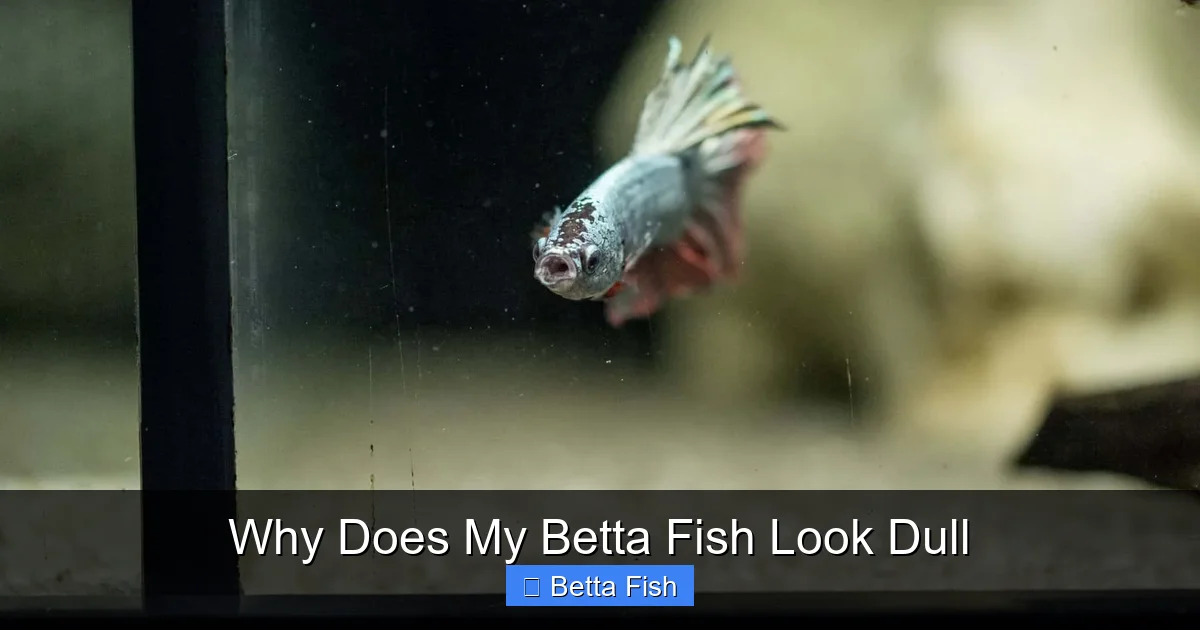
Seeing a once‑bright betta turn matte can be alarming. This guide explains the common reasons behind a dull appearance and offers easy, actionable steps to bring back that sparkle. From water quality to diet, we cover everything you need to know.
Key Takeaways
- Understanding why does my betta fish look dull: Provides essential knowledge
📑 Table of Contents
- Introduction
- 1. Water Quality: The Silent Color Killer
- 2. Nutrition: Feeding the Palette
- 3. Stress Factors: When the Environment Gets Rough
- 4. Health Issues That Appear as Dullness
- 5. Lighting and Photoperiod: The Color Amplifier
- 6. Seasonal and Natural Color Changes
- Practical Checklist to Revive a Dull Betta
- Conclusion
Introduction
Betta fish are famous for their dazzling fins and vivid hues. When you first bring a new betta home, you expect a living jewel that flares with reds, blues, and greens. But what happens when that sparkle fades and you start to wonder, why does my betta fish look dull?
Don’t panic. A dull appearance is often a symptom, not a disease. By checking a few key areas—water, food, stressors, and health—you can quickly pinpoint the cause and get your finned friend glowing again. In this article we’ll walk through each factor in plain language, share practical tips, and answer the most common questions.
1. Water Quality: The Silent Color Killer
Why clean water matters
Betta fish are highly sensitive to ammonia, nitrite, and nitrate spikes. Even a slight rise in these toxins can cause the fish’s chromatophores (the cells that produce color) to shrink, making the fish look pale or matte.
Testing and fixing parameters
- Ammonia & Nitrite: Both should read 0 ppm. Use a liquid test kit weekly.
- Nitrate: Keep below 20 ppm. Perform 25‑30% water changes every 5‑7 days.
- pH: Aim for 6.5‑7.5. Sudden shifts can stress the fish and dull its color.
- Temperature: Betta thrive at 78‑80°F (25‑27°C). Low temps slow metabolism and fade pigments.
Regular maintenance—gravel vacuuming, filter cleaning, and partial water changes—keeps the environment stable and your betta bright.
2. Nutrition: Feeding the Palette
What a betta needs
A balanced diet supplies the carotenoids and pigments that make a betta’s colors pop. Low‑quality flakes or stale food lack these nutrients, leading to a washed‑out look.
Best foods for color
- High‑quality betta pellets: Look for brands with real fish protein and added color enhancers.
- Live or frozen foods: Daphnia, bloodworms, and brine shrimp are rich in natural pigments.
- Vegetable treats: Small amounts of blanched peas or spinach add vitamins that support skin health.
Feed 2‑3 times daily, offering only what the fish can consume in 2‑3 minutes. Overfeeding clouds the water and can cause dullness.
3. Stress Factors: When the Environment Gets Rough
Common stressors
Betta fish are territorial and solitary. Crowded tanks, aggressive tank mates, or constant tapping on the glass can cause chronic stress, which often manifests as faded colors.
Creating a stress‑free home
- Tank size: Minimum 5 gallons for a single male betta.
- Hiding spots: Add live plants, silk roots, or caves for security.
- Gentle lighting: 8‑10 hours of moderate LED light; avoid direct sunlight.
- Quiet location: Place the tank away from loud appliances and heavy foot traffic.
4. Health Issues That Appear as Dullness
Parasites, fungi, and bacterial infections
Early stages of many diseases start with a loss of vibrancy. Look for additional signs such as frayed fins, white spots, or abnormal swimming.
Spotting the problem
If your betta’s color suddenly fades and you notice any of the following, it’s time to act:
- White or black patches on the body (why are my betta fish eyes white or scales turning black)
- Fins looking shredded (why does my betta fish fins look shredded)
- Loss of appetite or spitting out food (why did my betta fish spit out his food)
In these cases, isolate the fish, treat with appropriate medication, and improve water conditions immediately.
5. Lighting and Photoperiod: The Color Amplifier
How light affects pigments
Betta chromatophores respond to light. Too dim a tank can cause colors to appear muted, while harsh, flickering lights can stress the fish.
Choosing the right lighting
- LED fixtures: Provide a steady, full‑spectrum light that mimics natural daylight.
- Timer: Keep a consistent 10‑hour light/14‑hour dark cycle.
- Avoid direct sunlight: It can cause temperature spikes and algae growth.
6. Seasonal and Natural Color Changes
When dullness is normal
Betta fish may naturally become less vibrant during breeding cycles or as they age. However, a sudden shift is rarely benign.
Monitoring long‑term trends
Keep a simple log of water parameters, feeding, and any visual changes. If the dullness persists beyond two weeks despite optimal care, consider a health check.
Practical Checklist to Revive a Dull Betta
Use this quick list whenever you ask, “why does my betta fish look dull?”
- Test water for ammonia, nitrite, nitrate, pH, and temperature.
- Perform a 25‑30% water change if any values are out of range.
- Upgrade to high‑quality pellets and add a few live/frozen treats.
- Ensure the tank is at least 5 gallons with gentle LED lighting.
- Provide plants or decorations for hiding spots.
- Observe for additional symptoms: fin damage, white spots, abnormal swimming.
- Treat any disease promptly and isolate the fish if needed.
Conclusion
Seeing a betta lose its sparkle is unsettling, but most cases of dullness have simple, fixable causes. By maintaining pristine water, feeding a nutritious diet, reducing stress, and watching for health warnings, you’ll answer the question, “why does my betta fish look dull,” with confidence and restore that brilliant display. Remember, consistency is key—regular water changes and attentive observation keep your betta thriving and colorful for years to come.
Frequently Asked Questions
Why does my betta fish look dull after a water change?
Stress from sudden temperature or pH shifts can cause temporary dullness. Make sure new water matches the tank’s parameters and change only 25‑30% at a time.
Can diet really affect a betta’s color?
Yes. Betta pigments come from carotenoids in their food. Feeding high‑quality pellets plus occasional live or frozen foods restores vivid hues.
Is it normal for a betta to lose color as it ages?
Older bettas may show slightly muted colors, but a sudden, dramatic fade usually signals a problem like poor water or illness.
My betta looks dull and also has white spots. What should I do?
White spots may indicate a fungal or bacterial infection. Quarantine the fish, treat with a suitable medication, and improve water quality immediately.
How often should I change the water to keep my betta’s colors bright?
Change 25‑30% of the water every 5‑7 days, testing parameters each time to keep ammonia and nitrate low.
Can lighting cause my betta to look dull?
Yes. Insufficient or overly harsh lighting can mute colors. Use a moderate, full‑spectrum LED on a 10‑hour cycle for best results.