What’s the Rarest Betta Fish
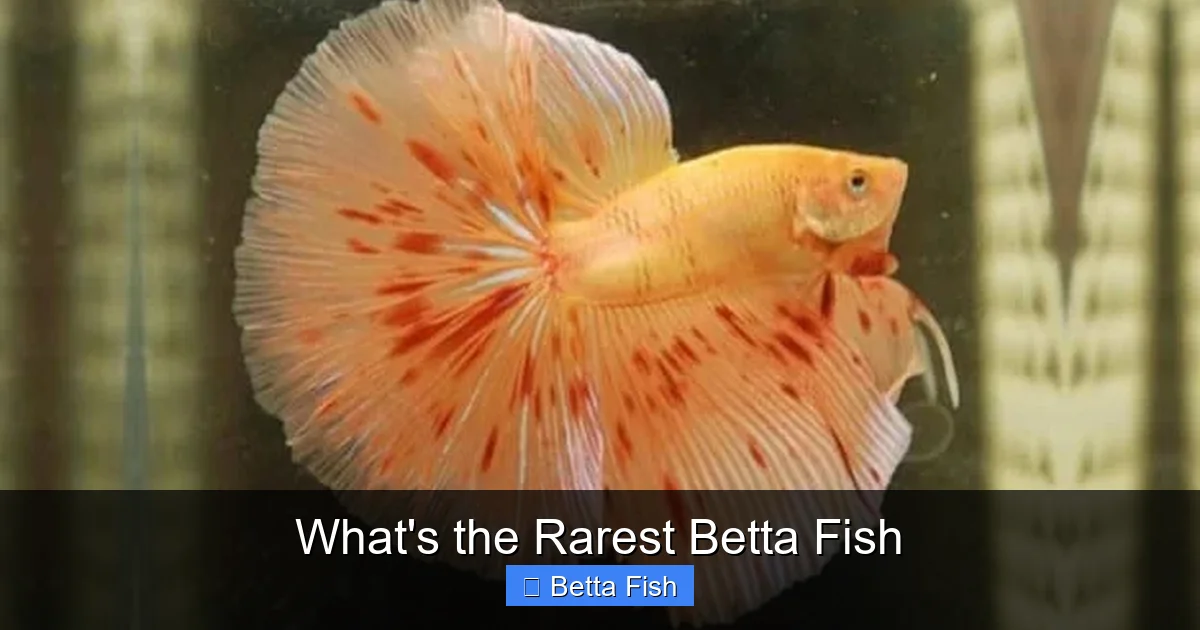
The title of “rarest betta fish” isn’t held by a single color but by specific, genetically complex varieties that are incredibly difficult to breed and maintain. True rarity stems from unstable genetics, extreme finnage requirements, or being newly developed mutations that few breeders have mastered. These fish command high prices due to the immense skill, time, and luck involved in their creation. Always research breeders thoroughly, as the market is rife with mislabeled or unhealthy fish sold at rare-betta premiums.
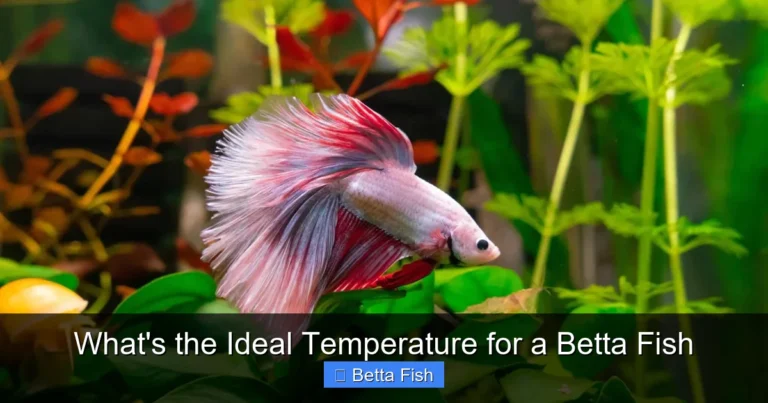
You’ve seen them, those breathtaking betta fish that look like living jewels floating in a curated Instagram aquarium. Their fins are vast, flowing sails of crimson, blue, or shimmering white. Their patterns look like they were painted by an artist’s hand. And then you see the price tag. Thousands of dollars for a single fish. Why? What makes one betta a $10 pet and another a $2,000 treasure? The answer lies in the complex, frustrating, and utterly fascinating world of betta genetics and selective breeding. The quest for the rarest betta fish is not about finding a secret, hidden species. It’s about pushing the boundaries of what is possible within the beloved Siamese fighting fish, Betta splendens, and the staggering difficulty of achieving perfection.
This article will dive deep beyond the flashy colors. We will explore the specific genetic traits and physical standards that breeders chase for years, sometimes decades, to achieve. We’ll look at the varieties that are considered the holy grails of the betta world, understand why they are so fragile and fleeting, and learn how to separate true rarity from clever marketing. Whether you’re a curious hobbyist or an aspiring breeder, understanding what makes a betta truly rare is the first step into the upper echelons of the aquarium hobby.
Key Takeaways
- Rarity is defined by genetics and breeding difficulty, not just color. A solid red betta is common; a perfectly symmetrical 180-degree Halfmoon with a specific marble pattern is extraordinarily rare.
- The “Halfmoon” (HM) is the foundational rarity benchmark. Achieving a full 180-degree fin spread with no flare or folding is the single greatest challenge in modern betta breeding.
- Koi and Marble bettas are rare due to unstable genetics. Their patterns change throughout life, and breeding to lock in a specific, beautiful design is profoundly difficult and unpredictable.
- “Jumbo” and “Dumbo” varieties are rare due to size and structural traits. Growing over 3 inches with thick, heavy bodies or enormous, low-set ears requires exceptional genetics and nutrition.
- True rarity comes with a high price and high responsibility. These fish often have more delicate constitutions and require pristine water conditions and expert-level care to thrive.
- Wild species are the rarest of all but are protected. Species like *Betta splendens*’s wild ancestors or *Betta imbellis* are critically rare in the wild and should not be sourced from the pet trade.
- Always verify claims of rarity with a reputable, transparent breeder. Ask for pedigree, parent photos, and the specific genetic traits being selected for. If it sounds too good to be true, it almost always is.
📑 Table of Contents
- What Makes a Betta Fish “Rare”? It’s Not What You Think
- The Crown Jewels: Top Contenders for Rarest Betta Fish
- The Price of Rarity: Ethical Breeding vs. Exploitation
- Conservation Concerns: The Wild Betta’s Plight
- How to Spot a Genuine Rare Betta (Your Buyer’s Guide)
- Caring for Your Rare Betta: It’s Not Just a Pretty Face
- Conclusion: The True Rarity is the Dedication
What Makes a Betta Fish “Rare”? It’s Not What You Think
When people ask for the rarest betta, they often expect a single color name: “Mustard Gas” or “Nemo.” But in the serious breeding world, rarity is defined by a combination of traits, with finnage being the paramount factor. Color, while stunning, is often secondary. A fish can have a gorgeous color but flawed fins and be worthless to a serious collector. Conversely, a fish with perfect, massive fins but a plain color can be worth a fortune because that finnage is so difficult to achieve.
The Unbreakable Standard: The 180-Degree Halfmoon
The undisputed king of betta rarity is the Halfmoon (HM). The name comes from the ideal: when the male flares his fins, the tail should form a perfect, symmetrical semicircle, or 180-degree spread. This is not a natural occurrence. In the wild, a betta flare is a defensive threat display—it’s meant to look big, not beautiful. The fins are usually held tight or only partially open. Creating a betta with the skeletal structure, fin ray length, and musculature to support a full, unbroken 180-degree spread is a monumental genetic challenge.
Many fish sold as Halfmoons are actually “Over Halfmoons” (OHM) or “Delta Tails,” where the spread is more than 130 degrees but not a clean 180. A true, symmetrical HM is rare because the genes for large fin size often conflict with the genes for body structure and fin symmetry. Breeders spend years culling (removing from the breeding pool) thousands of fish that don’t meet the standard. The truly perfect HM, with no fin tearing, no flare points (where the fin rays splay instead of forming a smooth edge), and a body to match, is the foundational rarity. All other rare varieties are built upon the hope of achieving this finnage first.
The Elusive Canvas: Marble and Koi Genetics
If the Halfmoon is about structure, the Koi and Marble bettas are about maddeningly unpredictable art. These varieties are not stable colors. They are the result of transposons, or “jumping genes,” which cause the pigment cells to rearrange throughout the fish’s life. A Koi betta might start with a vibrant red and white pattern and, over months, shift to a nearly solid black with orange patches. A Marble might develop new spots or have its base color change completely.
This instability is what makes them rare and valuable. Breeding two Koi bettas does not guarantee Koi offspring. The offspring could be solid, have a weak pattern, or be another unstable marble. To breed a Koi with a specific, balanced, and beautiful pattern—like a perfect red and white with clean lines—is a game of immense luck and meticulous record-keeping over generations. The same applies to the coveted Galaxy Koi, which adds metallic scales to the mix, another layer of genetic complexity. A truly stable, patterned Koi that maintains its design is a unicorn in the betta world.
Beyond Fin and Color: Jumbo, Dumbo, and Giant
Size is another axis of rarity. The average betta is 2-2.5 inches. A Jumbo or Giant betta is one that surpasses 3 inches, with some exceptional specimens reaching 4 inches. This requires not just genes for large size but also for a thick, heavy body and robust finnage that doesn’t look disproportionate. Achieving consistent giant size without compromising health or fin quality is incredibly difficult. These fish require vastly more food and more space to thrive.
Related to this are Dumbo or “Dumbo Ear” bettas, characterized by enormous, low-set pectoral fins that look like an elephant’s ears. The genetics for these oversized, beautifully shaped ears are rare and often linked to other delicate traits. A Giant Dumbo—a huge fish with massive, flowing ears—is a convergence of multiple rare traits, making it one of the most sought-after and difficult-to-breed combinations.
The Crown Jewels: Top Contenders for Rarest Betta Fish
Now, let’s meet the specific varieties that represent the pinnacle of breeding achievement. These are the fish that appear in elite breeder portfolios and international shows, not in big-box stores.
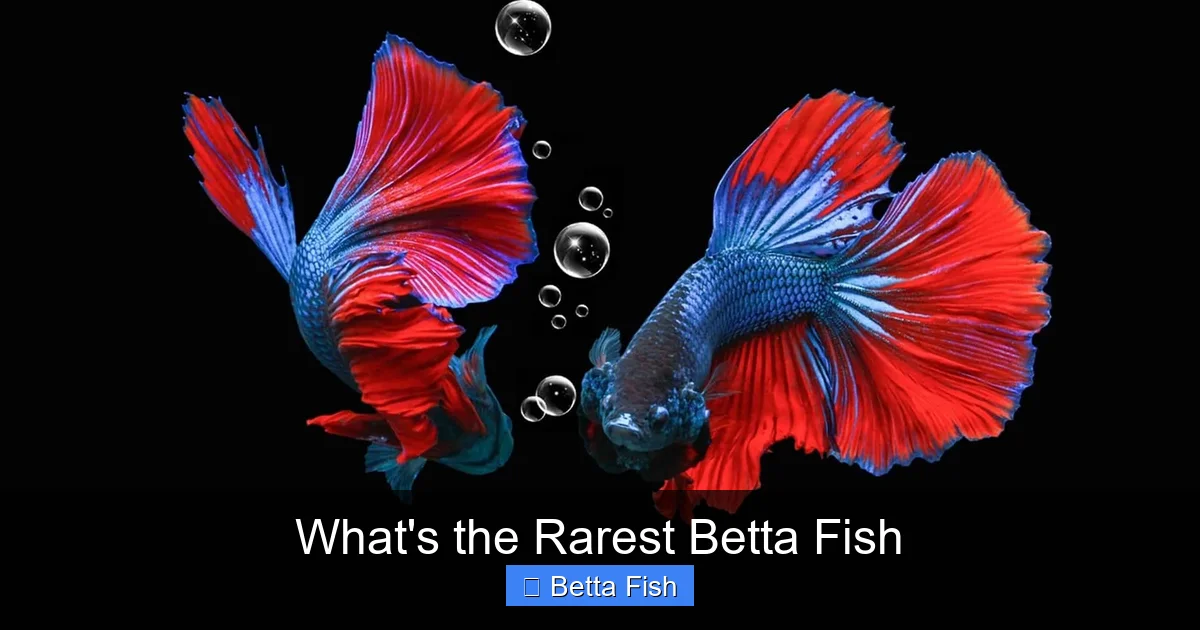
Visual guide about What’s the Rarest Betta Fish
Image source: rarest.org
1. The Perfect Halfmoon (HM)
As the foundation, the absolute ideal HM is a rarity in itself. We’re talking about a fish with a 180-degree, unbroken tail spread, all fins (dorsal, anal, caudal) in perfect symmetry and proportion, with no flare points or folding. The body should be streamlined and strong, not “bumpy” or “humpy.” Colors are a bonus, but the finnage is everything. A solid blue or red with perfect HM fins will outvalue a multicolored fish with flawed fins. Finding one with no faults is the lifelong pursuit of a breeder.
2. The Symmetrical Koi (Red/White, Black/Orange, etc.)
Among Koi, the most prized are those with balanced, symmetrical patterns. A Red/White Koi with a clean division down the center, or a Black/Orange (Candy) Koi with sharp, defined blocks of color, is worth a small fortune. The rarity comes from the fact that these patterns are not genetically locked. They are a temporary snapshot of the fish’s genetic expression at a specific moment. Breeders must breed hundreds of fish, raise them for over a year to see their final pattern, and keep meticulous notes to (very slowly) increase the odds. A mature Koi that has held its stunning pattern for years is a true rarity.
3. The Multicolor Marble (True “Mustard Gas” Pattern)
The original “Mustard Gas” was a famous wild-caught fish with a black body and vibrant yellow fins. In the hobby, the term now refers to a specific marble pattern: a dark (often black or dark blue) body with vibrant yellow or orange fins, sometimes with a metallic sheen. Achieving this exact combination through the unpredictable marble gene is exceptionally rare. Most marbles trend towards blue/red or black/blue. A clean, bright yellow-finned marble with a dark body is a genetic lottery win.
4. The Giant Dumbo Halfmoon
This is the convergence of three major rarity factors: Giant size (3.5+ inches), massive, perfectly shaped Dumbo ears, and a full 180-degree Halfmoon tail. Each trait is difficult alone. Combining them without the fish looking awkward or unhealthy is the Mount Everest of betta breeding. The body must be powerful to support the size, the ears must be large but well-attached, and the tail must still achieve that perfect spread. A specimen that nails all three is almost mythical in the collector world.
5. The Solid, Vibrant “True” Colors (Rarely)
This might be surprising, but a truly solid, vibrant, and deep color with no iridescence or “dusting” can be rare. Why? Because the betta’s iridescent layer (blue/green) sits on top of the red/yellow/black layers. To have a fish where the top layer is completely absent or suppressed, revealing a pure, opaque red or yellow, requires very specific genetics. A Solid Red or Solid Yellow with no blue sheen whatsoever, especially on a Halfmoon, is a sign of very careful, many-generation breeding to eliminate the iridescent gene. It’s the opposite of a metallic or multicolor fish, and its purity is its rarity.
The Price of Rarity: Ethical Breeding vs. Exploitation
The high prices for rare bettas are not arbitrary. They represent years of work, thousands of dollars in setup (heating, filtration, breeding tanks), and the heartbreak of culling fish that don’t make the cut. An ethical breeder invests in proven pairs, documents every spawn, and selects only the best for the next generation. They are artists and geneticists rolled into one.
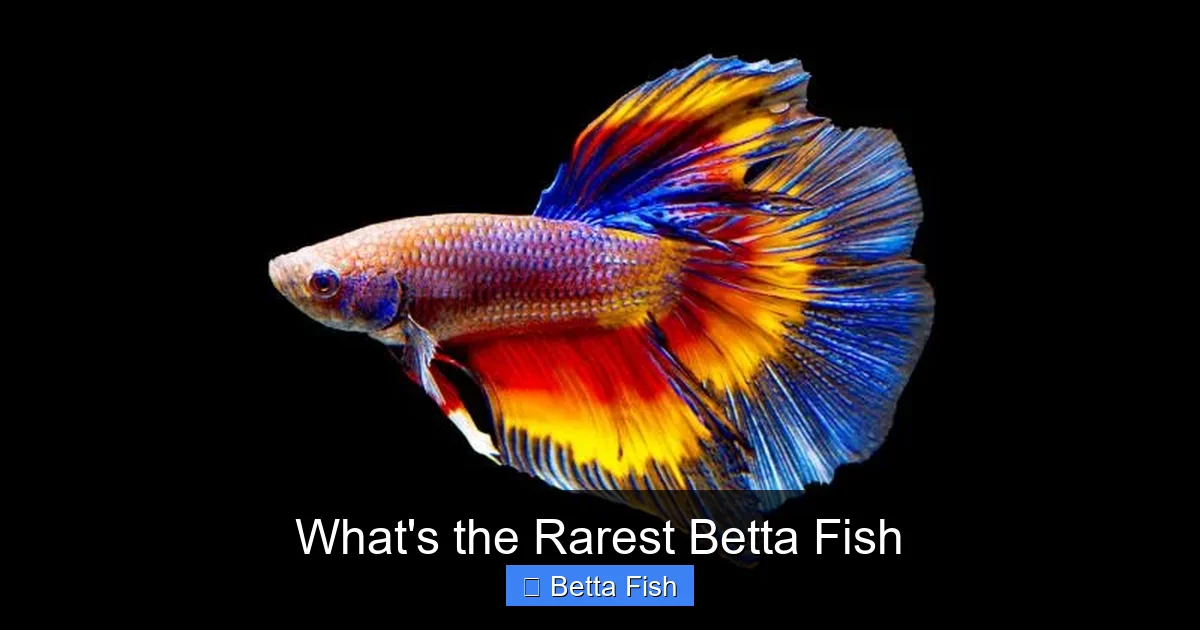
Visual guide about What’s the Rarest Betta Fish
Image source: cf.ltkcdn.net
The Breeding Bottleneck
To illustrate the rarity, consider the math. A responsible breeder might spawn a proven pair of Halfmoon Koi. They might get 50-100 fry (baby bettas). Of those, perhaps 20 will survive to adulthood. Of those 20, maybe 5 will have decent Halfmoon fins. Of those 5, maybe 1 will have a Koi pattern worth keeping. And that one might still have a minor flaw. The “keeper” rate from a spawn for top-tier traits can be less than 1%. The time, space, and food cost for all those fish that are culled or sold as pets is enormous. That final, perfect fish has to cover the costs of the entire project.
The Dark Side: “Farmed” Rarity and False Claims
This scarcity creates a market for exploitation. Unscrupulous sellers will take a common fish and give it a fancy name. They might photoshop images to enhance color or fin spread. They might claim a fish is a “Koi” when it’s just a poorly developed marble. They might hormone-inject a female to make her look like a fancy male (a common scam). This is why research is critical. A genuine rare betta will come from a breeder with a public reputation, who shows photos of the parents, who explains the genetics, and who is part of the community (on forums, social media groups for betta shows). If a “rare” betta is being sold for $100 on a generic marketplace, it is almost certainly not the real deal.
Conservation Concerns: The Wild Betta’s Plight
It’s crucial to distinguish between captive-bred rarity and wild rarity. The fish we’ve discussed are all varieties of Betta splendens, the species domesticated for over a century. The true rarest bettas on Earth are the wild species in Southeast Asia. Habitat destruction from palm oil plantations, pollution, and urban development has pushed many wild betta species to the brink. Betta splendens itself is listed as “Vulnerable” by the IUCN in the wild.
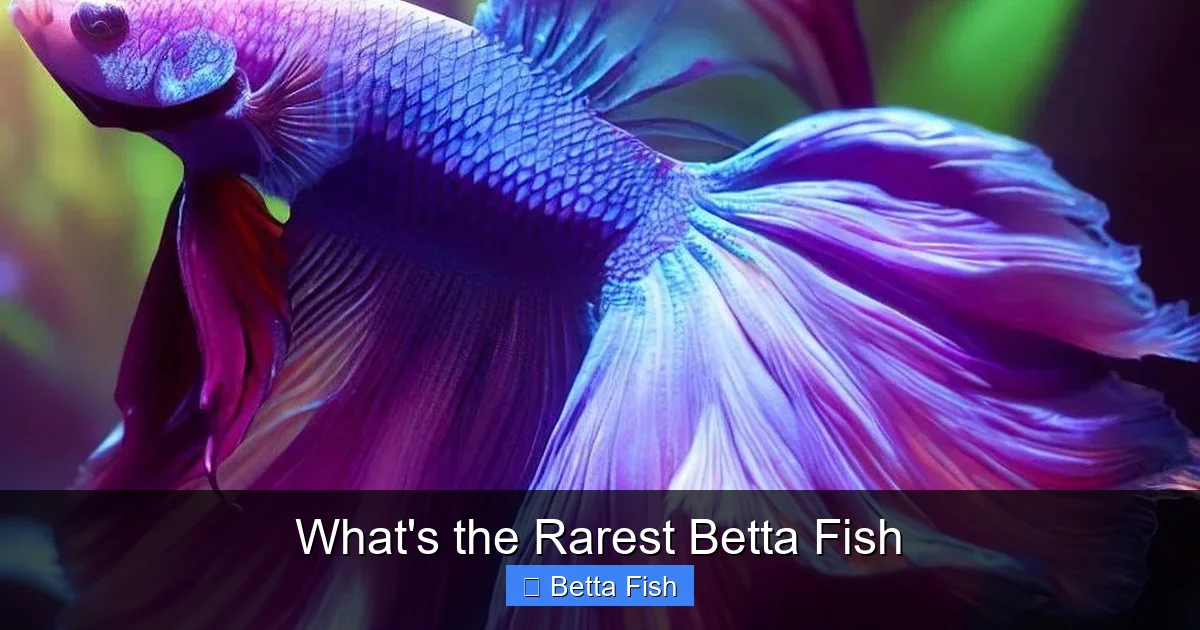
Visual guide about What’s the Rarest Betta Fish
Image source: i.pinimg.com
Wild-caught bettas are not pets for beginners. They are often more aggressive, have different water parameter needs (softer, more acidic), and their collection, if not done under strict scientific permits, can devastate tiny, localized populations. Responsible aquarists should support captive breeding programs for wild species, not the wild-caught animal trade. The rarity we celebrate in the hobby should come from generations of human-guided selection, not from plundering the last remnants of a natural habitat.
How to Spot a Genuine Rare Betta (Your Buyer’s Guide)
So you’ve saved up and want to acquire a truly rare betta. How do you avoid getting scammed or buying a fish that won’t thrive?
Know the Standards
Before you buy, study. Look up the International Betta Congress (IBC) standards for Halfmoon, Plakat, and other types. Understand what a 180-degree spread looks like from above and the side. Learn the difference between a Koi and a Marble. A reputable seller will use these precise terms and not just throw around “rare” and “unique.”
Demand Transparency
A good breeder will proudly show you the parents of the fish they are selling. They will have photos or videos of the father flaring his fins. They will tell you about the genetic lines they are working with (e.g., “This is from my HM Koi line, now 5 generations in”). They will be honest about any minor flaws. If a seller refuses to show the parents or gives vague answers, walk away.
Assess the Fish Itself
When you see the fish (in person or via live video), evaluate it critically. Is the fin spread symmetrical? Does the body look proportional and healthy, not bloated or “humpy”? Is the color solid and vibrant, or does it look washed out or artificial? Are the fins intact, with no signs of rot, tearing, or clamping? A rare betta should be the picture of health and vitality, as breeders only sell their best.
Ask About Quarantine and Health
Rare bettas have often been through a lot—long shipping, stress from shows, etc. A responsible seller will have quarantined new arrivals and treated for common parasites like velvet or ich. Ask about their health protocol. A healthy rare betta is an investment; a sick one is a tragedy.
Caring for Your Rare Betta: It’s Not Just a Pretty Face
Owning a rare betta is a privilege that comes with heightened responsibility. These fish are often the product of intense inbreeding to fix traits, which can weaken their immune systems. They are also valued for delicate features (like huge fins) that can be easily damaged.
Water Quality is Non-Negotiable
For any betta, clean water is vital. For a rare, valuable betta, it is everything. You must have a filtered, heated tank (no bowls!). A 5-gallon tank is the absolute minimum, but 10 gallons is better, especially for a giant. Perform weekly 25-50% water changes with dechlorinated water that matches the temperature and pH of the tank. Ammonia or nitrite spikes can kill a rare betta in hours. Invest in a good liquid water test kit (API Freshwater Master Test Kit is standard) and monitor parameters religiously.
Gentle Filtration and No Sharp Decor
Powerful filters can tear large, delicate fins. Use a sponge filter or a hang-on-back filter with a spray bar to diffuse the flow. The current should be minimal—you should see the fish’s fins gently swaying, not being pushed back. All tank décor must be smooth. No plastic plants with sharp edges. Use live plants (like Java fern, Anubias) or silk plants. Ensure there are no rough spots on the filter intake or heater guards.
Diet for Giants and Fins
Rare bettas, especially giants, need high-quality nutrition to support their size and fin growth. Feed a variety: high-protein betta pellets as a staple, supplemented with frozen foods like daphnia, brine shrimp, and bloodworms (occasionally, as treats). Some giant breeders feed high-quality salmon or krill pellets. Overfeeding leads to poor water quality and constipation, which can cause swim bladder issues. Feed only what they can eat in 2-3 minutes, once or twice a day.
Conclusion: The True Rarity is the Dedication
The search for the rarest betta fish is a window into a world of passionate science and artistic endeavor. The “rarest” is not a static title but a moving target—a perfect Halfmoon today might be surpassed by a new color form tomorrow. True rarity is the fleeting moment when genetics, luck, and a breeder’s years of toil align to produce a fish that takes your breath away. It’s a fish with fins that flow like silk, a pattern that looks hand-painted, and a vitality that speaks of impeccable care.
If you aspire to own one, do so with respect. Do your homework. Find a breeder whose ethics you trust. Prepare a pristine tank. Understand that you are not just buying a pet; you are caretaking a piece of living art and a genetic milestone. And if the price or responsibility feels daunting, remember that the most common, brilliantly colored betta from a reputable store is still a magnificent creature that brings joy. The rarest thing of all in this hobby is a knowledgeable, responsible, and passionate fish keeper.
Frequently Asked Questions
What’s the actual rarest betta fish in the world right now?
There is no single “rarest” fish, but the most consistently difficult-to-produce varieties are a perfectly symmetrical 180-degree Halfmoon with a stable, balanced Koi pattern, or a Giant Dumbo Halfmoon over 3.5 inches. These require the convergence of multiple complex genetic traits, making them exceptionally scarce.
Where is the safest place to buy a genuinely rare betta?
The safest place is directly from a well-known, reputable specialist breeder. These breeders often have websites, active social media (showing their fishrooms and breeding logs), and sell through dedicated forums or auction groups. Avoid general marketplaces and large pet stores, as they cannot verify genetics or health history.
How much should I expect to pay for a truly rare betta?
Prices vary wildly based on the trait, the breeder’s reputation, and the fish’s show potential. For a top-tier Halfmoon Koi or Giant Dumbo, prices can range from $300 to over $2,000. A very good but not show-quality specimen of a rare variety might be $100-$300. Any “rare” betta priced under $50 is almost certainly mislabeled.
Are rare bettas harder to keep alive than regular bettas?
Yes, often. Due to intensive selective breeding, many rare bettas have more delicate immune systems and are more sensitive to water quality fluctuations. Their large fins can also be prone to tearing or fungal infections if water conditions are poor. They require pristine, stable water and a carefully managed environment to thrive long-term.
Can I try to breed rare bettas myself as a beginner?
Absolutely not. Breeding for rare traits like Halfmoon fins or stable Koi patterns is an advanced, multi-year endeavor requiring deep knowledge of genetics, extensive facilities, and the willingness to humanely cull hundreds of fish. Start by breeding a simple, healthy pair of common bettas to learn the basics of spawning, fry care, and genetics before even considering working with rare lines.
How can I verify that a betta is really a “Koi” and not just a regular marble?
Ask the breeder for photos of the fish’s parents and older siblings showing the same pattern. A true Koi line will have a history of producing fish with similar, balanced patterns. A random marble’s pattern is unpredictable. Also, ask if the pattern is considered “stable” within their line. A reputable breeder will be able to explain the expected pattern development and will have documentation.