How to but a New Toy.in Betta Fish
Buying the right toy for your betta fish is easier than you think. This guide covers everything you need to know about choosing safe, fun, and stimulating toys for your betta. You will learn what makes a good toy, where to buy them, and how to introduce new items into your betta’s tank without stress.
Your betta fish is smarter than most people think. These colorful little swimmers get bored just like we do. A dull tank with nothing to explore can lead to stress and even illness. That is why adding a new toy to your betta’s home can make a huge difference. In this guide, we will walk you through everything you need to know about buying a new toy for betta fish. You will learn what to look for, where to find the best options, and how to introduce toys safely.
Whether you are a first-time betta owner or a seasoned fish keeper, this article has something for you. We will cover the best types of betta fish toys, share tips on betta fish enrichment, and help you avoid common mistakes. Let us dive right in and make your betta’s tank a more exciting place.
Key Takeaways
- Toys keep betta fish mentally stimulated: Bettas are curious creatures that need enrichment to stay healthy and happy.
- Safety comes first: Always choose toys made from non-toxic, aquarium-safe materials that won’t harm your fish.
- DIY options work great: You can make simple toys at home using common household items.
- Watch your betta’s reaction: Not every toy will appeal to every fish. Observe behavior and adjust accordingly.
- Rotate toys regularly: Switching toys keeps your betta engaged and prevents boredom over time.
- Avoid small detachable parts: These can be choking hazards for your betta fish.
- Tank setup matters: A well-decorated tank with toys complements your betta’s overall environment.
📑 Table of Contents
- Why Betta Fish Need Toys and Enrichment
- Types of Toys You Can Buy for Betta Fish
- What to Look for When Buying Betta Fish Toys
- Where to Buy Toys for Your Betta Fish
- How to Introduce New Toys to Your Betta’s Tank
- Common Mistakes to Avoid When Buying Betta Toys
- Expert Tips for Maximizing Toy Effectiveness
- Conclusion
Why Betta Fish Need Toys and Enrichment
Many people think bettas just swim around and eat. The truth is quite different. Bettas are naturally curious fish that love to explore. In the wild, they navigate through dense vegetation and interact with their surroundings every day. A plain tank with nothing to do does not reflect their natural habitat.
Adding toys and decorations gives your betta mental stimulation. This helps reduce stress and promotes natural behaviors like exploring and investigating. A stimulated betta fish is a happier and healthier fish. Without enrichment, bettas may become lethargic, lose their vibrant colors, or develop unwanted behaviors.
The Science Behind Betta Fish Enrichment
Studies on fish behavior show that environmental enrichment improves brain function and overall wellbeing. Just like dogs need walks and cats need climbing trees, bettas need things to interact with in their tank. Betta fish activity increases when they have toys to chase or investigate. This leads to better physical health and a longer lifespan.
Signs Your Betta Needs More Stimulation
How do you know if your betta is bored? Watch for these common signs:
- Flaring at nothing: Your betta may flare at its own reflection out of boredom.
- Lethargy: Sitting at the bottom or hiding more than usual.
- Loss of color: Dull colors often signal stress or understimulation.
- Excessive sleeping: Bettas sleep a lot, but too much inactivity is a red flag.
- Destructive behavior: Tearing up plants or digging at the substrate.
If you notice any of these signs, it is time to add some interactive betta fish toys to the tank. A simple change can transform your fish’s mood and energy levels.
Types of Toys You Can Buy for Betta Fish
The market for aquarium toys for betta has grown a lot in recent years. You now have many options to choose from. Let us break down the most popular types so you can decide what works best for your fish.
Floating Toys and Balls
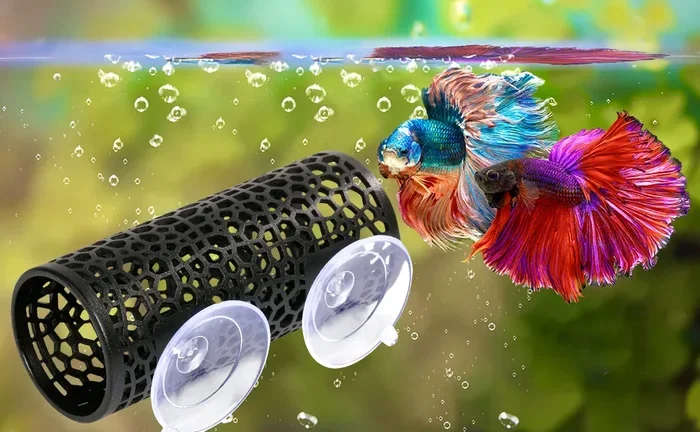
Floating toys are some of the most popular options. These small balls and rings float on the water surface and encourage your betta to push them around. Bettas love to interact with floating objects. Some toys even have small mirrors attached, which trigger natural flaring behavior. Just be careful with mirror toys, as too much flaring can cause stress.
Sinking Toys and Decorations
Sinking toys sit at the bottom of the tank. They come in many shapes, from small castles to treasure chests. Bettas enjoy exploring these items and often treat them like part of their territory. Look for sinking toys made from resin or ceramic, as these are durable and safe for aquarium use.
Interactive Feeder Toys
These toys make your betta work for its food. They stimulate natural hunting instincts and keep your fish mentally active. Some feeder toys release food slowly, while others require your betta to push or nudge them. Betta fish enrichment through feeding toys is one of the best ways to combine fun with nutrition.
Plants and Hideouts
While not traditional toys, silk or live plants serve as great enrichment tools. Bettas love to swim through plants and hide behind them. Adding new plants gives your fish a fresh environment to explore. If you are setting up a new tank, check out our guide on how to set up a fish tank for betta fish for more ideas on creating an engaging habitat.
What to Look for When Buying Betta Fish Toys
Not all toys are created equal. Some are perfectly safe, while others can harm your fish. Here is what you should always check before making a purchase.
Material Safety
The most important factor is the material. Always choose toys made from non-toxic, aquarium-safe materials. Avoid anything with sharp edges or small parts that can break off. Plastic toys should be free of BPA and other harmful chemicals. If a toy does not specifically say it is aquarium-safe, do not take the risk.
Size and Fit
Toys should be proportional to your tank size and your betta’s body. A toy that is too large can take up too much swimming space. A toy that is too small can become a choking hazard. For most betta tanks, small to medium-sized toys work best.
Ease of Cleaning
Toys get dirty over time. Algae and bacteria can build up on any object in your tank. Choose toys that are easy to rinse and clean during regular tank maintenance. Smooth surfaces are easier to wipe down than textured or porous ones.
Color and Movement
Bettas are attracted to bright colors and moving objects. Toys with vibrant colors or those that move with the water current will grab your betta’s attention. Red, orange, and bright blue toys tend to be especially appealing to bettas.
Where to Buy Toys for Your Betta Fish
You have more options than you might think. Here are the best places to find quality betta fish toys.
Online Retailers
Websites like Amazon, Chewy, and specialty fish stores online offer a wide selection. You can read reviews and compare prices easily. Look for brands that specialize in aquarium products. Reading customer reviews helps you avoid cheaply made toys that fall apart quickly.
Local Pet Stores
Your local pet store lets you see the toys in person before buying. You can check the quality and materials up close. Staff at fish-focused stores can also give you personalized recommendations for your specific setup.
DIY Options
Making your own toys can be fun and cost-effective. A clean, empty plastic bottle cap can become a floating ball. A small clay pot turned on its side makes a great hiding spot. Just make sure any DIY item is thoroughly cleaned and free of harmful substances before adding it to the tank.
How to Introduce New Toys to Your Betta’s Tank
Adding a new toy is not as simple as just dropping it in. Bettas can be sensitive to changes in their environment. Follow these steps to make the transition smooth and stress-free.
Step 1: Clean the Toy Thoroughly
Before placing any new toy in your tank, rinse it with warm water. Do not use soap or chemical cleaners. These residues can be deadly to your fish. A simple rinse with dechlorinated water is all you need.
Step 2: Place the Toy Gently
Lower the toy into the tank slowly. Do not drop it from a height, as the splash can startle your betta. Place it near the middle or back of the tank where your fish likes to explore.
Step 3: Observe Your Betta’s Reaction
Watch your betta closely for the first few hours. Some fish investigate new toys immediately. Others may take a day or two to warm up. If your betta seems stressed or hides constantly, remove the toy and try again later.
Step 4: Rotate Toys Regularly
Keep things fresh by swapping out toys every couple of weeks. This prevents boredom and keeps your betta curious. You can also rearrange existing decorations to create a new layout. A change in the tank environment stimulates your fish naturally.
If you want to learn more about keeping your betta’s environment clean when adding new items, check out our article on how to maintain a betta fish bowl for helpful maintenance tips.
Common Mistakes to Avoid When Buying Betta Toys
Even well-meaning fish owners make mistakes when buying toys. Here are the most common ones to watch out for.
Buying Toys with Sharp Edges
Sharp edges can tear your betta’s delicate fins. Always inspect toys carefully before buying. Smooth, rounded edges are the safest choice for your fish.
Choosing Toys That Are Too Big
A giant toy can crowd a small tank and restrict your betta’s swimming space. Measure your tank first and choose toys that fit comfortably without taking up too much room.
Ignoring Water Quality
New toys can sometimes affect water parameters. Always monitor your water quality after adding a new item to the tank. If you notice changes in ammonia or pH levels, remove the toy and investigate.
Overloading the Tank
More toys does not mean better. Too many objects can make the tank feel cramped and increase waste buildup. Stick to two or three well-chosen toys at a time.
Expert Tips for Maximizing Toy Effectiveness
Want to get the most out of your betta’s toys? Here are some expert-backed tips.
- Match toys to your betta’s personality: Some bettas are shy and prefer hiding toys. Others are bold and love interactive floating balls.
- Use toys during feeding time: Interactive feeder toys make mealtimes more engaging and natural.
- Clean toys during water changes: This is the easiest time to maintain toy hygiene.
- Pair toys with plants and caves: A combination of toys and natural elements creates the best enrichment setup.
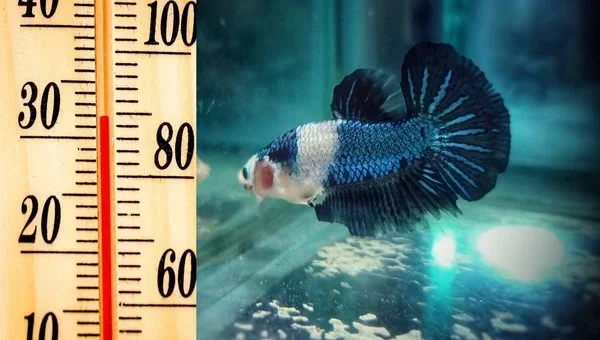
- Monitor water temperature: Bettas are more active in warm water, which makes them more likely to interact with toys. If you need help keeping the water warm, read our guide on how to keep my betta fish warm without a heater.
Remember, the goal of adding toys is to improve your betta’s quality of life. A well-chosen toy can bring out your fish’s natural behaviors and make watching it even more enjoyable. Pay attention to what your betta likes and dislikes, and adjust your choices accordingly.
Conclusion
Buying a new toy for your betta fish is one of the simplest ways to improve its quality of life. From floating balls to interactive feeders, there are many options to suit every tank and every betta personality. The key is to choose safe, high-quality toys and introduce them gradually. Watch your fish’s reactions, rotate toys regularly, and always prioritize your betta’s comfort and safety.
A happy betta is an active betta. With the right toys and a well-maintained tank, your fish will thrive for years to come. Start small, have fun, and enjoy watching your betta explore its new additions. Your fish will thank you with vibrant colors and lively behavior.
Frequently Asked Questions
Can betta fish play with toys?
Yes, betta fish absolutely enjoy playing with toys. They are curious and intelligent creatures that benefit from mental stimulation. Floating balls, interactive feeders, and hiding spots all encourage natural play behavior in bettas.
What is the safest material for betta fish toys?
The safest materials are non-toxic resin, ceramic, and aquarium-grade plastic. Always look for toys specifically labeled as aquarium-safe. Avoid toys with sharp edges, small detachable parts, or any materials that could leach chemicals into the water.
How often should I change my betta’s toys?
Rotating toys every two to four weeks is ideal. This keeps the environment fresh and prevents boredom. You do not need to remove all toys at once, just swap one or two out at a time.
Are DIY toys safe for betta fish?
DIY toys can be safe if you use clean, non-toxic materials. Avoid anything with sharp edges or chemical residues. Common safe DIY items include clean bottle caps, smooth stones, and untreated clay pots.
Do betta fish get bored without toys?
Yes, bettas can become bored without enrichment. A barren tank can lead to stress, lethargy, and loss of color. Adding toys, plants, and hiding spots creates a more engaging and healthy environment for your fish.
How many toys should I have in my betta tank at once?
Two to three toys at a time is the sweet spot. Too many toys can overcrowd the tank and make cleaning difficult. Choose a mix of floating, sinking, and interactive toys for the best enrichment variety.