Betta fish often die quickly because of poor water conditions, improper feeding, and stress. By understanding the key factors—temperature, tank size, and health signs—you can dramatically extend your betta’s lifespan.
Key Takeaways
- Water quality matters: Bad ammonia, nitrite, or pH spikes are the top killers.
- Temperature is critical: Betta fish need stable warmth between 76‑82°F.
- Proper diet prevents disease: Over‑feeding or low‑quality food leads to constipation and infections.
- Stress kills fast: Small tanks, aggressive tank mates, and constant changes weaken immunity.
- Watch for warning signs: Faded colors, clamped fins, and unusual swimming signal trouble.
- Regular maintenance saves lives: Weekly water changes and testing keep the environment safe.
- Early intervention works: Spotting problems early lets you treat them before they become fatal.
📑 Table of Contents
- Introduction: The Heartbreak of a Fast‑Dying Betta
- 1. Water Quality: The Invisible Killer
- 2. Temperature: The Goldilocks Zone
- 3. Tank Size and Environment: Bigger Is Better
- 4. Diet and Feeding Mistakes
- 5. Stress Factors: The Silent Threat
- 6. Recognizing Early Warning Signs
- Conclusion: Turning Fast Death into Long Life
Introduction: The Heartbreak of a Fast‑Dying Betta
There’s nothing more disappointing than buying a gorgeous, flaring betta only to watch it wilt within days. Many beginners ask, “why do betta fish die so fast?” The answer isn’t a single mystery—it’s a mix of water, temperature, diet, and stress. This article walks you through each factor in plain language, gives real‑world examples, and equips you with easy steps to keep your betta healthy for years.
Think of your betta like a tiny, tropical pet that needs a stable home, proper food, and a calm environment. When any of those pieces are missing, the fish’s immune system drops, and death can come quickly. Let’s break down the most common culprits and how you can avoid them.
1. Water Quality: The Invisible Killer
Why clean water matters
Betta fish are very sensitive to ammonia, nitrite, and pH fluctuations. In a new tank, the nitrogen cycle is still forming, and harmful compounds can build up fast. Even a small spike can cause gill damage, leading to rapid decline.
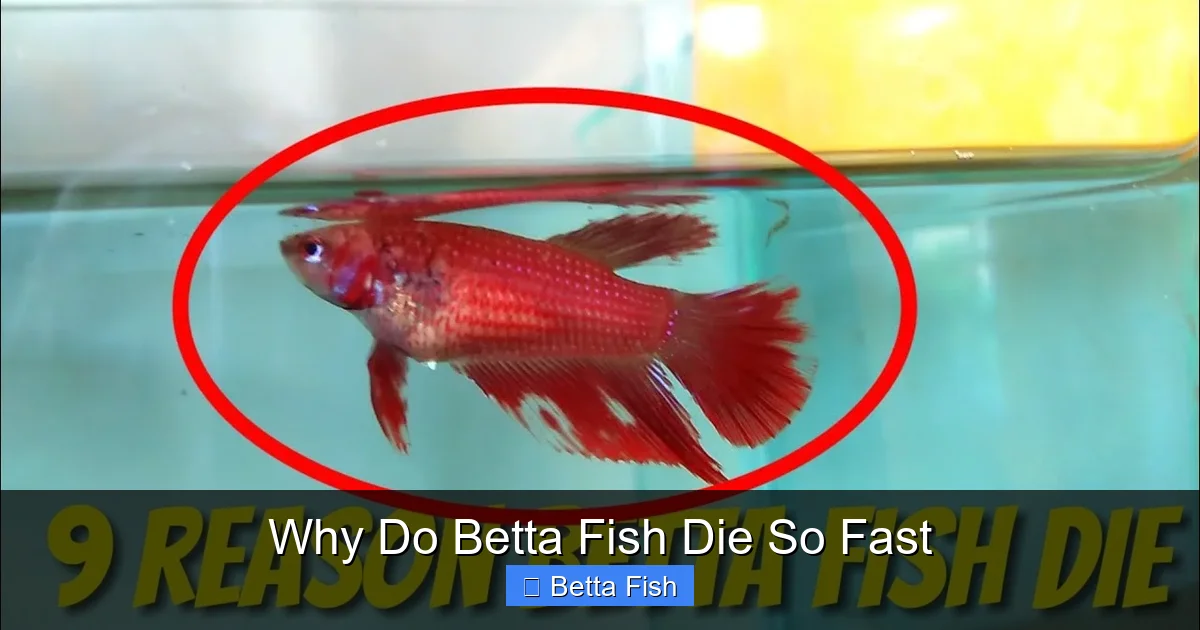
Visual guide about Why Do Betta Fish Die So Fast
Image source: i.ytimg.com
Common water‑related mistakes
- Using tap water without a de‑chlorinator.
- Skipping weekly water tests.
- Changing only a tiny fraction of water each week.
Practical tip: The 25‑25‑25 rule
Every week, replace 25 % of the water with fresh, conditioned water, test for ammonia, nitrite, and nitrate, and adjust pH to stay between 6.5‑7.5. This simple routine prevents toxic buildup.
Real example
Sarah bought a betta and kept it in a 2‑gallon bowl with tap water only. After three days, her fish floated belly‑up and died. A water test later showed ammonia at 5 ppm—far above the safe level of <1 ppm. The rapid death illustrates how quickly poor water can kill.
2. Temperature: The Goldilocks Zone
Ideal temperature range
Betta fish thrive at 76‑82°F (24‑28°C). Anything below 72°F stresses their metabolism; above 84°F can cause oxygen loss and organ failure.
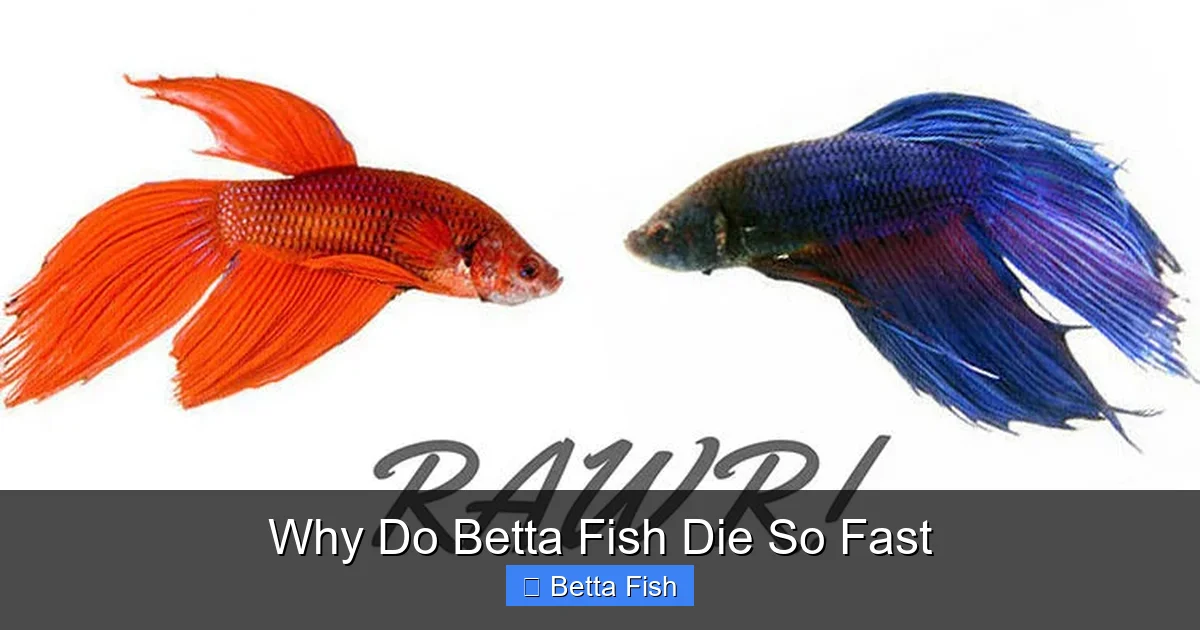
Visual guide about Why Do Betta Fish Die So Fast
Image source: bettafish.org
How temperature swings happen
- Placing the tank near windows or drafts.
- Using a cheap heater without a thermostat.
- Turning off the heater for a night while traveling.
Tip: Use a reliable heater and a thermometer
Invest in a heater with an automatic shut‑off and keep a digital thermometer in the tank. Check the temperature twice daily for the first week.
Case study
Mike’s betta died in a single day after a power outage caused the heater to stop. The water temperature dropped to 68°F, and the fish became lethargic before dying. A battery‑backed heater or a small insulated cover could have saved the fish.
3. Tank Size and Environment: Bigger Is Better
Why “small bowls” are a myth
Many people think bettas can live happily in tiny bowls because of their “labyrinth organ.” In reality, a minimum of 5 gallons provides stable water parameters and space to swim.

Visual guide about Why Do Betta Fish Die So Fast
Image source: sharksinfo.com
Common misconceptions
- “Betta fish need only a 1‑gallon bowl.”
- “No filtration needed because they breathe air.”
- “Plants are optional.”
Setting up a proper home
Choose a 5‑gallon tank, add a gentle filter (sponge filters work well), and include live or silk plants for hiding spots. This mimics the betta’s natural habitat and reduces stress.
Link to related reading
For more on tank size, see Why Are Betta Fish Tanks So Small.
4. Diet and Feeding Mistakes
What a healthy betta diet looks like
Betta fish need high‑protein foods: quality betta pellets, frozen or live brine shrimp, and occasional bloodworms. Avoid low‑quality flakes that are high in fillers.
Over‑feeding pitfalls
Feeding more than what the fish can eat in two minutes leads to uneaten food sinking and decaying, raising ammonia levels. It also causes constipation, a common cause of sudden death.
Feeding schedule
- Twice daily, 2‑3 pellets per feeding for adults.
- Once daily for juveniles, with occasional live foods.
Spotting a feeding problem
If you notice your betta spitting out food or his belly looks bloated, reduce the amount and consider a fasting day to clear the gut.
Helpful resource
Read How Do You Feed A Betta Fish for detailed feeding guidelines.
5. Stress Factors: The Silent Threat
Common stressors
- Housing multiple males together (they are territorial).
- Frequent rearranging of décor.
- Loud vibrations or bright lights.
- Incompatible tank mates.
Why stress kills fast
Stress suppresses the immune system, making the fish vulnerable to bacterial and fungal infections. A stressed betta may develop fin rot within days.
Reducing stress
Keep the tank in a quiet area, use a lid to block sudden light changes, and provide plenty of hiding spots. If you must add another fish, choose a peaceful community species and monitor closely.
Related article
Learn why male bettas are aggressive in Why Are Male Betta Fish So Aggressive.
6. Recognizing Early Warning Signs
Physical signs to watch
- Faded or white edges on fins.
- Clamped fins (held close to the body).
- Rapid breathing at the surface.
- Floating upside‑down or sinking to the bottom.
Behavioral clues
Lethargy, loss of appetite, or constant hiding indicate a problem. If you see any of these, test the water immediately and consider a quarantine tank for treatment.
Quick action plan
- Test water parameters.
- Perform a 25 % water change.
- Reduce feeding to once daily.
- Observe for improvement over 24‑48 hours.
When to seek professional help
If the fish continues to deteriorate, contact a vet or a knowledgeable aquarium store. Early medication for fin rot or velvet disease can save the fish.
Conclusion: Turning Fast Death into Long Life
Betta fish don’t have to die quickly. By focusing on clean, warm water, a proper tank, balanced nutrition, and low stress, you create an environment where your betta can flourish for 3‑5 years—or even longer. Remember to test water regularly, keep the temperature steady, and watch for subtle signs of trouble. With a little attention, the heartbreak of a fast‑dying betta becomes a distant memory, replaced by the joy of watching a vibrant, healthy fish thrive.
Frequently Asked Questions
Why did my betta fish die in one day?
A sudden death is often caused by a severe water quality issue, such as a spike in ammonia, or a rapid temperature drop. Checking the water parameters immediately can reveal the problem.
What are the most common signs that a betta is dying?
Look for faded colors, clamped fins, labored breathing at the surface, and loss of appetite. These symptoms usually signal stress, disease, or poor water conditions.
Can a betta survive in a bowl without a filter?
While bettas can breathe air, they still need clean water. Without filtration, toxins build up quickly, leading to illness and early death.
How often should I change the water in my betta’s tank?
Change about 25 % of the water each week, and test for ammonia, nitrite, and nitrate to keep levels safe.
Is it okay to keep two male bettas together?
No. Male bettas are highly territorial and will fight, often resulting in serious injuries or death.
What temperature should I keep my betta tank at?
Maintain a stable temperature between 76‑82°F (24‑28°C) using a reliable heater and a thermometer.


