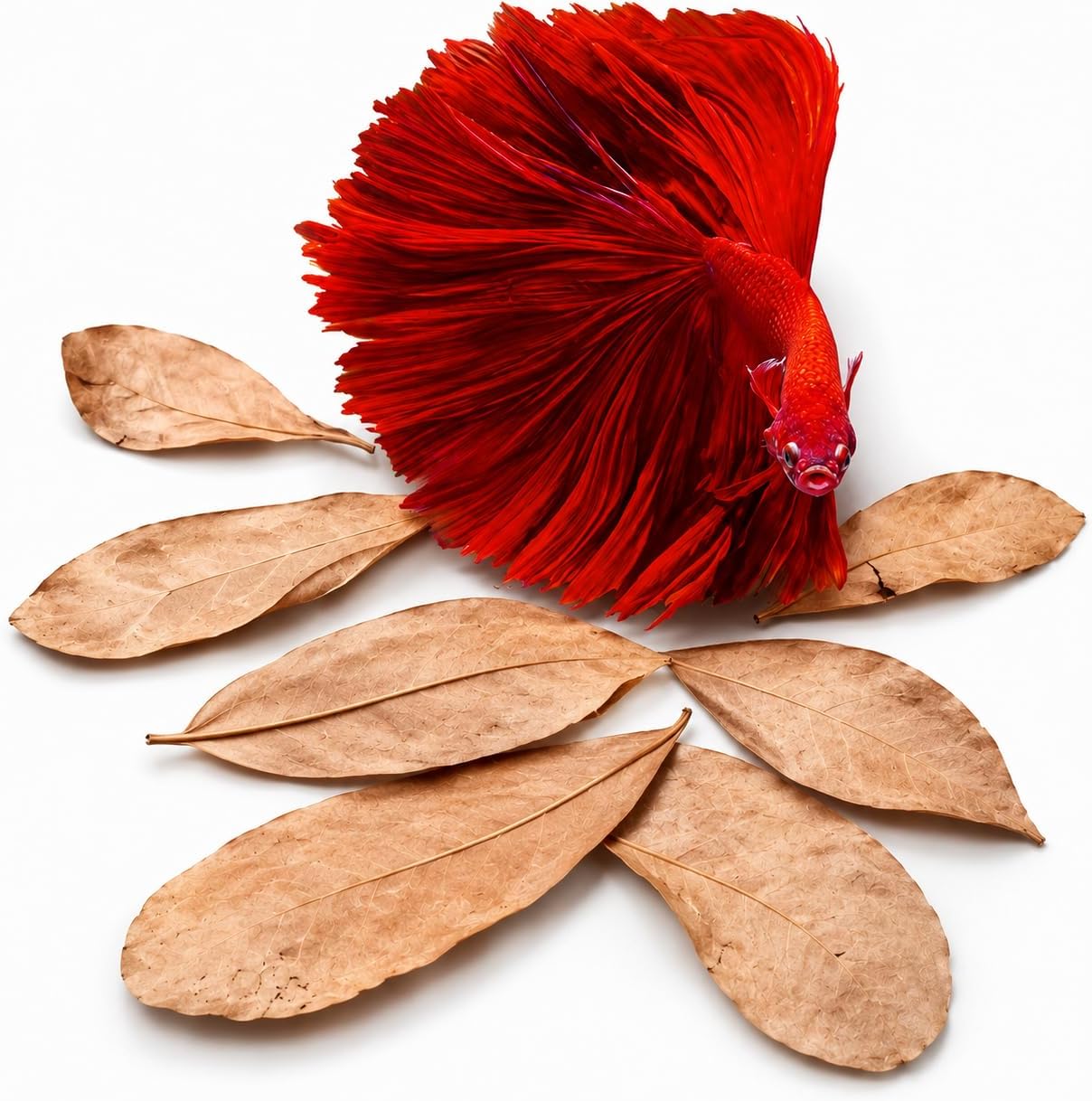
Betta fish, or Siamese fighting fish, are famously territorial and aggressive, but they can sometimes share a tank with carefully chosen, peaceful species. The key is selecting tank mates that are not flashy, fin-nippers, or similar in body shape to avoid triggering your betta’s aggression. A properly sized, heavily planted tank is non-negotiable for any community setup with a betta. Always have a backup plan, like a separate hospital tank, in case compatibility fails.
Key Takeaways
- Tank Size is Critical: A minimum of 10 gallons is essential for any betta community tank to provide enough space and territory.
- Avoid Visual Triggers: Never house bettas with other long-finned, brightly colored fish (like guppies) or fish with similar body shapes (other gouramis).
- Prioritize Peaceful, Fast Swimmers: Look for active, schooling fish from the bottom and middle levels that can evade a curious betta.
- Plants and Hiding Spots are Mandatory: Live plants, driftwood, and caves break line-of-sight and provide essential refuge for both the betta and its tank mates.
- The Betta’s Personality Rules: Some bettas are perpetual aggressors; others are docile. You must observe your specific betta’s behavior before and after introducing any new fish.
- Invertebrates are a Great Starting Point: Shrimp and snails are often the safest first tank mates due to their different biology and low threat profile.
- Always Have a Plan B: Keep a separate “hospital” or quarantine tank ready to immediately remove a stressed betta or an attacked tank mate.
📑 Table of Contents
- Introduction: Understanding Your Betta’s Nature
- The Golden Rules of Betta Community Tanks
- Top Tank Mate Candidates: Peaceful Swimmers and Bottom Dwellers
- The Invertebrate Option: Shrimp and Snails
- Fish to Absolutely Avoid with Betta
- Setting Up for Success: The Betta Community Aquarium
- Conclusion: Patience and Observation are Your Best Tools
Introduction: Understanding Your Betta’s Nature
So, you have a beautiful, flaring betta fish—a vibrant jewel swimming gracefully in its own tank. You love watching it, but you can’t help but wonder: which fish can go with betta? Can your solitary prince or princess have friends? The answer is a careful, nuanced “yes, but…” Betta splendens, with their centuries of breeding for aggression in fights, have a reputation for being loners. And that reputation is well-earned. In the wild, male bettas are indeed solitary, defending small territories of plants and debris. Female bettas in the wild can sometimes be found in small, loose groups, but even they establish hierarchies.
However, in the controlled environment of a properly set up aquarium, many bettas can coexist with other aquatic creatures. The phrase “which fish can go with betta” doesn’t have a single, simple list. It’s a question of strategy, observation, and providing the right environment. It’s about understanding your specific betta’s personality—some are grumpy hermits, others are curious but tolerant. This comprehensive guide will walk you through the principles of betta compatibility, specific species recommendations (and warnings), tank setup must-haves, and the crucial steps to introduce new fish successfully. Forget one-size-fits-all answers; we’re going for a tailored, peaceful community.
The Golden Rules of Betta Community Tanks
Before we even look at a list of potential friends, you must internalize these foundational rules. They are the difference between a thriving community and a tragic, bloody disaster. Which fish can go with betta depends entirely on you adhering to these non-negotiables.
Visual guide about Which Fish Can Go with Betta
Image source: petshun.com
Rule #1: Tank Size is Your First and Most Important Filter
The single biggest mistake new aquarists make is trying to house a betta with other fish in a tiny 2- or 3-gallon “nano” tank. This is a recipe for stress and aggression. A betta needs space to establish its own territory away from others. For any community tank with a betta, we strongly recommend a minimum of 10 gallons. A 20-gallon long tank is even better, as it provides a larger horizontal footprint, which is more important than depth for establishing territories. In a small tank, there is no escape; the betta will see any other fish as an intruder in its limited space. More water volume also means more stable water parameters, which reduces stress for all inhabitants.
Rule #2: The Betta’s Personality is the Boss
You can have the “perfect” list of compatible fish, but if your betta is a certified jerk, it won’t matter. You must know your betta. Is it constantly flaring at its reflection? Does it dart aggressively at your finger when you clean the tank? These are signs of a highly territorial individual. A more relaxed betta might ignore movement outside the tank or only flare occasionally. Before adding any tank mate, observe your betta alone for a week. Then, use a divider or a clear box inside the tank to introduce a potential mate for several days of visual contact. Does the betta attempt to attack through the barrier? If yes, that fish is not a candidate. If it largely ignores it, you can cautiously proceed to a full introduction.
Rule #3: Habitat is Everything—Plants, Hiding Spots, and Line-of-Sight
Your tank must be a complex landscape, not an empty arena. The goal is to break the constant line of sight between the betta and its potential roommates. This is achieved through:
- Dense Plantings: Use live plants like Java fern, Anubias, Cryptocorynes, and floating plants like Salvinia or Frogbit. They create a jungle-like feel, provide security, and improve water quality.
- Hardscape: Driftwood, rocks, and ceramic caves create physical barriers and hiding spots.
- Open Swimming Space: While you need cover, you also need a clear area in the middle-upper levels for fish to swim, as bettas often claim the top layer.
A well-decorated tank gives a shy or attacked fish a place to retreat and prevents a betta from constantly seeing and harassing its tank mates.
Top Tank Mate Candidates: Peaceful Swimmers and Bottom Dwellers
Armed with the golden rules, let’s explore the species that frequently succeed as betta companions. The best candidates are generally small, peaceful, fast-swimming (to evade a sudden lunge), and occupy different areas of the water column than the betta. The betta is a top/mid-level fish, so ideal mates are often active at the bottom or in the middle, but not flashy.
Visual guide about Which Fish Can Go with Betta
Image source: artofpro.com
1. Small Schooling Fish: The Classic Companions
Small, active schooling fish are often the first recommendation. Their key advantage is safety in numbers and their constant, darting motion. A single fish might be targeted as an easy meal or rival; a school of 6-8+ is a confusing, moving blur that a betta is less likely to single out.
- Ember Tetras (Hyphessobrycon amandae): Arguably one of the best choices. They are tiny (under 0.8 inches), peaceful, and have a warm, orange-red color that doesn’t clash with a betta’s brilliance. They stay mostly in the middle levels and are fast enough to dodge. Keep them in groups of 8+ in a 10+ gallon tank.
- Harlequin Rasboras (Trigonostigma heteromorpha): A slightly larger option (up to 2 inches) with a distinctive orange/black patch. They are hardy, peaceful, and active swimmers that prefer the top-middle, often peacefully coexisting with a betta. Need groups of 6+.
- Chili Rasboras (Boraras brigittae): Another tiny, stunning red fish. They are shy and need a heavily planted tank to feel secure. Their minute size and preference for the lower-middle water column make them excellent, unobtrusive neighbors.
- Neon/Cardinal Tetras (Paracheirodon innesi/axelrodi): A classic, but with a caveat. Their bright blue/red stripe can sometimes trigger a betta’s aggression, as it resembles another betta’s flashy colors. Success is highly individual. Only try with a proven, calm betta in a large, well-planted tank. Keep in schools of 10+.
2. Bottom-Feeding Heroes: The Clean-Up Crew
Fish that occupy the bottom third of the tank are fantastic betta tank mates because they are literally in a different world. They are rarely in the betta’s direct line of sight unless feeding.
- Kuhli Loaches (Pangio kuhlii): These eel-like, peaceful loaches are fascinating to watch. They are nocturnal and spend their days burrowing into the substrate or hiding under decorations. They pose zero threat to a betta and are completely ignored in return. Keep them in groups of 3-5.
- Bristlenose Plecos (Ancistrus sp.): The pleco of choice for betta tanks. They are small (4-5 inches), have a armored body, and are algae-eaters. Their ugly, whiskered faces and bottom-dwelling nature mean they are not seen as competition. They need driftwood in their diet. Avoid larger, more common plecos like the Common Pleco, which will outgrow the tank and become a messy giant.
- Corydoras Catfish: The quintessential community fish. These small, gentle “cory cats” are social and must be kept in groups of 5-6. Species like the Pygmy Cory (Corydoras pygmaeus), Haberli Cory (C. habrosus), or Skunk Cory (C. hadrocephalus) are perfect for 10+ gallon tanks. They are active, fun, and completely ignore bettas.
3. The Livebearer Lottery: Proceed with Extreme Caution
Livebearers like guppies, mollies, and platies are popular, hardy community fish, but they are a high-risk choice for a betta tank. The problem is two-fold: 1) The males of many livebearer species have long, flowing, often brightly colored fins that a betta will see as a rival male betta and attack relentlessly. 2) Some livebearers, especially male guppies, can be fin-nippers themselves, harassing the betta’s long fins. If you want to try, your best (but still risky) bet is a female-only group of plain-finned Endler’s livebearers (Poecilia wingei). They are smaller, less flashy than guppies, and all-female groups lack the long, provocative fins. Even then, you must have a large, heavily planted tank and a very mellow betta. For most betta owners, it’s safer to avoid livebearers entirely.
The Invertebrate Option: Shrimp and Snails
If you’re nervous about fish compatibility or have a particularly feisty betta, invertebrates are your best starting point. They are biologically different, so a betta is less likely to see them as fish-rivals. However, they are not always “safe”—a hungry or highly predatory betta may view a shrimp as a tasty snack.
Visual guide about Which Fish Can Go with Betta
Image source: ouraquariumlife.com
Freshwater Shrimp: Colorful and Useful
Shrimp add movement, color, and algae-eating benefits to your tank.
- Amano Shrimp (Caridina multidentata): The gold standard. They are large (2 inches), hardy, transparent with dotted markings, and excellent algae eaters, particularly for hair algae. Their size and active foraging make them less likely to be seen as food. A group of 3-5 is great.
- Cherry Shrimp (Neocaridina davidi): These are the beautiful red shrimp. They breed readily and add a pop of color. Caution: They are small (1 inch) and can be eaten by a determined betta. Success depends on the betta’s temperament and having abundant hiding places (moss, dense plants). Start with a large group (10+) so some will survive and reproduce.
- Ghost/Glass Shrimp (Palaemonetes sp.): Very common, inexpensive, and transparent. They are excellent scavengers. Their translucency offers some camouflage, but they are still small and vulnerable.
Tip: Drip-acclimate all shrimp slowly to your tank parameters. They are sensitive to water changes.
Aquatic Snails: The Ultimate Low-Maintenance Tank Mates
Snails are almost universally compatible with bettas. They are too slow to trigger hunting instincts and have a completely different biology.
- Nerite Snails (Neritina spp.): The best algae-eaters in the snail world. They have beautiful, patterned shells, stay small (1 inch), and will not reproduce in freshwater (they need brackish water to lay eggs). This prevents snail overpopulation. Get 2-3 for a 10-gallon tank.
- Ramshorn Snails &> Pond Snails: These are the common “pest” snails that often hitchhike on plants. They are harmless and will eat leftover food and algae. Warning: They reproduce explosively if there is excess food. You must control feeding to avoid a snail infestation.
- Mystery Snails (Pomacea bridgesii): Larger (2 inches), colorful (gold, blue, ivory), and active. They are great scavengers and have a fun personality. They will sometimes climb the glass at night. They can lay eggs above the waterline, but they are not prolific breeders in freshwater.
Fish to Absolutely Avoid with Betta
Now for the critical “do not” list. These are fish that will almost certainly lead to stress, injury, or death in a community tank with a betta.
1. Any Other Betta
This seems obvious, but it must be said: never house two male bettas together. They will fight to the death. Female bettas can sometimes be kept in a carefully managed “sorority” tank (5+ females in a 20+ gallon, heavily planted tank), but this is an advanced setup with high risks of bullying and death. Even a male and female should only be together for breeding under strict supervision and then separated immediately.
2. Fish with Long, Flowing Fins
Betticas are attracted to movement and see long fins as a challenge from another male betta. This includes: Male Guppies, Fancy Guppies, Siamese Fighting Fish (other bettas obviously), some Angelfish, and long-finned varieties of tetras or goldfish. They will nip and bite these fins, causing fin rot and severe stress.
3. Fin-Nipping Species
Some peaceful-looking fish have a habit of nipping at the long, flowing fins of bettas. This is a form of harassment that can shred a betta’s fins and open them to infection. The main culprits are: Serpae Tetras, some Tiger Barbs, and Blackskirt Tetras. Even some “peaceful” fish can develop this habit in a confined space.
4. Brightly Colored, “Showy” Fish
Betttas are visual creatures. Bright reds, blues, and oranges can be perceived as a rival. While not an absolute rule (some bettas ignore everything), fish like male Endlers, some male Platies, and very brightly colored male Gouramis (like Dwarf Gouramis) are high-risk. The Dwarf Gourami (Trichogaster lalius) is a particular problem—it is in the same family as the betta (Osphronemidae) and has a similar body shape and coloration. They will often spar relentlessly.
5. Large or Semi-Aggressive Fish
Never assume a betta can hold its own. A larger fish will see a betta as food or a pest. Avoid: Angelfish (will eat them), larger Cichlids, larger Gouramis, Oscars, and most Barbs (other than carefully selected, small species like Pentazona).
6. Fast, Boisterous Swimmers
Some fish are so active and fast that they will stress a more sedate betta by constantly zipping around it, competing aggressively for food, and nipping at fins. Danios (like Zebra Danios) are the classic example. They are often recommended for community tanks, but their high-strung, fast-moving nature is a poor match for a betta’s more deliberate pace.
Setting Up for Success: The Betta Community Aquarium
You’ve chosen a potential mate. Now, you must build the stage for them to coexist. Your tank setup is 80% of the battle.
The Essential Equipment
- Filter: A gentle filter is key. Betttas hate strong currents, as their long fins make swimming difficult. Use a sponge filter (the best choice—gentle and provides bio-media) or hang-on-back/internal filter with the flow adjusted to a minimum. The filter should clean the water without creating a torrent.
- Heater: Bettas are tropical fish requiring a stable 78-80°F (25.5-26.5°C). All their tank mates must also be comfortable in this range. Use a reliable, adjustable heater with a separate thermometer for accuracy.
- Lighting: Standard aquarium lighting is fine. If you are growing live plants, ensure your light matches their needs (low to medium for most beginner-friendly plants).
- Substrate: Sand or fine gravel is ideal. It’s easier for bottom-dwellers like corys and kuhli loaches to forage in. Avoid sharp edges.
The Perfect Aquascape for Peace
When planning your layout, think “jungle.” Dense vegetation is your best friend. Use a mix of:
- Background Plants: Vallisneria, Amazon Swords (may need root tabs).
- Mid-ground Plants: Java Fern, Anubias (attach to wood/rock, don’t bury rhizome).
- Foreground/Carpet Plants: Dwarf Hairgrass, Monte Carlo (may need high light/CO2).
- Floating Plants: This is a game-changer. Frogbit, Salvinia, or Duckweed create a canopy that filters light, reduces stress, and gives fish a sense of security from above. Betttas love building bubble nests under them.
Add driftwood, coconut hides, and rock piles to create a complex, multi-level environment. The more nooks and crannies, the better.
The Introduction Process: Slow and Steady
Never just drop a new fish into the betta’s tank. Follow this protocol:
- Quarantine: Always quarantine new fish for 2-4 weeks in a separate tank to check for diseases before introducing them to your main display.
- Tank Preparation: Ensure your community tank is fully cycled (nitrite and ammonia at 0ppm, nitrates under 20ppm) and stable for at least a week before adding any fish.
- Rearrange the Tank: A day before introducing the new fish, do a major rearrangement of the plants and decor. This disrupts the betta’s established territory and forces it to re-establish its space, making it less likely to aggressively defend a specific spot against the newcomer.
- Add the New Fish First: Use a net to transfer the new tank mate(s) into the community tank while the betta is still in its separate holding cup or container. Let the new fish explore and find hiding spots for 15-30 minutes.
- Release the Betta: Then, gently net your betta from its cup and release it into the tank. Do not release it from the cup directly into the new fish’s space. Observe closely for the first hour.
Watch for flaring (gills puffed), chasing, and nipping. Some initial curiosity is normal. If the betta relentlessly chases one fish to exhaustion, you must intervene and have a backup tank ready to remove either the betta or the victim. Sometimes, a betta needs 24-48 hours to settle down. If aggression continues after 48 hours, the pairing has failed.
Conclusion: Patience and Observation are Your Best Tools
So, which fish can go with betta? The most honest answer is: the ones your specific betta tolerates. There is no guaranteed list, only a list of species with a high probability of success when all conditions are right—a spacious, heavily planted tank, peaceful and appropriately sized tank mates, and a betta with a relatively calm disposition. Start with the safest options: a group of small, active tetras like Embers or a school of Corydoras catfish, or even just a colony of Amano shrimp and Nerite snails. These combinations have the highest success rates for beginners.
Remember, your goal is a harmonious community, not a forced friendship. The beauty of a well-planted, diverse aquarium is worth the careful planning. If your betta proves to be a true solitary diva, there is no shame in keeping it as the sole star of a beautifully decorated species tank. A happy, stress-free betta, even alone, is better than a betta in a constant state of war. Do your research, set up the perfect habitat, and watch patiently. Your peaceful community is possible.
Frequently Asked Questions
Can a betta live with shrimp?
Often, yes. Larger shrimp like Amanos are usually safe. Small Cherry Shrimp can be eaten by an aggressive or hungry betta, but a calm betta in a heavily planted tank can coexist with a colony of cherry shrimp, which may even breed. Always provide ample hiding places.
What is the absolute minimum tank size for a betta with tank mates?
While a single betta can live in a 5-gallon tank, you should never add tank mates to anything less than 10 gallons. The extra space and water volume are critical for diluting aggression and providing distinct territories.
How do I know if my betta is being aggressive or just curious?
Curiosity is a slow, investigative approach, sometimes with a slight flare of the gills. Aggression is a rapid, darting charge, often with full flaring (gills wide open), biting, and persistent chasing that causes the other fish to hide constantly or lose energy. If the betta doesn’t back off after a few chases, it’s aggression.
Can I keep a betta with a snail?
Yes, absolutely. Snails are one of the safest and most compatible tank mates for bettas. They are too slow to trigger hunting instincts and occupy a completely different ecological niche. Nerite snails are especially recommended as they won’t overpopulate the tank.
My betta flared at the new fish once and now ignores it. Is that okay?
Often, yes. The initial flare is the betta assessing the newcomer. If the betta flares a few times, the new fish retreats, and then they go about their separate business, this is usually a successful introduction. Constant, relentless chasing is the red flag.
Should I get a male or female betta for a community tank?
There is no definitive rule, but many aquarists find female bettas are slightly less aggressive and have shorter fins, making them a marginally better candidate for community tanks. However, a calm, long-finned male can also do very well. The individual’s personality is far more important than its sex.