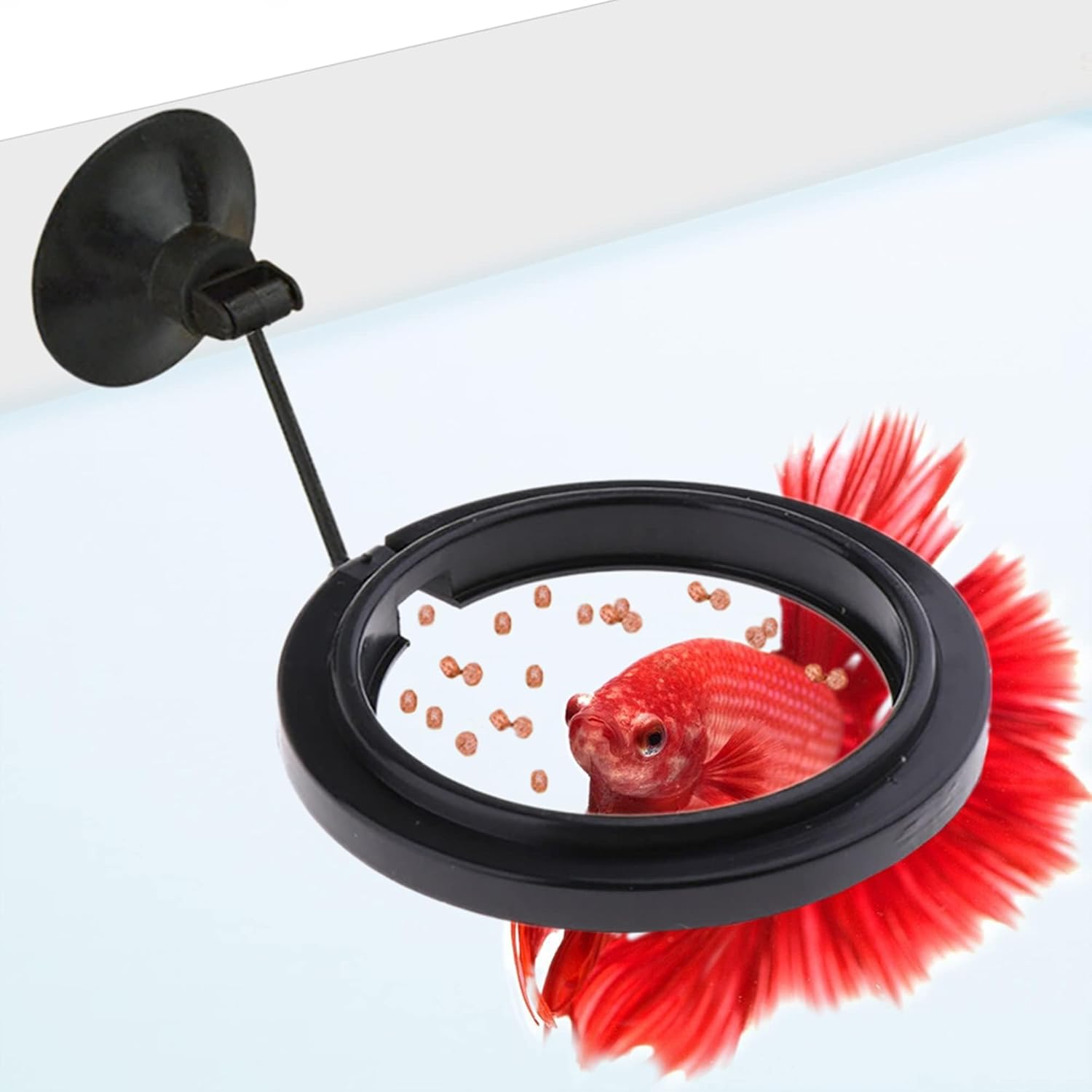
Betta fish build bubble nests as a natural breeding strategy, creating a safe cradle for eggs and fry. Understanding the why behind this behavior helps owners provide the right environment, ensuring healthy nests and thriving bettas.
Key Takeaways
- Purpose: Bubble nests protect eggs, keep them oxygen‑rich, and aid in fry development.
- Triggers: Males start building when water is warm, calm, and the fish is in breeding condition.
- Materials: Betta uses surface‑tension bubbles mixed with mucus to form a sturdy, floating raft.
- Owner support: Provide a lid, gentle water flow, and a diet rich in protein to encourage nest building.
- Problems: Poor water quality, low temperature, or stress can stop nest building; see why did my betta fish stop making bubble nest.
- Observation tips: Watch for flaring, courting behavior, and the characteristic “bubble‑spit” before a nest appears.
- Safety: Never disturb a fresh nest; the male guards it fiercely and may attack if startled.
📑 Table of Contents
- Introduction: The Fascinating World of Betta Bubble Nests
- 1. The Biological Purpose of Bubble Nests
- 2. What Triggers a Male Betta to Start Building?
- 3. How Betta Fish Actually Build the Nest
- 4. Creating the Perfect Environment for Nest Building
- 5. Common Questions and Misconceptions
- 6. Practical Tips for Hobbyists
- Conclusion
Introduction: The Fascinating World of Betta Bubble Nests
If you’ve ever watched a male betta fish puff out a frothy raft on the water’s surface, you’ve seen one of nature’s most charming reproductive tricks. These floating structures are not random; they are carefully crafted homes for the next generation of bettas. In this article we’ll answer the question “why do betta fish build bubble nests,” explore the science behind the behavior, and give you practical tips to encourage healthy nest building in your own tank.
Understanding the “why” helps you become a better caretaker. When you know the conditions that trigger nesting, you can adjust temperature, lighting, and diet to create a stress‑free environment. The result? A proud male displaying his bright colors, flaring his fins, and producing a perfect bubble cradle for his eggs.
1. The Biological Purpose of Bubble Nests
1.1 A Safe Cradle for Eggs
Betta fish are mouth‑brooders only for a short time; after fertilization the male collects the sticky eggs and places them in the nest. The bubbles keep the eggs at the surface where oxygen levels are highest, preventing them from sinking into low‑oxygen water where they would quickly die.
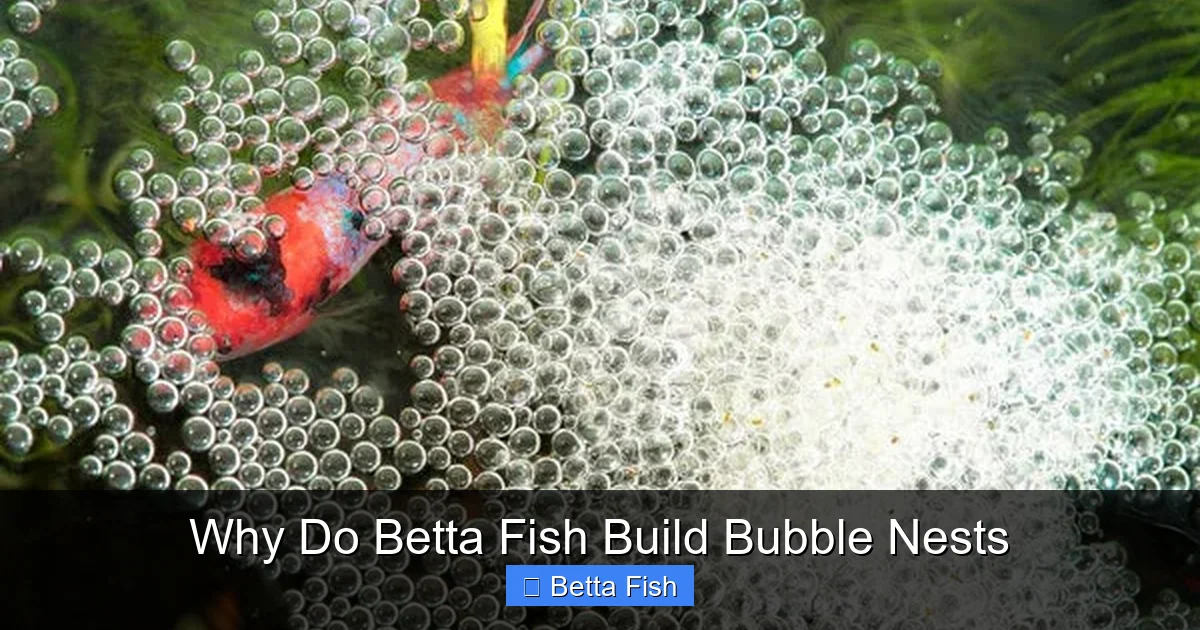
Visual guide about Why Do Betta Fish Build Bubble Nests
Image source: cdn.shopify.com
1.2 Temperature Regulation
Surface water is usually warmer than deeper layers, especially in the shallow breeding tanks hobbyists use. Warmer water speeds embryo development, giving the fry a better chance of survival.
1.3 Protection from Predators
In the wild, a bubble nest floats just below the water’s surface, making it harder for bottom‑dwelling predators to reach the eggs. The male also guards the nest aggressively, chasing away intruders.
2. What Triggers a Male Betta to Start Building?
2.1 Seasonal and Temperature Cues
Betta fish are native to the monsoon‑filled rivers of Southeast Asia. When the rainy season arrives, water temperature rises to about 78‑82°F (25‑28°C). This rise signals that conditions are ideal for breeding, prompting the male to begin nest construction. If you keep a tank at a stable 78°F, you’re already providing a key cue.
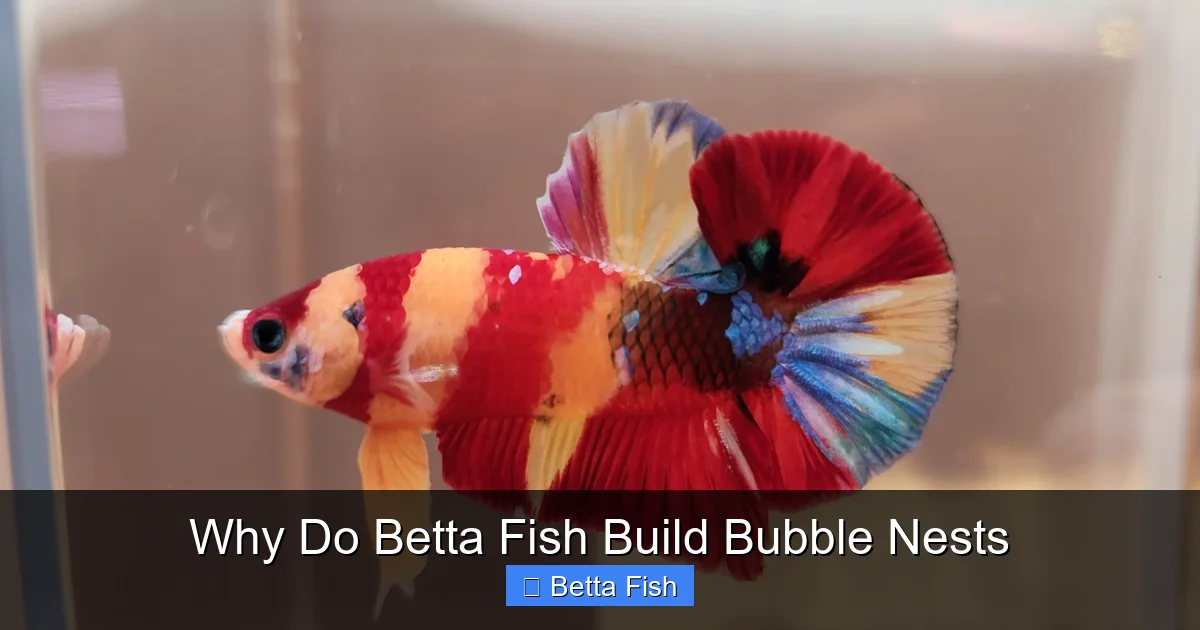
Visual guide about Why Do Betta Fish Build Bubble Nests
Image source: localfishshop.com
2.2 Hormonal Changes
As the male matures, his endocrine system releases higher levels of testosterone and gonadotropins. These hormones increase his desire to display, flare, and build a nest. You’ll often see the male becoming more colorful and aggressive during this period.
2.3 Environmental Factors
- Calm water surface: Strong currents break bubbles. A gentle filter or a lid that reduces surface disturbance is ideal.
- Soft lighting: Dim lighting mimics the twilight of the rainy season and reduces stress.
- Food quality: A protein‑rich diet (live or frozen foods) fuels the energy‑intensive process of bubble production.
For a deeper dive into timing, see When Do Betta Fish Make Bubble Nests.
3. How Betta Fish Actually Build the Nest
3.1 The Bubble‑Spitting Technique
The male gulps air at the surface, mixes it with a mucus secreted from his mouth, and then releases the coated bubble. The mucus acts like a natural glue, allowing bubbles to stick together and form a raft.
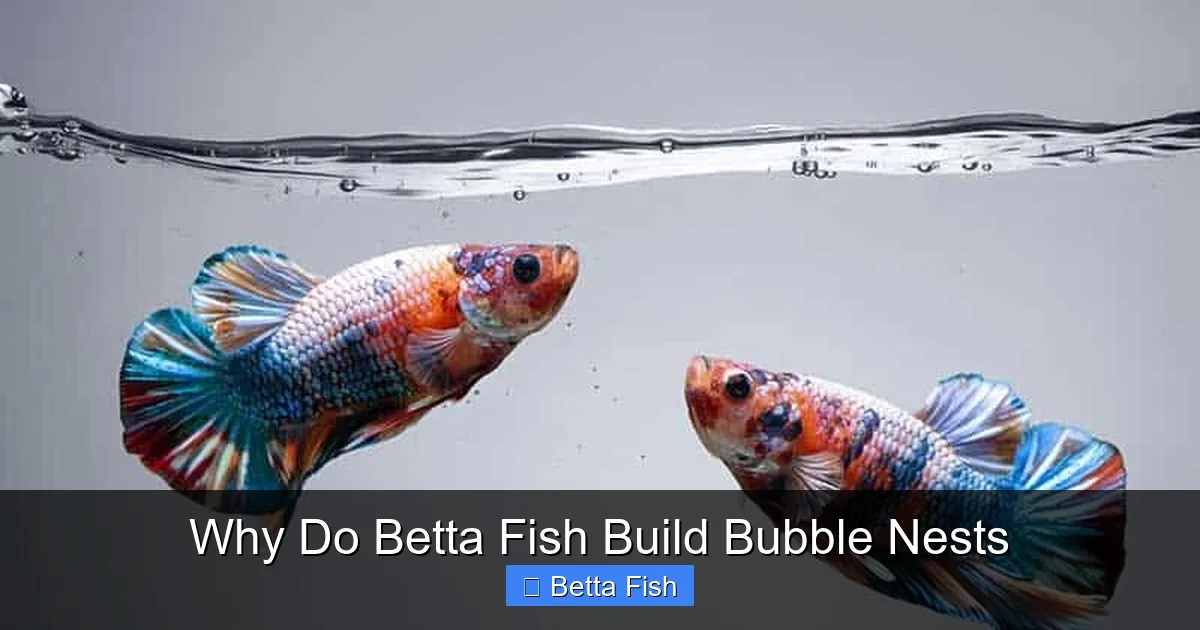
Visual guide about Why Do Betta Fish Build Bubble Nests
Image source: fishkeepingacademy.com
3.2 Structure and Layers
Most nests start as a loose cluster of bubbles. Over a few hours the male adds more bubbles, creating a dense, cup‑shaped structure. The outer layer is often tighter, while the interior remains slightly airy to cushion the eggs.
3.3 Size Matters
A typical nest measures 2‑4 inches in diameter, but larger males can build nests up to 6 inches. The size correlates with the male’s health and the number of eggs he expects to fertilize.
4. Creating the Perfect Environment for Nest Building
4.1 Tank Setup Essentials
- Tank size: A 5‑gal tank provides enough surface area without being too large to maintain stable parameters.
- Cover: Use a lid or a partially covered top to reduce surface disturbance.
- Filter: Choose a sponge filter or a gentle hang‑on‑back that can be adjusted to a low flow.
- Plants: Live or silk plants give the male places to rest and hide if he feels threatened.
4.2 Water Parameters
Maintain temperature at 78‑82°F, pH between 6.5‑7.5, and keep ammonia and nitrite at 0 ppm. Regular water changes (25% weekly) keep the water crisp, which is essential for bubble stability.
4.3 Feeding Strategies
Offer a mix of high‑protein foods such as bloodworms, brine shrimp, and quality betta pellets twice daily. A well‑fed male will have the energy reserves needed to produce large, sturdy nests.
If your betta seems to stop building, read Why Did My Betta Fish Stop Making Bubble Nest for troubleshooting tips.
5. Common Questions and Misconceptions
5.1 “Do all bettas build nests?”
Only male bettas build bubble nests. Females may produce occasional bubbles, but they never construct a nest.
5.2 “Is the nest a sign of aggression?”
During nesting the male becomes territorial and may flare at other fish or even at his own reflection. This is normal protective behavior, not a sign of chronic aggression.
5.3 “Can I move the nest?”
Never disturb a fresh nest. Moving it can damage the eggs and cause the male to abandon the breeding effort.
6. Practical Tips for Hobbyists
6.1 Spotting the Early Signs
Watch for increased surface activity, frequent gulping of air, and a slight “puffing” of the belly. These are early indicators that a nest is on its way.
6.2 Encouraging a Stubborn Builder
- Raise the temperature by 1‑2°F for a few days.
- Reduce surface disturbance by turning off aeration.
- Offer a live food treat like daphnia to boost confidence.
6.3 After the Eggs Hatch
Once the fry become free‑swimming, the male will usually stop guarding the nest. Remove the adult to prevent cannibalism, and provide fine‑mesh fry netting for safe growth.
Conclusion
Understanding why do betta fish build bubble nests reveals a beautifully adapted reproductive strategy. By replicating warm, calm, and protein‑rich conditions, you give your male the cues he needs to create a strong, oxygen‑rich cradle for his offspring. Keep an eye on water quality, temperature, and diet, and you’ll enjoy the spectacular sight of a betta proudly tending his floating masterpiece. Happy nesting!
Frequently Asked Questions
Why do betta fish build bubble nests?
Betta males build bubble nests to protect fertilized eggs, keep them oxygenated, and provide a warm, safe environment for the developing fry.
When do betta fish start building a nest?
They usually begin when water temperature reaches 78‑82°F and the male is in breeding condition, often after a period of calm, dim lighting.
Can a female betta build a bubble nest?
No. Only males create nests. Females may produce occasional bubbles but never form the structured raft used for breeding.
What should I do if my betta stops making a nest?
Check water parameters, raise the temperature slightly, reduce surface disturbance, and ensure a protein‑rich diet. See Why Did My Betta Fish Stop Making Bubble Nest for more tips.
Is it safe to move a bubble nest?
Never move a fresh nest. Disturbing it can damage the eggs and cause the male to abandon the breeding effort.
How can I tell if my betta is ready to breed?
Look for bright coloration, frequent flaring, surface gulping, and the beginning of bubble production. These signs indicate a male is ready to build a nest.