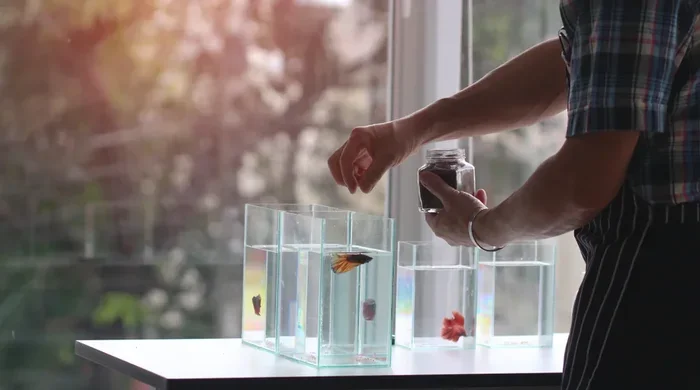
Why Do Betta Fish Color Fade
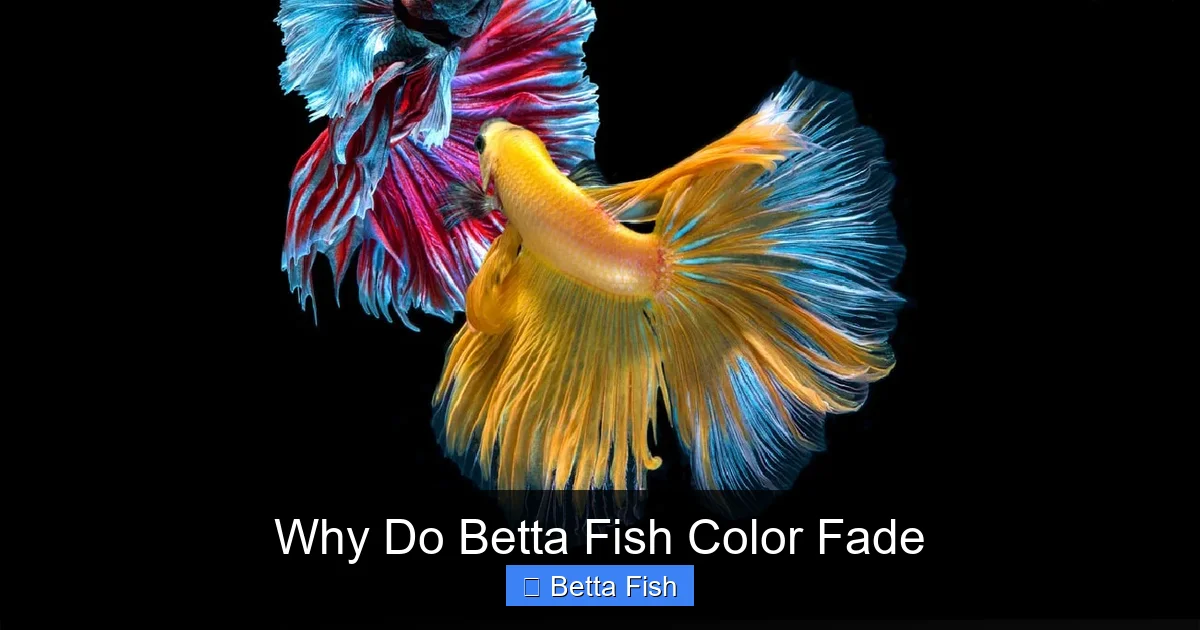
Betta fish lose their brilliant hues for many reasons, from stress and poor water to genetics and age. Understanding the root causes helps you act fast, restore color, and keep your fish thriving. Follow our practical tips to maintain vivid, healthy bettas.
Key Takeaways
- Water quality matters: Bad parameters are the top reason colors fade.
- Stress triggers dullness: Overcrowding, temperature swings, and aggressive tank mates can wash out pigment.
- Nutrition is key: A diet rich in carotenoids and high‑quality protein supports bright scales.
- Genetics set the baseline: Some bettas are naturally pastel; others can’t sustain intense color.
- Age and molt cycles affect hue: Older fish and those shedding old scales may look faded temporarily.
- Illness shows up as color loss: Parasites, fungal infections, and bacterial diseases often start with pale patches.
- Quick fixes work: Regular water changes, proper heating, and targeted supplements can revive fading colors.
📑 Table of Contents
- Introduction: The Mystery Behind Fading Betta Colors
- 1. Water Quality – The Silent Color Killer
- 2. Stress – The Hidden Dyer
- 3. Nutrition – Feeding the Palette
- 4. Genetics and Age – The Built‑In Palette
- 5. Health Issues – Illness Wearing Out the Color
- 6. Environmental Enhancements – Adding the Finishing Touches
- Conclusion: Keep the Rainbow Alive
Introduction: The Mystery Behind Fading Betta Colors
Betta fish are the rock stars of the aquarium world. Their shimmering fins and electric blues, reds, and purples make every hobbyist’s heart skip a beat. Yet, many owners wake up to a sad sight: a once‑vibrant betta now looks washed out, its colors dulled like a faded photograph. If you’ve ever wondered why do betta fish color fade, you’re not alone. The answer isn’t always a single culprit; it’s often a mix of environment, diet, genetics, and health.
In this guide we’ll break down every major factor that can strip your betta of its sparkle, and we’ll give you easy, actionable steps to bring the brilliance back. Think of it as a friendly chat over a cup of tea, with plenty of real‑world examples and simple tips you can start using today.
1. Water Quality – The Silent Color Killer
Why clean water equals bright color
Betta fish are native to the shallow, slow‑moving waters of Southeast Asia, where the water is soft, slightly acidic, and consistently clean. In a home aquarium, water quality can drift quickly if you’re not vigilant. Ammonia, nitrite, high nitrate, and improper pH all stress the fish, causing the pigment cells (chromatophores) to shrink or stop producing color.
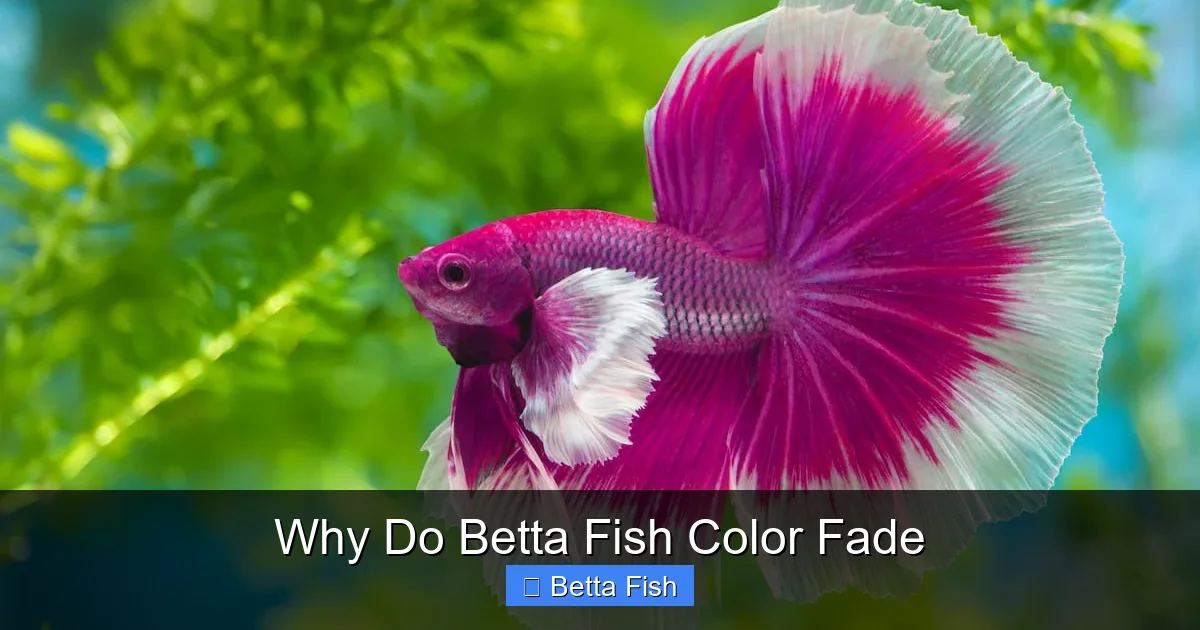
Visual guide about Why Do Betta Fish Color Fade
Image source: afewgoodpets.com
Key parameters to watch
- Ammonia & nitrite: Both should be at 0 ppm. Even a spike to 0.25 ppm can lead to dullness within days.
- Nitrate: Keep under 20 ppm; higher levels cause chronic stress.
- pH: Aim for 6.5–7.0. Sudden shifts trigger a color fade.
- Temperature: Betta’s ideal range is 76‑82 °F (24‑28 °C). Cold shocks slow metabolism and pigment production.
Practical water‑care routine
1. **Weekly 25‑30% water change** – Use a siphon to remove debris and replace with conditioned water at the same temperature.
2. **Test weekly** – A cheap liquid test kit will catch ammonia or nitrate spikes before they become a problem.
3. **Use a gentle filter** – Betta’s fins are delicate; a sponge filter provides biological filtration without strong currents.
For a deeper dive into water‑related color loss, see our article Why Did My Betta Fish Lose Its Color.
2. Stress – The Hidden Dyer
Common stressors that wash out pigment
Stress is a betta’s worst enemy. When a fish feels threatened, it releases cortisol, a hormone that diverts energy away from coloration and toward survival. Here are the top stress triggers:
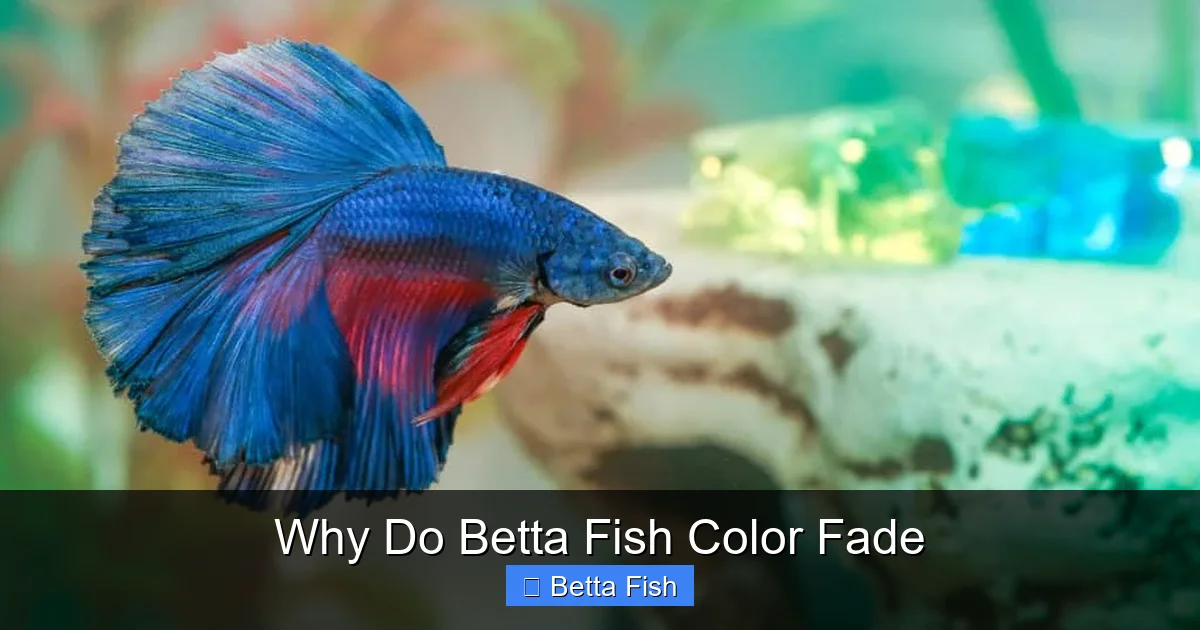
Visual guide about Why Do Betta Fish Color Fade
Image source: aquariadise.com
- Overcrowding: Even a single aggressive tank mate can cause a male betta to hide and lose color.
- Improper tank size: Less than 2.5 gallons limits swimming space and can lead to constant stress.
- Sudden temperature changes: Moving the tank, drafts, or a faulty heater cause rapid drops or spikes.
- Bright, constant lighting: 12+ hours of intense light can fatigue the fish’s visual system.
Stress‑reduction checklist
• **Provide a minimum of 5 gallons** for a single male betta.
• **Use a stable heater** with a thermostat set to 78 °F (25.5 °C).
• **Add hiding spots** – silk plants, caves, or a piece of driftwood give a sense of security.
• **Limit direct light** – 8‑10 hours of moderate LED lighting followed by a dark period mimics natural cycles.
3. Nutrition – Feeding the Palette
The role of diet in pigment production
Betta fish can’t manufacture their own bright colors; they rely on pigments from food. Carotenoids (found in red, orange, and yellow foods) and melanin (black/brown) are essential. A diet of low‑quality flakes may keep your betta alive, but it won’t sustain vivid hues.
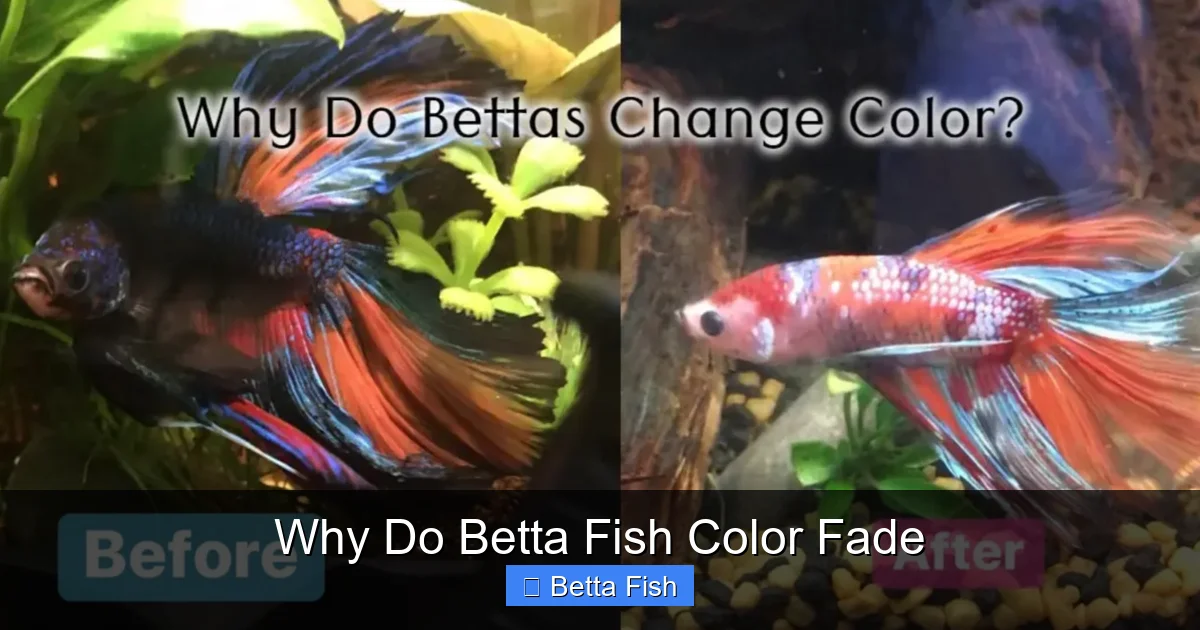
Visual guide about Why Do Betta Fish Color Fade
Image source: nicebettathailand.com
Best foods for brilliant colors
- High‑protein pellets: Look for 40‑45% protein with added shrimp or fish meal.
- Frozen or live foods: Daphnia, bloodworms, and brine shrimp are rich in natural pigments.
- Color‑enhancing supplements: Products like “Betta Boost” contain astaxanthin and can brighten reds and oranges.
Feeding schedule
Feed 2‑3 small meals per day, no more than the amount your betta can eat in 2‑3 minutes. Overfeeding leads to poor water quality, which circles back to color loss.
For more on diet and color, check Why Betta Fish Change Color – it explains how food directly influences hue.
4. Genetics and Age – The Built‑In Palette
Natural limits to brightness
Not every betta is born with a neon rainbow. Some strains, like “Half‑Moon” or “Plakat,” have genetic ceilings that produce softer shades. If a fish’s lineage is known for pastel tones, expect a milder palette.
Aging and molting
As bettas mature (usually after 12‑18 months), they undergo regular skin shedding, called molting. During this period, the old, faded scales fall off and new, often paler scales grow in. The fish may look dull for a week or two, then regain its original vibrancy.
When to accept a natural fade
If your betta is over two years old and has stable water, no disease signs, and a consistent feeding routine, the fading may simply be age‑related. In such cases, focus on comfort rather than trying to force a color boost.
5. Health Issues – Illness Wearing Out the Color
Common diseases that start with pale patches
Many infections begin by affecting the skin and scales. Look for these warning signs alongside color loss:
- White spots or cottony growth: Possible ich or fungal infection.
- Frayed or ragged fins: Indicates bacterial infection or fin rot.
- Lethargy, loss of appetite, or abnormal swimming: Systemic illness.
Quick response plan
1. **Isolate the fish** in a hospital tank with clean, warm water.
2. **Treat promptly** – Use a broad‑spectrum aquarium medication for bacterial/fungal issues, or a copper‑based treatment for parasites.
3. **Boost nutrition** – Add a small amount of high‑quality frozen food daily to aid recovery.
For a full rundown on disease‑related color loss, read Why Is My Betta Fish Turning White.
6. Environmental Enhancements – Adding the Finishing Touches
Lighting tricks to accentuate existing color
Even a healthy, bright betta can look dull under poor lighting. Use a full‑spectrum LED light set to a 10‑hour on/off cycle. Position the light at a 45‑degree angle to reduce glare and showcase the iridescent scales.
Tank décor that supports color
Live plants like Anubias, Java fern, or moss not only improve water quality but also provide a natural backdrop that makes colors pop. Avoid overly dark substrates; a light sand or fine gravel reflects light back onto the fish.
Seasonal considerations
During winter months, room temperature can drop, affecting tank temperature. Use a heater with a reliable thermostat and consider a tank blanket to keep the water stable.
Conclusion: Keep the Rainbow Alive
Understanding why do betta fish color fade is the first step toward a vibrant, healthy aquarium. By maintaining pristine water, reducing stress, feeding a pigment‑rich diet, and watching for health issues, you give your betta the best chance to flaunt its natural brilliance. Remember, some fading is normal—especially with age or after a molt—but most dramatic losses can be corrected with a few simple adjustments.
Take one change at a time, monitor your fish’s response, and enjoy watching those colors come back stronger than ever. Your betta will thank you with a dazzling display that makes every glance at the tank a joy.
Frequently Asked Questions
Why does my betta’s color turn pale after a water change?
Sudden temperature or pH shifts during a water change can stress the fish, causing temporary color loss. Always match the new water to the tank’s temperature and parameters.
Can a betta regain color once it has faded?
Yes. By improving water quality, reducing stress, and providing a high‑quality diet, most bettas will gradually restore their hue within a few weeks.
Is it normal for a betta to lose color as it gets older?
Older bettas often experience natural fading during molting cycles or due to age‑related pigment decline. As long as the fish is healthy, this is normal.
Do lighting changes affect betta coloration?
Yes. Inadequate or overly harsh lighting can make colors appear dull. Use a moderate, full‑spectrum LED on an 8‑10 hour cycle for the best results.
Can I use human vitamins to brighten my betta’s colors?
Specialized aquarium supplements that contain astaxanthin or carotenoids are safe. Human vitamins are not formulated for fish and may cause harm.
What should I do if my betta’s color fades suddenly and it stops eating?
Isolate the fish, test water parameters, and treat for possible infection. A loss of appetite with color fade is a red flag for illness and requires prompt attention.