Can 2 Male Betta Fish Live Together

Can 2 male betta fish live together? In most cases, two males will fight, but with the right tank size, plenty of hiding spots, and careful monitoring, a shared home can work. Follow these proven strategies to keep aggression low and enjoy a vibrant, thriving display.
Key Takeaways
- Aggression is natural: Male bettas are territorial and will often flare at each other.
- Size matters: A tank of 20 gallons or larger gives each fish enough space to establish its own territory.
- Visual barriers help: Plants, caves, and decorations break lines of sight and reduce confrontations.
- Monitor constantly: Early signs of stress mean you must act fast—remove one fish if needed.
- Alternative options: A single male with females, or a community tank with peaceful species, may be safer.
- Water quality is key: Clean, stable water reduces stress and aggression.
- Know the signs: Flaring, nipping, and loss of color indicate a problem that needs immediate attention.
📑 Table of Contents
Introduction: The Big Question
Betta fish—often called Siamese fighting fish—are famous for their brilliant colors and dramatic flares. That fame comes with a reputation: male bettas don’t get along. If you’ve ever wondered, “can 2 male betta fish live together?” you’re not alone. Many hobbyists dream of a double‑male display, but they worry about endless battles and a broken tank.
In this guide we’ll walk through the science of betta aggression, the tank conditions that can tip the scales toward peace, and practical steps you can take today. By the end, you’ll know whether a shared home is realistic for you—or if it’s safer to keep them apart.
Understanding Male Betta Behavior
Territorial instincts
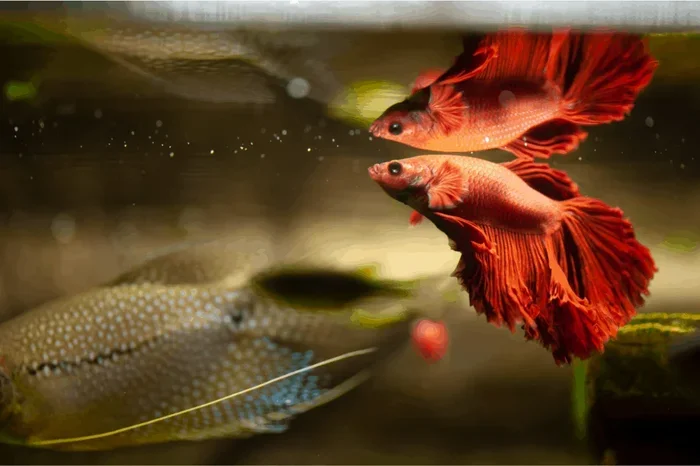
Male bettas are naturally territorial. In the wild they guard a small stretch of shallow water, defending it from rivals. In a tank, that instinct translates into flaring, gill‑cover displays, and sometimes full‑on attacks. The instinct is hard‑wired, but the environment can either amplify or suppress it.

Visual guide about Can 2 Male Betta Fish Live Together
Image source: bettafishworld.com
Why they flare
Flare displays are a warning. The fish spreads its fins, raises its gills, and often swims straight at the perceived intruder. It’s a way of saying, “This is my space.” If the opponent backs down, the fight ends. If not, the betta may bite.
Individual personalities
Not every male is a raging bully. Some are more laid‑back, especially if they’ve been raised with other fish from a young age. Observing each fish’s temperament before attempting a shared tank is essential.
Tank Requirements for Two Males
Size matters more than you think
Most beginners start with a 5‑gallon bowl, but that’s far too small for two males. A minimum of 20 gallons is recommended. The extra space lets each fish claim a separate “territory” and reduces the chance of constant visual contact.

Visual guide about Can 2 Male Betta Fish Live Together
Image source: fishlab.com
Creating visual barriers
Plants (real or silk), driftwood, and caves act as walls. They break the line of sight, giving each betta a place to retreat when the other approaches. Aim for at least five distinct hiding spots per fish.
Filtration and flow
Betta fish prefer calm water, but good filtration keeps ammonia low, which in turn lowers stress. A gentle sponge filter or a low‑flow hang‑on filter works well. Avoid strong currents that can exhaust the fish.
Lighting and décor
Soft lighting mimics their natural environment and reduces aggression. Use a dimmable LED or a floating plant canopy to diffuse light. Bright, harsh lighting can make males more territorial.
Temperature stability
Keep the water at 78‑80°F (25‑27°C). Fluctuations can cause stress, leading to more fighting. A reliable aquarium heater with an automatic thermostat is a must.
Step‑by‑Step Guide to Introducing Two Males
1. Quarantine each fish
Before any introduction, quarantine each male for at least two weeks. This prevents disease transfer and lets you assess each fish’s health and temperament.

Visual guide about Can 2 Male Betta Fish Live Together
Image source: fishlab.com
2. Set up a divided tank
Use a clear acrylic or mesh divider. This lets the fish see each other without physical contact. Observe their reactions for 48‑72 hours. If both remain calm, you can consider removing the divider.
3. Gradual visual exposure
Start with the divider in place, then lower it a few inches each day. Watch for flaring or chasing. If aggression spikes, return the divider to its original position and give the fish more time.
4. Full removal—only if calm
When both males ignore each other for several days, you can remove the divider. Keep a close eye for the first 24 hours. Have a backup tank ready in case a fight breaks out.
5. Have a rescue plan
Even with perfect setup, fights can happen. A separate “hospital” tank (5‑gallon) should be ready to house a defeated or injured betta immediately.
Signs of Stress and When to Separate
Physical indicators
- Faded or dull colors
- Clamped fins (held close to the body)
- Loss of appetite
- Visible wounds or torn fins
Behavioral cues
- Constant flaring, even when the other fish is far away
- Chasing that lasts more than a few minutes
- Hiding for the majority of the day
If you notice any of these signs, act fast. Separate the fish and reassess the tank setup. Sometimes adding more plants or increasing tank size resolves the issue.
Alternative Options to Two Males
Male + Female pair
While a single male with a single female can work, the risk of breeding and the male’s heightened aggression during spawning season should be considered. For detailed guidance, see our article on Can A Male And Female Betta Fish Live Together.
Multiple females together
Female bettas are less aggressive and can often share a larger tank peacefully. Learn more at Can 2 Female Betta Fish Live Together.
Community tanks
Some peaceful fish—like small tetras, rasboras, or snails—can coexist with a single male betta. However, avoid fin‑nipping species. Check out What Fish Can Live With A Male Betta for safe choices.
Maintaining a Peaceful Two‑Male Tank
Regular water changes
Swap out 25 % of the water weekly. Clean water reduces stress hormones that can trigger aggression.
Feeding strategies
Feed both fish at opposite ends of the tank. This prevents competition and gives each fish a calm feeding zone.
Observation routine
Spend 5‑10 minutes daily watching for subtle changes in behavior. Early detection is the key to preventing serious fights.
Seasonal considerations
During breeding season (spring), males become extra territorial. Be prepared to separate them temporarily during this time.
Conclusion: Is It Worth the Risk?
So, can 2 male betta fish live together? The answer is: yes, but only under very specific conditions—large tank, ample hiding spots, and vigilant monitoring. For most hobbyists, the safest route is to keep males separate or opt for a mixed‑gender or female‑only tank.
Remember, each betta is an individual. If you decide to try a shared setup, start slow, stay patient, and always have a backup plan. With the right approach, you might enjoy the spectacular display of two vibrant males coexisting peacefully.
Frequently Asked Questions
Can 2 male bettas live together in a 10‑gallon tank?
It’s possible but risky. A 10‑gallon tank provides limited space, making it harder for each fish to establish its own territory, which often leads to aggression.
Do male bettas ever become friends?
Occasionally, especially if they’re raised together from a young age, but true “friendship” is rare. Expect occasional flares even in the most peaceful setups.
What’s the best divider material?
Clear acrylic or mesh works well. It lets you see the fish while preventing physical contact, allowing you to gauge their reactions safely.
How quickly should I separate fighting bettas?
Immediately. Even a short bout can cause fin damage and stress. Have a separate quarantine tank ready to move the loser or injured fish.
Can I add plants after the bettas are already fighting?
Yes. Adding live or silk plants creates visual barriers that can calm the fish. However, you still need to monitor closely for any lingering aggression.
Is it safer to keep one male with several females?
It can work, but the male may become aggressive during breeding. A single female with a male is generally safer than two males together.